
Canada's beer aisle is changing fast. What was once a niche category is now one of the most dynamic growth stories in food and drink.
Better Taste Has Changed Everything
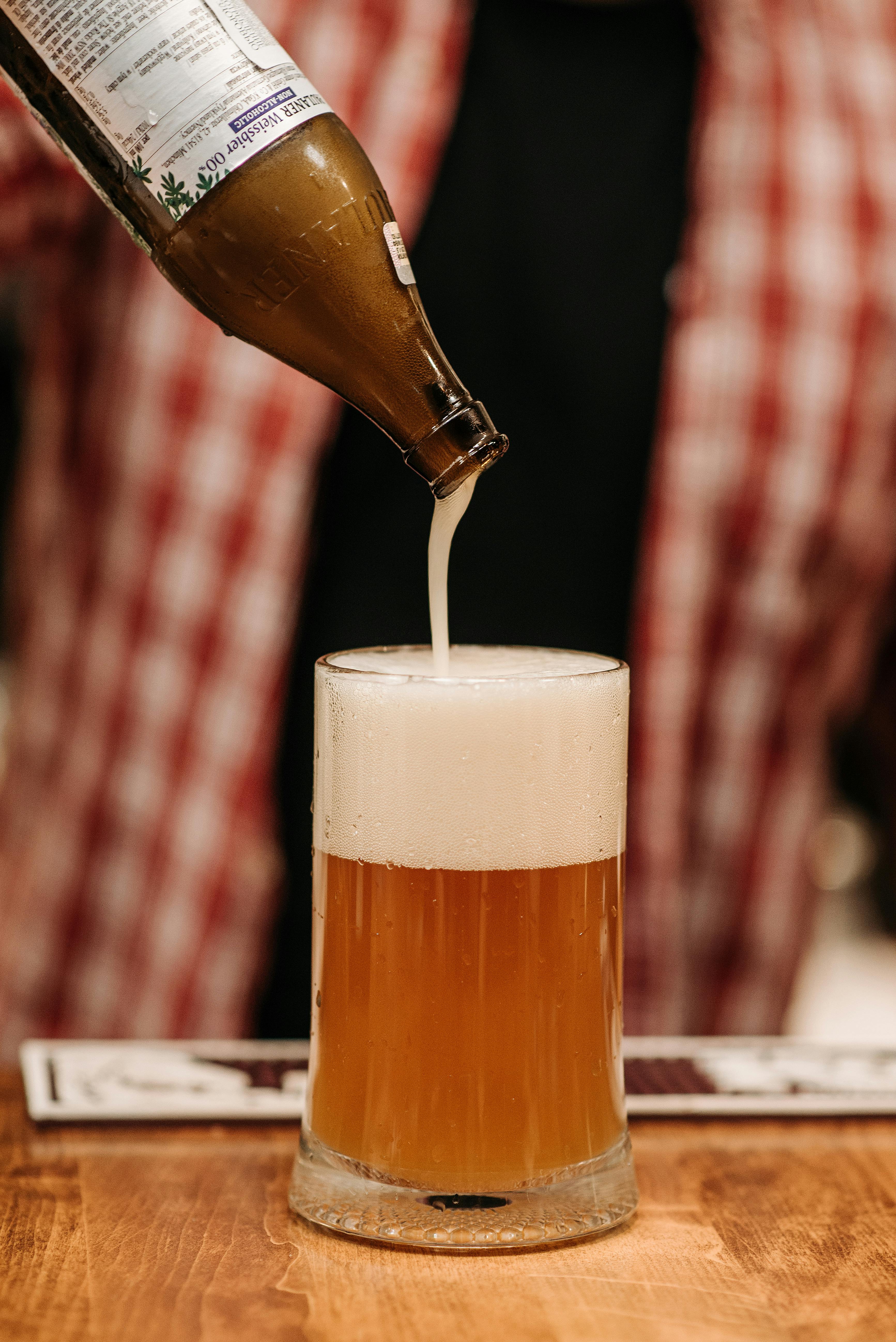
The biggest reason for the surge is simple: non-alcoholic beer tastes far better than it used to. Earlier versions often felt thin, overly sweet, or closer to soft drinks than real lager or ale. That turned many drinkers away for years.
Today, Canadian and international brewers are using improved dealcoholization methods, specialized yeasts, and tighter recipe design to preserve body, aroma, and bitterness. According to industry reporting and brewer interviews, that technical progress has made 0.0% and low-alcohol products much more convincing to regular beer drinkers.
The result is a category no longer built only for abstainers. People who genuinely enjoy craft beer styles, from hazy IPAs to crisp pilsners, can now find alcohol-free options that feel familiar, balanced, and satisfying.
Health-Conscious Consumers Are Driving Demand

A major cultural shift is also at work. More Canadians are paying closer attention to sleep, mental clarity, hydration, calorie intake, and long-term wellness, and alcohol often clashes with those goals.
That does not mean consumers want to give up social rituals altogether. Instead, many are choosing moderation, alternating between alcoholic and non-alcoholic drinks over the course of a week or even a single night out.
Public health messaging has reinforced this trend. As guidance around alcohol risks has become more visible in Canada, many shoppers have started looking for ways to reduce intake without feeling excluded, and non-alcoholic beer has become one of the easiest substitutions.
Retail Expansion Has Put It Everywhere
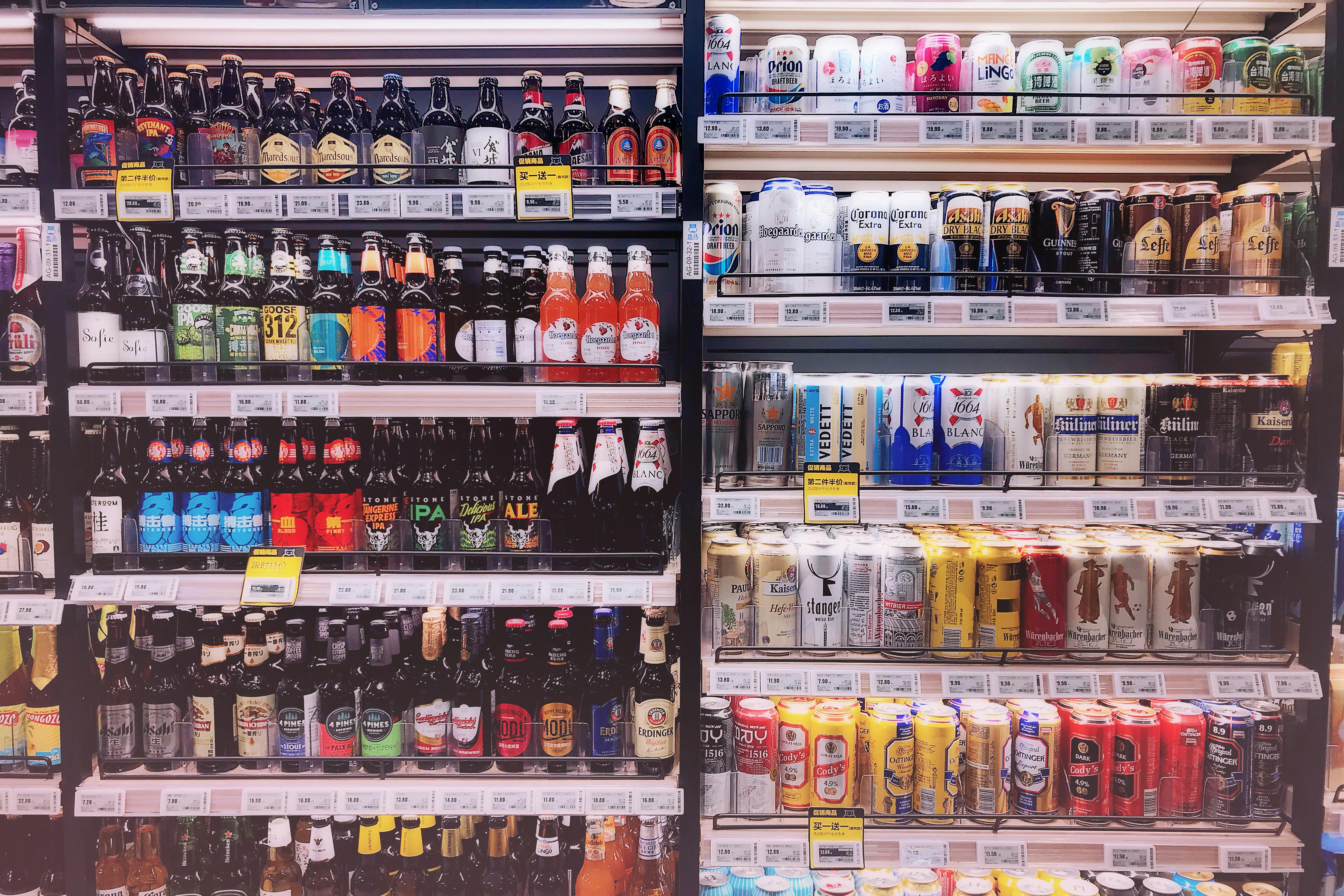
Availability is another powerful force behind the boom. Non-alcoholic beer is no longer tucked away in a hard-to-find wellness corner or a tiny section near mixers.
Major grocery chains, convenience stores, online retailers, and provincial liquor channels have expanded shelf space significantly. That matters because convenience often determines what people actually buy, especially for casual weekday consumption or last-minute social events.
Restaurants and bars are playing a role too. Better alcohol-free menus, dedicated bottle lists, and more thoughtful food pairings make the category feel legitimate rather than secondary. Once consumers start seeing these products everywhere, trying them becomes normal.
Younger Adults Are Redefining Drinking Culture

Another important factor is generational behavior. Younger adults, especially many millennials and Gen Z consumers, are approaching alcohol differently from previous generations, with more emphasis on balance, control, and intentional choices.
This group is often comfortable participating in social occasions without drinking heavily, and in some cases without drinking alcohol at all. They still want products with flavor, branding, and a sense of occasion, which non-alcoholic beer now delivers effectively.
Social media has helped normalize that shift. Images of fitness-minded routines, sober-curious challenges, and alcohol-free gatherings have made moderation more visible and less stigmatized, turning what once seemed restrictive into something modern and aspirational.
Brewers See a Real Business Opportunity

Brewers are not treating this as a side project anymore. Large multinational companies and independent Canadian craft breweries alike are investing in alcohol-free lineups because the economics and market signals look increasingly attractive.
For big brands, non-alcoholic beer expands reach to drivers, weekday drinkers, health-focused shoppers, and consumers cutting back for religious, medical, or personal reasons. For craft producers, it opens new room for innovation in a crowded beer market.
In practical terms, it also creates more drinking occasions. A consumer who would skip beer after a workout, at lunch, or before driving may still buy a non-alcoholic option, giving breweries access to moments that traditional beer could not easily reach.
Why the Momentum Looks Durable

This does not look like a short-lived fad. The category is being supported by several forces at once: better product quality, changing health attitudes, broader distribution, and a more flexible idea of what social drinking can look like.
Canada is especially well positioned for continued growth because its consumers are already familiar with premium beverage trends and willing to experiment across grocery, restaurant, and craft channels. Once habits form around routine purchases, categories like this tend to hold onto gains.
That is why sales are climbing so quickly this year. Non-alcoholic beer has moved beyond compromise and into everyday relevance, meeting Canadians where they are: health-aware, choice-driven, and still eager for a good drink.



Leave a Reply