
Canada often gets described as one big culinary mosaic. Newfoundland proves that idea has limits.
Isolation created a cuisine that answered to the Atlantic, not the mainland

Newfoundland's food culture developed under conditions that were radically different from those in central and western Canada. For centuries, communities were spread along a rugged coastline, often cut off from one another by distance, weather, and poor transport. That isolation meant local food habits did not blend quickly with broader Canadian trends.
Instead, people cooked according to what could be caught, stored, traded, or stretched through long winters. The sea supplied cod, capelin, mussels, lobster, crab, and seals, while the land offered berries, root vegetables, and wild game in season. A practical kitchen emerged from necessity, not from fashion or national identity.
Even after Confederation in 1949, Newfoundland did not suddenly begin eating like Ontario or the Prairies. Its pantry had already been defined by outport life, imported staples from old trade routes, and hard-earned habits of thrift. That deep historical separation still shapes what appears on tables today.
Salt fish mattered more here than almost anywhere else in Canada
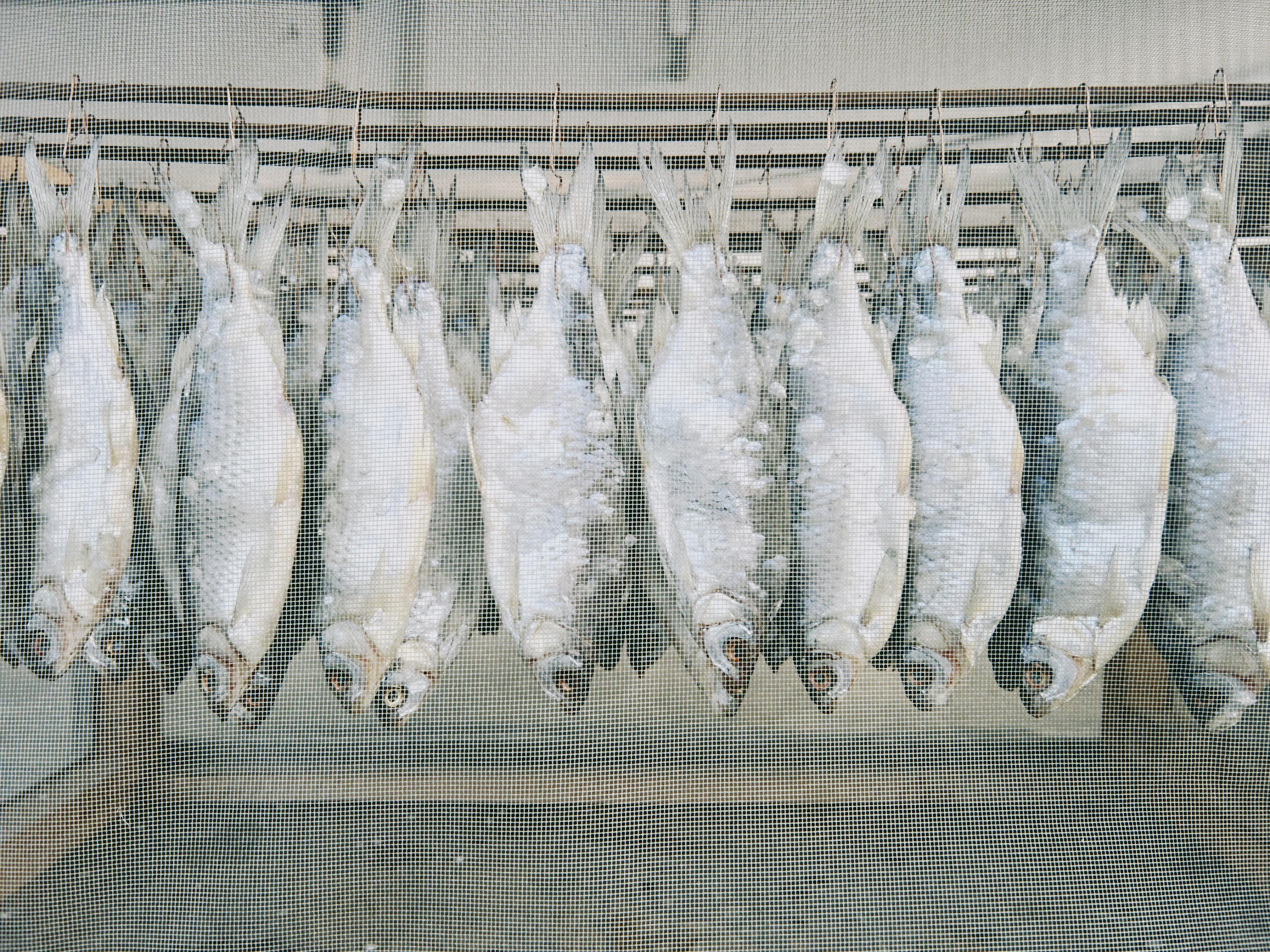
If one ingredient explains Newfoundland's culinary difference, it is cod, especially salt cod. The island's economy and daily diet were built around the Atlantic fishery for generations, and preserved fish became more than a staple. It became the center of domestic life, labor, and trade.
Salt cod worked because it solved a survival problem. Before refrigeration, families needed protein that could last, travel, and be prepared in many ways. Dishes like fish and brewis, made with hard bread and scrunched salt beef, came from a preservation system that would seem old-world in much of modern Canada.
Elsewhere in Canada, fresh beef, dairy, grain agriculture, and later industrial food networks reshaped home cooking faster. Newfoundland remained tied longer to a preserved-food economy. That helps explain why flavors such as cured fish, pickled meats, and savory boiled meals still carry cultural weight that feels distinct from mainstream Canadian food.
The province's signature dishes reflect survival more than celebration
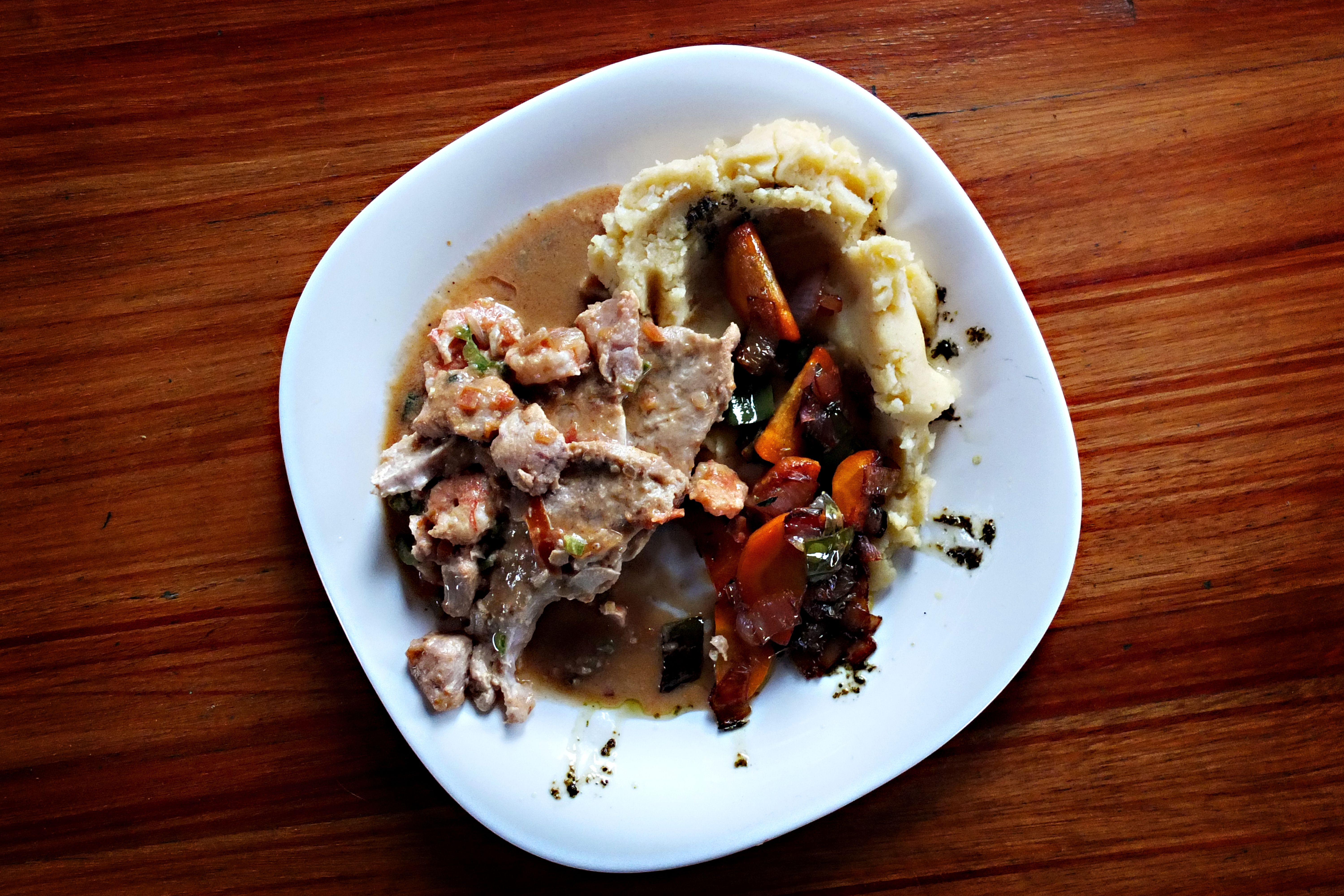
Many classic Newfoundland foods tell a blunt story about survival. Jiggs dinner, pea soup, toutons, figgy duff, and seal flipper pie were not invented to impress dinner guests. They were designed to fill people up, use every available resource, and keep households going in a place where waste could be dangerous.
Take toutons, for example. Fried bread dough is now sold as a nostalgic treat, often with molasses, but its roots are humble and practical. It came from leftover bread dough saved from the morning bake, a smart way to turn scraps into calories.
Jiggs dinner also shows how imported and local food traditions fused differently here. Salt beef, cabbage, turnip, carrot, potato, split peas, and boiled pudding reflect strong Irish and English working-class influence, but the meal settled into Newfoundland life with unusual staying power. In much of Canada, those habits faded faster or changed form.
Imported traditions stayed intact because change arrived slowly
Newfoundland cuisine feels unlike the rest of Canada partly because older British and Irish foodways remained visible far longer. In many provinces, industrialization, immigration from a broader range of countries, and urban restaurant culture transformed the national palate. Newfoundland changed too, but at a slower pace and under different pressures.
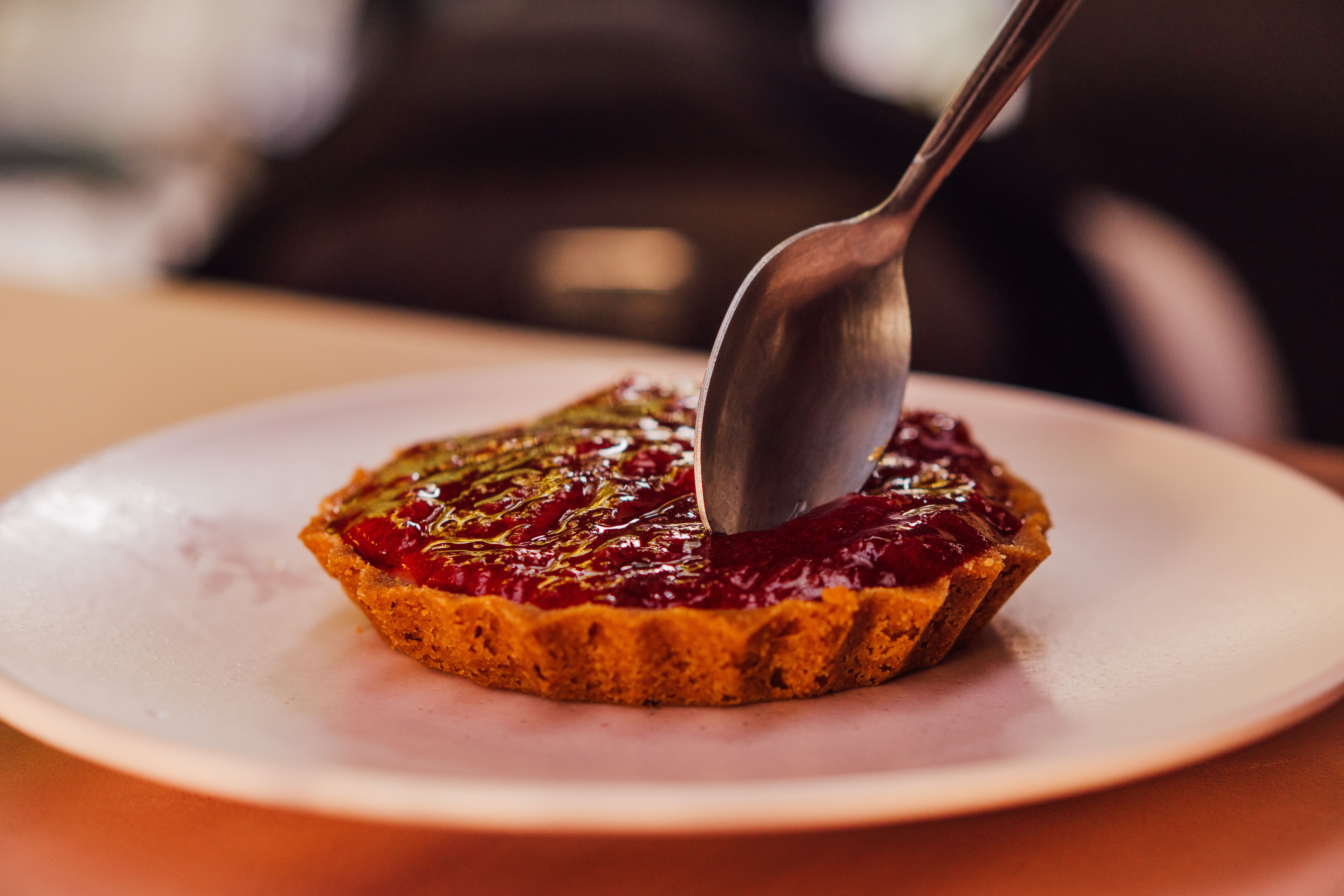
That is why terms like tea buns, bakeapple jam, duff, and cold plates still carry strong cultural meaning. Bakeapples, known elsewhere as cloudberries, are especially revealing. They grow in boggy northern landscapes and are treated as prized local fruit, reinforcing a strong sense of place that imported supermarket culture never fully erased.
This preservation of tradition is not just about old recipes. It is also about community events, Sunday dinners, holiday tables, and the memory of outport households where food knowledge was handed down orally. In Newfoundland, culinary continuity remained part of identity long after other parts of Canada moved toward homogenized national tastes.
Even the flavors and textures can surprise other Canadians
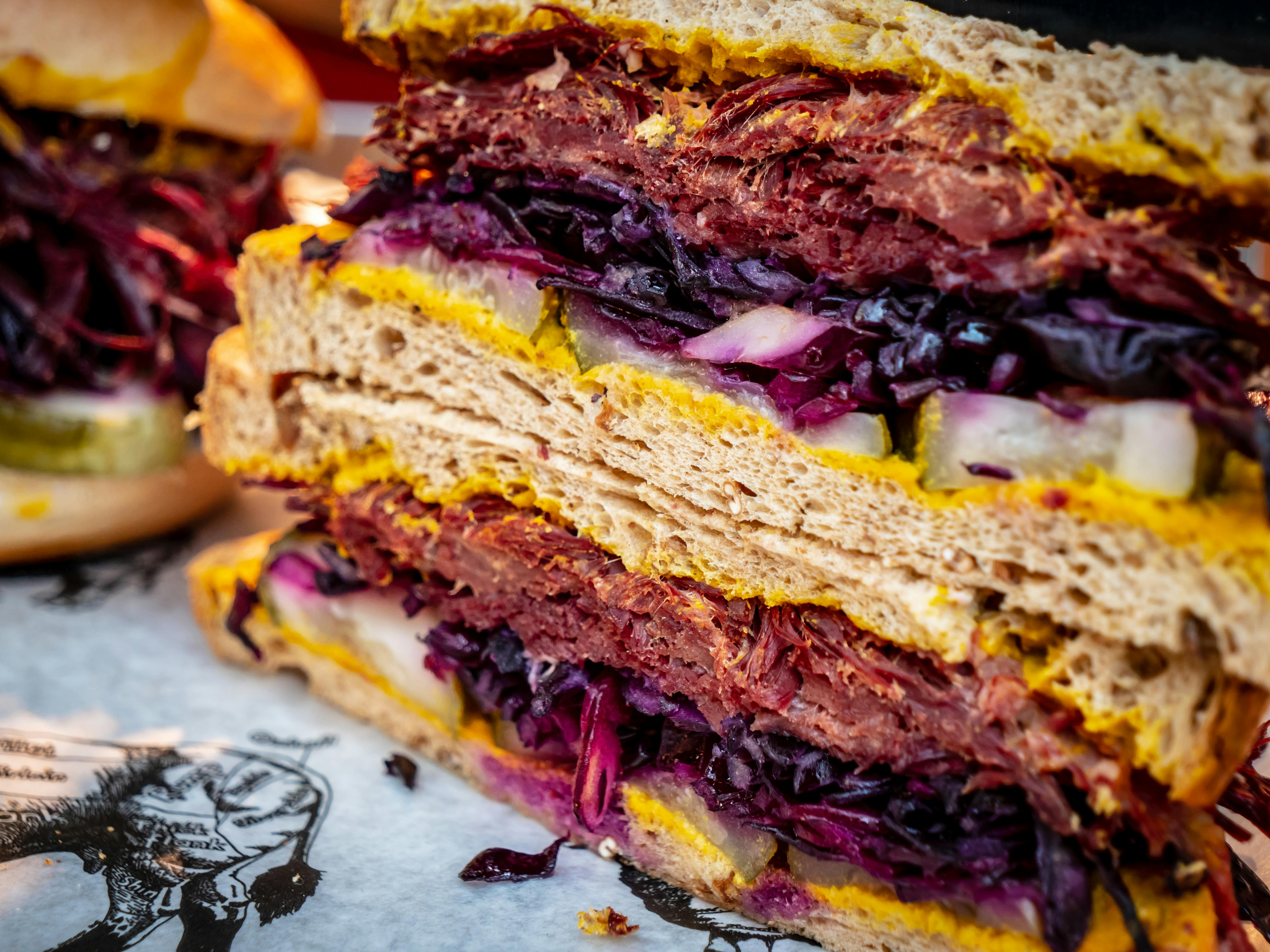
For many Canadians from outside the province, Newfoundland food can seem unusually direct, salty, dense, or unapologetically rustic. That reaction is part of the point. These foods were built for labor, cold weather, and scarcity, so richness and durability often mattered more than delicacy or visual refinement.
Consider the repeated use of molasses, salt meat, hard bread, and boiled vegetables. These are not random preferences. They reflect shipping patterns from the North Atlantic world, where shelf-stable ingredients were dependable and affordable. Taste developed around reliability, and over time that reliability became comfort.
Then there are ingredients that remain culturally charged, such as seal. While controversial outside the province, seal has long been part of local subsistence and coastal food practice. That gap in perception shows how Newfoundland's food debates are often rooted in lived history rather than in the assumptions that dominate elsewhere in Canada.
Newfoundland's food identity is now celebrated because it never fully disappeared
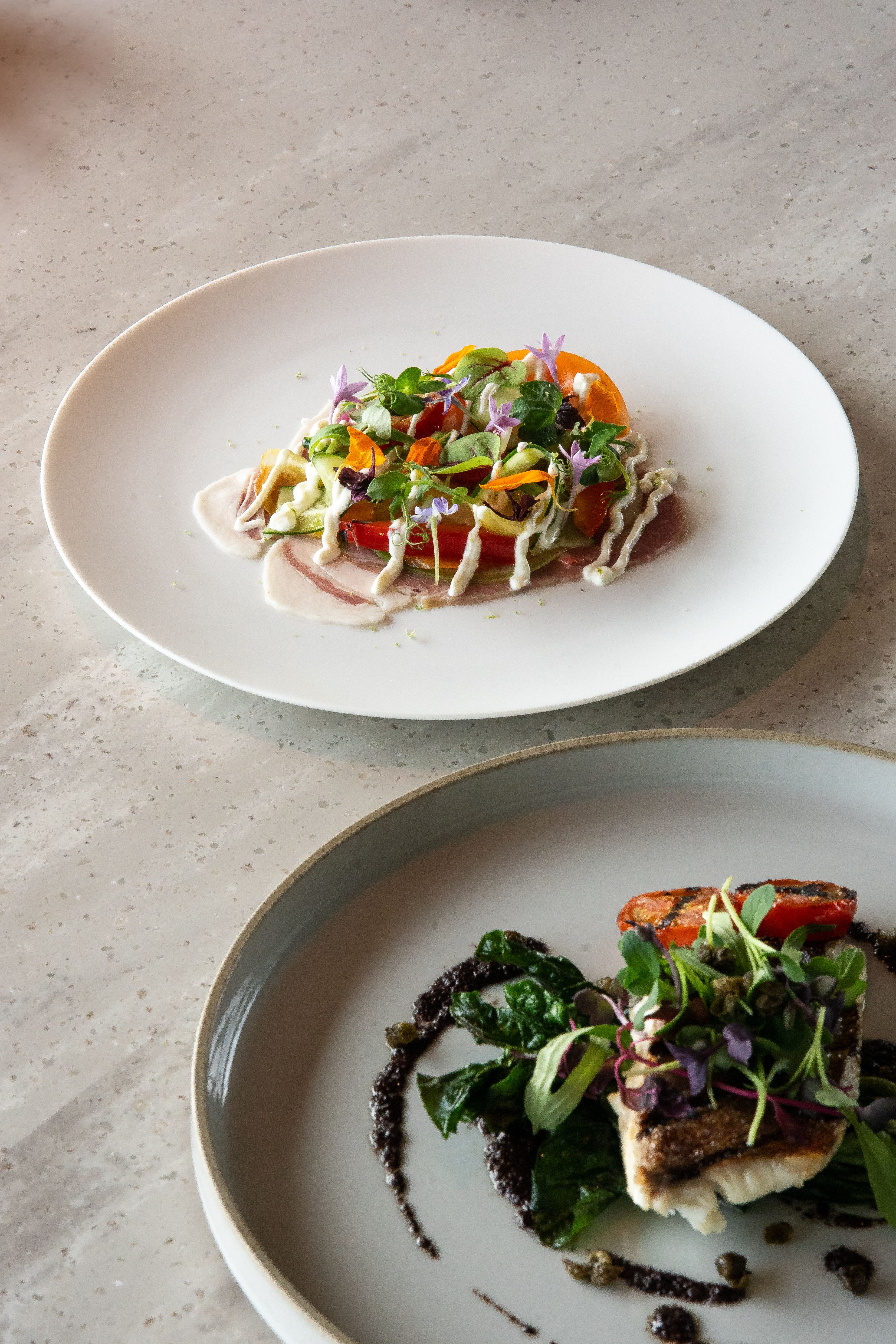
Today, chefs, home cooks, and food historians are treating Newfoundland cuisine as one of Canada's most distinctive regional traditions. Restaurants now refine old dishes without stripping away their meaning, using cod tongues, partridgeberries, bakeapples, mussels, and root vegetables to tell a story grounded in place.
What makes this revival different is that it is not an invented heritage trend. The food never vanished completely. It persisted in family kitchens, church halls, community suppers, and freezer stocks filled with fish, berries, and game gathered through the seasons.
That continuity is why Newfoundland's food culture has so little in common with the rest of Canada. It grew from a separate rhythm of work, weather, geography, and memory. Rather than blending smoothly into a national menu, it held on to its own logic, and that is exactly what makes it remarkable.




Leave a Reply