Cooking at home is not disappearing. It is being redefined.
Across kitchens of every size, more people are choosing recipes that feel manageable, flexible, and worth repeating instead of chasing elaborate dishes that demand too much time, money, and attention.
Time Pressure Has Changed What Feels Realistic
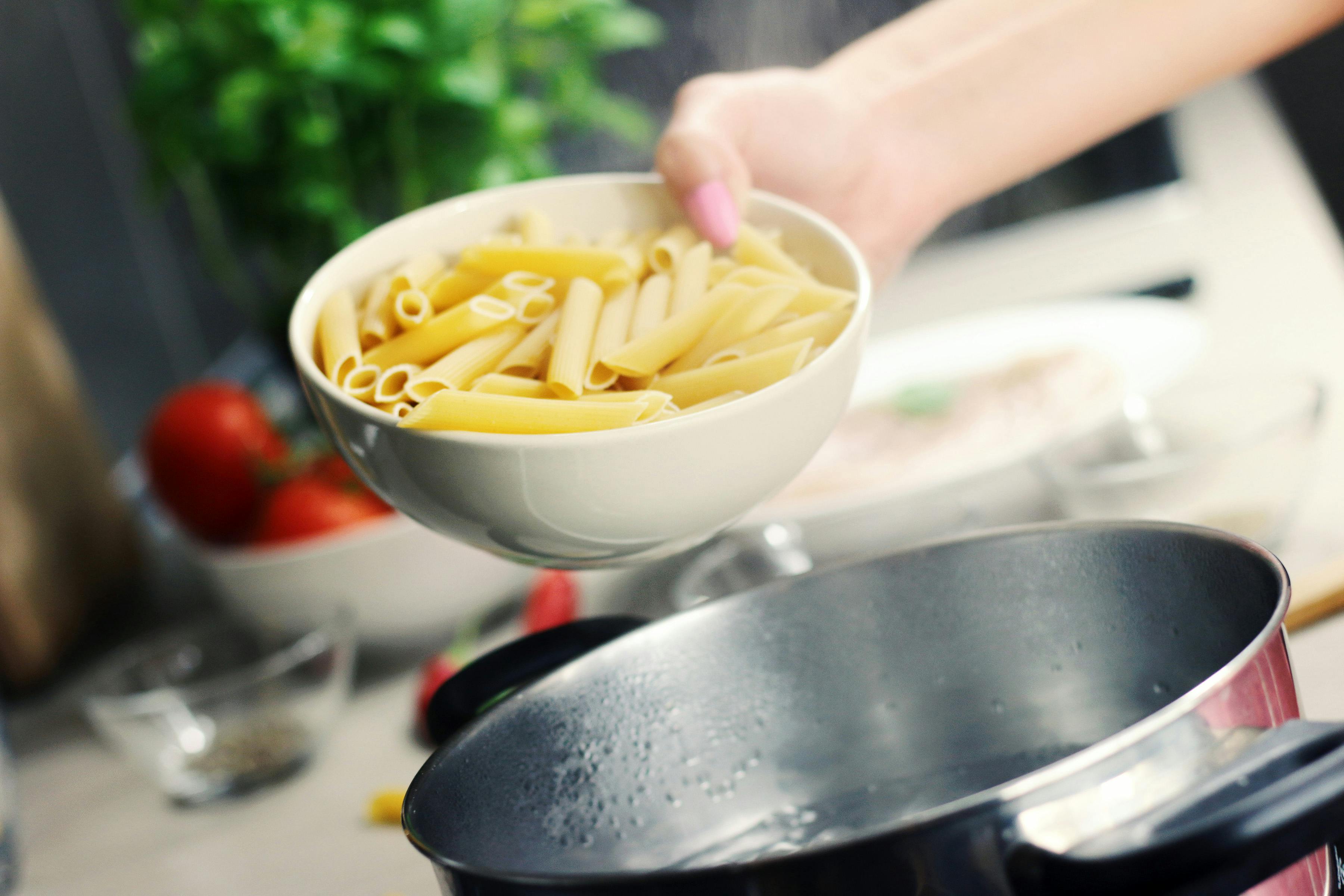
The biggest reason home cooks are skipping complicated recipes is simple: daily life leaves less room for them. Even people who enjoy cooking often do it between work meetings, school pickups, commuting, errands, and the general fatigue that builds by evening. A recipe that promises restaurant-level results but requires 90 minutes, three pans, and constant supervision can feel unrealistic before the first onion is chopped.
This shift is not just about being busy. It is about mental bandwidth. Cooking asks for decision-making, timing, memory, and multitasking, and those demands can feel heavier after a long day. Behavioral researchers have long noted that people are more likely to choose default options when mentally tired, which helps explain why shorter ingredient lists and straightforward instructions are winning. A meal that can be started with confidence is often more attractive than one that looks impressive on a screen.
The pandemic briefly pushed many people toward ambitious projects such as sourdough, laminated pastries, and long braises. But that period also taught home cooks a practical lesson: elaborate cooking is enjoyable only when time allows for it. Once routines normalized, many returned to dishes that fit ordinary weekdays. What remained was not a rejection of cooking itself, but a sharper awareness of which recipes work in real life.
Meal kit companies, grocery retailers, and food publishers have responded to this new reality by emphasizing speed and simplicity. Terms like "30-minute dinner," "one-pan," and "minimal prep" now appear everywhere because they match how people actually cook. In many households, success is no longer measured by complexity. It is measured by whether dinner gets made without turning the evening into another stressful task.
Digital Cooking Culture Rewards Ease Over Technique
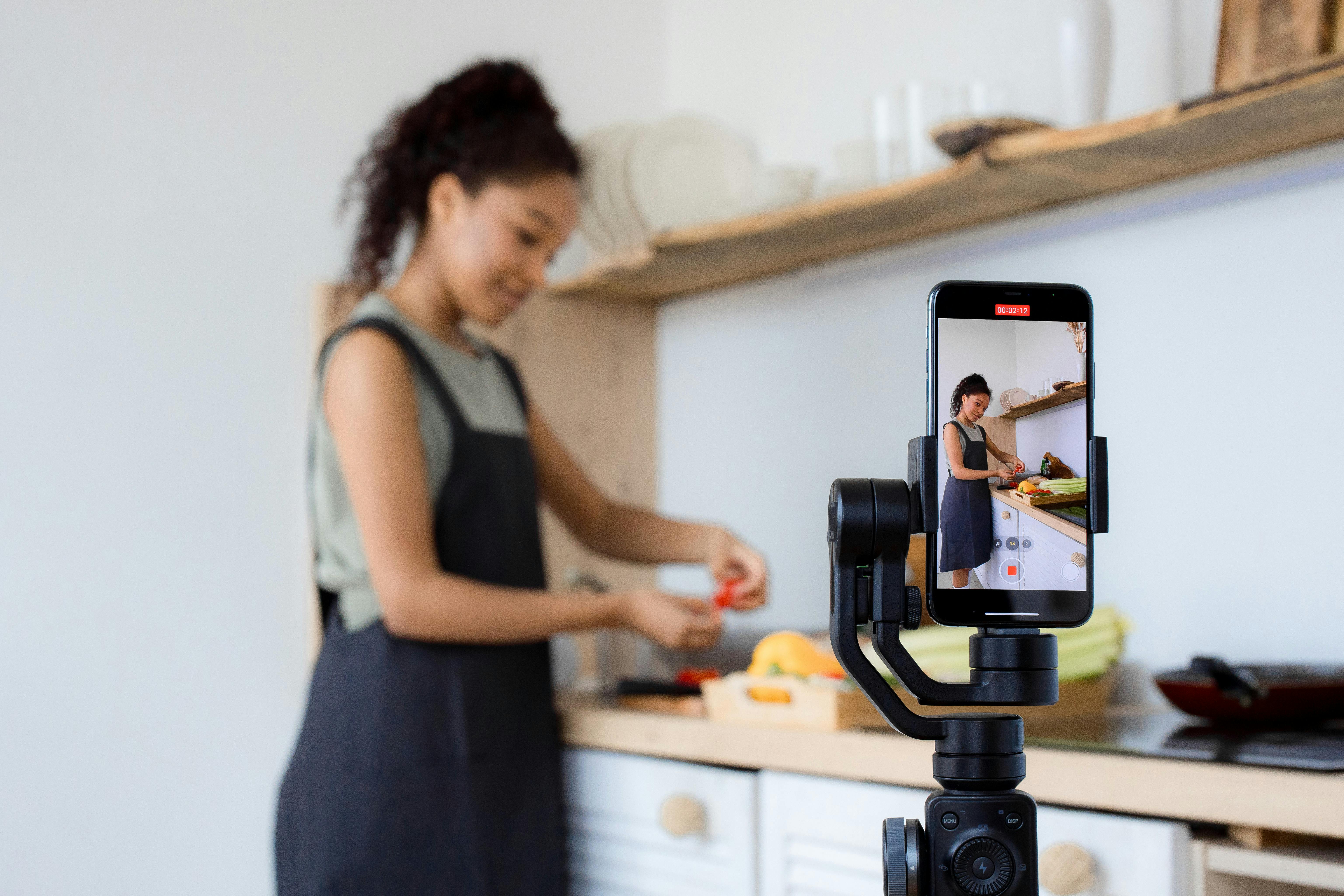
The modern home cook learns differently than previous generations did, and that change has had a major effect on recipe choices. Social platforms, short-form videos, and highly visual food content have trained audiences to expect speed, clarity, and immediate payoff. A recipe that can be understood in 45 seconds has a natural advantage over one that requires scrolling through dense instructions, specialized terminology, and multiple sub-recipes before the cooking even starts.
This does not mean people want shallow cooking advice. It means they want usable information. The most successful food creators today often explain techniques in plain language, show what texture should look like, and offer swaps without making the dish feel inferior. That approach lowers the barrier to entry. When cooks feel that a recipe welcomes them rather than tests them, they are far more likely to try it and save it for later.
Search behavior reflects this shift. Many people now look for recipes by constraint rather than aspiration: "easy dinner with ground beef," "cheap vegetarian meal," "air fryer salmon," or "what to make with spinach and eggs." These searches reveal what matters most in practice. Convenience, ingredient availability, and equipment fit often outrank authenticity or culinary ambition, especially on weeknights. The internet has made inspiration abundant, but it has also made filtering essential.
Food media has adapted accordingly. Major publishers increasingly feature weeknight-friendly collections, five-ingredient formats, and recipes labeled by effort level. Even chefs known for technique-heavy cuisine often present simplified home versions of their dishes. The message is clear: authority no longer requires complication. In today's digital cooking culture, a recipe earns trust not by showing off how advanced it is, but by proving that a normal person can make it successfully on a regular Tuesday.
Confidence Grows Faster With Repetition Than With Complexity
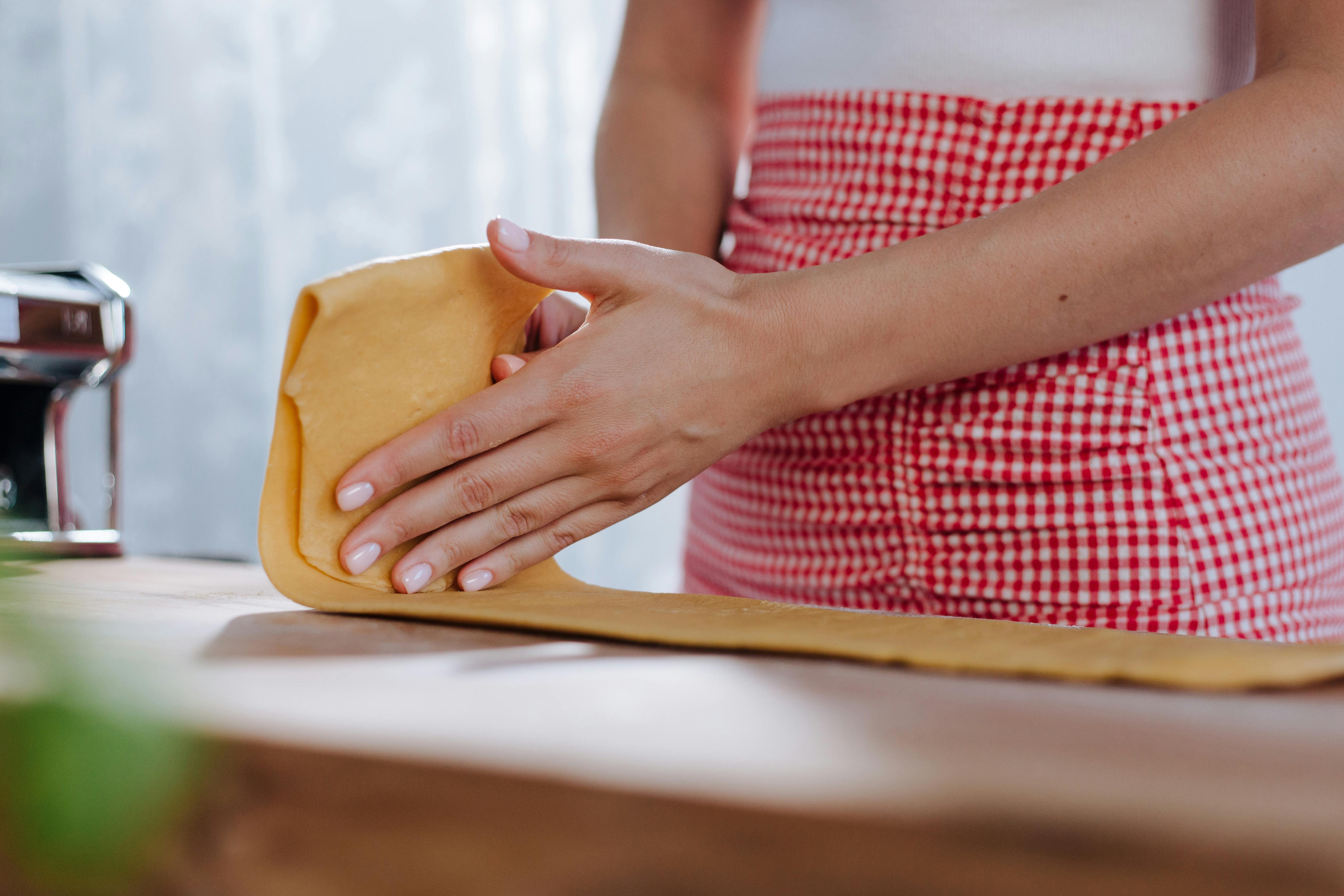
For many home cooks, complicated recipes do not build confidence. They interrupt it. When a dish includes unfamiliar methods, precise timing, and several points where things can go wrong, the cook may finish feeling drained rather than capable, even if the meal turns out well. Simpler recipes create a more reliable path to success, and repeated success is what actually turns occasional cooks into comfortable ones.
This is especially important for beginners and younger adults who did not grow up learning a wide range of kitchen skills at home. Many are teaching themselves through trial, video tutorials, and social media. In that environment, foundational cooking matters more than performance cooking. Learning how to roast vegetables properly, season beans, cook rice consistently, or build a quick pan sauce offers practical confidence that carries into dozens of future meals.
There is strong logic behind this. Educational research consistently shows that people retain skills better when they practice core actions repeatedly in slightly different contexts. In cooking, that means making variations of familiar meals can be more valuable than attempting a single dramatic project. A cook who masters soup, stir-fry, tacos, pasta, and sheet-pan dinners can feed themselves well with less stress than someone who occasionally attempts a difficult showpiece.
This helps explain why so many people now prefer "template cooking" over strict recipe following. They learn a basic formula, then swap ingredients based on taste, season, or what is already in the refrigerator. Grain bowl formulas, omelets, curries, roasted protein with vegetables, and simple pasta structures all support this style. It feels less like failing to follow a recipe and more like actually knowing how to cook. That psychological difference is one of the strongest reasons simple meals keep gaining ground.
Home Cooking Now Prioritizes Flexibility, Not Perfection
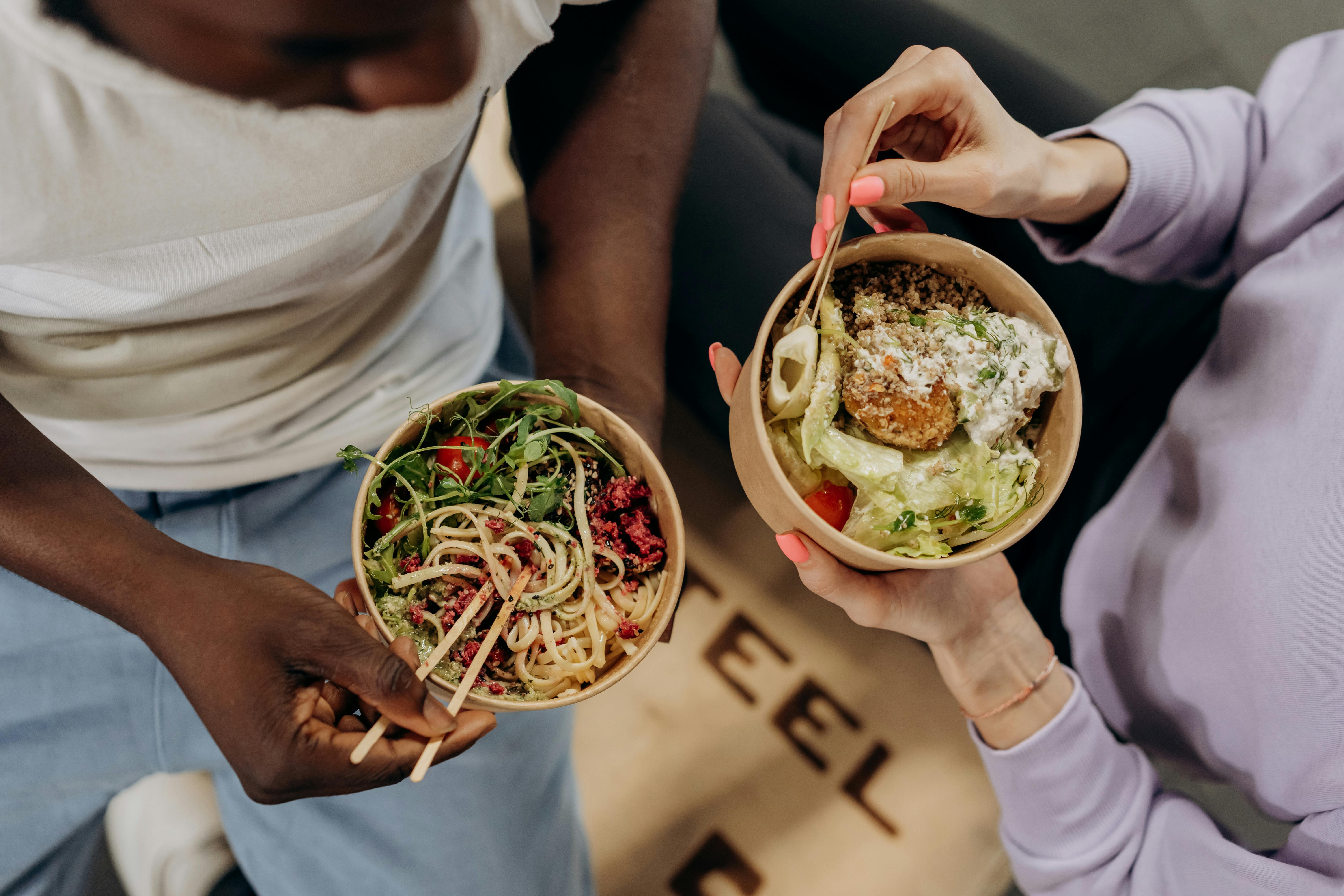
The cultural meaning of home cooking has changed in a noticeable way. For years, food media often celebrated perfection: glossy finishes, exact plating, rare ingredients, and labor-intensive methods that mirrored restaurant kitchens. Today, many home cooks are far less interested in that standard. They want food that tastes good, fits their schedules, and accommodates dietary needs, family preferences, and what is already in the pantry. Flexibility has become a mark of intelligence, not compromise.
That matters because many households are cooking for mixed needs. One person may want high protein, another may avoid dairy, and a child may reject anything too spicy or unfamiliar. A complicated recipe with no room for adjustment can quickly become more burden than joy. Simpler meals make customization easier. Grain bowls, taco nights, soups, baked pastas, and stir-fries can all be adapted without forcing the cook to make entirely separate dinners.
There is also less stigma now around shortcuts, and that shift is significant. Store-bought broth, frozen vegetables, rotisserie chicken, jarred sauces, prewashed greens, and canned beans are no longer seen by most cooks as signs of laziness. They are tools. Professional chefs have long relied on systems and prep efficiencies, and home cooks are finally giving themselves permission to do the same. Saving time on one step often makes the difference between cooking and ordering takeout.
This more forgiving mindset also reflects a healthier relationship with food and labor. Not every meal needs to be a project to be meaningful. A simple lentil soup, egg fried rice, or baked salmon with potatoes can be deeply satisfying without demanding culinary heroics. More people now understand that consistency is more valuable than spectacle. In practical terms, that means the best recipe is often the one that can survive substitutions, interruptions, and the unpredictable rhythm of everyday life.
Simpler Recipes Are Better Aligned With How People Actually Live

In the end, the move away from complicated recipes is not a decline in standards. It is a realistic adjustment to modern life. Most people want home cooking that supports their routine instead of dominating it. That means recipes need to be repeatable, affordable, forgiving, and satisfying enough to become part of a real rotation rather than a one-time weekend challenge.
This shift also reflects a broader understanding of what makes cooking sustainable over time. Habits last when they are convenient enough to maintain. Nutrition experts often point out that the healthiest meal pattern is not built on occasional bursts of effort, but on regular meals that people can keep making. The same principle applies to home cooking as a whole. Simplicity encourages consistency, and consistency is what delivers long-term value.
There is still a place for ambitious cooking. Holiday meals, special occasions, and slow weekends will always invite more elaborate dishes, and many people genuinely enjoy the craft of tackling a complex recipe when the moment is right. But those meals are now the exception rather than the expectation. The everyday center of home cooking has shifted toward recipes that solve problems instead of creating new ones.
That is why simpler cooking continues to gain momentum. It respects limited time, protects budgets, reduces waste, builds confidence, and fits the tools and habits people already use. Most of all, it recognizes a truth that experienced cooks have always known: good food does not have to be complicated to be excellent. In today's kitchens, practicality is not the enemy of pleasure. It is what makes home cooking possible in the first place.