Cooking at home is no longer a niche habit or a pandemic leftover. In 2026, it became a practical, everyday choice for many Canadians.
Food costs are still shaping household decisions

The biggest reason many Canadians are cooking more often is simple: restaurant meals remain expensive. Even as inflation has cooled from earlier peaks, menu prices have stayed high across much of the country. Statistics Canada has repeatedly shown that food purchased from restaurants has risen faster over time than many households expected, especially when taxes, delivery fees, and tips are added.
For families comparing a takeout order with a grocery trip, the math is hard to ignore. A meal that can cost $60 to $90 from a casual restaurant or delivery app can often be recreated at home for a fraction of that amount. This is especially true for pasta, rice bowls, soups, breakfast foods, roasted chicken, and other staples that scale well for families.
Private-label groceries, warehouse club shopping, and discount banners have also made home cooking more flexible. Many shoppers now build weekly menus around flyers, loyalty offers, and reduced-price proteins. That kind of price awareness has helped normalize batch cooking, leftovers, freezer meals, and slower, more deliberate shopping habits.
Economists and consumer analysts have noted that when people feel uncertain about housing costs, interest rates, or job stability, they tend to cut spending in visible categories first. Dining out is one of them. Cooking at home gives households a stronger sense of control, and in an unpredictable economy, control matters.
Health concerns are pushing people back into the kitchen

Nutrition is another major factor behind the shift. Many Canadians are paying closer attention to sodium, sugar, saturated fat, and portion size than they did a few years ago. Home cooking makes it easier to manage all four, especially for people dealing with high blood pressure, diabetes risk, food sensitivities, or fitness goals.
Public health messaging has also played a role. Dietitians and health organizations continue to stress that meals built around vegetables, whole grains, legumes, and lean proteins are easier to prepare consistently at home than to find affordably in restaurants. A 2024 study in Canada and other developed markets found that people who cooked more often tended to report better diet quality and lower reliance on ultra-processed foods.
Parents are part of this movement as well. Many are trying to reduce how often children eat heavily processed snacks, sugary drinks, and fast food. Packing lunches, preparing simple dinners, and involving kids in meal prep has become both a health strategy and a routine-building exercise for busy households.
There is also a growing awareness that healthy eating does not have to mean elaborate recipes. Sheet-pan dinners, lentil soups, overnight oats, grain bowls, and air-fryer vegetables have become mainstream. The appeal is not perfection. It is making meals that are affordable, filling, and easier to trust.
New kitchen habits are making home cooking easier

Canadians are not just cooking more because they want to. They are also doing it because it has become easier than it used to be. Grocery pickup, better meal planning apps, improved food storage products, and more reliable kitchen appliances have reduced the friction that once pushed people toward takeout.
The rise of the air fryer is one of the clearest examples. It has helped many households cook quick meals with less oil and less cleanup. Slow cookers, rice cookers, pressure cookers, and induction ranges are having a similar effect. These tools make weeknight cooking feel less like a chore and more like a manageable part of the day.
Social media has changed cooking behavior too, but not always in the flashy way people assume. In 2026, many users follow practical creators who focus on budget meals, freezer prep, high-protein lunches, and realistic family cooking. Instead of restaurant-style plating, the most useful content often shows how to feed four people on a limited budget with ingredients from a regular Canadian supermarket.
Meal kits have also matured. While not always cheaper than groceries, they have helped some consumers build confidence and technique. After learning a few core methods, many households move on to buying ingredients themselves and repeating the same meals at lower cost.
Canadian identity and local food culture matter too

There is also a cultural side to this shift. Cooking at home has become a way for many Canadians to reconnect with family traditions, regional ingredients, and community identity. In a country shaped by immigration and diverse food cultures, home kitchens often serve as the place where recipes, language, and family memory are passed down.
This matters in practical ways. A pot of dal, tourtière, stew, congee, bannock, cabbage rolls, or baked salmon can be more than dinner. It can be a low-cost, high-value meal that reflects heritage and uses familiar methods. As grocery prices have pushed people to think carefully about where value comes from, many have rediscovered dishes that have always been economical, adaptable, and filling.
Local food trends have reinforced that interest. Farmers' markets, community-supported agriculture, and seasonal buying remain important in many regions, especially where consumers want fresher produce or want to support nearby growers. In provinces with strong fishing, farming, or ranching traditions, cooking at home is also tied to buying Canadian ingredients and reducing dependence on expensive prepared foods.
Food writers and chefs across the country have noted that Canadians increasingly want meals that feel personal, not generic. Home cooking answers that need better than chain dining or app-based delivery. It gives people the chance to eat in ways that reflect who they are, not just what is fastest.
Home cooking now fits how people want to live
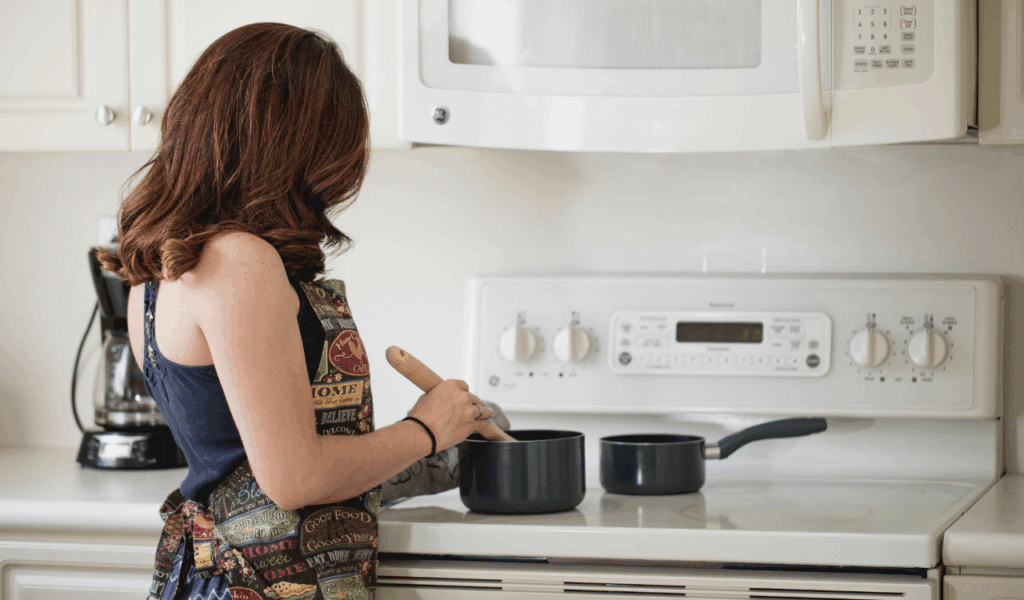
Perhaps the clearest explanation for the 2026 shift is that home cooking aligns with broader lifestyle changes. Many Canadians want routines that are more intentional, less wasteful, and better suited to hybrid work, family schedules, and personal wellbeing. Cooking at home supports all of those goals at once.
For remote and hybrid workers, the home kitchen has become part of the workday. Lunch is no longer automatically bought near the office, and dinner does not always need to be rushed after a commute. That change alone has increased the number of meals people can realistically prepare for themselves during the week.
There is also the issue of waste. Households that cook regularly are often more conscious of using leftovers, freezing extra portions, and repurposing ingredients across several meals. A roast chicken can become soup, sandwiches, and pasta. That kind of efficiency appeals to consumers who care about both budget and sustainability.
None of this means restaurants are disappearing from Canadian life. People still go out for celebration, convenience, and social connection. But in 2026, home cooking has regained ground because it solves several problems at once: cost, health, routine, and quality. For many Canadians, the kitchen is not just where food is made. It is where smarter living begins.