Japanese meat often leaves people with the same reaction: the texture feels softer, the fat tastes sweeter, and the whole experience seems unusually precise. That difference is not a myth, but the result of genetics, feeding programs, grading systems, butchery traditions, and the way the meat is cooked and served. This gallery breaks down the real reasons Japanese meat stands apart, in clear and practical terms.
It starts with breed, not just branding
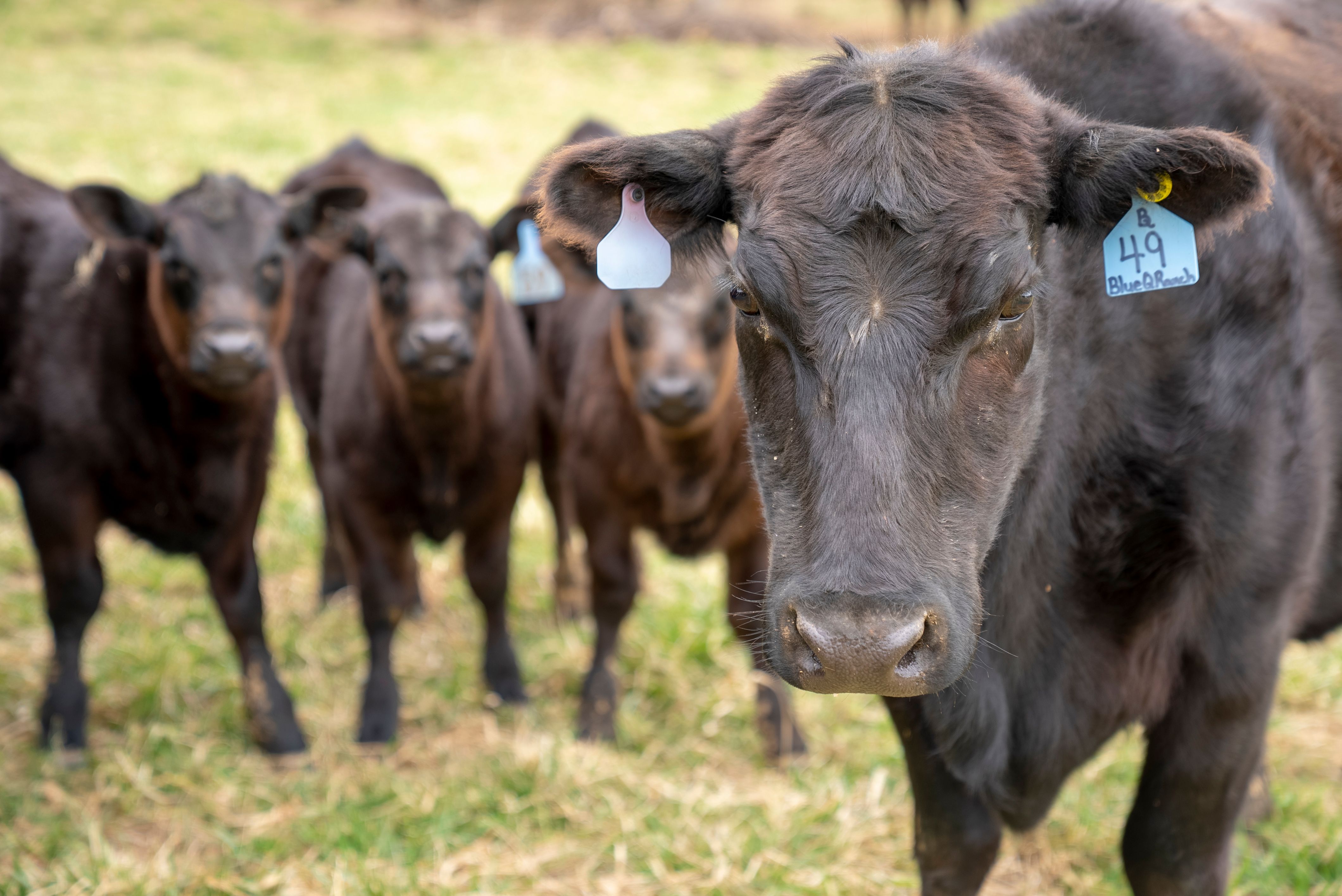
The first big difference is genetic. In Japan, the most famous beef comes from Wagyu cattle, a term that refers to specific Japanese breeds with a natural tendency to develop intense intramuscular fat, the fine marbling seen threaded through the muscle. That built-in trait creates a texture many people describe as buttery rather than simply tender.
Not all Japanese beef is Wagyu, and not all Wagyu is the same. Japanese Black cattle are especially prized because they produce the highest marbling potential. Regional labels like Kobe, Matsusaka, and Omi add another layer, but those names sit on top of breed standards, strict traceability, and production rules that help explain why the meat feels so distinct from many Western cuts.
Marbling changes the whole eating experience

What many diners notice first is not the flavor but the way the meat moves in the mouth. Japanese beef often contains very fine, evenly distributed marbling, which melts at a relatively low temperature. That gives the meat a rich, soft sensation that feels different from leaner steaks with a fat cap around the edges.
In many countries, tenderness is often linked to aging, cut selection, or cooking skill. In Japan, marbling itself plays a starring role. As the fat melts, it coats the muscle fibers and carries flavor across the palate. The result can feel almost creamy, which is why a small slice of highly marbled beef can seem more satisfying than a larger, leaner portion.
Feeding programs are designed for consistency
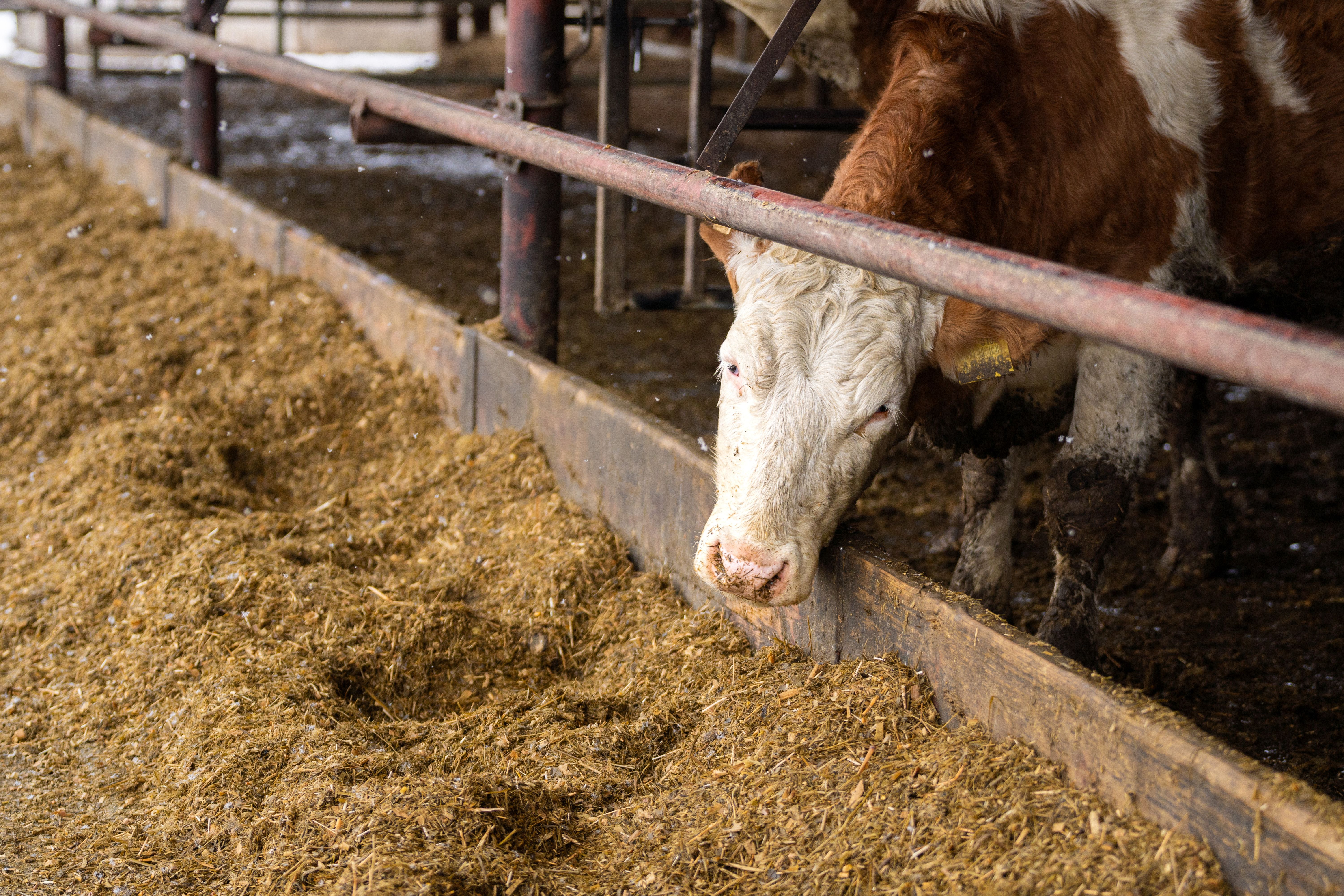
Another reason Japanese meat feels different is the level of control in how animals are raised and fed. Producers often use carefully managed feeding programs over long periods, with rations that may include rice straw, corn, barley, and other grains. The goal is not speed alone but steady growth, even fat distribution, and predictable meat quality.
That patience matters. Longer feeding periods can help develop the dense marbling that Japanese beef is known for, but consistency is just as important as richness. Farmers track animal health, stress, and body condition closely, because small changes can affect texture and fat quality. When people talk about Japanese beef feeling refined, this kind of management is a big part of what they are noticing.
Japanese grading is unusually strict
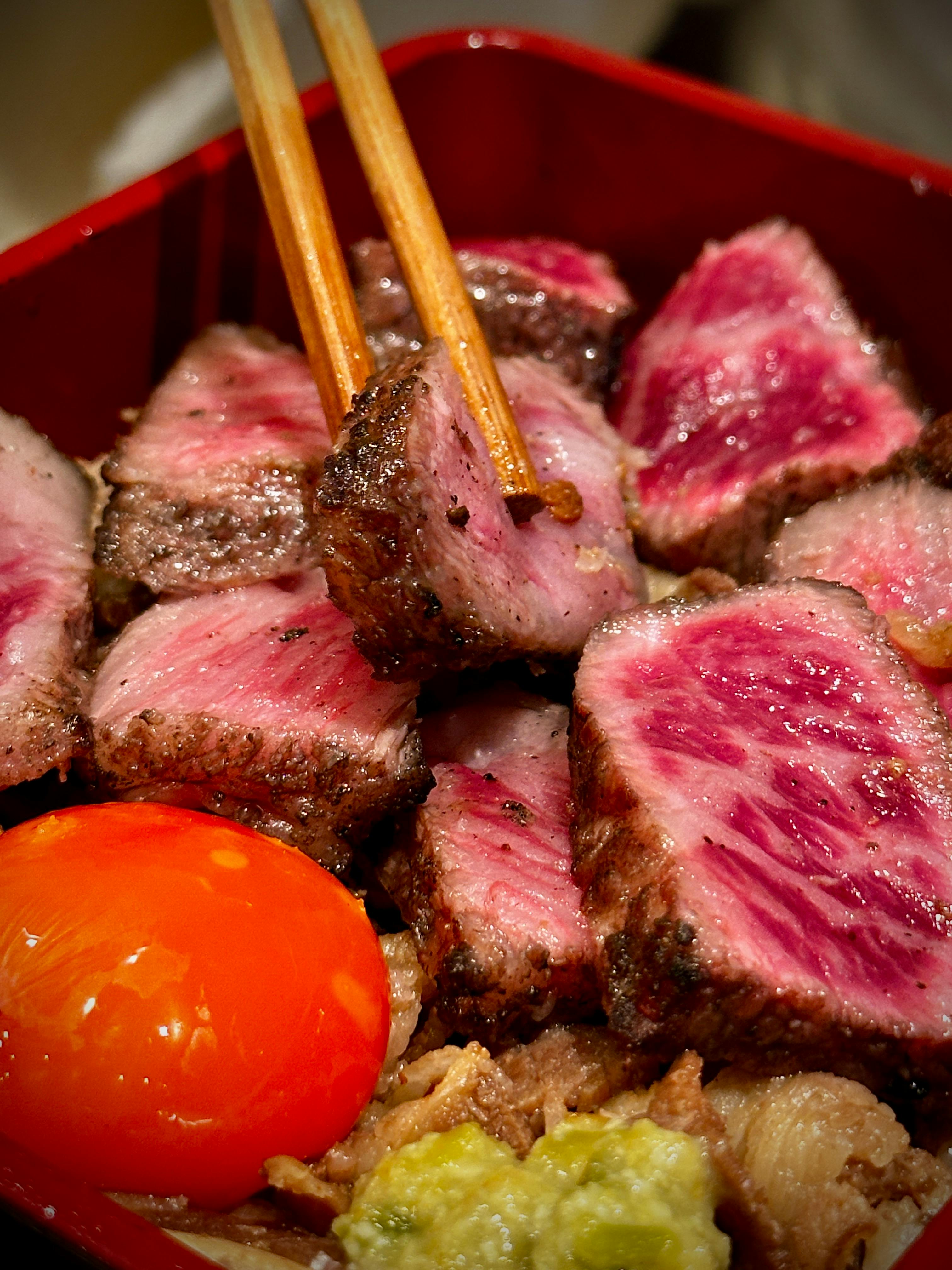
Japan's grading system gives buyers a highly detailed picture of what they are getting. Beef is evaluated for yield and quality, and the quality side looks closely at marbling, meat color, fat color, firmness, and texture. The famous A5 grade combines strong yield with top quality scores, which is one reason the label carries such weight.
That kind of grading shapes expectations from farm to restaurant. In many markets, premium beef can still vary widely from one supplier to another. In Japan, the standards are far more codified, so chefs and customers can speak a common language about quality. When the meat feels unusually uniform from bite to bite, strict grading is one of the hidden reasons behind it.
Butchery favors precision over bulk
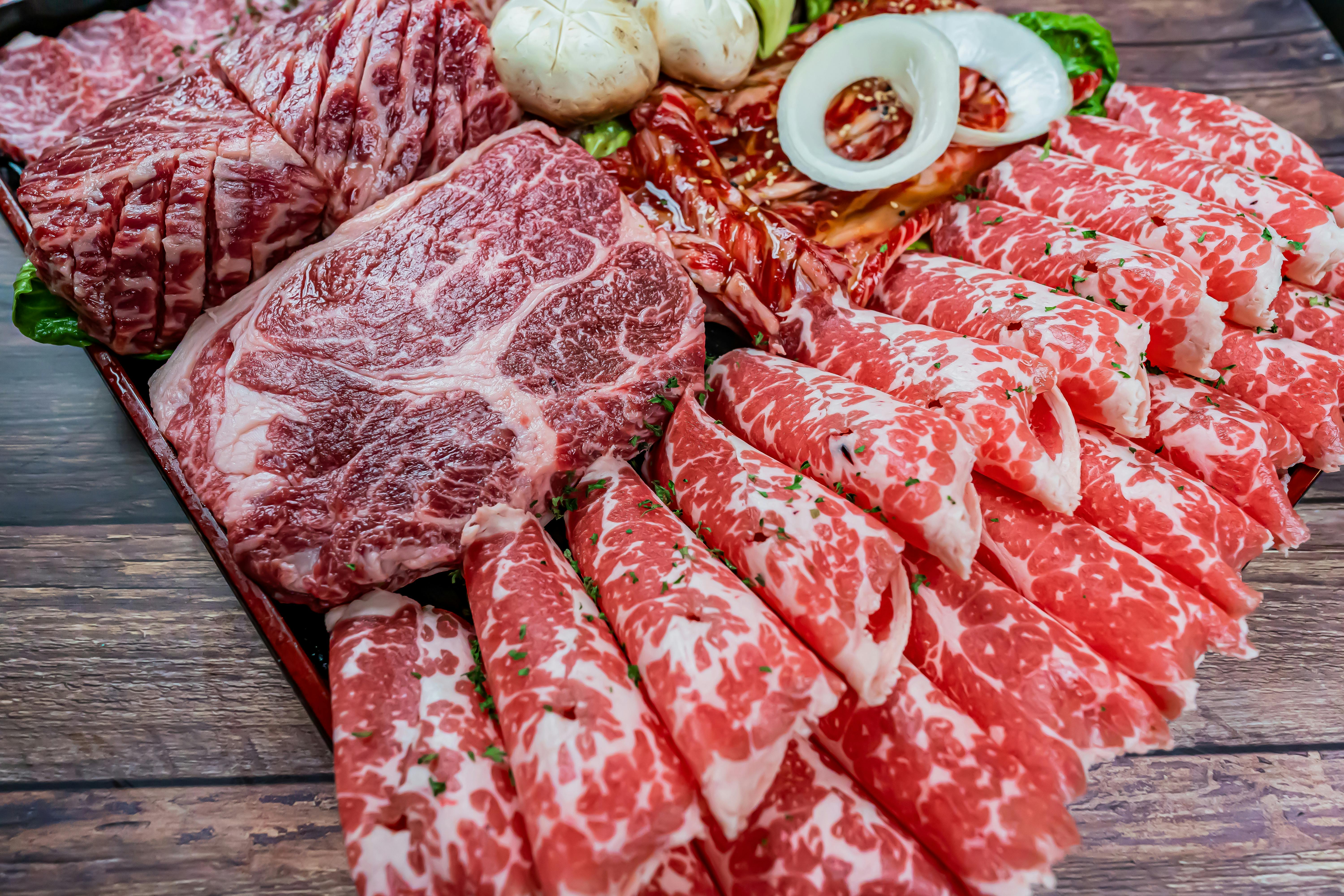
Japanese butchery often treats beef less like a single large steakhouse product and more like a collection of highly specific textures. Different muscles are separated and used with real intention, whether for yakiniku, shabu-shabu, sukiyaki, or thick-cut steaks. That precision means the same animal can offer very different eating experiences depending on how a cut is trimmed and sliced.
Thickness matters more than many people realize. A paper-thin slice of richly marbled beef can feel delicate and almost silky, while a thicker cut emphasizes juiciness and chew. Japanese preparation often matches cut, fat content, and cooking method very carefully. That attention can make the meat seem more refined than the larger, more generalized cuts common in other parts of the world.
Cooking methods are built around fat quality

One reason Japanese meat tastes different is that it is often cooked in ways that highlight its fat instead of fighting it. Yakiniku grills small pieces quickly, shabu-shabu swishes thin slices through hot broth, and sukiyaki cooks beef gently with sauce and vegetables. These methods let the marbling soften without forcing diners through a heavy, oversized portion.
That approach is especially important with high-grade Wagyu. A thick Western-style steak can be delicious, but very rich beef can become overwhelming if served too large or cooked too long. Japanese styles are often designed to keep each bite balanced. The fat has room to melt, the meat stays tender, and the eater notices sweetness and aroma rather than just sheer richness.
Flavor is shaped by fat, aroma, and balance
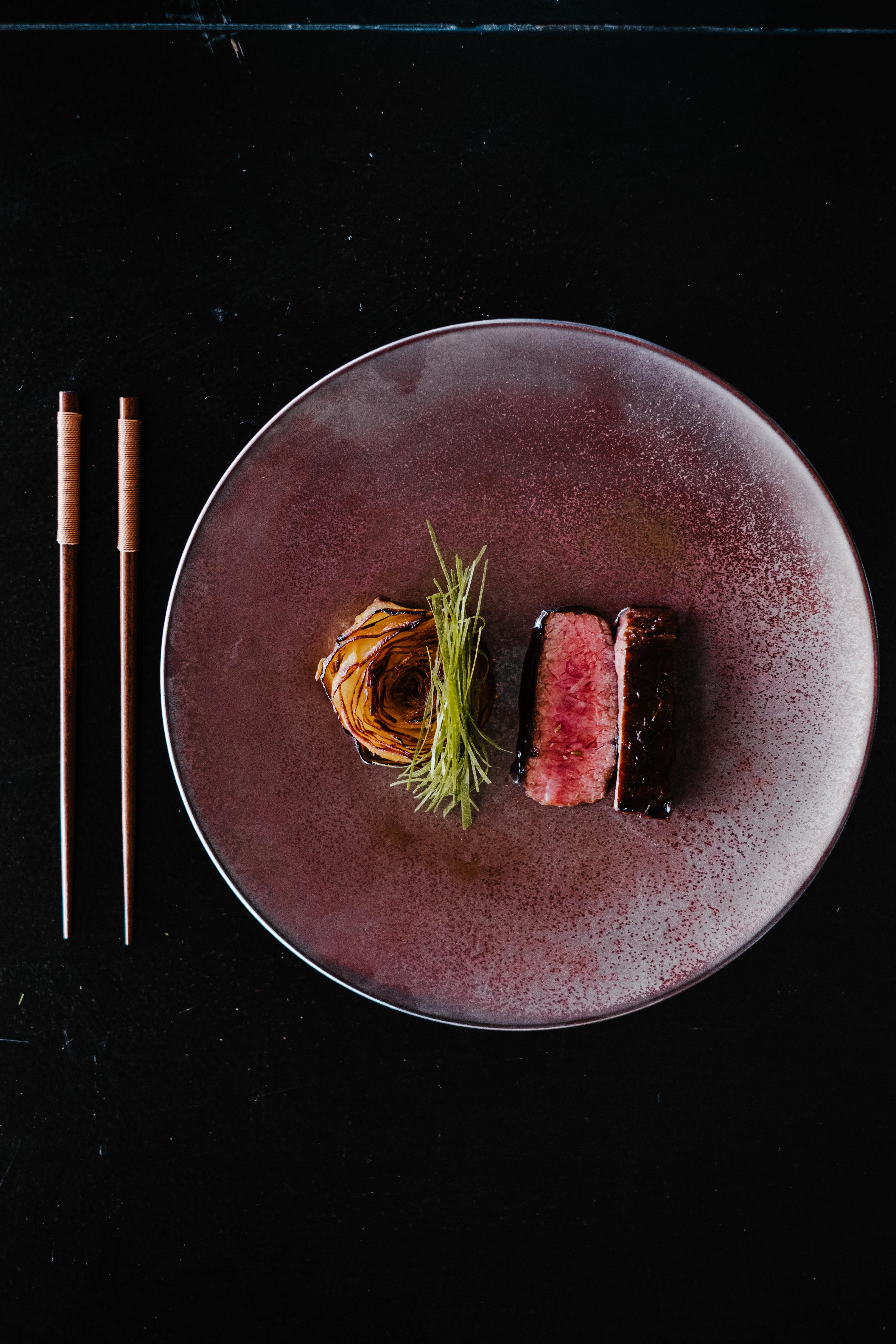
People often assume Japanese meat is only about tenderness, but flavor is a major part of the story. Wagyu fat has a reputation for a sweet, mellow taste, and many chefs point to its aroma as one of its most distinctive traits. The experience is less about aggressive beefiness and more about richness, fragrance, and a clean finish.
That is one reason the side dishes matter so much. Salt, wasabi, tare sauce, rice, pickles, and lightly dressed vegetables help frame the meat instead of covering it. In many Western settings, steak is paired with bold crusts, butter, or heavy sauces. Japanese service often aims for contrast and restraint, which makes the meat feel more nuanced and, to many diners, more luxurious.