Healthy eating is not going away. But the way people define it is changing fast.
The old idea of "healthy" no longer feels precise enough

For years, healthy eating trends were framed in simple terms: low-fat, low-carb, high-protein, plant-based, organic, clean, or natural. Those labels helped people make quick choices, but they also encouraged an overly narrow view of nutrition. A food could fit a trend and still be nutritionally weak, heavily processed, or poorly matched to a person's real needs. That gap is one reason many once-popular rules are now being reexamined.
Nutrition science has also become harder to reduce to slogans. Researchers now speak more often about dietary patterns than single ingredients, because health outcomes are shaped by the overall mix of foods people eat over time. A 2024 study may highlight the benefits of fiber, fermented foods, or unsaturated fats, but those benefits do not mean every product containing one "good" ingredient is automatically healthy. Consumers are increasingly learning that context matters: portion size, processing level, added sugar, sodium, and frequency of consumption all influence the result.
The phrase "food as medicine" has helped drive positive change by encouraging people to view diet as part of long-term well-being. According to reporting and industry analysis summarized by Tastewise, this mindset has pushed more shoppers toward functional foods, whole ingredients, and products linked to gut health, immunity, and daily performance. Yet the popularity of functional eating has created a second problem: products can now be marketed around one attractive health promise while distracting from the rest of the nutrition label.
This is why healthy eating trends are being revisited rather than abandoned. People are not losing interest in health. They are becoming more skeptical of shortcuts and broad claims. Instead of asking whether a food is simply "clean" or "plant-based," more shoppers now want to know how it was made, what it actually contains, and whether it supports real health instead of just fitting an identity. That shift marks a more mature stage in the public conversation, one where trust has to be earned with evidence, not just packaging language.
Consumers want transparency, but marketing often outpaces understanding

One of the strongest forces reshaping food choices is the demand for transparency. Shoppers increasingly read labels, compare ingredient lists, and look for products with fewer additives or more recognizable components. Clean labels have become a major selling point because they suggest honesty, simplicity, and better quality. But the clean-label movement has also shown how easily perception can outrun science.
Terms like "natural," "wholesome," and "made with real ingredients" are powerful in advertising because they sound reassuring, even when they have no consistent nutritional meaning. A cereal bar can be promoted as natural and still contain high levels of added sugar. A beverage can highlight botanical ingredients while delivering little nutritional value. This tension helps explain why consumers are reexamining healthy eating trends with a sharper eye. They are starting to see that health branding and health outcomes are not always the same thing.
Tastewise notes that food advertising remains a major influence on what people buy, and brands increasingly use messaging around digestive health, plant-based eating, and functional nutrition. That reflects real consumer demand, but it also creates a crowded environment full of competing promises. One package emphasizes protein, another gut health, another seed oils, another sugar alternatives. The result is not always empowerment. Often, it is confusion. Many consumers now feel they have more nutrition information than ever, yet less clarity about what truly matters.
Social media has intensified this pattern. Wellness creators can popularize ingredients, demonize entire food groups, or turn niche habits into mainstream rules within weeks. Some advice is useful and evidence-based, but much of it is selective, exaggerated, or detached from normal daily eating. Foods become moralized as "good" or "bad," and nuance disappears. That makes people more likely to chase trends than build sustainable habits.
The reexamination happening now is, in many ways, a correction. Consumers still want better ingredients and more accountability from brands. But they are also recognizing that transparency requires more than front-of-package claims. It requires education, consistent standards, and a willingness to look past trend language to the full nutritional picture.
Science, personal biology, and daily life rarely fit trend-driven eating

One reason broad healthy eating trends are losing some authority is that nutrition is highly individual. Two people can follow the same eating pattern and get different results based on age, genetics, activity level, medical history, stress, sleep, and access to food. A high-protein diet may help one person feel full and support muscle maintenance, while another person may benefit more from increased fiber, more balanced carbohydrates, or a less restrictive routine. This does not mean science is unreliable. It means simplified trends often leave out the conditions that determine whether advice works in real life.
Interest in gut health offers a clear example. It is one of the strongest drivers in modern food marketing, and for good reason. Research has linked the gut microbiome to digestion, immunity, inflammation, and even mental well-being. That has encouraged demand for yogurt, kefir, kimchi, prebiotic sodas, fiber blends, and other functional products. But gut health is not improved by one "miracle" item alone. It depends on broader dietary patterns, including fiber diversity, overall food quality, and consistency over time.
Plant-based eating shows a similar tension. Many consumers choose it for personal health, environmental reasons, or both. In many cases, eating more beans, lentils, vegetables, nuts, and whole grains is associated with better long-term outcomes. Yet the plant-based boom also produced a wave of ultra-processed alternatives that were marketed as automatically healthier because they were meat-free. That assumption is now being questioned. Consumers have become more aware that a plant-based label does not tell the whole story about sodium, additives, or overall nutrient quality.
Economic and practical realities also matter more than trends often admit. Healthy eating advice can become detached from ordinary budgets, schedules, and cooking skills. A plan that depends on expensive specialty products or time-intensive meal prep may be inspiring online but unsustainable for families managing work, caregiving, and food prices. Reexamining healthy eating trends means asking not only whether a recommendation is nutritionally appealing, but whether it is realistic enough to last.
This is where the conversation is becoming healthier. Instead of chasing idealized food identities, more experts are emphasizing flexible frameworks: more whole foods, more fiber, more variety, fewer ultra-processed staples, and habits people can maintain. The reevaluation is not anti-health. It is anti-oversimplification.
The backlash against ultra-processed foods is changing the discussion

Perhaps the biggest reason healthy eating trends are being reconsidered is the growing concern about ultra-processed foods. For years, health marketing could focus on isolated positives such as extra protein, added vitamins, or reduced sugar, while ignoring the broader question of how industrially formulated a product had become. Now that issue is moving to the center of public debate.
Ultra-processed foods are not simply packaged foods. They are products often made with refined substances, additives, flavor systems, stabilizers, and manufacturing methods designed for convenience, shelf life, and hyper-palatability. Research has increasingly associated high intake of these foods with obesity, type 2 diabetes, cardiovascular problems, and poorer overall diet quality. That does not mean every processed food is harmful, nor that all home-cooked food is automatically superior. But it has forced a more serious conversation about what "healthy" means in practice.
This matters because many trend-driven products were built to satisfy a single nutrition demand while remaining heavily engineered. A snack could be keto-friendly yet low in fiber and high in saturated fat. A protein dessert could be low in sugar but full of stabilizers and sweeteners. A fortified breakfast drink could contain a long ingredient list that looks more like formulation than food. These products often meet a marketing goal better than a health goal. Consumers are beginning to notice.
According to Tastewise, real-time consumer behavior shows rising interest in minimally processed foods, whole ingredients, and nutrition-focused solutions. That signals a meaningful shift away from the idea that health can be manufactured mainly through claims. People still value convenience, but they increasingly want convenience without losing trust. This is pushing food companies to rethink product development, sourcing, and labeling strategies.
Restaurants are feeling the same pressure. Nutrition-forward menus, plant-based dishes, and functional ingredients are more common, but diners are also questioning whether menu language reflects substance. A grain bowl can be balanced and nourishing, or it can be a sodium-heavy mix sold under wellness language. Reexamination has made consumers more alert to these differences.
The deeper issue is credibility. The backlash against ultra-processed foods is not just about ingredients. It is about whether the food industry can align innovation with genuine health outcomes instead of cosmetic health positioning.
Reexamining trends may lead to a smarter, more realistic model of eating
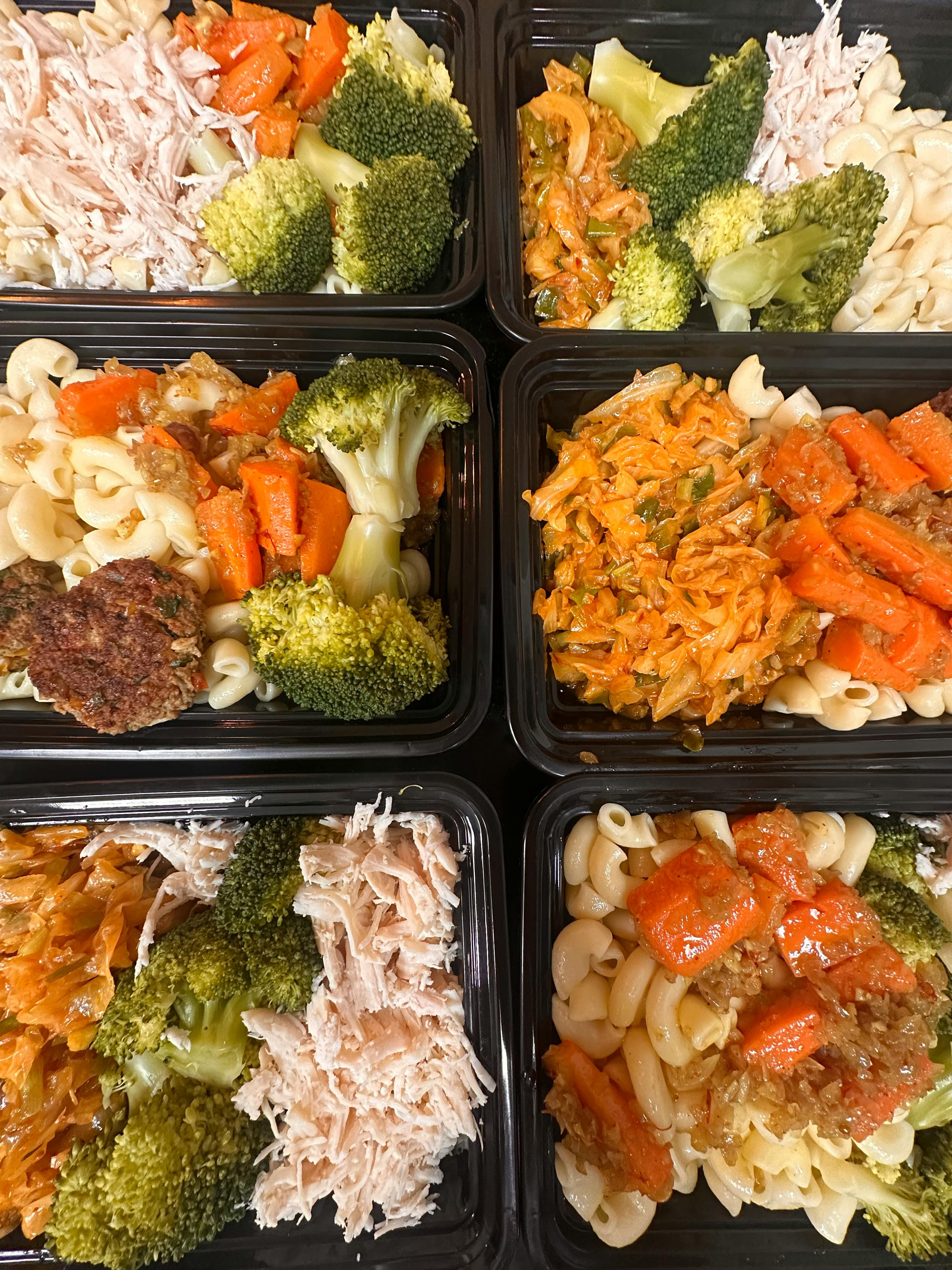
The most constructive outcome of this reassessment is that it may produce a better public understanding of nutrition. Healthy eating is becoming less about loyalty to one trend and more about asking stronger questions. Does this food support long-term health? Is it satisfying, affordable, and practical? Can I eat this way consistently? That shift may sound modest, but it represents a major cultural correction.
Education is central to that change. Tastewise highlights the importance of helping consumers navigate labels, ingredients, and functional claims with clearer guidance. Without that support, people can easily misunderstand product language or become overwhelmed by conflicting messages. Better education does not mean turning everyone into a nutrition expert. It means giving people simple, credible tools to judge foods more accurately and resist misleading shortcuts.
There is also an economic dimension. Demand for healthier foods has expanded innovation, product reformulation, and supply chain investment across the food market. Preventive nutrition can reduce healthcare burdens over time, especially as chronic diseases such as obesity, diabetes, and heart disease remain major public health concerns. But if the market rewards hype more than substance, those gains become harder to realize. Reexamining healthy eating trends is partly a market correction that pushes businesses to compete on quality and trust, not just trend alignment.
A smarter model of eating is likely to be less glamorous than social media makes wellness look. It may involve ordinary foods more often than superfoods: beans, oats, yogurt, eggs, leafy greens, fruit, nuts, frozen vegetables, soups, and balanced meals prepared repeatedly rather than perfectly. It may also allow room for convenience and enjoyment without pretending every packaged item is a health solution. That kind of realism is often missing from trend cycles, but it is far more durable.
In the end, healthy eating trends are being reexamined because people still care deeply about health. They simply want a definition that is more evidence-based, more transparent, and more compatible with real life. That is not a retreat from nutrition progress. It is the next step in making it more honest and more useful.