
A snack drawer seems like a small domestic detail. In practice, it has long worked like a low-stakes X-ray of who someone is.
The snack drawer has always been a map of priorities

Long before personality quizzes filled social feeds, people were reading each other through ordinary household habits. The snack drawer stood out because it combined impulse and planning in one place. A neatly arranged drawer with protein bars, almonds, dried fruit, and portioned crackers suggests foresight and control. A drawer packed with sour gummies, novelty chips, and half-open chocolate points to spontaneity, comfort-seeking, or a taste for variety.
Consumer researchers have long treated food choices as signals, not just purchases. Grocery data consistently shows that people buy snacks according to routine, income, household structure, and time pressure. A parent with school-age children often stocks portable, individually wrapped items for speed and predictability. A remote worker may favor shelf-stable snacks that reduce midday interruptions. The drawer becomes a condensed record of daily constraints.
Even the absence of a snack drawer says something. Some people reject the idea because they fear mindless eating, prefer fresh food, or dislike clutter. Others treat snacks as social tools, keeping extras for visitors, coworkers, or family members. In both cases, the choice reflects values about control, hospitality, health, and convenience.
That is why the snack drawer became such a strong personality marker. It is private enough to feel honest, yet visible enough to be interpreted. Unlike a staged bookshelf or curated playlist, it tends to reveal the unedited version of someone's habits.
What people stock reveals more than taste
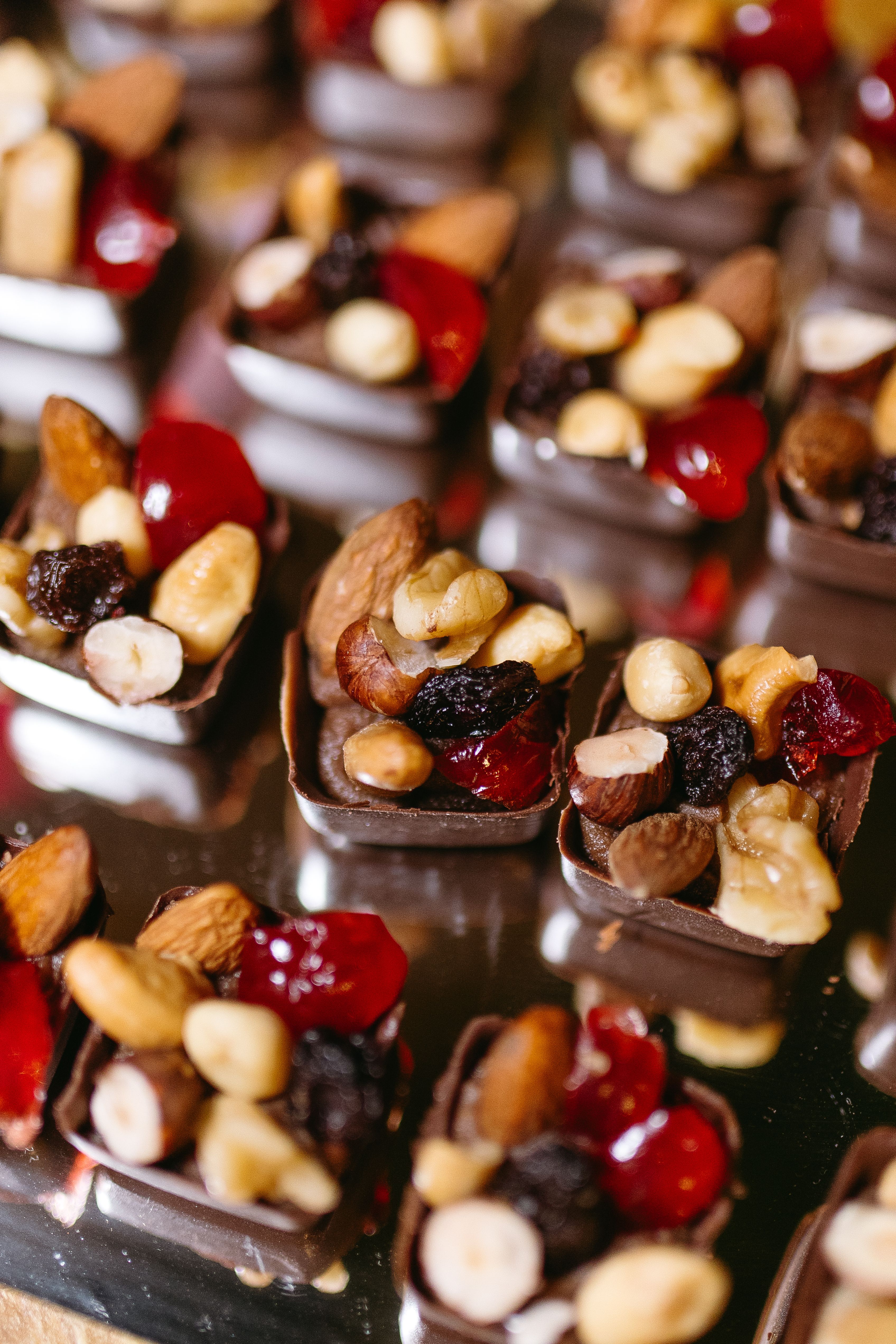
Taste matters, but snack selection often says more about behavior than flavor. Someone who keeps sweet, salty, crunchy, and healthy options side by side is usually planning for moods rather than cravings alone. That variety suggests emotional awareness and decision management. The person understands that hunger changes across the day, and they stock accordingly.
Behavioral nutrition experts often note that food environments shape choices more than intention does. If roasted nuts are placed front and center, they get eaten more often. If candy is the easiest option, candy wins. A drawer full of carefully sorted snacks can therefore indicate someone who engineers their environment to support discipline. A chaotic drawer, by contrast, may show a person who tolerates disorder or simply prioritizes convenience over control.
Brand choice also sends signals. Premium dark chocolate, imported crackers, and niche wellness snacks can project status, education, or identity. Value brands, bulk packs, and practical staples may suggest budget discipline or indifference to image. Neither is inherently better, but both communicate something about how a person wants to live, or be seen.
Then there is nostalgia. Fruit snacks from childhood, classic peanut butter crackers, or the exact chips someone grew up with often survive every health trend. These items can indicate that the drawer serves a psychological purpose beyond hunger. It becomes a small archive of comfort.
The workplace snack drawer turned private habits into public identity
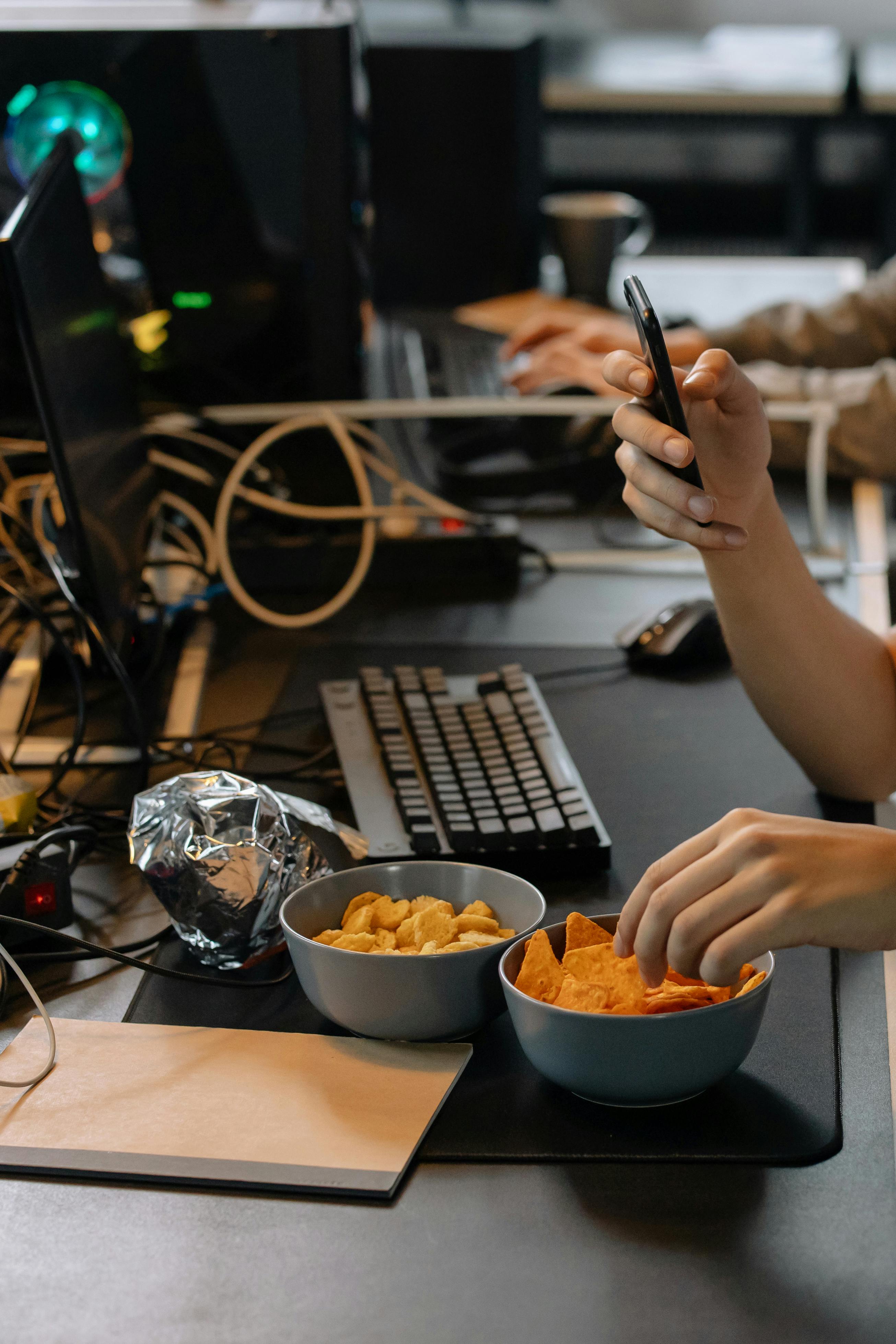
At work, the snack drawer took on a second life. It was no longer just about personal convenience. It became a visible social object that coworkers could read, borrow from, judge, and remember. In many offices, the person with the best snack drawer quickly became known for it, much like the coworker with the best coffee setup or desk plant.
Office culture research has repeatedly shown that food shapes informal bonds. Shared treats lower social barriers, spark conversation, and create rituals around breaks. The employee who stocks mints, granola bars, instant oatmeal, and emergency chocolate often comes to be seen as organized and dependable. The one with rare spicy chips, jelly beans, and seasonal candy may be read as fun, impulsive, or generous.
There is also a power element here. In some workplaces, offering snacks is a subtle form of influence. Managers who keep an open snack cabinet can appear approachable. Assistants and coordinators who maintain a drawer of backup food often become invisible stabilizers of the office. During stressful periods, these small reserves can matter more than formal morale campaigns.
At the same time, workplace snack drawers invite judgment. Coworkers notice who hoards, who shares, who labels items, and who replaces what they take. This is where the personality-test idea became so sticky. Snack behavior revealed character in action, not just preference in theory.
Health culture changed the drawer, but not its meaning
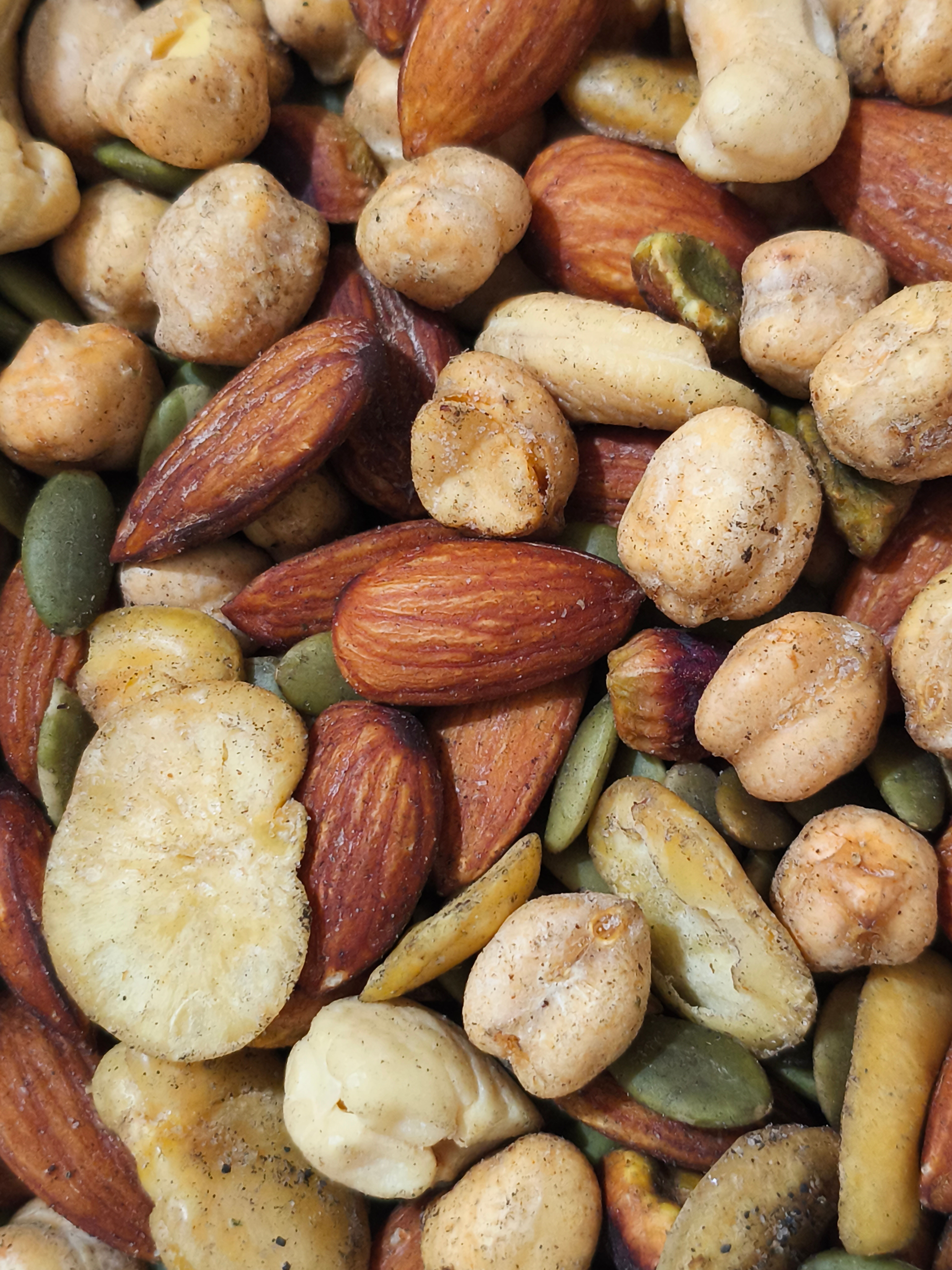
As wellness culture expanded, the snack drawer evolved from a place for indulgence into a site of self-management. Greek yogurt chips, seaweed packs, protein bites, low-sugar jerky, and electrolyte mixes began replacing some of the candy and cookies. According to major market reports over the past decade, consumers increasingly seek snacks framed around protein, gut health, low sugar, and clean ingredients.
That shift did not make the drawer less revealing. If anything, it made it more legible. A highly curated drawer full of macros-friendly items may suggest discipline, fitness goals, or concern about energy crashes. A mixed drawer that pairs trail mix with cookies and popcorn may point to balance over purity. The drawer shows not only what people eat, but how they think about control, reward, and risk.
Psychologists often warn against treating food morality too simply. People do not fit neatly into categories because they keep chocolate-covered pretzels next to almonds. Stress, sleep, work demands, family habits, and budget all shape snack choices. A drawer is informative, but it is never a complete portrait.
Still, the symbolism endures because snacks sit at the intersection of body and emotion. Meals are often planned and social. Snacks are more immediate, more personal, and often more honest. That makes them unusually revealing.
Why we instinctively judge other people's snack drawers

People form quick impressions from small cues. Social psychologists call these thin slices, the brief observations from which we infer larger traits. A snack drawer is ideal for this kind of judgment because it feels mundane and unguarded. We assume it contains the truth because it was not designed as a performance, even though in many cases it absolutely is.
Order is one of the biggest cues people read. Clear bins, labels, and expiration dates signal conscientiousness. Random wrappers, duplicates, and stale leftovers suggest disorganization, busyness, or low concern for maintenance. Sharing also matters. A drawer stocked with enough for others can imply generosity or a desire to be liked. A locked drawer or heavily guarded stash can read as territorial, though it may simply reflect past theft.
These judgments are not always fair, but they are common because food carries moral language. People talk about being good, bad, clean, guilty, disciplined, or weak. Once that language enters the picture, the snack drawer becomes more than storage. It turns into evidence.
Cultural context shapes these readings too. In one home, a drawer full of chips may signal abundance and warmth. In another, it may suggest poor planning. What we see in a snack drawer depends partly on what we were taught to admire or criticize.
The enduring appeal of the snack drawer is that it feels true
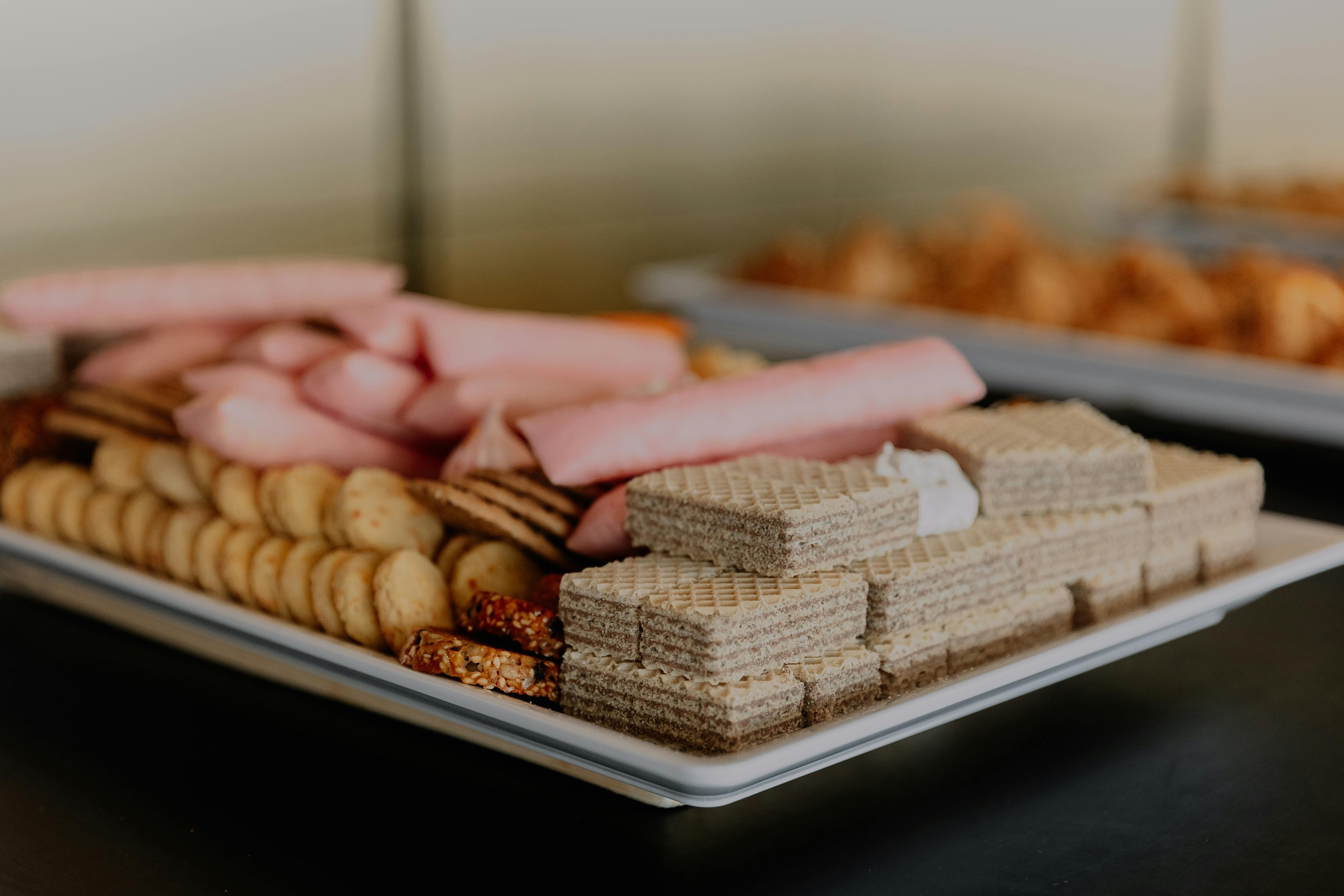
The reason the snack drawer still works as a personality test is simple. It captures people at the intersection of intention and reality. Most people want to present a coherent self, but snacks expose the negotiation between ideals and actual behavior. The drawer holds both the aspirational protein bar and the emergency candy eaten after a difficult day.
It also reflects modern life especially well. Busy schedules, hybrid work, rising grocery costs, wellness messaging, and constant stress all show up in what people keep within arm's reach. A carefully budgeted drawer can tell a story about inflation and planning. A constantly replenished one may reflect disposable income or a household built around convenience. Even the trend toward aesthetically organized pantries, popularized by lifestyle media, has made snack storage part of self-expression.
Most of all, the snack drawer feels authentic because it is repeated behavior made visible. Anyone can answer a quiz and choose flattering words. Fewer people can hide what they repeatedly buy, save, crave, ration, or share. That is why the snack drawer became the original personality test. It never asked for answers. It simply waited to be opened.



Leave a Reply