
Your gut is having a moment. In 2026, it might be the single biggest force shaping what people buy, cook, and snack on.
Why gut health went mainstream in 2026
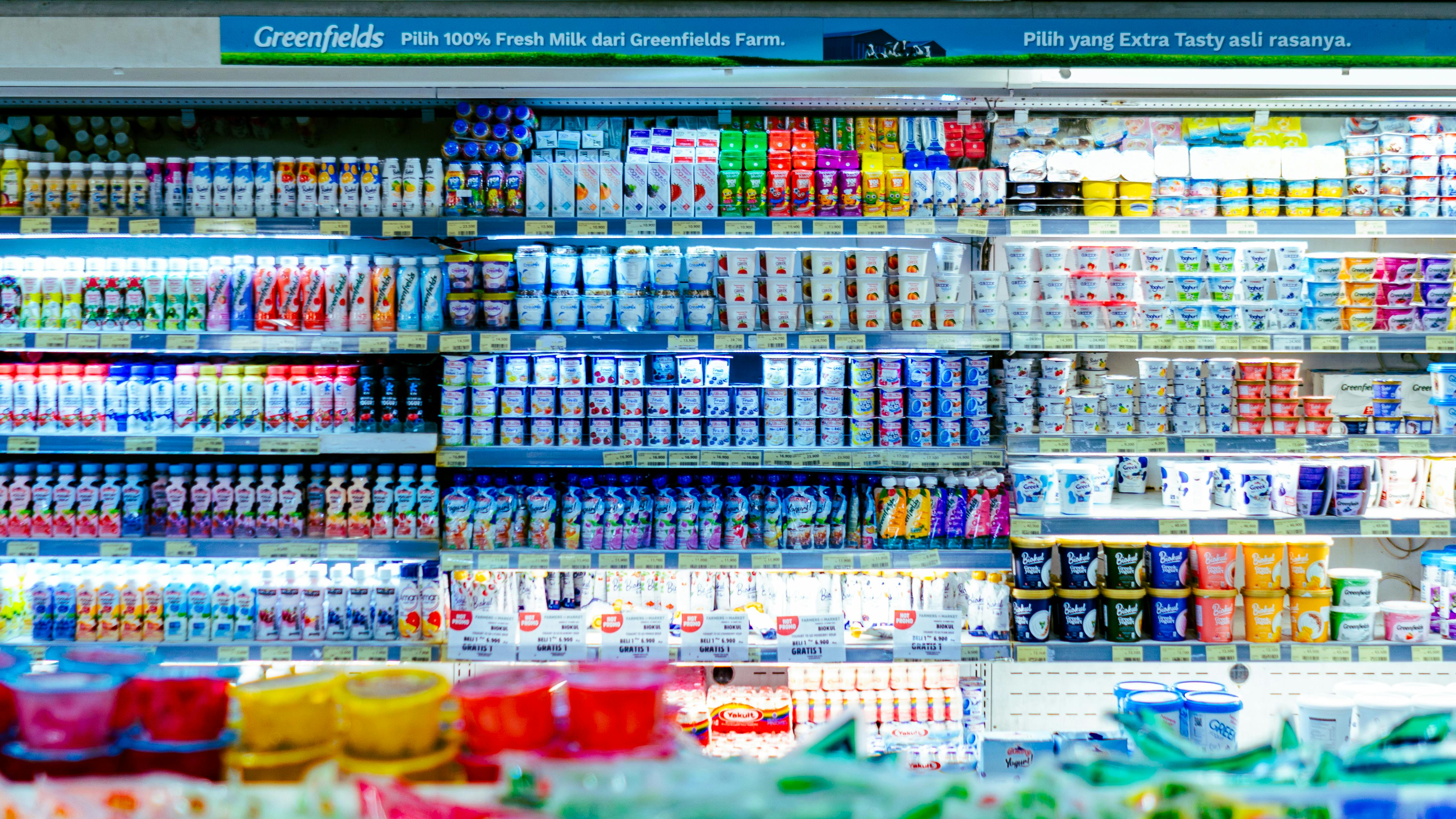
A few years ago, gut health still sounded niche, a little clinical, and heavily tied to supplements. Now it's everywhere: grocery aisles, restaurant menus, meal kits, and even coffee shop add-ons. The shift happened because people started connecting digestion with energy, mood, immunity, skin, and long-term metabolic health, not just bloating after lunch.
Food companies noticed fast. According to market analysts tracking functional foods, products labeled with terms like probiotic, prebiotic, fermented, and fiber-rich have surged across categories that used to be all about protein or low sugar. Yogurt led the way, but now the trend includes sodas, snack bars, cereals, frozen bowls, and sauces designed to support the microbiome.
Another reason this trend exploded is that it feels practical. People may not fully understand the science of the gut microbiome, but they do understand eating more plants, adding yogurt, or choosing kimchi over plain slaw. Unlike extreme diets, gut-friendly eating sounds additive rather than restrictive, which makes it easier to sustain.
Doctors and dietitians helped push the conversation forward too. A growing body of research has shown that the gut microbiome influences inflammation, digestion, and even how we respond to certain foods. That doesn't mean every gut-branded product is worth buying, but it does explain why gut health became a believable, everyday food priority instead of a passing wellness fad.
What people actually mean by "gut health"

When people say gut health, they're usually talking about the health of the digestive tract and the trillions of microbes living in it. This community of bacteria, fungi, and other organisms is often called the gut microbiome. A healthy gut generally means a diverse, balanced microbiome plus a digestive system that works without constant discomfort.
The key word here is diversity. Researchers have consistently found that eating a wider variety of plant foods is associated with a more diverse microbiome, and diversity is a good sign. Different microbes thrive on different fibers and plant compounds, so a same-salad-every-day routine may be less helpful than rotating beans, whole grains, nuts, fruits, and vegetables.
That's also why gut health is not just about taking a probiotic capsule. Some people benefit from probiotics, especially after antibiotics or in specific digestive conditions, but the everyday foundation is diet. If you're not feeding beneficial microbes with enough fiber and plant variety, adding one bacteria strain won't magically fix the bigger picture.
Gut health also isn't a synonym for "flat stomach." That part matters because marketing can blur the line between digestive wellness and body-image messaging. Real gut health is about regular digestion, less discomfort, better resilience, and a healthy internal ecosystem, not chasing a certain look after eating.
The foods driving the trend right now

The stars of the gut-health boom are fiber-rich plants and fermented foods. Beans, lentils, oats, barley, chia seeds, berries, leafy greens, onions, garlic, bananas, and nuts all help feed beneficial gut microbes. Fermented foods like yogurt, kefir, kimchi, sauerkraut, miso, tempeh, and kombucha add another layer of interest because many contain live cultures.
Prebiotic foods are getting more attention in 2026 because they feed the microbes already living in your gut. Onions, leeks, asparagus, oats, apples, and legumes are standout examples. You'll now see brands calling out prebiotic fiber on packaging the way they once highlighted protein grams, and that change says a lot about where consumer priorities have moved.
Resistant starch is another quiet hero. It's found in foods like beans, greenish bananas, oats, and cooked-then-cooled potatoes or rice. This type of starch resists digestion in the small intestine and gets fermented in the colon, where it can support beneficial bacteria and produce short-chain fatty acids linked to colon health.
Not every trendy gut-health product deserves the hype, though. A soda with a little added fiber is not the same as a diet rich in whole plants. The smartest shoppers are learning to look past marketing and ask a simple question: does this food genuinely add fiber, diversity, or beneficial fermentation to my routine?
How to build meals that support your microbiome

The easiest way to eat for gut health is to think in layers. Start with a fiber base such as oats, brown rice, quinoa, beans, or whole-grain toast. Add produce, then a fermented food, then healthy fats like olive oil, avocado, seeds, or nuts to make the meal satisfying enough to repeat.
Breakfast can do a lot of work here. A bowl of oats with chia seeds, berries, walnuts, and kefir hits several gut-friendly targets at once: soluble fiber, polyphenols, healthy fats, and live cultures. If you prefer savory food, eggs with sautéed greens, whole-grain toast, and a side of kimchi or plain yogurt work surprisingly well.
Lunch and dinner follow the same formula. Think grain bowl with lentils, roasted vegetables, herbs, tahini, and fermented pickles, or salmon with barley, broccoli, and a white bean salad. The goal is not perfection. It's consistency and variety across the week, because the microbiome responds to patterns more than one "healthy" meal.
Snacks matter too, especially because ultra-processed snacks tend to crowd out fiber-rich options. Good gut-friendly choices include apple slices with peanut butter, edamame, plain yogurt with fruit, hummus with carrots, or trail mix with nuts and pumpkin seeds. These foods support fullness while giving your gut microbes something useful to work with.
What to avoid getting wrong about the trend
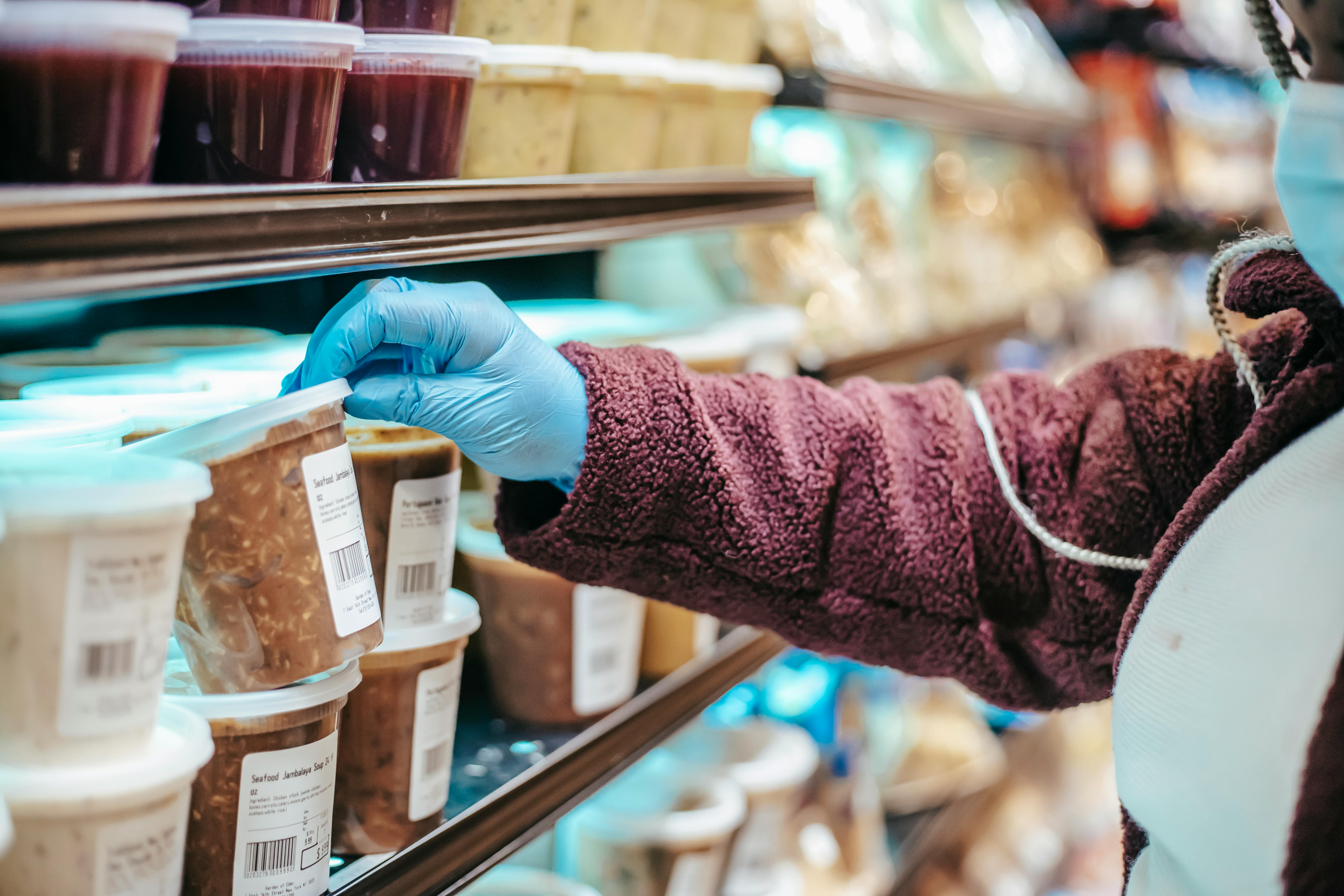
The biggest mistake is overcomplicating it. You do not need an expensive 12-step gut protocol, a refrigerated supplement bundle, or a pantry full of niche powders. For most healthy adults, the basic playbook is still more fiber, more plant variety, more fermented foods if tolerated, and fewer meals dominated by highly refined ingredients.
The second mistake is changing too much too fast. If you suddenly jump from very little fiber to a mountain of beans, bran cereal, and raw vegetables, your gut may protest. Bloating and gas can increase temporarily, which makes people think gut-friendly eating is not for them when really they just needed a slower ramp-up and more water.
Another trap is assuming "gut healthy" means universally healthy for everyone. It doesn't. People with IBS, inflammatory bowel disease, reflux, celiac disease, food intolerances, or recent digestive infections may need a more tailored plan. For example, some high-fiber or fermented foods can aggravate symptoms during flares, so personalization still matters.
And then there's the halo effect. A product can contain probiotics and still be high in added sugar, low in overall nutrition, or too small in dose to matter much. A 2024 review in nutrition research echoed a point dietitians have made for years: the quality of the whole diet matters more than one flashy ingredient on the label.
Why this trend is likely to stick
Unlike many food trends, gut health connects to everyday results people can actually feel. More regular digestion, better fullness, steadier energy, and fewer post-meal crashes are noticeable outcomes. When people feel a difference within weeks, the behavior tends to last longer than a trend based purely on aesthetics or novelty.
It also fits neatly with larger shifts in food culture. Gut-friendly eating overlaps with plant-forward diets, lower reliance on ultra-processed foods, interest in fermentation, and preventive health. That gives it staying power because it is not tied to one ingredient or one brand. It's a broad framework that can evolve with new research.
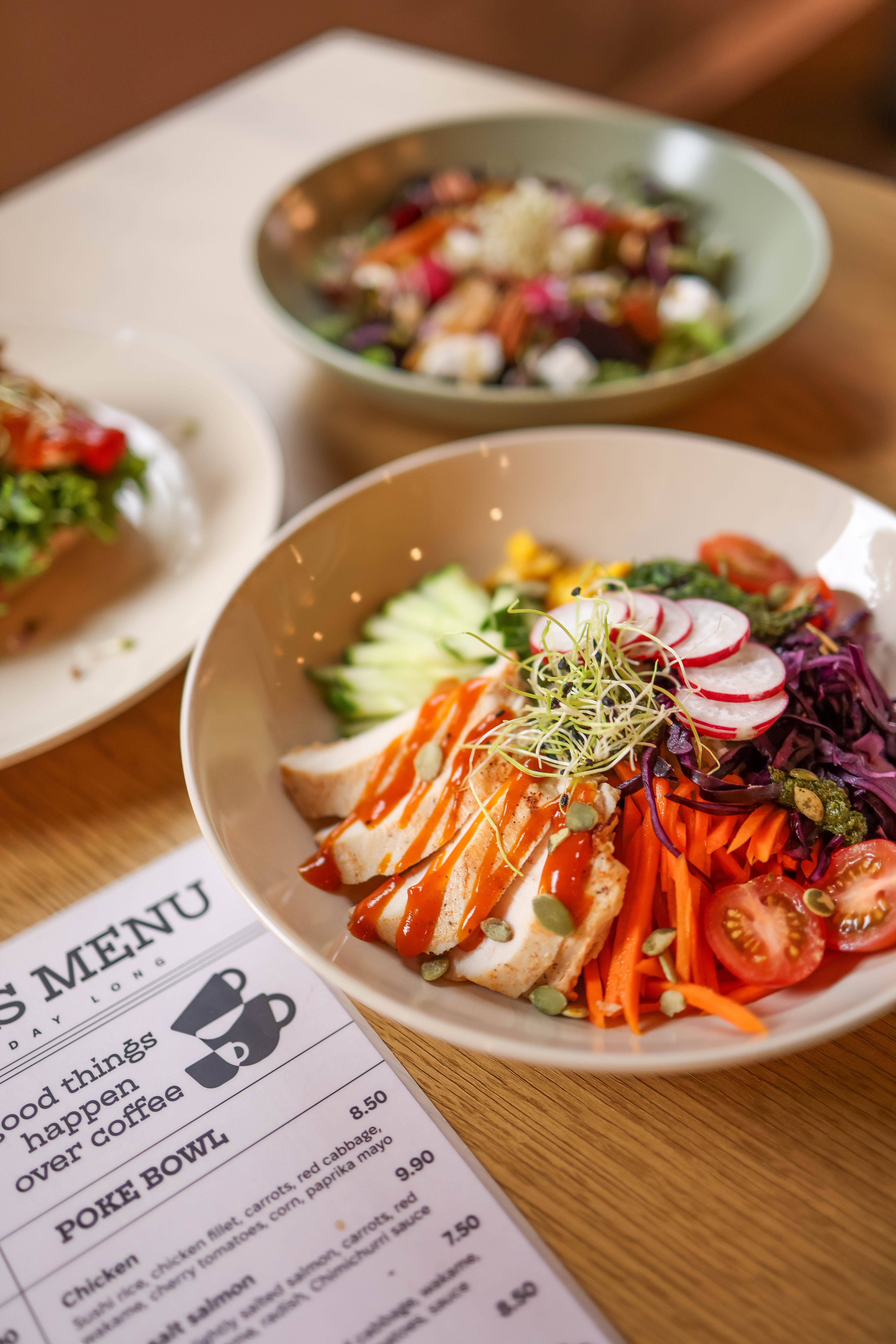
Restaurants and food manufacturers are adapting in smart ways. Menus are adding side ferments, bean-based dishes, ancient grains, and fiber-forward breakfasts. Retailers are expanding kefir, kimchi, miso, and high-fiber snack offerings because shoppers increasingly want foods that do more than just taste good or hit a macro target.
The most important reason this trend will last is that it puts food back in the center of health in a realistic way. You don't need to eat perfectly or obsess over microbes. Just build meals around plants, include fermented foods where they make sense, and let consistency do the heavy lifting. That's a trend worth keeping.




Leave a Reply