
Plant-based meat has moved from niche shelves to major fast-food menus. But inside food science, enthusiasm is often tempered by hard questions.
Nutrition Is More Complicated Than the Marketing Suggests
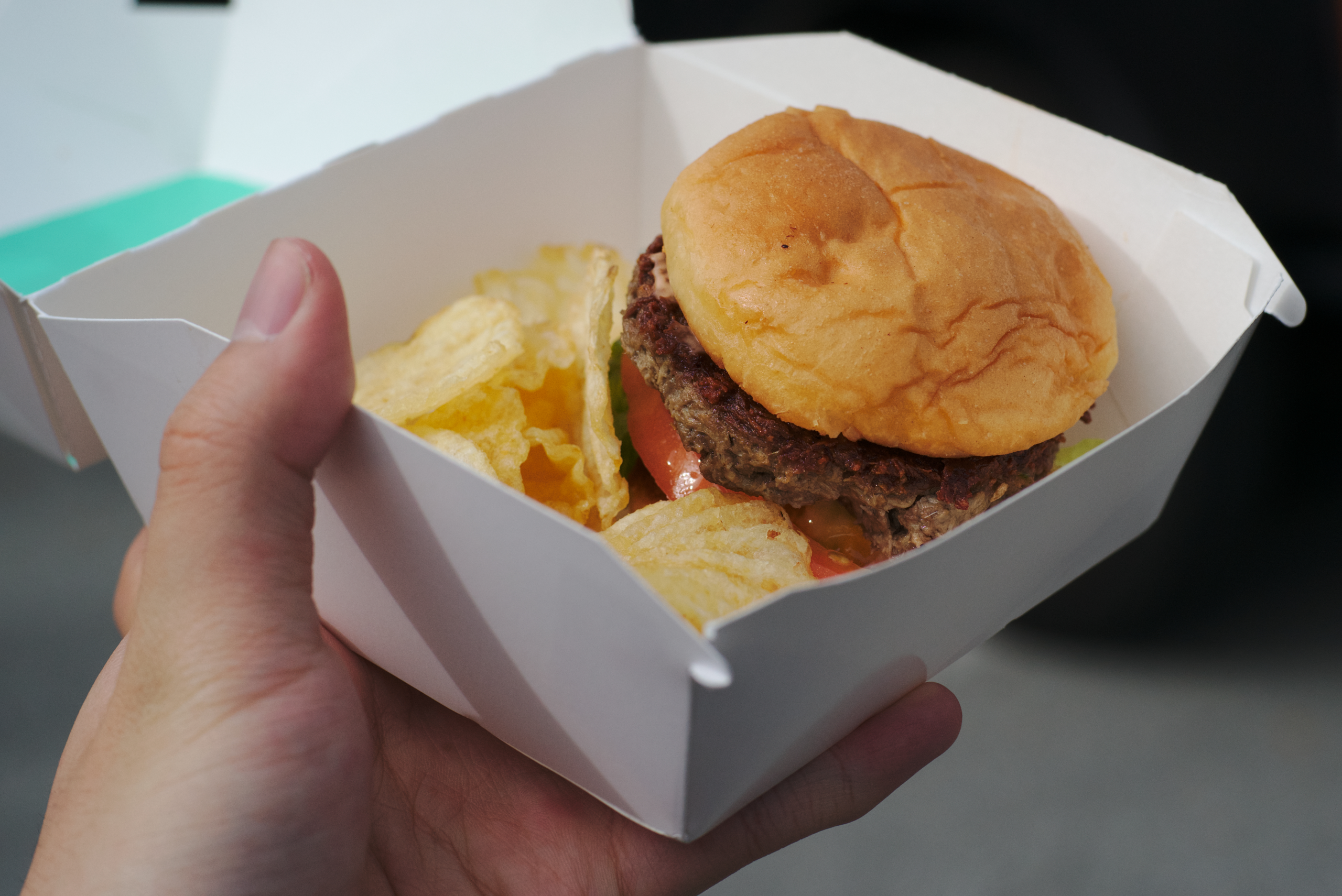
At first glance, plant-based burgers seem like an easy swap for beef. They often match meat on protein and avoid cholesterol, which sounds impressive to shoppers trying to eat better.
Food scientists, however, look beyond front-label claims. Many products are heavily formulated, with sodium levels that can rival or exceed processed meat, while saturated fat can remain high because coconut oil is often used to create a meat-like mouthfeel.
Protein quality is another concern. Soy and pea proteins are useful ingredients, but researchers still examine digestibility, amino acid balance, and how these products compare with minimally processed protein sources such as beans, lentils, eggs, fish, or plain yogurt.
A 2024 study and several nutrition reviews have noted that replacing red meat with whole plant foods has clearer health support than replacing it with ultra-processed meat analogues. That distinction matters greatly to scientists, even when it receives less attention in advertising.
Ultra-Processing Raises Red Flags for Researchers

One reason experts hesitate is the degree of industrial processing involved. Plant-based meats are usually built from protein isolates, refined oils, starches, binders, flavor compounds, colorants, and texturizing agents engineered to imitate muscle tissue.
That does not automatically make them unsafe. Still, many food scientists argue that a long ingredient list signals a product designed for sensory performance first, while long-term health outcomes remain less certain than with traditional whole-food diets.
The broader concern comes from research on ultra-processed foods. Large observational studies have linked high intake of ultra-processed products with obesity, cardiovascular disease, and poorer metabolic health, though scientists are careful to note these studies do not prove every such product carries equal risk.
For researchers, the unanswered question is not whether these products can be made. It is whether frequent consumption supports better health over decades, especially when compared with simpler plant-based meals that require far less formulation.
Taste, Texture, and Cooking Performance Still Fall Short

Another sticking point is sensory realism. Consumers may accept a plant-based patty once, but repeat purchases often depend on whether it browns, chews, smells, and satisfies hunger in the way meat does.
Food scientists know that meat is a complex biological structure. Its flavor comes from fat distribution, amino acids, sugars, heme chemistry, and reactions during cooking, while texture depends on muscle fibers, connective tissue, and moisture release.
Manufacturers have made impressive progress, especially with burgers and ground products. Whole-cut alternatives like steak, chicken breast, or pork chops remain harder to mimic, and many products still reveal a uniform, processed interior that reminds diners they are eating a simulation.
This gap shows up in sales patterns. After early excitement, some major brands faced slowing demand, discounting, and reformulation, suggesting that novelty alone cannot sustain a category if the eating experience remains inconsistent or only approximates the real thing.
Environmental Claims Are True, but Not Always Simple

Climate is one of the strongest arguments for plant-based meat. In many life-cycle analyses, these products generate fewer greenhouse gas emissions and use less land than conventional beef, which is why investors and policymakers have paid close attention.
Scientists still caution that environmental claims depend heavily on what is being compared. Replacing beef with a plant-based burger usually looks favorable, but replacing beans, tofu, or lentils with a factory-made analogue may offer a much smaller environmental advantage.
Production methods also matter. Energy-intensive manufacturing, global ingredient transport, cold storage, and complex packaging can narrow sustainability gains, especially when the product relies on purified inputs produced through multiple industrial steps.
Researchers are not rejecting the climate case outright. Rather, they are asking for more transparent, standardized measurements so consumers can distinguish between broad category claims and the real environmental performance of specific products sold in actual markets.
Price and Accessibility Limit Real-World Impact

Here is the practical issue many laboratory discussions eventually reach: price decides behavior. However persuasive the sustainability message may be, many families compare products by cost per meal, not by innovation headlines.
Plant-based meats have often been more expensive than conventional meat, particularly in inflationary periods. That price gap makes regular adoption difficult, especially for lower-income households that are already balancing food budgets carefully.
Food scientists also pay attention to substitution patterns. If consumers buy a plant-based burger occasionally but mostly return to cheaper meat, the overall public health and environmental effect stays limited despite strong media visibility.
Distribution remains uneven as well. These products are easy to find in affluent urban supermarkets, but less reliable in rural areas, discount stores, school meal systems, and regions where cold-chain logistics or consumer familiarity are weaker.
Scientists Want Better Evidence, Not Bigger Hype
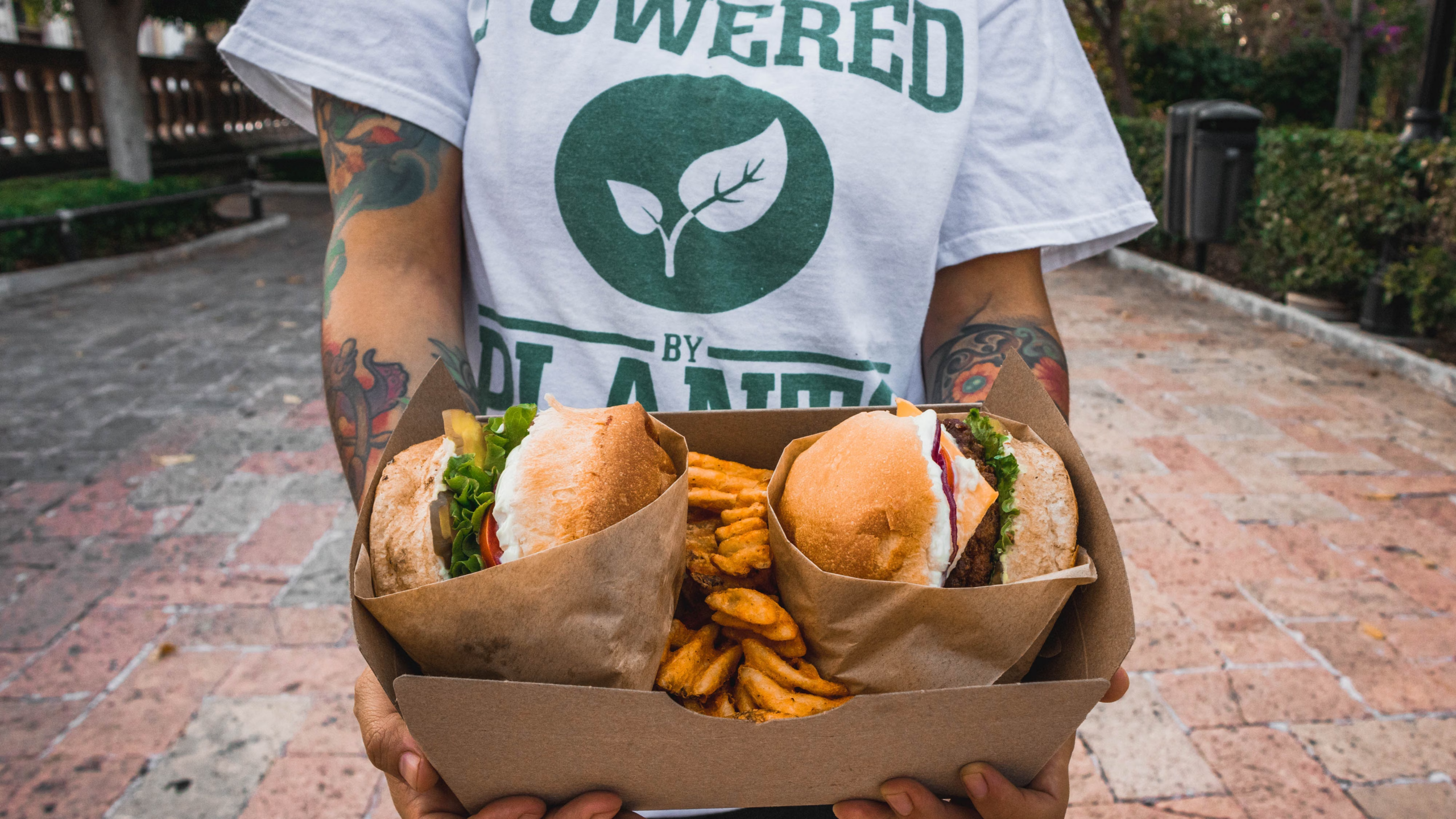
The skepticism is not anti-innovation. Most food scientists support efforts to reduce the environmental burden of food and welcome new protein technologies if they deliver measurable gains in health, affordability, and sustainability.
What they resist is overstatement. Claims that plant-based meats are automatically healthier, cleaner, or destined to replace animal meat entirely go beyond what current evidence can firmly support, especially across different populations and eating patterns.
Researchers want longer clinical studies, clearer ingredient standards, and more honest comparisons with whole foods. They also want companies to improve sodium, fat quality, micronutrient fortification, and flavor without relying so heavily on complicated formulations.
In short, scientists are not dismissing plant-based meat alternatives. They are asking the industry to prove, with rigorous evidence rather than optimism, that these products can truly outperform both conventional meat and simpler plant-based foods where it matters most.




Leave a Reply