
Some of the smartest nutrition advice never came from a lab-coated expert. It came from a woman standing at a stove, tasting the pot and knowing exactly what the body needed.
Traditional cooking was built around nutritional balance, not food trends
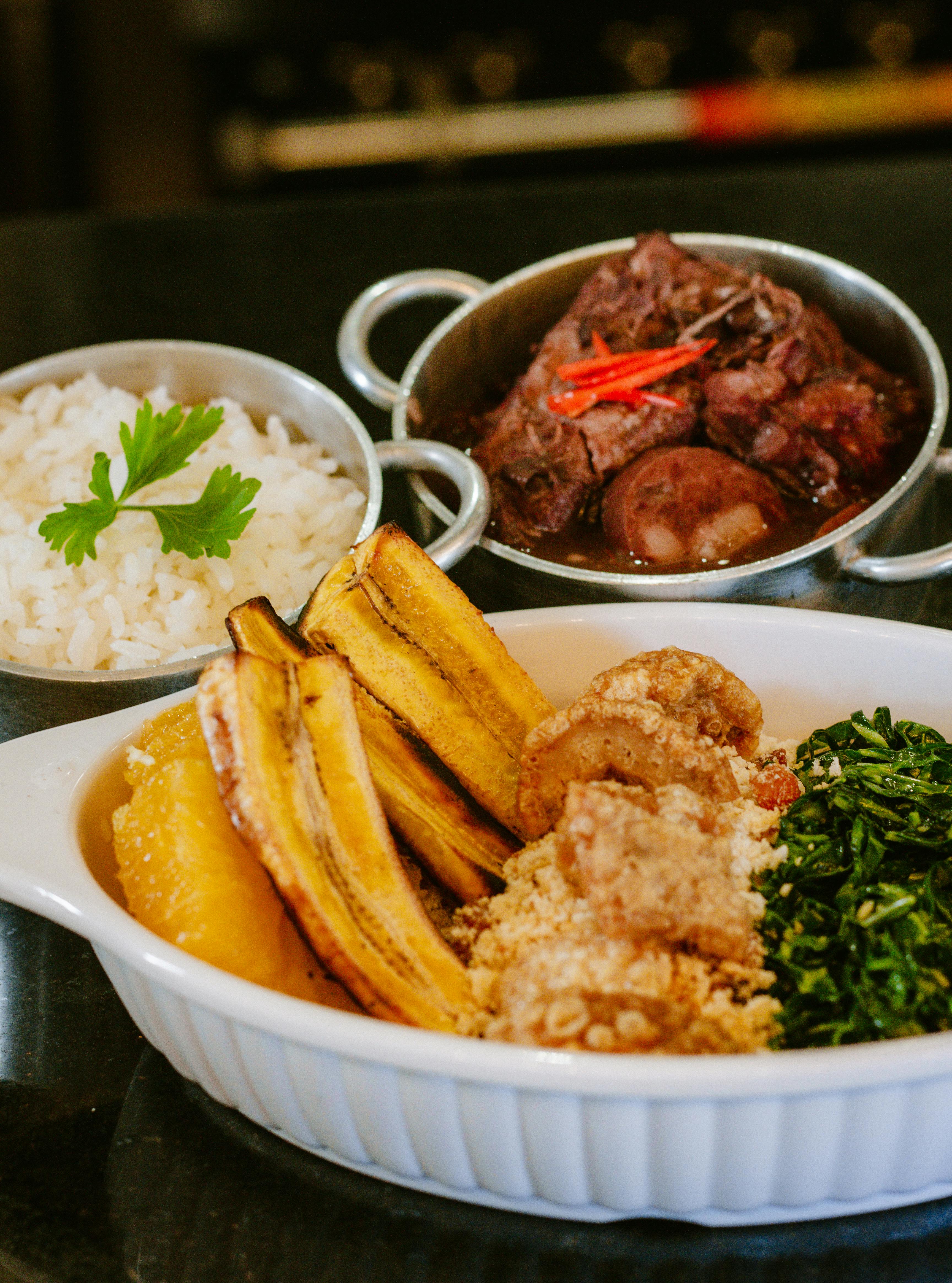
What made your grandmother's cooking nutritionally sharp was not nostalgia. It was pattern recognition built over years of feeding families with limited money, seasonal ingredients, and physical work in mind. Meals were rarely designed around a single "hero" nutrient the way many trending diets are today. Instead, they naturally combined protein, fiber, fat, starch, and micronutrients in the same sitting.
Think about a common plate of beans, rice, greens, and a little braised meat. Nutritionally, that is not random comfort food. Beans bring fiber, slow-digesting carbohydrates, magnesium, potassium, and plant protein. Rice provides steady energy, while greens add folate, vitamin K, carotenoids, and minerals. A small amount of meat contributes iron, zinc, B12, and flavor, which often meant less was needed.
Modern food trends often split these elements apart. A high-protein snack may deliver 20 grams of protein but almost no fiber. A smoothie may seem healthy while carrying more sugar than satiety. According to public health researchers, meals that combine fiber, protein, and fat tend to support better blood sugar response and fullness than isolated macronutrient fixes. Your grandmother did not need that terminology. She served stew with root vegetables and bread because it worked.
This approach also protected against nutritional extremes. Traditional households rarely ate as though every meal had to optimize one outcome, whether that was weight loss, muscle gain, gut health, or detoxification. They were feeding children, workers, elders, and guests at the same table. That pressure produced a food logic that was broad, flexible, and surprisingly aligned with what many dietitians recommend now.
"Use what you have" created diversity that modern convenience often removes

Scarcity can sharpen intelligence, and nowhere is that clearer than in older home cooking. Grandmothers often cooked from gardens, local markets, preserved pantry staples, and leftovers from previous meals. That forced variety over time. Instead of eating the same engineered snack every afternoon, families rotated beans, cabbage, onions, oats, eggs, apples, fermented vegetables, soups, and seasonal fruit depending on availability.
Nutritionally, this mattered more than people realize. Dietary diversity is strongly associated with broader micronutrient intake and a healthier gut microbiome. A 2024 study on dietary patterns reinforced that eating a wider range of minimally processed plant foods supports microbial richness, which in turn is linked to immune and metabolic health. Traditional home kitchens often delivered that diversity accidentally, simply because waste was unacceptable and ingredients had to stretch.
A pot of soup is a perfect case study. Leftover chicken became broth. Broth absorbed minerals and gelatin from bones and connective tissue. Carrots, celery, onion, garlic, parsley, barley, beans, or potatoes went in depending on the week. By the time it reached the table, one inexpensive dish contained fluids, electrolytes, amino acids, fiber, and multiple vitamins. Compare that with many modern "healthy" convenience meals that may be fortified on paper but are compositionally narrow.
This old habit also meant less dependence on ultra-processed food. When people say grandmother's cooking "stuck to your ribs," they are often describing meals with intact structure and slower digestion. Whole ingredients, mixed across days and seasons, produced a steadier nutritional rhythm than today's repetitive cycle of bars, shakes, puffs, and packaged bowls.
Traditional kitchens respected digestion in ways modern diets often overlook

A wise kitchen does not just ask what food contains. It asks what the body can actually use. Many older cooking methods improved digestibility long before the science was widely explained. Beans were soaked, grains were cooked slowly, vegetables were simmered rather than blasted into novelty chips, and cultured foods like yogurt, kefir, pickles, or buttermilk appeared regularly in many food traditions.
These methods had real nutritional consequences. Soaking legumes can reduce certain compounds that interfere with mineral absorption and can also improve texture and tolerance. Fermentation can support beneficial bacteria and create byproducts that aid digestion. Slow-cooking tough cuts of meat breaks down collagen into gelatin and makes nutrients more accessible. Even the simple practice of serving cooked vegetables alongside raw ones reflects a practical understanding that the body does not process all foods best in the same form.
Grandmothers also understood appetite regulation better than many app developers. Meals were served warm, on plates, at regular times, and usually eaten sitting down. That sounds cultural rather than nutritional, but it matters. Researchers have repeatedly found that eating patterns, pace, and context influence satiety signals and total intake. A bowl of lentil soup eaten at a table does not land in the body the same way as a "clean" snack inhaled in a car.
This is one reason trendy eating can feel unsatisfying. A diet built around rules often ignores digestion, tolerance, and meal experience. Traditional cooking usually did the opposite. It softened, soured, simmered, salted, and portioned foods in ways that made them more usable, more pleasant, and easier for the body to handle day after day.
Flavor was not indulgence, it was a delivery system for nourishment
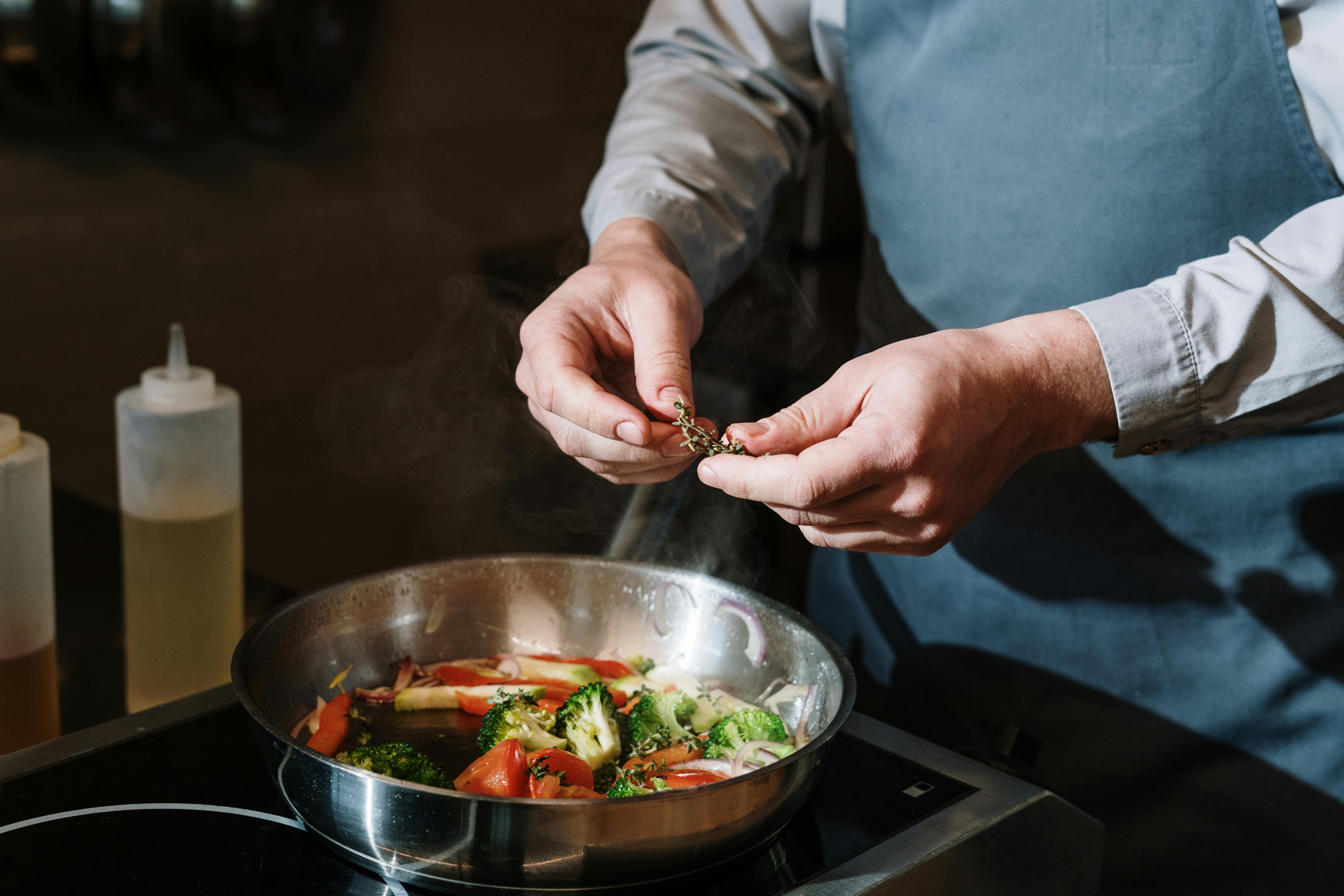
One of the biggest mistakes in modern health culture is treating flavor as suspicious. Traditional home cooks knew better. Flavor helped people eat nutrient-dense foods consistently. Garlic in greens, butter on carrots, pork fat in beans, herbs in broth, lemon over fish, and onions cooked down into stews were not excesses. They were tools that made humble ingredients deeply edible.
Nutrition science backs that instinct. Fat improves absorption of fat-soluble vitamins such as A, D, E, and K. Acid can brighten dishes and increase palatability without relying on excessive sugar. Herbs and spices contribute polyphenols and other bioactive compounds while reducing the need for heavy processing. When a grandmother added olive oil to tomatoes or served eggs with sautéed vegetables, she was often increasing both enjoyment and nutrient uptake at once.
This matters because healthy eating fails when it depends entirely on discipline. A large 2023 body of nutrition research continued to show that dietary patterns are more sustainable when foods are satisfying, culturally familiar, and pleasurable. Traditional cooking succeeded because it never separated nourishment from desire. It did not ask people to choke down dry food in the name of wellness.
Real-world eating behavior proves the point. Children are more likely to eat cabbage if it is braised with onions than if it appears as a punitive side. Adults will choose beans more often when they come as chili, dal, or cassoulet instead of a bland health prescription. Flavor made good food repeatable, and repeatability is where nutrition actually works.
Portion wisdom came from lived experience, not packaging claims
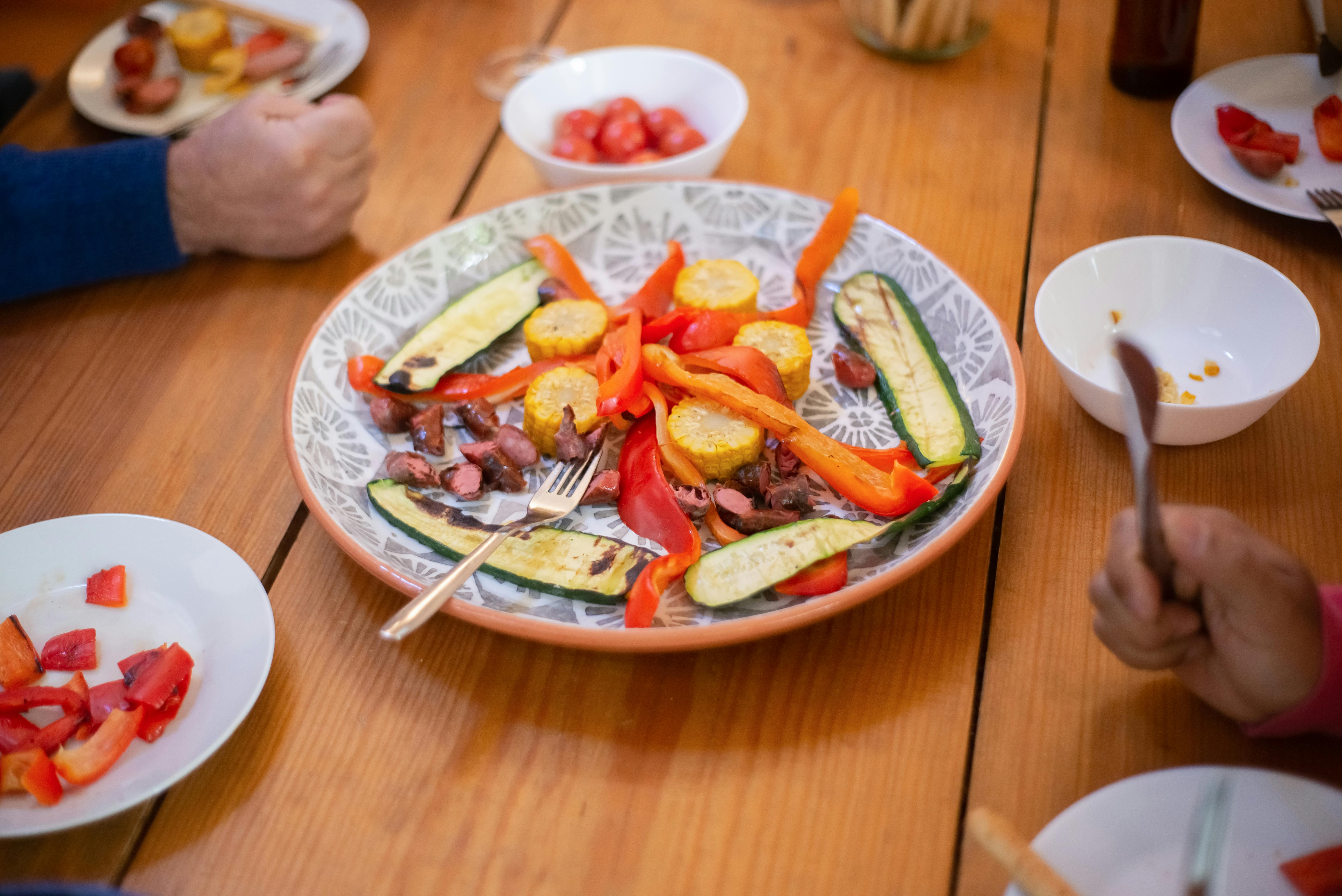
Grandmother-style cooking was also smarter about portions than many current products marketed as healthy. Meals were scaled to appetite, labor, age, weather, and what else was on the table. A farm worker got more potatoes and bread. A sick child got broth, toast, and stewed fruit. An older adult might get softer foods and smaller servings. This was responsive eating, not standardized nutrition theater.
Packaged modern foods often create confusion by presenting tiny servings, health halos, or manipulated macronutrient labels. A protein cookie may look portion-controlled while delivering dessert-level calories. A low-fat frozen meal may leave someone hungry an hour later. Traditional meals, by contrast, often included built-in satiety cues: soup first, vegetables cooked into the main dish, starches that were filling but not hyper-palatable, and desserts that were occasional rather than constant background snacks.
There is also a strong economic logic here. Earlier generations could not afford to waste food or overuse expensive ingredients, so portions tended to be practical. Meat was stretched with lentils, dumplings, cabbage, or potatoes. Sweets were special, not ambient. That pattern resembles what many obesity and diabetes specialists now advise: more whole foods, fewer liquid calories, less grazing, and meals structured around fullness rather than stimulation.
Importantly, this was not always perfect. Some traditional diets were too heavy in salt, refined flour, or sugar depending on place and era. But in many households, the overall pattern still beat today's constant cycle of "better-for-you" products engineered to bypass common sense and appetite control.
The real lesson is not to copy the past, but to recover its logic

The answer is not to pretend every old kitchen was nutritionally flawless. It is to notice the intelligence behind the habits. Grandmothers cooked with memory, seasonality, thrift, bodily feedback, and family needs in mind. They built meals, not content. They solved for nourishment over time, which is exactly what good nutrition requires.
That logic is highly relevant now. Buy fewer products and more ingredients. Pair protein with fiber instead of chasing protein alone. Use leftovers to create soups, hashes, stews, and grain bowls. Cook vegetables with enough fat and seasoning to make them welcome. Keep fermented foods, beans, eggs, canned fish, potatoes, oats, and sturdy greens in regular rotation. These are not quaint habits. They are robust nutritional strategies.
There is growing institutional support for this view. Dietary guidelines in many countries now emphasize whole dietary patterns over isolated nutrients, and major medical centers increasingly warn about the health burden of ultra-processed food. What older home cooks practiced intuitively aligns with that shift. Their meals were not primitive. They were adaptive systems built around health, satisfaction, and reality.
So yes, your grandmother may have measured with her hand and seasoned by instinct. But what looked informal was often nutritionally sophisticated. She knew that food should sustain energy, stretch a budget, support digestion, and bring people back to the table tomorrow. Modern food culture is still trying to catch up.




Leave a Reply