
Something important is shifting in Canadian dining. Restaurants are no longer planning around the idea that people will simply keep eating out more every year.
The old growth assumption is starting to break
For years, restaurant expansion depended on a simple belief: more people, more spending, more meals away from home. That logic is now under pressure. Food inflation, high housing costs, and slower wage growth have changed how many Canadians think about discretionary spending.
According to Statistics Canada data over the past few years, shelter and grocery costs have taken a larger share of household budgets. When fixed expenses rise faster than income, restaurant meals are often the first flexible item to shrink. Consumers may still want convenience, but they are buying it less freely.
This is why operators are quietly revising forecasts. Instead of assuming constant traffic growth, many are planning for flatter demand, fewer impulse visits, and more selective spending. The industry is not collapsing, but it is moving from a volume mindset to a value-and-efficiency mindset.
Diners are becoming more intentional with every visit

The key change is not that Canadians have stopped eating out entirely. It is that they are becoming much more deliberate about when, where, and why they do it. A quick lunch, a casual coffee add-on, or a second round of drinks now faces stronger internal budget checks.
That shift shows up in order patterns. Restaurants are seeing more shared plates, fewer extras, less dessert attachment, and tighter beverage spending. Many chains have responded by redesigning menus around bundles, smaller portions, and highly visible price points that reduce decision stress.
In practical terms, this means restaurants are preparing for lower average frequency even if guest counts hold up occasionally. They know customers may trade down from full-service to quick-service, or from dine-in to pickup. The winning brands will be the ones that capture need-based spending, not just aspirational spending.
Health priorities are reducing volume in subtle ways
Another force is less obvious but just as important. Many Canadians are trying to eat less overall, drink less alcohol, and cut back on ultra-processed foods. Public health messaging, wearable fitness tech, and growing interest in protein, fiber, and blood sugar management are all influencing restaurant behavior.
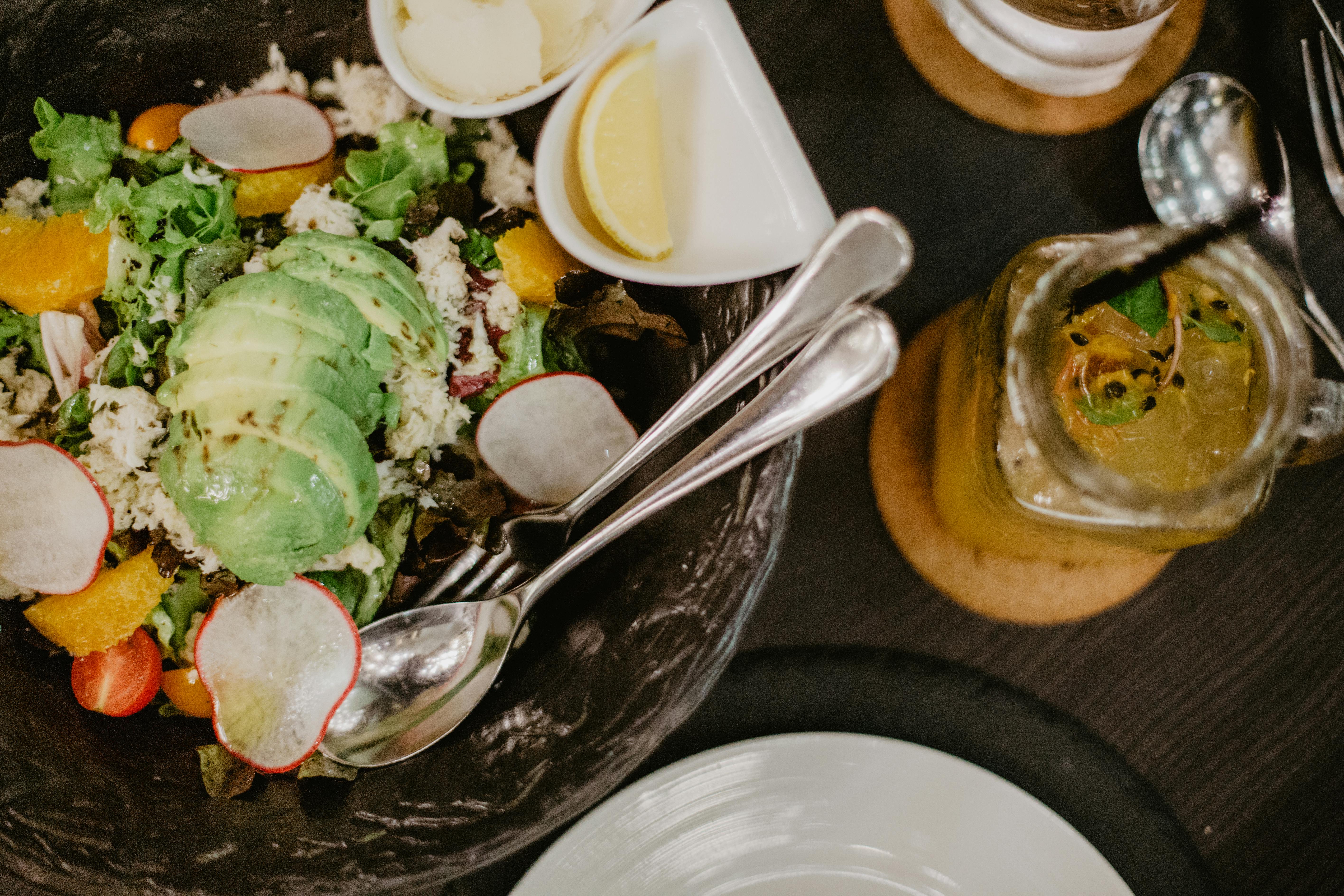
A 2024 pattern across North American foodservice research showed rising demand for lighter meals, customizable bowls, low-sugar drinks, and smaller indulgences. People still want treats, but they increasingly want them in controlled portions. That changes both menu engineering and revenue expectations.
Restaurants understand this better than they say publicly. If guests choose one balanced entrée instead of appetizer, cocktail, dessert, and coffee, total check growth becomes harder to achieve through appetite alone. Operators are therefore building menus that work even when customers consume less volume.
Demographics are changing what growth looks like

Canada's population is growing, but population growth does not automatically translate into bigger restaurant appetites. Older consumers often eat smaller portions and may dine earlier, drink less, and prioritize comfort, consistency, and nutrition over excess. That affects menu mix and daypart strategy.
Younger consumers, meanwhile, are highly value aware and digitally fluent. They compare prices instantly, chase promotions, and are comfortable eating at home while ordering selectively from restaurants. Immigration adds opportunity, but it also brings more diverse cooking traditions that can strengthen home cooking rather than replace it.
So the market is expanding in complexity, not necessarily in raw consumption per person. Smart operators are segmenting more carefully by age, lifestyle, and cultural preference. They are asking how to serve different types of eaters better, not how to simply make everyone order more.
Restaurants are redesigning business models for restraint
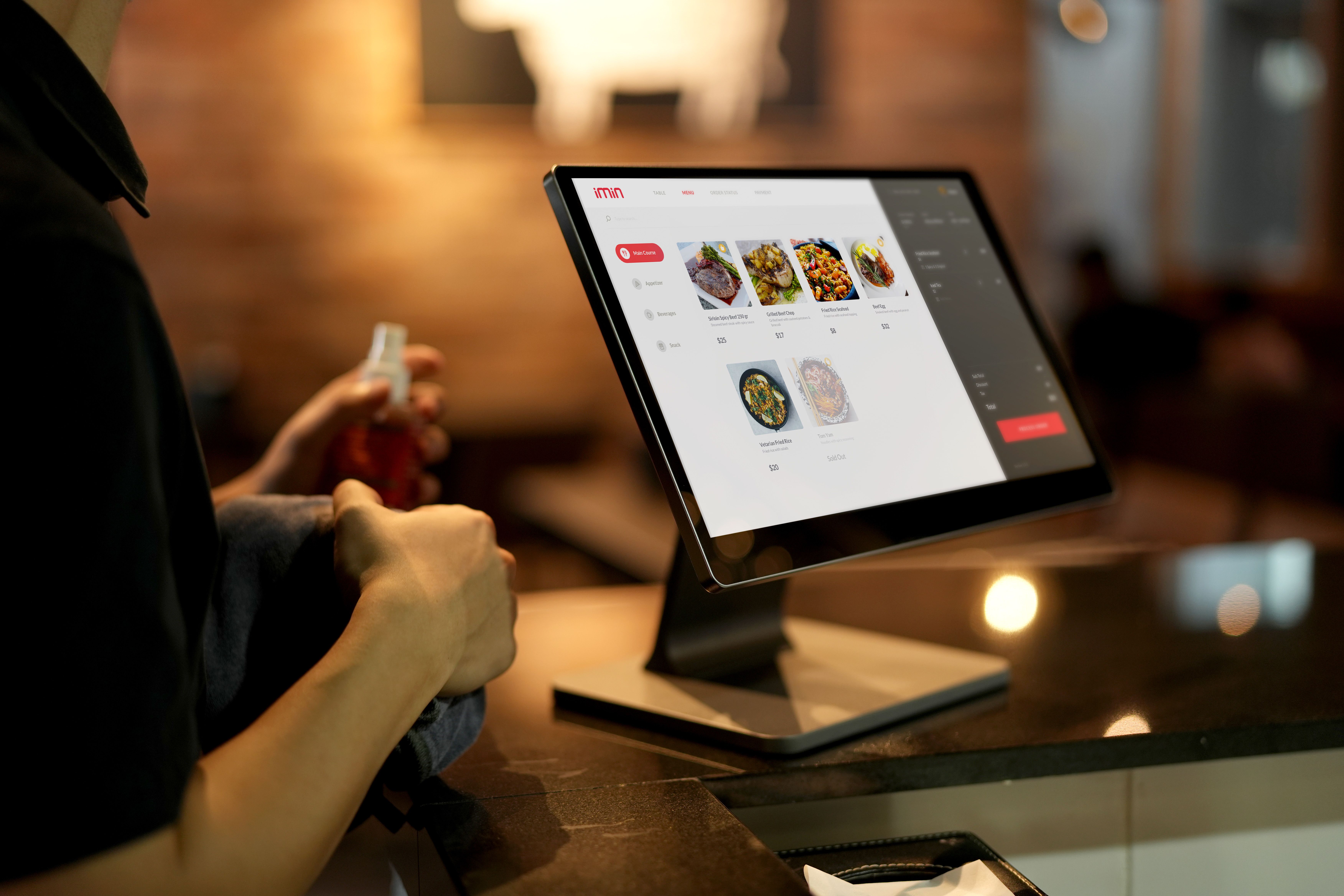
You can see the adjustment in how restaurants are operating. Menus are being trimmed so kitchens can run leaner and waste less. Smaller footprints, more pickup shelving, more automation, and tighter labor scheduling all point to an industry preparing for steadier, not explosive, demand.
Chains are also investing in formats that survive lower per-visit spending. Limited-time offers create urgency without requiring broad discounting. Prix-fixe lunch deals, half portions, snackable items, and beverage-led traffic builders help protect margins while matching how customers now want to consume.
Even fine dining is adapting. Tasting menus may remain, but many upscale operators are adding bar menus, shorter experiences, and more flexible reservation formats. The strategy is clear: if guests eat less, the business must still earn more from precision, turnover, and consistency.
The future belongs to operators who accept the new ceiling

The most realistic restaurant leaders are not waiting for a full rebound to old habits. They are assuming Canadians will continue to watch spending, moderate indulgence, and think harder about health. That does not mean demand disappears. It means demand becomes narrower, sharper, and more conditional.
In that environment, success depends on trust. Guests need to feel that a restaurant respects their budget, time, and dietary priorities. Brands that overbuild for endless volume may struggle, while those that plan around moderation can produce stronger margins and more loyal traffic.
The quiet industry consensus is simple: growth will not come from getting Canadians to eat more than they want. It will come from serving them better when they choose to eat out at all.




Leave a Reply