
A meal can feel more expensive even when the number on the menu barely moves. That is because many restaurants are quietly changing what arrives on the plate instead of what appears on the bill.
Why the plate looks full even when it is not
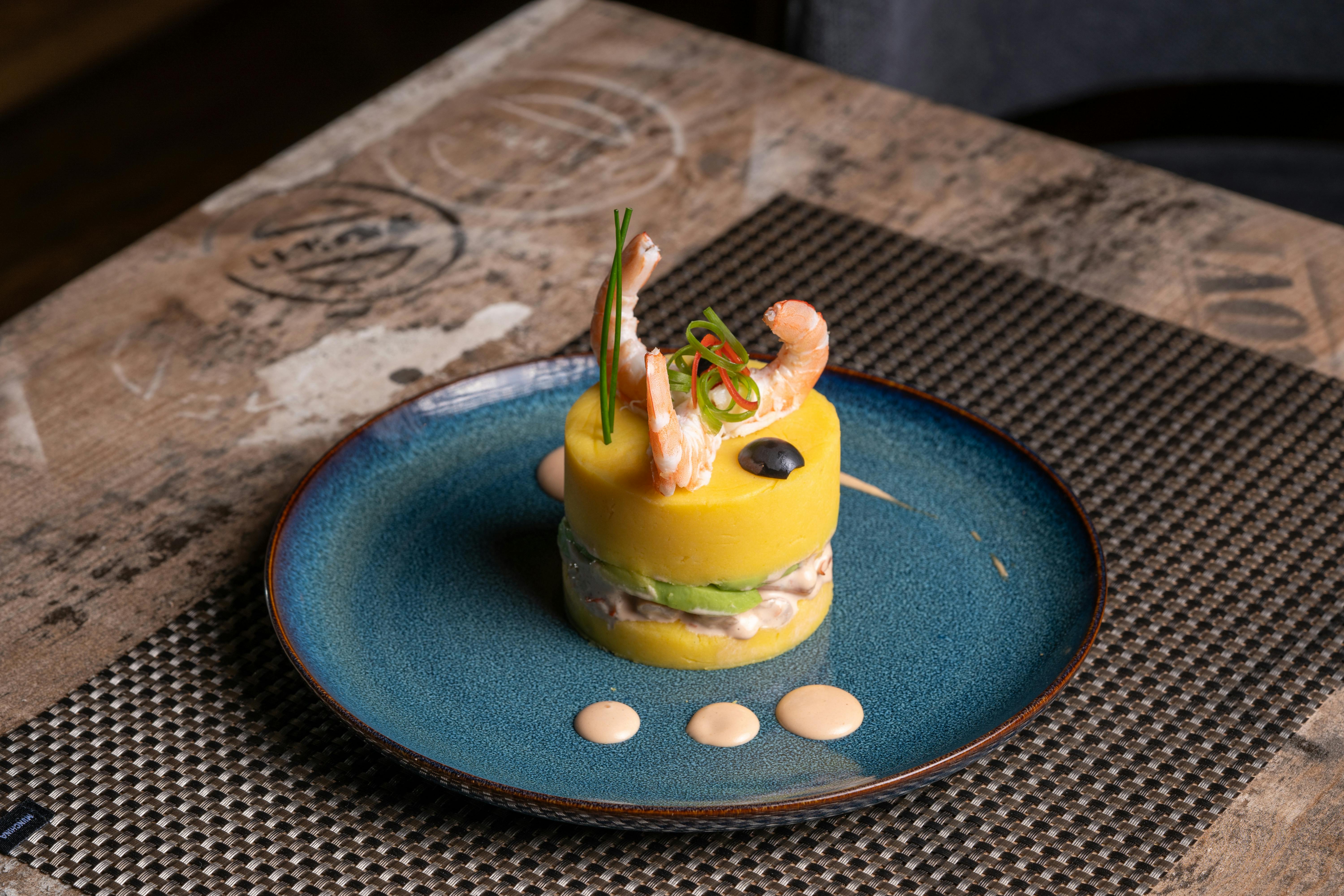
The oldest cost-control move in food service is simple: reduce portion size without making the dish appear skimpy. Restaurants do this with narrower bowls, taller burger buns, fluffier rice, more lettuce, and plating that spreads food across a wider surface. The eye reads abundance before the stomach does.
According to menu consultants and hospitality operators, even a small cut matters. Trimming 1 oz from protein across hundreds of covers a week can protect margins fast, especially when beef, chicken, cooking oil, and dairy prices stay volatile. For independent restaurants, those small changes can determine whether a popular dish remains profitable.
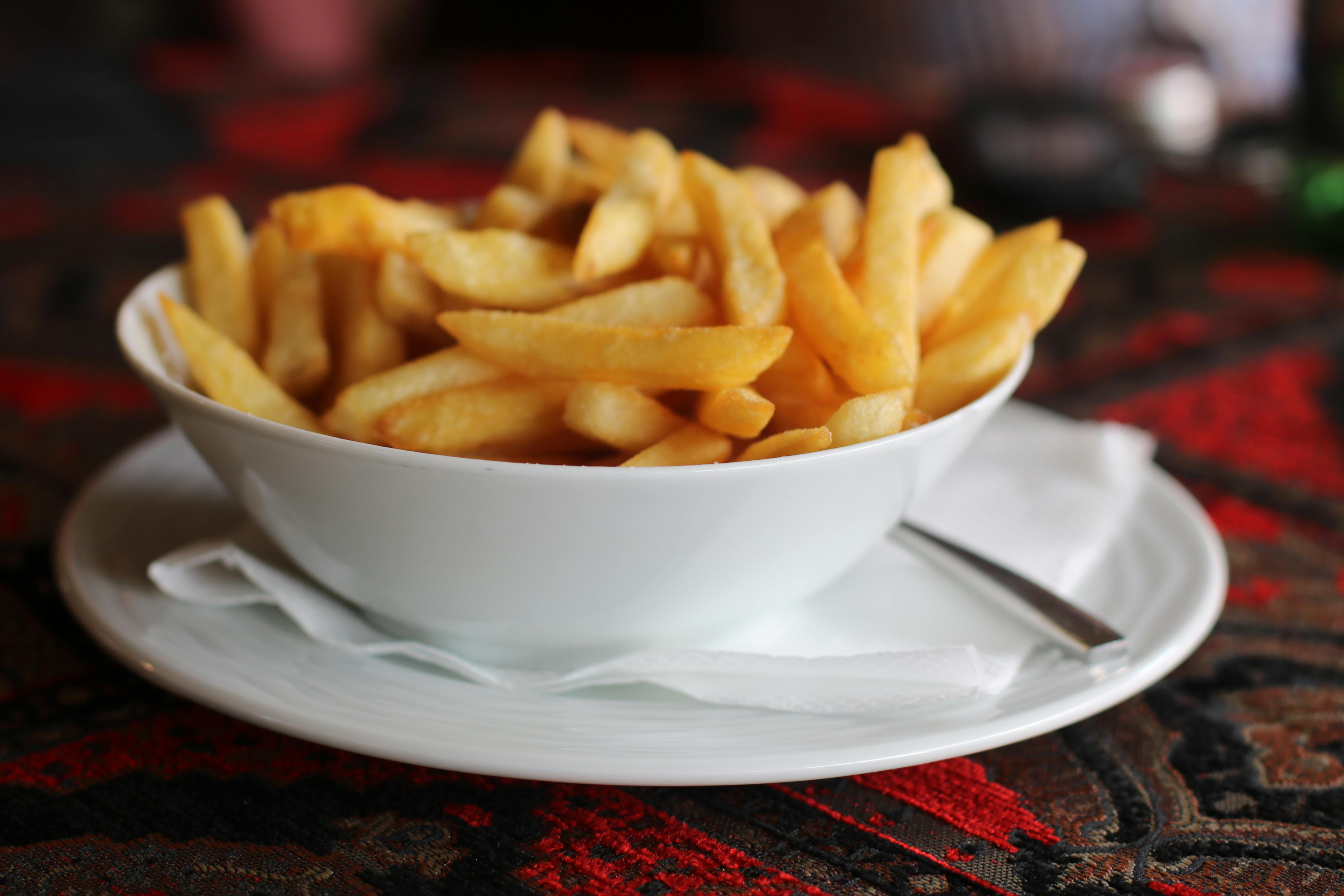
Customers often notice the change only after a few visits. Fries look shorter, salmon fillets thinner, and dessert slices slightly shallower. Because the listed price may be unchanged, the adjustment feels less obvious than a direct increase, but the value equation has still moved.
The economics pushing restaurants toward smaller servings
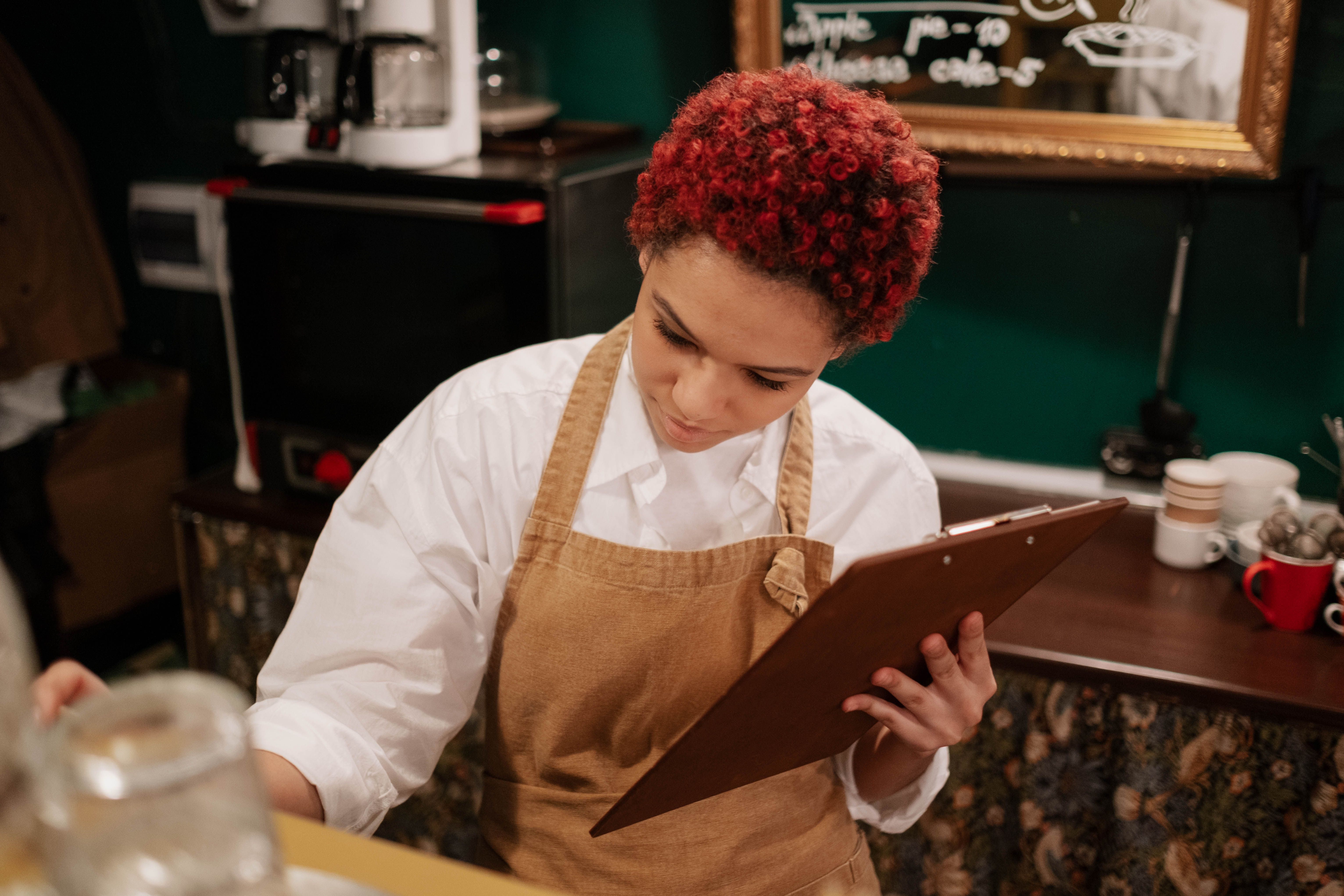
The pressure is real, and it is broader than food inflation alone. Restaurants face rising labor costs, higher rents, more expensive packaging, elevated insurance premiums, and utility bills that have climbed in many markets. In that environment, raising menu prices too aggressively can drive guests away.
That is why operators rely on what the industry often calls stealth pricing. Instead of charging $19 instead of $17, they may keep the dish at $17 and reduce the chicken breast from 8 oz to 6 oz, or swap a premium side for a lower-cost one. The menu looks stable, but the food cost percentage improves.
Large chains and local restaurants use this logic differently. Chains can negotiate supply deals and redesign recipes at scale, while independents often make weekly tweaks based on vendor invoices. Either way, the goal is the same: preserve traffic while quietly restoring profitability.
The subtle methods guests are most likely to miss
Restaurants rarely announce these changes, and they do not need to. A pasta bowl may hold less sauce but include more noodles, which are far cheaper than shrimp or steak. A breakfast plate might trade two sausage links for one larger-looking link, or replace fresh fruit with melon-heavy mixes.
Ingredient substitution is another common tactic. Butter-heavy sauces may become oil-based, premium cheeses may be blended with cheaper varieties, and house-made elements may be replaced with prepared components. The dish name stays the same, but the cost structure underneath it changes.
Then there is the side dish shuffle. Fewer fries, smaller scoops of mashed potatoes, thinner pizza toppings, and less avocado on sandwiches are all hard to spot in isolation. Yet these adjustments, repeated across an entire menu, can save a restaurant thousands of dollars over time.
What this means for diners trying to judge value

The key issue for customers is not simply price. It is consistency. People build expectations from memory, and when a favorite meal becomes smaller or less satisfying, they feel the change even if they cannot immediately identify what shifted. That is why many diners describe the experience as paying more for less.
Value now depends on more than portion size alone. Service speed, ingredient quality, ambiance, and convenience still matter, and some restaurants use smaller portions to reduce waste rather than to mislead. In better cases, operators trim excess while protecting nutrition, flavor, and presentation.
Still, diners should compare complete meals, not just headline prices. If an entrée no longer includes a side, if drink refills disappear, or if proteins shrink while add-ons multiply, the true cost of dinner has effectively gone up. The menu price tells only part of the story.
When smaller portions are reasonable and when they cross a line
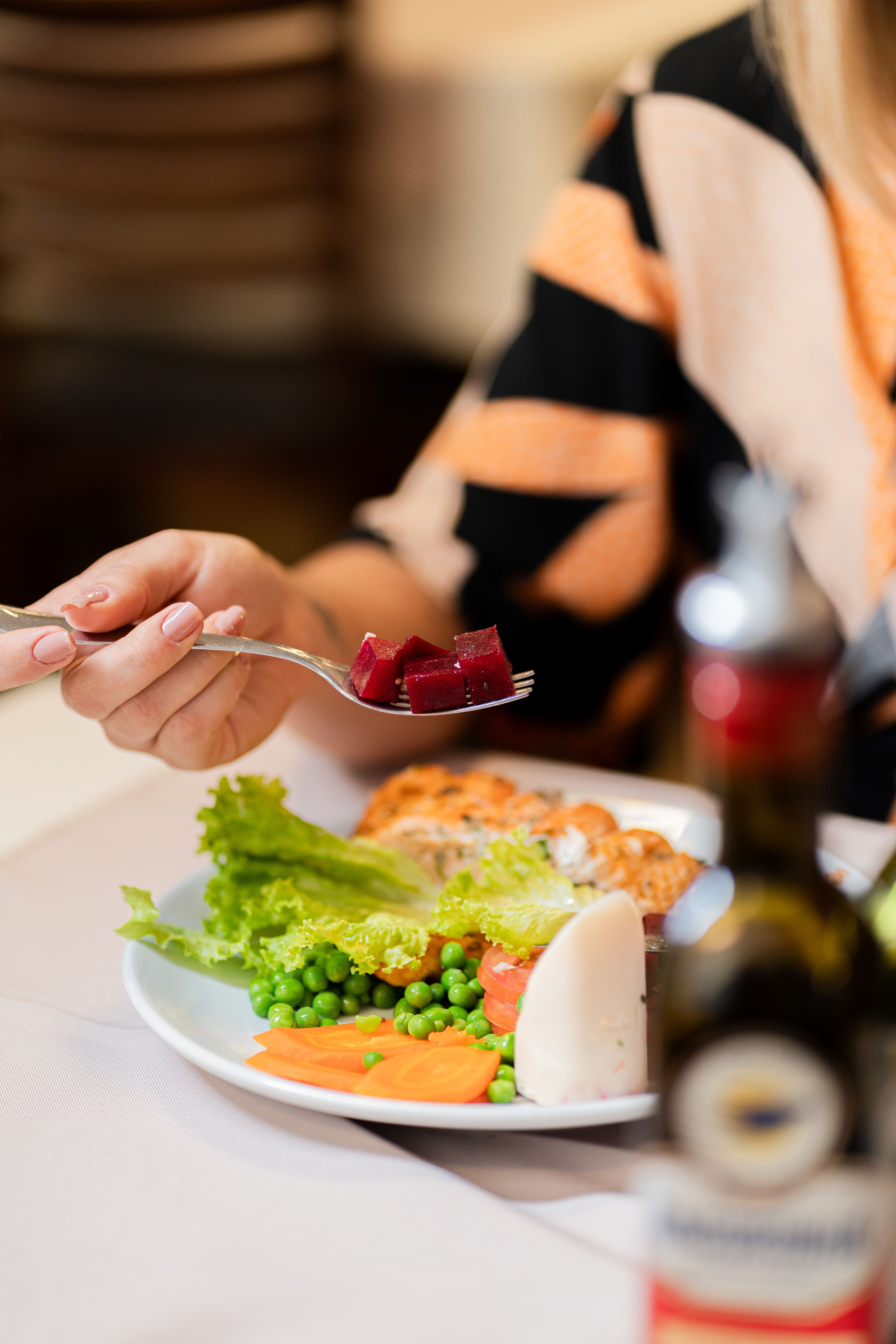
Not every reduced portion is a cynical trick. In some segments, oversized servings trained customers to expect more food than most people needed. Fast-casual brands and chef-led restaurants have argued that smarter portions can improve health outcomes, lower waste, and create a better-balanced plate.
The problem begins when the change is paired with branding that implies nothing has changed. If a seafood pasta is photographed with six shrimp but now arrives with four, or if a combo meal loses a side while keeping the same presentation, customers can feel manipulated rather than informed.
Transparency matters more than sheer abundance. Guests are generally willing to accept price increases or portion adjustments when the restaurant is honest about quality, sourcing, and market conditions. Trust erodes when the business relies on visual distraction instead of clear value.
How restaurants can cut costs without damaging trust
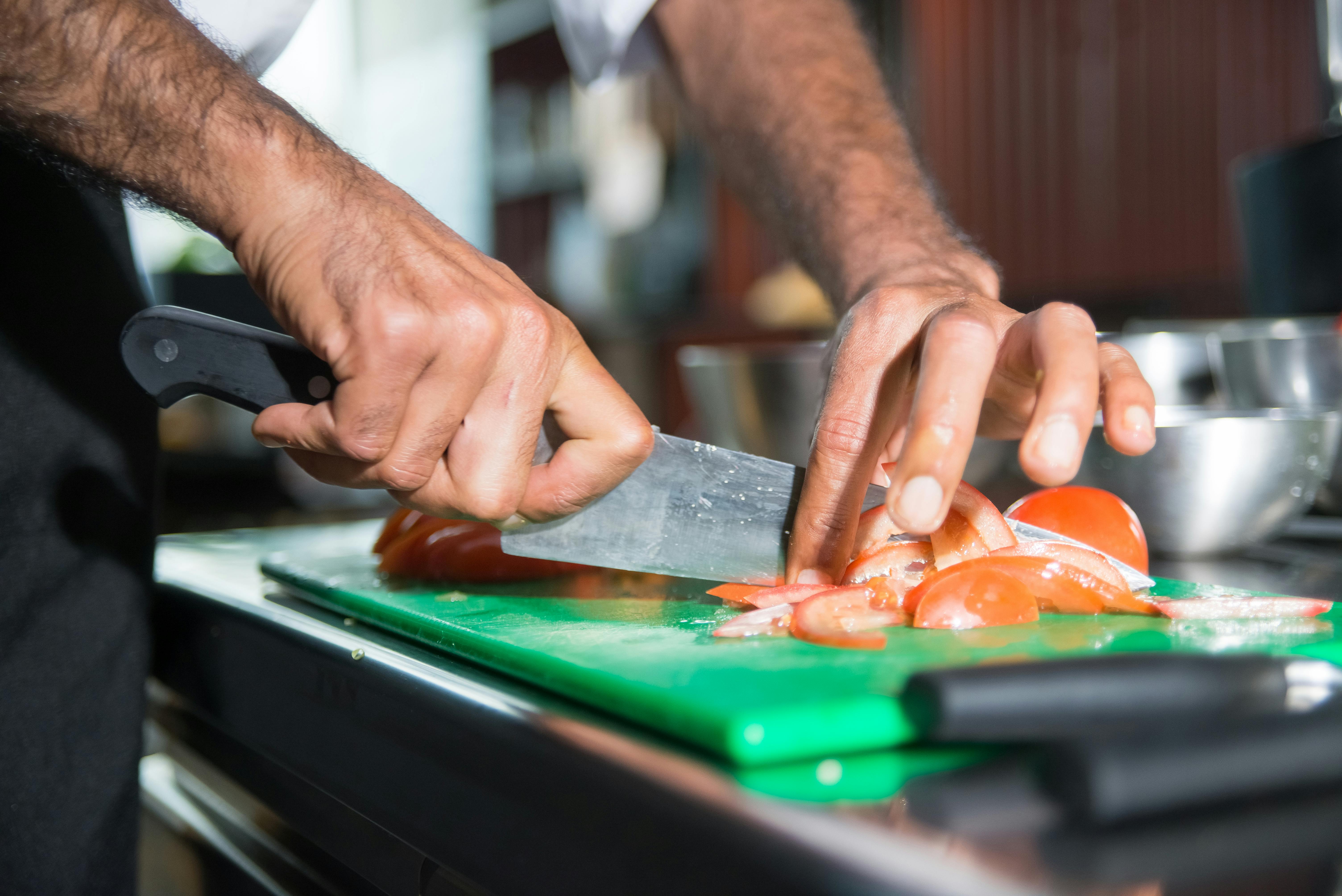
The smartest operators know there are better options than quietly shrinking every plate. They can simplify menus, reduce low-selling items, buy more seasonally, improve prep efficiency, and tighten inventory controls. Industry analysts have long noted that waste, spoilage, and overcomplicated menus drain profits as much as food inflation does.
Some restaurants also redesign portions openly. They may introduce lunch-sized plates, half portions, or modular pricing that lets guests choose add-ons clearly. That approach gives customers control and reduces the sense that value is slipping in secret.
For diners, the best response is awareness, not outrage. Notice portion changes, compare ingredients, and reward places that stay consistent and transparent. In a difficult operating climate, restaurants need margin protection, but customers still deserve an honest plate and a fair deal.


Leave a Reply