
War is often remembered through battles and leaders. But it was also fought through dinner tables, ration books, and the food ships crossing the Atlantic.
Bacon and Pork

Few wartime foods mattered to Britain more than bacon, and Canada was one of its most dependable suppliers. British civilians and troops relied heavily on cured pork because it traveled well, stored efficiently, and provided dense calories at a time when fresh meat was uncertain. Canadian packing plants increased production dramatically as the war intensified.
At home, however, Canadians were urged to limit consumption and accept tighter access to choice cuts. Wartime controls steered the best and most exportable pork toward Britain, where imported bacon had become a staple under rationing. Posters, radio campaigns, and government messaging framed this not as deprivation, but as duty.
The export numbers were substantial. Canadian farmers expanded hog production, while processors adapted to military and imperial demand. The result was a food economy in which domestic shoppers often encountered fewer options, even though Canada itself was a major producer.
Beef

Beef carried both nutritional and symbolic value during the war. It fed soldiers, factory workers, and bomb-weary civilians in Britain, and Canadian ranching and meatpacking helped fill the gap left by disrupted European agriculture. Frozen and chilled beef shipments became part of the larger imperial food chain that kept Britain going.
For Canadians, this did not always mean empty butcher counters, but it did mean restrictions, substitutions, and uneven access. Prime cuts were less consistently available, and households were encouraged to stretch meals with stews, gravies, and smaller portions. Wartime cookery increasingly emphasized thrift over preference.
This pattern reflected broader planning priorities. The federal government worked closely with producers, transport authorities, and British buyers to ensure strategic foods moved overseas first. Beef was one of many examples where abundance in production did not automatically translate into abundance at home.
Cheese

Cheese became one of Canada's most strategically important wartime foods because it was concentrated nutrition in a durable form. Rich in protein and fat, easy to ship, and useful for both civilians and military rations, cheddar in particular was sent to Britain in remarkable quantities. Canadian dairying was reshaped around this export need.
The domestic consequence was immediate. Canadians saw reduced availability of some dairy products and had to adapt to tighter supplies, especially as milk itself was needed for butter, cheese, and other controlled outputs. In many communities, what had once been ordinary food became more carefully managed.
Ontario and Quebec, already central to cheese making, carried much of the burden. Factories standardized production for large overseas orders, and the imperial connection mattered greatly. Britain needed shelf-stable nourishment, and Canadian cheese answered that need even when local consumers had to do without familiar amounts.
Butter

Butter sat at the center of wartime rationing debates because it was both a daily household essential and a high-value export commodity. Britain, cut off from many traditional European suppliers, depended on dominion agriculture to maintain civilian diets. Canada therefore sent butter abroad even as domestic consumers faced close controls and periodic frustration.
For households, butter shortages changed cooking habits in practical ways. Margarine, where permitted and available, became more important, and recipes were adjusted to use less fat. Home bakers learned quickly that wartime kitchens demanded flexibility rather than exact preference.
The politics of butter were also sharp. Governments had to balance nutrition, morale, and fairness while still meeting Britain's urgent needs. That tension helps explain why butter became more than a food item. It became a visible symbol of sacrifice shared, though not always equally, across Canadian society.
Eggs
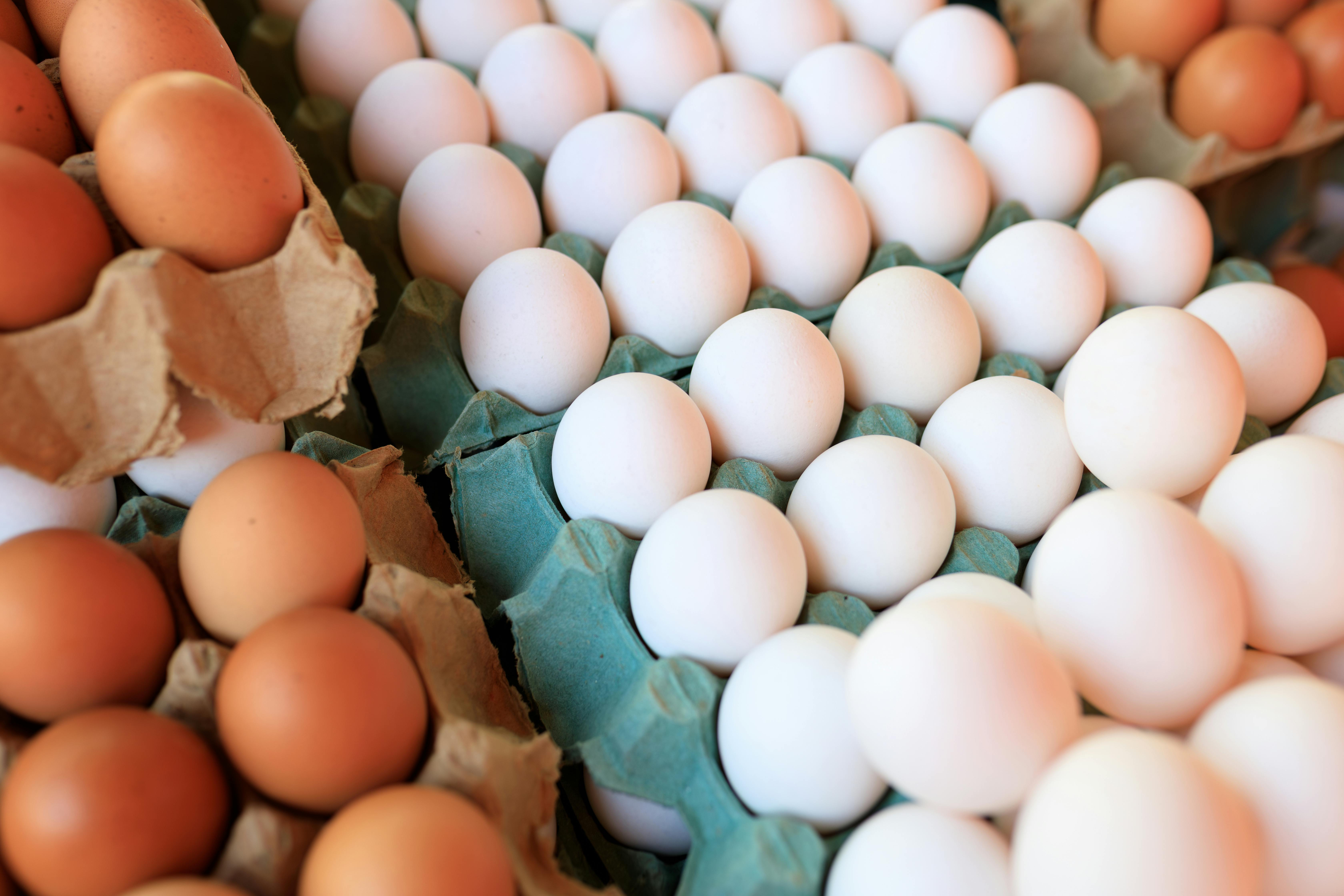
Eggs were deceptively important in the wartime food system. They were versatile, nutrient-dense, and valuable in both shell and dried form, especially for military provisioning and large-scale food manufacturing. Canada exported significant quantities to Britain, where eggs were tightly rationed and often difficult to secure from nearer sources.
That outward flow shaped life at home. Canadian families were encouraged to economize, and many relied more heavily on seasonal availability, local farm connections, or careful menu planning. In urban areas especially, regular access could be inconsistent despite the country's strong agricultural base.
Dried eggs illustrate the industrial side of this story. Processing allowed Canada to ship protein efficiently across the Atlantic with reduced spoilage risk. What disappeared from some Canadian breakfast tables was reappearing overseas as a strategic wartime staple in bakeries, army kitchens, and ration systems.
Wheat

If one food underpinned Canada's wartime role more than any other, it was wheat. Prairie farms produced massive grain surpluses that were indispensable to Britain, where bread remained a core calorie source throughout the war. Canadian wheat fed not just households, but also military supply systems and allied food planning.
Yet even a grain-rich country experienced sacrifice. Wartime bread policies, flour controls, and transportation priorities meant food choices were shaped by state planning, not simple market abundance. Canadians were regularly reminded that shipping grain overseas was part of the national war effort.
The scale mattered enormously. Railways, elevators, ports, and Atlantic convoys all linked prairie harvests to British survival. Wheat exports were not merely commercial transactions. They were strategic operations, and every loaf consumed in Britain testified to a long chain of Canadian labor and domestic restraint.
Flour

Flour was the practical partner to wheat and one of the most essential processed foods Canada sent overseas. Milled grain was easier to use immediately in bakeries, military kitchens, and emergency feeding programs, making it especially valuable to Britain under wartime pressure. Canadian mills became key nodes in that supply network.
At home, flour did remain available, but not without oversight and adjustment. Housewives encountered evolving advice about baking, substitution, and conservation, while commercial bakers navigated changing standards. White flour, whole grain blends, and extraction rates all became part of a larger conversation about efficiency and nutrition.
This was food planning at an industrial scale. Milling linked farms to ports and households to empire, turning an everyday pantry staple into a strategic export. Canadians could still bake, but they did so in a context where even a bag of flour carried the weight of war.
Apples
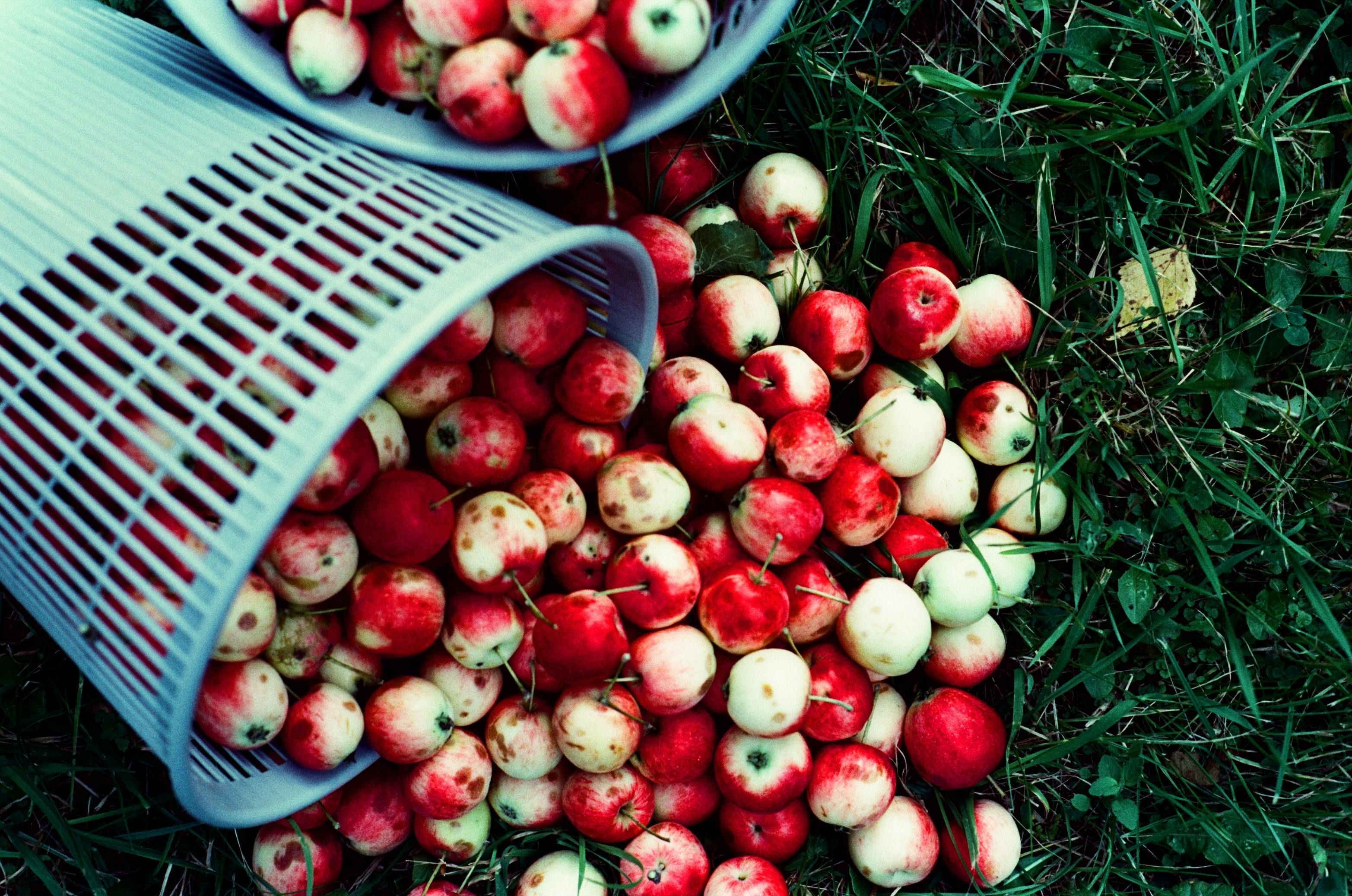
Not every crucial export was a staple like grain or meat. Apples, especially from Nova Scotia and British Columbia, played a notable role because they stored relatively well and added vital variety to diets narrowed by blockade and rationing. For Britain, imported fruit helped supply vitamins and preserve civilian health.
For Canadians, that often meant less abundance in local markets and higher sensitivity to seasonality. Fresh fruit could not always be taken for granted, particularly in urban centers far from orchards. What was packed for export was fruit that did not remain on domestic shelves.
Apples also reveal the importance of regional specialization. Orchard districts were folded into wartime logistics just as surely as prairie rail lines or meatpacking centers. A simple crate of fruit became part of a much larger national promise to keep Britain fed under siege conditions.
Canned Vegetables

Canned vegetables were a quiet but vital part of Canada's wartime food exports. They offered shelf stability, predictable nutrition, and easy transport, all of which mattered enormously when submarine warfare threatened supply lines. Peas, beans, corn, and tomatoes could reach Britain in usable condition long after harvest.
Canadian consumers, meanwhile, were pushed toward home preserving, victory gardens, and careful use of seasonal produce. Commercial canning capacity had wartime priorities, and the best-packed goods were often destined abroad or for military channels first. That reduced convenience at home even when harvests themselves were respectable.
This was one of the clearest examples of how war reorganized ordinary life. A pantry item as modest as canned peas became part of global strategy. Canada's export success rested not only on large harvests, but on millions of small domestic adjustments made in kitchens across the country.



Leave a Reply