
Food names often feel like folklore. But behind many of the best-known dishes are real people, and not always the famous ones most diners imagine.
Caesar salad was not named for Julius Caesar

The name practically begs for a Roman backstory, which is why so many people assume Caesar salad has something to do with Julius Caesar. It does not. The dish is widely credited to Caesar Cardini, an Italian-born restaurateur who operated in Tijuana, Mexico, during the 1920s, when American visitors regularly crossed the border for dining and nightlife.
According to the most repeated account, Cardini improvised the salad during a busy July 4 rush in 1924. With supplies running low, he assembled romaine, croutons, Parmesan, egg, olive oil, Worcestershire sauce, and lemon into a dramatic tableside preparation. That theatrical element helped make the dish memorable.
Its modern versions often include anchovies, but Cardini's original recipe reportedly relied on Worcestershire for savory depth rather than obvious fishiness. Food historians have long noted how restaurant showmanship helped spread the salad's appeal. What sounds ancient is, in fact, a Prohibition-era border restaurant creation tied to one working chef-host.
Beef Wellington was likely named for a duke, not a style
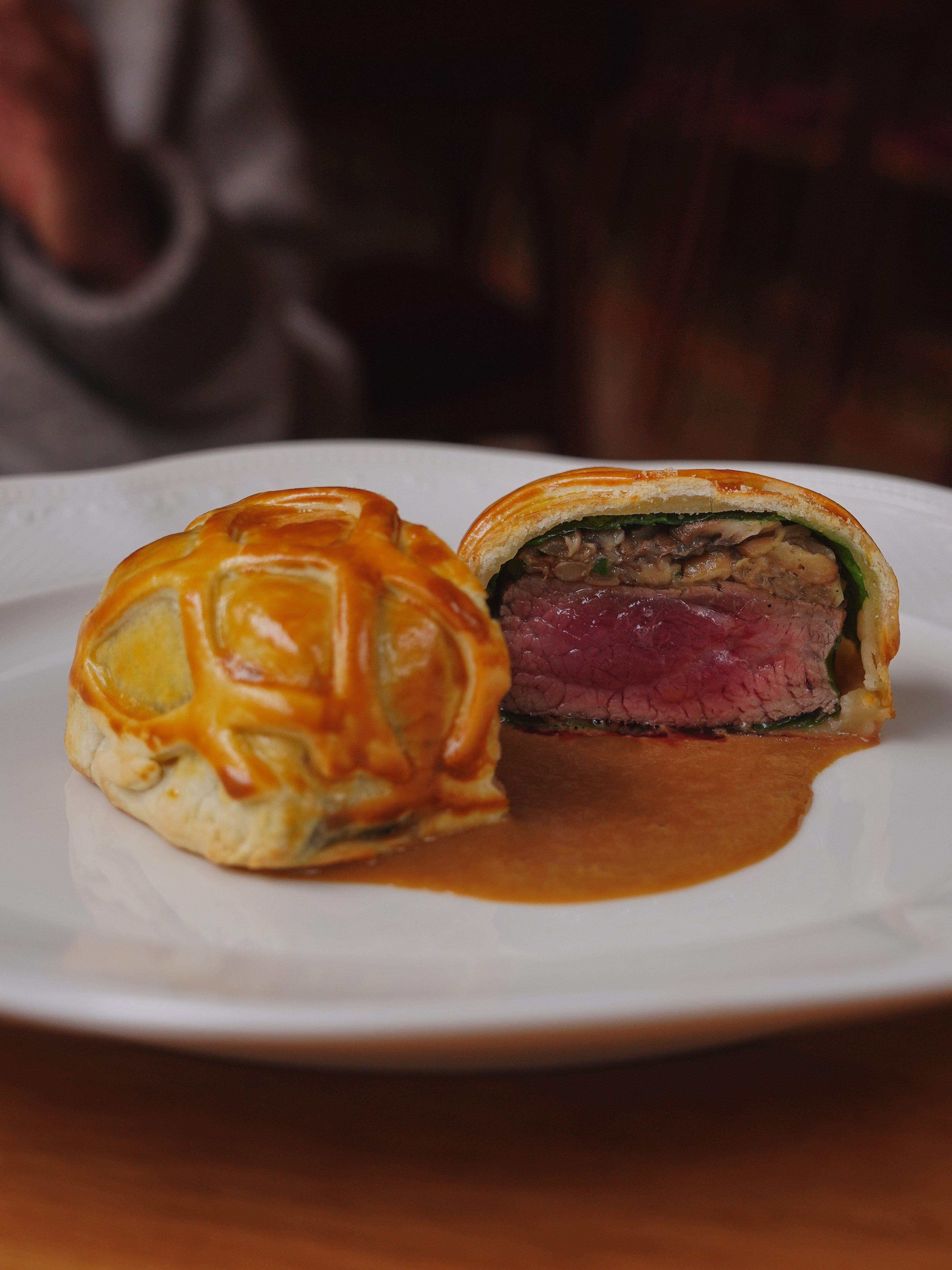
Beef Wellington sounds so stately that many people assume it is a generic British title rather than a tribute to a person. The usual namesake is Arthur Wellesley, the 1st Duke of Wellington, the military leader who defeated Napoleon at Waterloo. Even so, historians caution that the documentary trail linking him directly to the dish is surprisingly thin.
The dish itself, filet coated with duxelles and wrapped in pastry, appears more clearly in later culinary records than in the duke's own lifetime. Some scholars believe it may have been an English patriotic renaming of a French preparation, especially during periods when French influence was politically unpopular. That kind of culinary relabeling was not unusual.
So while the duke is still the most accepted namesake, the certainty people attach to the story is often overstated. The important correction is this: it is not named after Wellington boots, the city in New Zealand, or some abstract symbol of refinement. If the name honors anyone, it points to one 19th-century soldier-statesman.
Nachos came from Ignacio "Nacho" Anaya, not a brand or slang
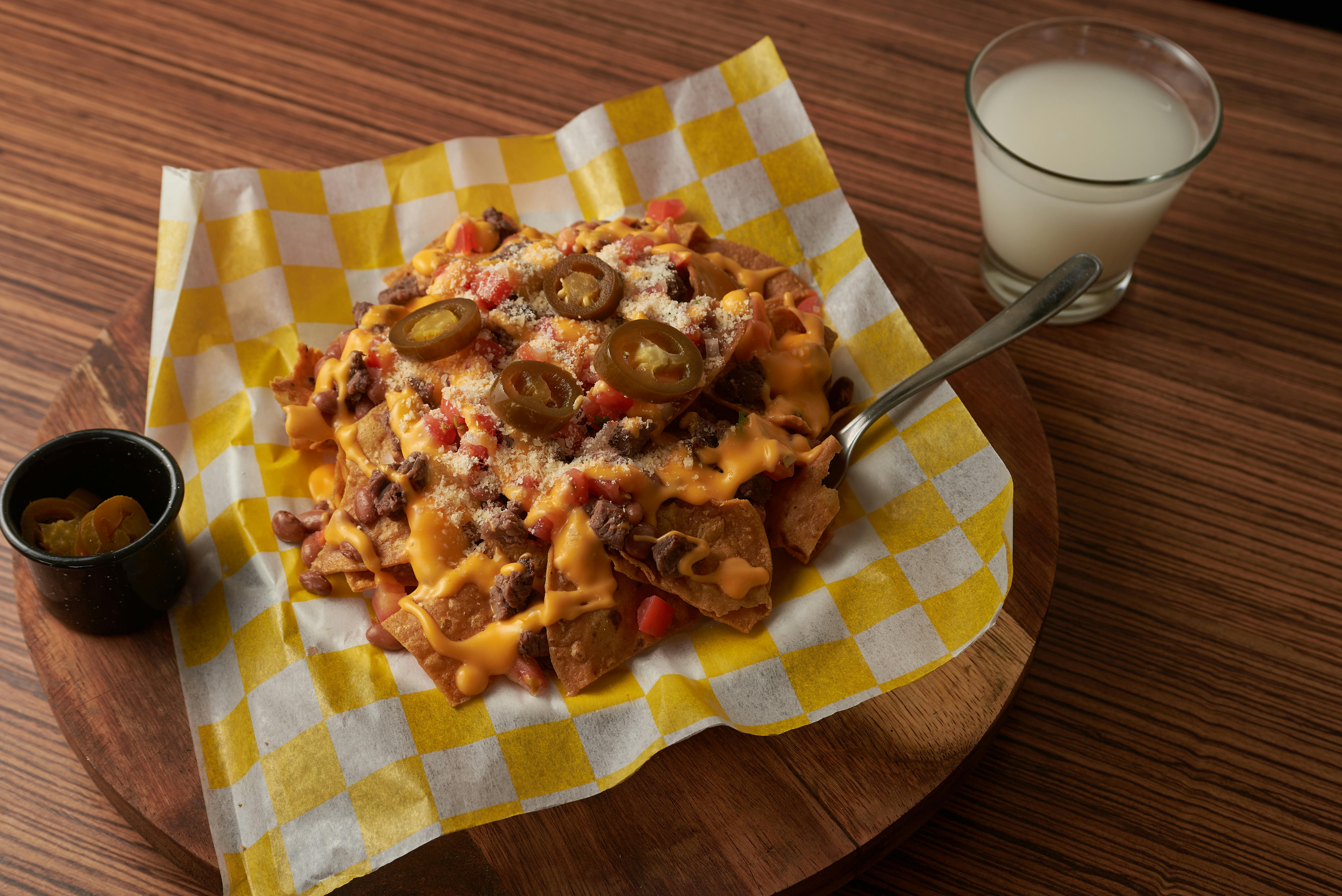
Few snack foods feel more casual than nachos, which is probably why the name sounds like slang rather than a person. In reality, nachos are named for Ignacio Anaya, whose nickname was Nacho. He worked in Piedras Negras, Mexico, just across from Eagle Pass, Texas, where the dish was created in 1943.
The standard story, preserved in local accounts and repeated in food history, says a group of U.S. Army wives arrived after the kitchen had closed. Anaya improvised by topping tortilla chips with cheese and sliced jalapeños, then heating them. When asked what the dish was called, he reportedly answered, "Nacho's especiales."
That simple plate became a regional hit and later an international stadium staple. The transformation says a lot about food culture in North America, where borderland inventions often travel far beyond their birthplace. What millions now treat as generic bar food began as the quick thinking of one restaurant worker with a memorable nickname.
The sandwich was named for an earl, not invented out of nowhere
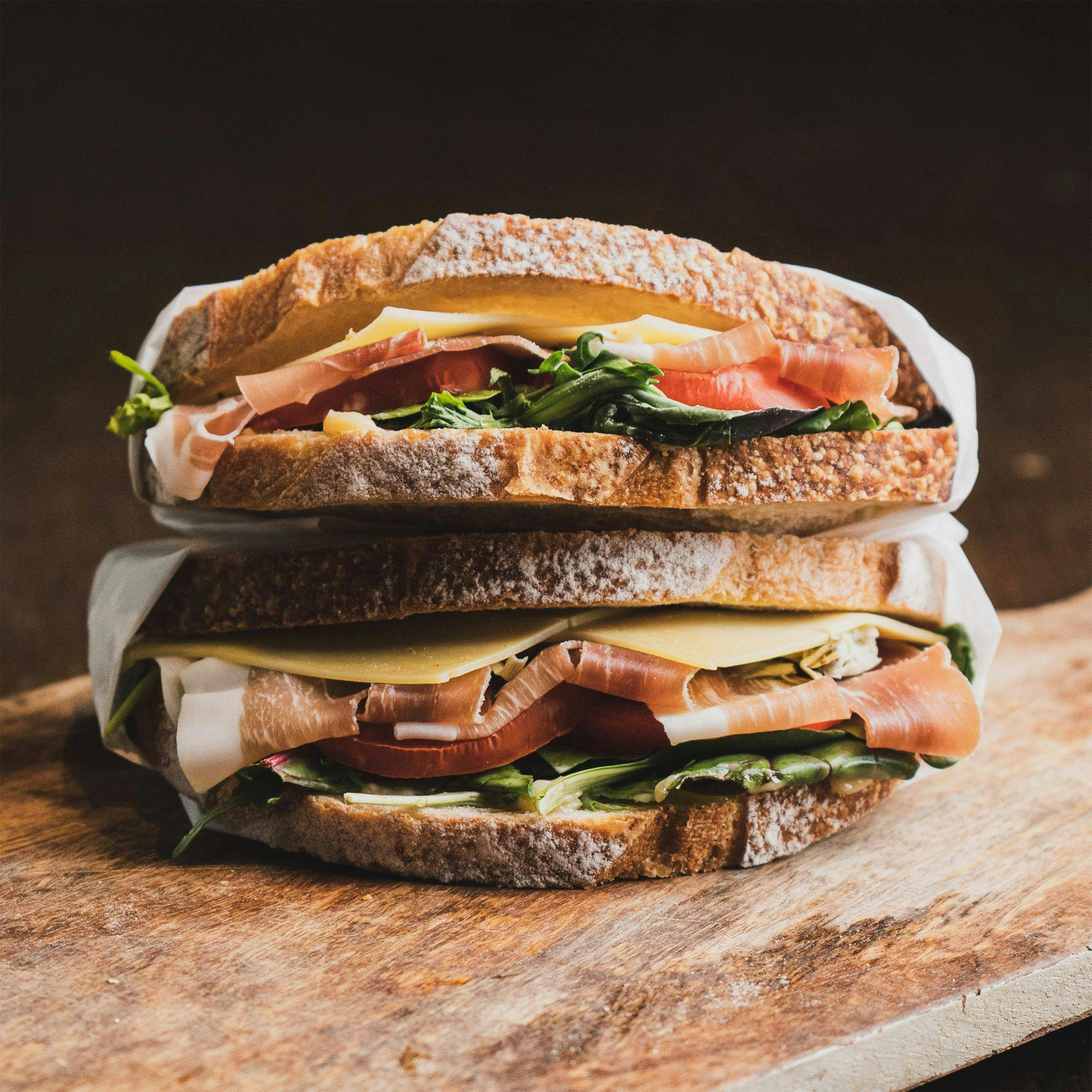
The sandwich is so universal that its name now feels almost detached from history. Yet it is closely linked to John Montagu, the 4th Earl of Sandwich, an 18th-century English aristocrat. The familiar tale says he wanted meat tucked between bread so he could eat without interrupting cards or work, depending on which version you read.
Historians generally agree that Montagu did not invent the broader concept of putting fillings in bread. People had done that in many cultures for centuries. What he seems to have done was lend his title to a fashionable habit that others then copied by name, asking for "the same as Sandwich."
That distinction matters because eponymous foods are often about naming, not invention. The earl's fame did not come from culinary genius but from social influence. A practical meal associated with one titled man eventually became one of the most common food words in the world, even though the person behind it is now rarely discussed.
Fettuccine Alfredo honors a Roman restaurateur, not a vague Italian tradition

Many diners assume Alfredo sauce is just a generic Italian label, like marinara or arrabbiata. In fact, the dish is associated with Alfredo di Lelio, a Roman restaurateur in the early 20th century. He is said to have created or popularized the buttery pasta to tempt his wife's appetite after childbirth, then served it at his restaurant.
The original version was much simpler than the heavy cream-based Alfredo common in the United States. It centered on fettuccine tossed with butter and Parmesan, relying on technique and pasta water to create a rich coating. When Hollywood stars Mary Pickford and Douglas Fairbanks reportedly praised it after visiting Rome, the dish gained international attention.
That celebrity boost helped detach the name from the man. Over time, "Alfredo" turned into shorthand for a whole category of creamy pasta, especially in American chain restaurants. But the namesake was a specific restaurateur whose dining-room performance and signature preparation turned a personal recipe into a global menu fixture.
The Reuben likely traces back to one little-known Reuben, not the most famous guess
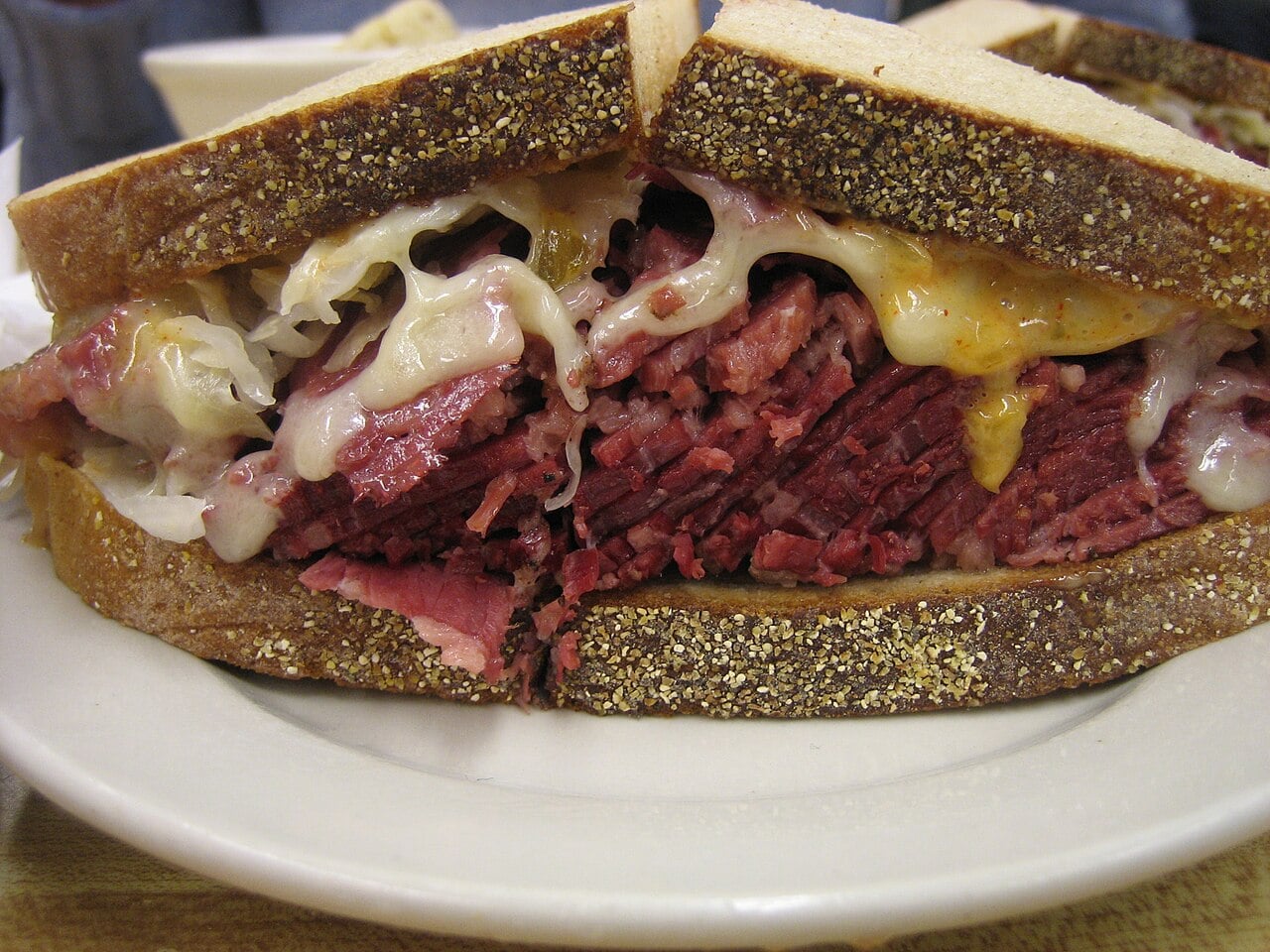
Reuben sandwiches inspire constant debate because several origin stories compete for authority. The most credible one often points to Reuben Kulakofsky, a Lithuanian-born grocer in Omaha, Nebraska. As the story goes, he requested the corned beef, Swiss cheese, sauerkraut, and rye combination during poker games held at the Blackstone Hotel in the 1920s.
Another claim credits Arnold Reuben, a New York deli owner, with creating a similar sandwich. Food writers have examined menus, interviews, and family accounts for decades, and no version is completely free of dispute. Even so, the Omaha story has drawn strong support from local documentation and long-standing testimony.
What matters most for this list is the mistaken assumption people make. Many have heard the name Reuben without any idea it belonged to an actual person, much less an obscure Midwestern grocer. Like many food eponyms, the sandwich preserves a biography in miniature, even after the person himself has slipped from public memory.



Leave a Reply