
Canada's grocery landscape is changing in plain sight. The stores gaining ground are not just selling food, they are serving a version of Canada that many legacy chains were slow to recognize.
They understand Canada's fastest-growing shoppers

The first advantage is demographic reality. Immigration has driven most of Canada's population growth in recent years, and newcomers do not leave their food cultures behind when they arrive. They look for specific rice varieties, spice blends, halal meats, Caribbean produce, East Asian sauces, and bakery items that are part of everyday life, not occasional treats.
Multicultural grocers built their business around that truth. Chains such as T&T Supermarket, Nations Fresh Foods, Seafood City, and many strong independents stock products that match actual household demand in cities like Toronto, Vancouver, Calgary, and Montreal. What looks niche from a traditional head office often represents a large, stable, repeat customer base on the ground.
Traditional chains have tried to respond with international aisles, but that model often misses the point. People do not shop for culture in one narrow aisle. They want freshness, range, trusted brands, and staff who understand the product, how it is used, and why quality differences matter.
Their value proposition is sharper in an age of food inflation

Price is the second major reason. As food inflation has strained household budgets, shoppers have become more deliberate, more experimental, and less loyal to big banners. Multicultural grocers often compete aggressively on produce, bulk staples, frozen seafood, sauces, noodles, lentils, and cuts of meat that stretch a budget further.
Part of that comes from operating models that are more disciplined and less dependent on expensive branding theatre. Many multicultural stores devote more floor space to high-turnover essentials and less to polished merchandising that raises costs without improving value. Customers notice quickly when a basket of vegetables, herbs, tofu, fish, and pantry staples goes further at one store than another.
There is also a cultural fluency around economical cooking. Stores serving South Asian, Chinese, Filipino, Middle Eastern, African, and Latin American communities often stock ingredients suited to scratch cooking, batch meals, soups, stews, stir-fries, and family-style eating. In a high-cost economy, that is not just cultural relevance. It is a practical advantage.
Freshness is not a slogan there, it is the traffic driver
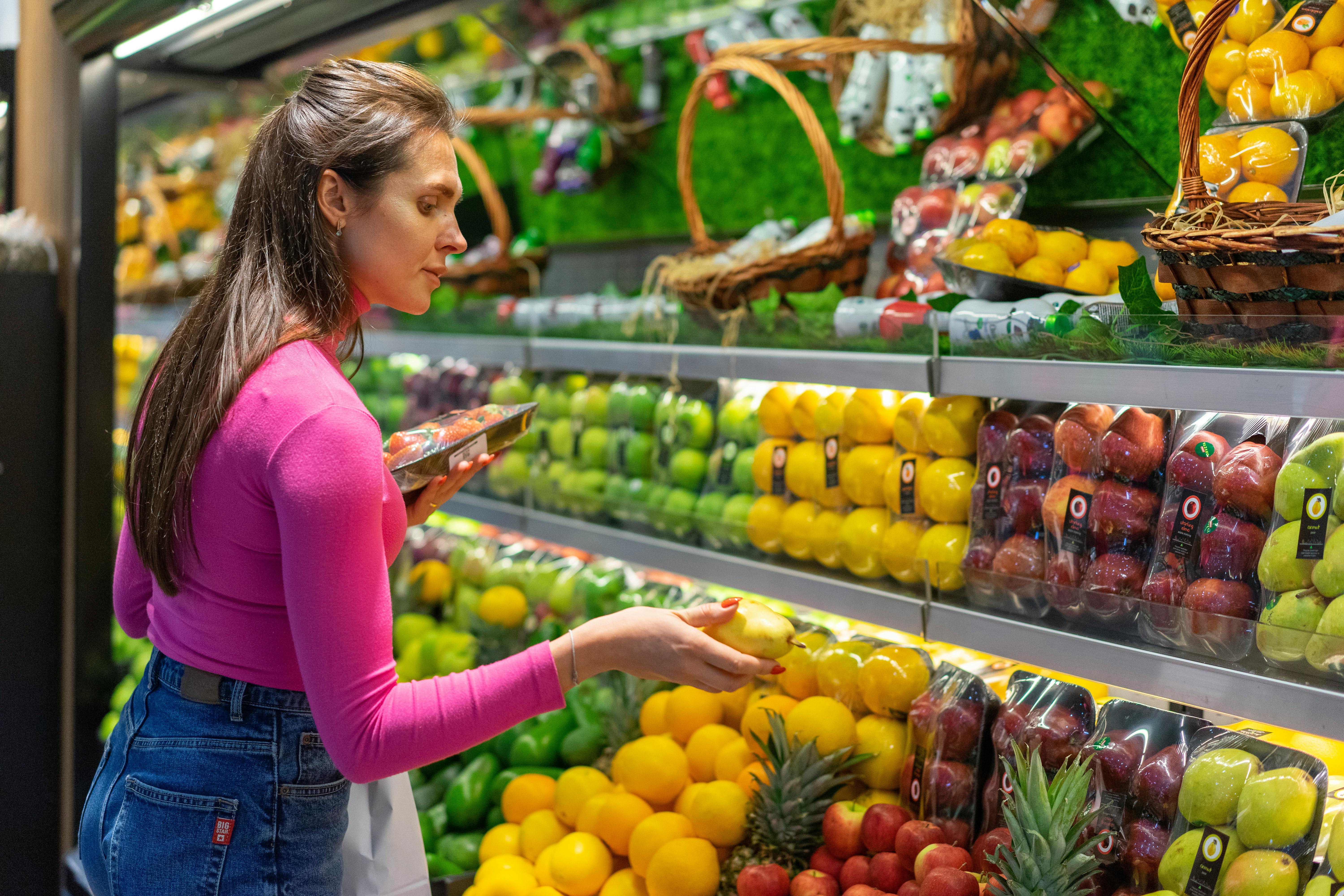
A major weakness at some conventional chains is that fresh departments can feel standardized rather than alive. Multicultural grocers frequently make produce, seafood, meat, and prepared foods the center of the store experience. That creates energy, urgency, and a sense that inventory moves fast, which shoppers often associate with freshness.
Walk through a strong multicultural market and the signals are obvious: busy fish counters, roasted meats, live herbs, region-specific greens, warm bakery items, and hot food that turns a grocery trip into a meal solution. The store feels connected to daily cooking habits rather than weekly abstract planning.
This matters because shoppers increasingly judge a grocer by perishables, not shelf space. A 40-foot cereal section does not create loyalty the way crisp bok choy, fresh cassava, quality lamb, or just-made buns can. Traditional chains still have scale, but scale alone does not guarantee a compelling fresh offer.
They treat food culture as mainstream, not specialty

The uncomfortable part for legacy chains is not simply competition. It is that multicultural grocers expose how outdated the old definition of mainstream retail has become. In many Canadian neighborhoods, foods once treated as ethnic specialties are now standard household purchases across backgrounds and generations.
Younger shoppers in particular move fluidly across cuisines. One household may buy kimchi, atta flour, tortillas, miso, Scotch bonnet peppers, tahini, and frozen dumplings in the same trip. Multicultural grocers are designed for that reality, while conventional chains often still organize assortment around a narrower idea of the average customer.
That gap affects trust. When shoppers feel seen, they return more often and spend more confidently. When they feel a store only partially understands them, they cherry-pick a few basics and go elsewhere for the rest. Over time, that turns a primary shop into a secondary one.
They move faster than large chains usually can

Speed matters in grocery, especially when tastes shift quickly through immigration, social media, restaurant culture, and home cooking trends. Independent multicultural retailers and specialized chains are often better at spotting emerging demand and getting products onto shelves without months of internal review.
A conventional chain may need category approval, supplier onboarding, volume planning, and national merchandising alignment before expanding a niche item. A multicultural operator can react at store or regional level, test it, and scale if it works. That flexibility is a serious competitive asset in dense urban markets.
It also helps them localize. A store in Markham, Brampton, Surrey, or Scarborough can tailor its mix to nearby communities rather than forcing a national template onto every neighborhood. In grocery, local knowledge often beats corporate uniformity, especially when customer needs are highly specific.
The real issue is that traditional chains were too slow to change
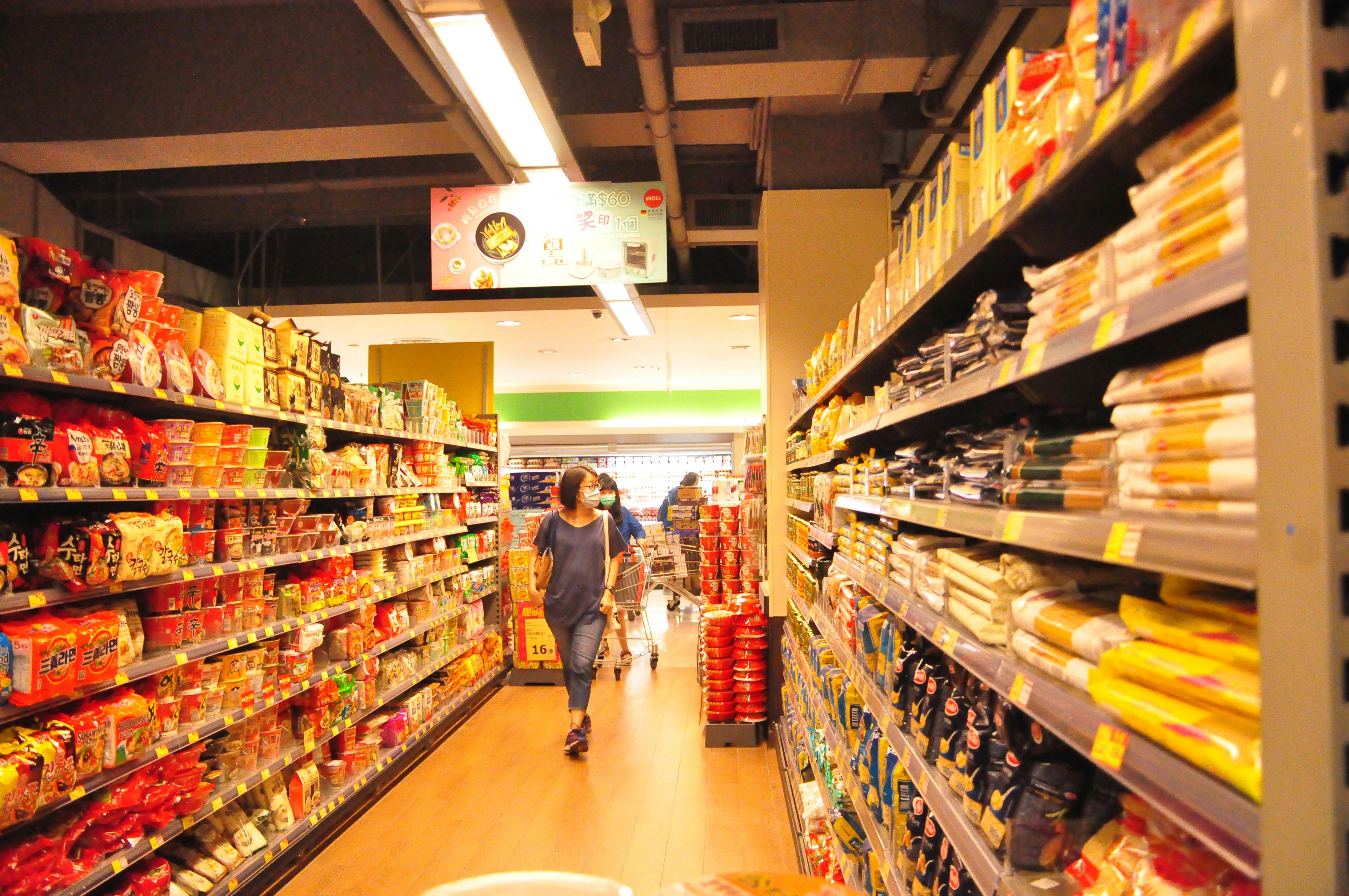
The rise of multicultural grocers is not a temporary trend or a narrow immigrant story. It is a broader verdict on who understands modern Canadian demand. These stores are winning because they combine value, freshness, localization, and cultural competence in a way many larger chains still struggle to match consistently.
That does not mean traditional grocers cannot adapt. Some are expanding global assortments, improving fresh programs, and using data better. But the deeper challenge is institutional: they must stop treating multicultural retail as an add-on and start treating it as central to the future of Canadian food retail.
In that sense, the reason is uncomfortable because it is simple. Multicultural grocers are outgrowing traditional Canadian chains not by serving the margins, but by serving the country as it actually is now.




Leave a Reply