
The argument looks simple on social media. In reality, it touches chemistry, public health, politics, and the way people decide whom to trust.
Why this debate exploded online in the first place

What made this issue blow up is not just that Canada and the United States have different food rules. It is that grocery store comparisons are perfect internet material. A bright cereal box, a familiar sports drink, or a fast-food bun becomes an instant before-and-after image that feels easy to judge, even when the regulatory story behind it is much more technical.
The viral claim usually goes something like this: if Canada banned it, why is America still eating it? That framing is powerful because it suggests one country is protecting families while the other is not. Influencers, wellness creators, and even some politicians have amplified that message, often using ingredient labels as shorthand for larger frustrations about chronic disease, processed food, and distrust of big corporations.
But the word "banned" often does more work than the facts support. In some cases, Canada truly prohibits a specific additive or sets a stricter limit. In other cases, companies simply sell a different recipe there because of consumer preference, labeling rules, or reformulation decisions. According to food law experts, differences between the two countries are real, but they are not always evidence that one product is dangerous in one place and safe in another.
That nuance is exactly what the internet tends to flatten. Once side-by-side ingredient lists appear, people read them as moral verdicts. The debate then stops being about one dye or preservative and starts becoming a referendum on the entire food system.
The ingredients people keep pointing to again and again
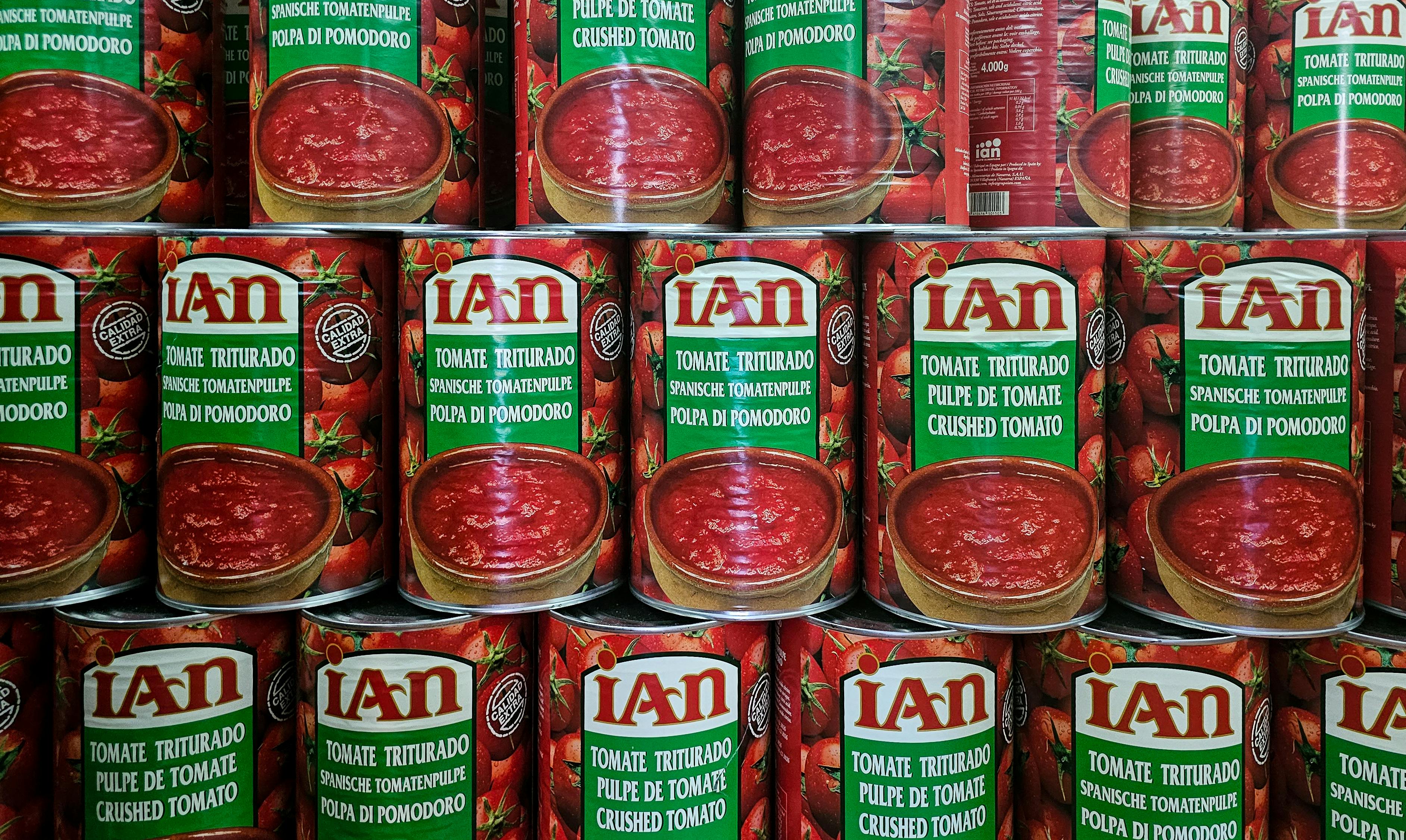
At the center of the argument are a handful of ingredients that have become famous online. Potassium bromate in bread, brominated vegetable oil in drinks, titanium dioxide in some foods, certain artificial color additives, and preservatives such as BHA have all been pulled into the spotlight. These names sound highly chemical, which makes them easy targets in viral posts.
Some of those examples do involve meaningful policy differences. Potassium bromate, a flour improver used in some baked goods, is not permitted in Canada and has faced scrutiny elsewhere because high-dose animal studies raised cancer concerns. Brominated vegetable oil, once used in some citrus-flavored drinks, was also prohibited in Canada long before the United States moved to phase it out more recently. Those are clear cases where Canadian regulators took a stricter approach earlier.
Artificial food dyes are more complicated. Canada allows several synthetic colors, but its regulatory framework and product formulations can differ from those in the United States. In practice, many multinational brands use less dye, different dye blends, or natural color alternatives in Canadian products. That has helped create the impression that dyes are broadly "banned" there, even when the finer legal picture is more mixed.
The internet often bundles all these substances into one alarming list. Yet each ingredient has its own toxicology, exposure levels, and legal history. A serious discussion has to separate them rather than treating every additive as equally risky.
Canada and the United States do not regulate food the same way
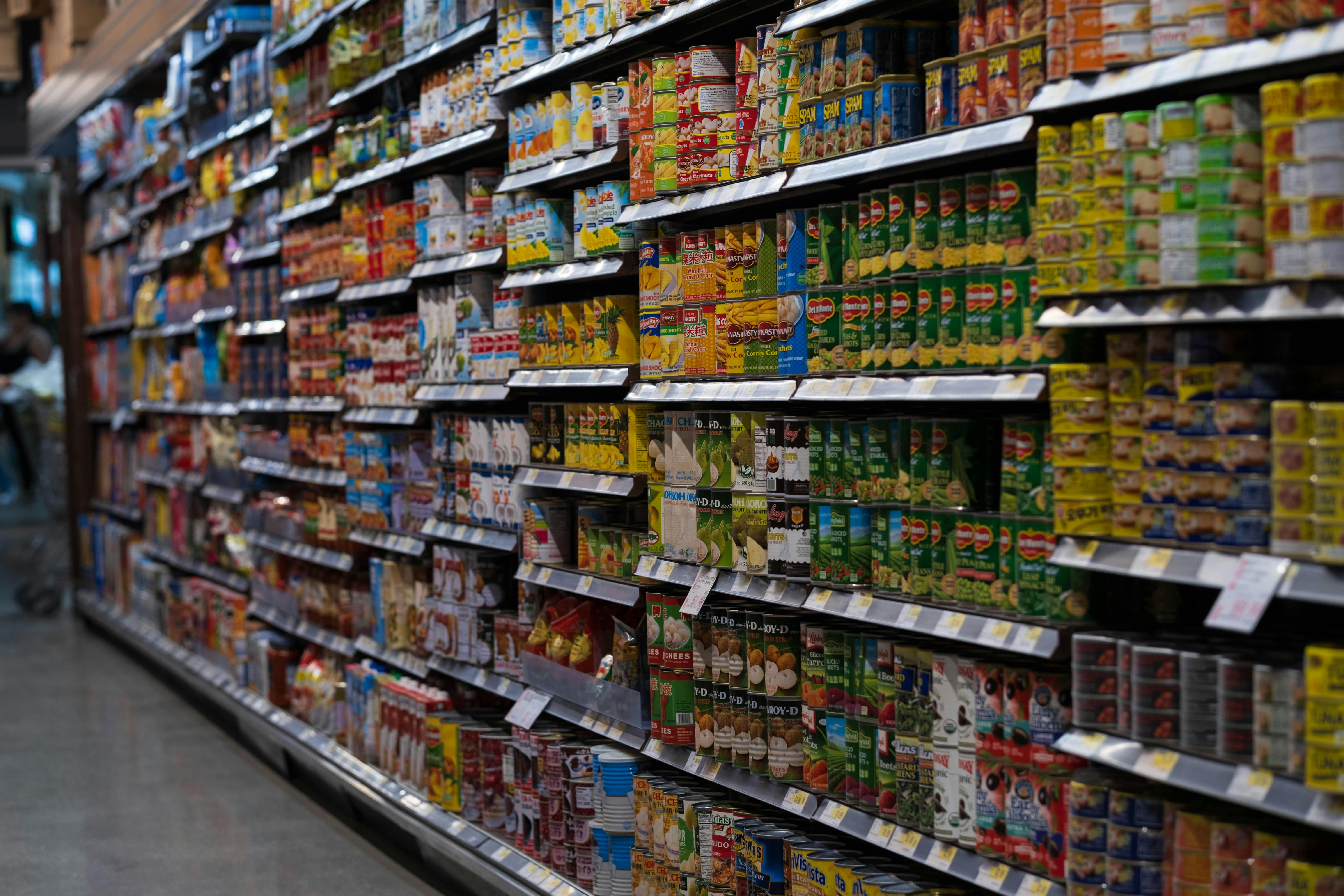
One reason the debate feels so confusing is that people assume neighboring countries use the same rulebook. They do not. In the United States, the Food and Drug Administration oversees food additives under a system that has long relied in part on manufacturer-submitted safety data and the controversial GRAS pathway, meaning "generally recognized as safe." Critics have argued for years that this system can move too slowly when new evidence emerges.
Canada regulates food additives through Health Canada and the Canadian Food Inspection Agency, using a different approval and review structure. In practical terms, Canada has often been quicker to disallow specific uses, set narrower permissions, or maintain more conservative policies on certain ingredients. That does not mean every Canadian decision is automatically stricter across the board, but it does mean the countries can reach different outcomes from similar evidence.
Risk assessment also matters. Regulators do not ask only whether a substance can cause harm under some condition. They ask how much people are likely to consume, over how long, and whether that exposure level presents an unacceptable risk. This is why an ingredient can sound scary in a headline yet still remain legal if regulators believe ordinary consumption falls below a danger threshold.
That technical process is hard to condense into a 20-second video. Social media favors the clean conclusion that one nation cares more. Regulatory reality is slower, less emotional, and far more dependent on dose, usage, and ongoing review.
What the science actually says about the health concerns

The deepest anxiety driving this fight is not really about labels. It is about whether ultra-processed food and additive-heavy diets are contributing to rising rates of obesity, diabetes, heart disease, and other chronic illnesses. On that broader point, many researchers agree there is reason for concern, though not every ingredient on a viral blacklist carries the same level of evidence.
Some additives became controversial because animal studies suggested potential harms at high doses. Others raised concerns related to hyperactivity in children, allergic reactions, or possible carcinogenic effects. Certain synthetic dyes, for example, have been debated for years, and some research has linked specific colorings to behavioral effects in susceptible children. That does not mean every child will react the same way, but it does explain why parents respond strongly to the issue.
The harder truth is that health risk from food is cumulative. A single brightly colored snack is not the whole story. What matters more is a daily pattern built around highly processed foods that are often rich in sodium, sugar, refined starches, and industrial additives while being low in fiber and whole ingredients. Public health experts frequently note that the formulation of the modern diet matters as much as any one controversial compound.
So the viral ingredient debate is not entirely wrong. It is simply incomplete. The science supports caution in some areas, stronger evidence review in others, and a much wider conversation about the food environment Americans live in every day.
Why brands sell different formulas on each side of the border
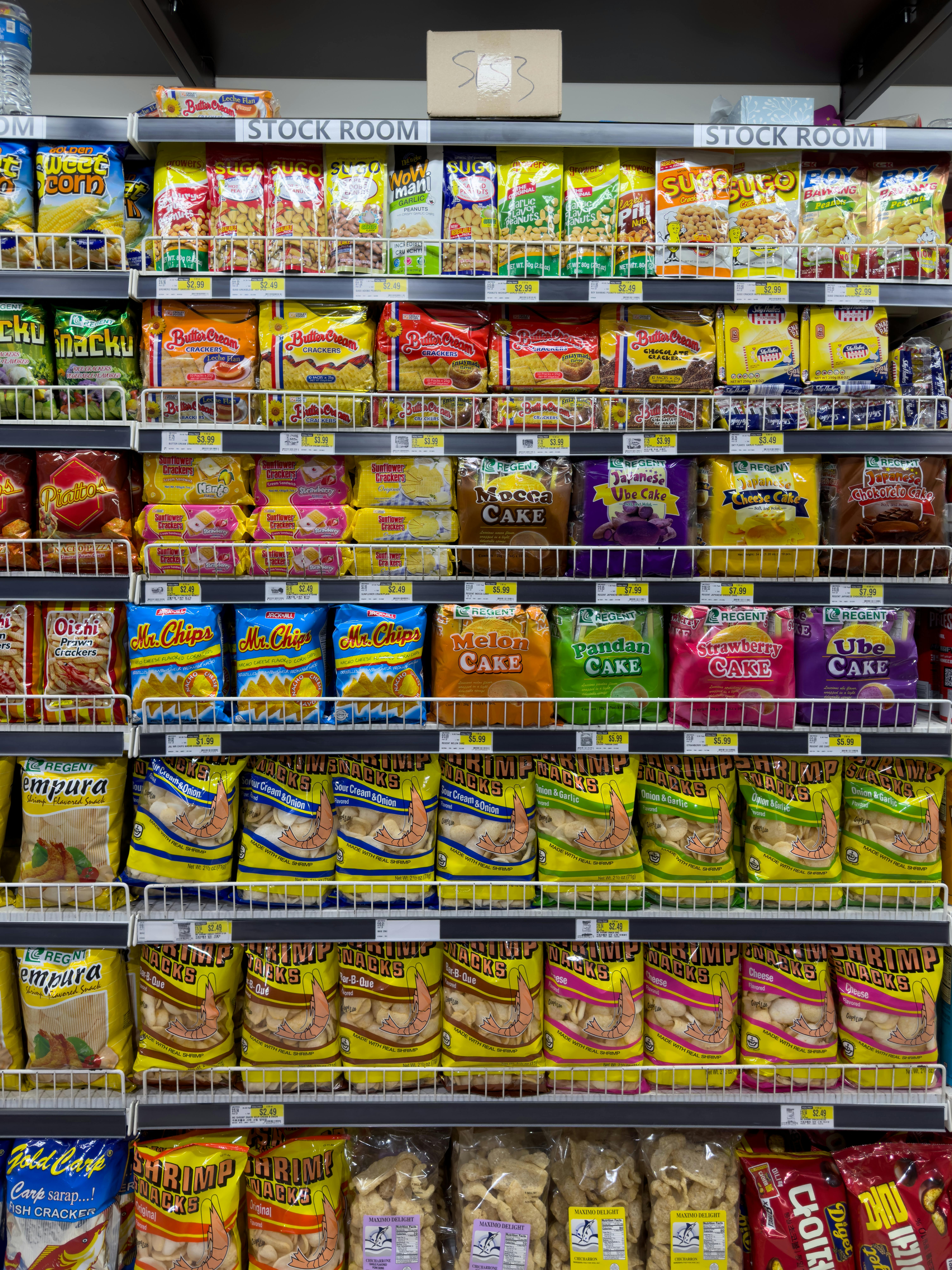
Here is the part many consumers miss: companies reformulate all the time, and they do not do it only because a government forced them to. Brands make different versions for different markets because of local regulations, supply chains, ingredient costs, taste expectations, and marketing strategy. A cereal sold in Canada may use a different dye system, sweetener balance, or preservative package simply because the company decided that formula works better there.
This is one reason side-by-side comparisons can be both revealing and misleading. They do reveal that alternatives are possible. If a major brand can make a product without a disputed additive for one country, people naturally ask why it cannot do the same elsewhere. That is a fair question, and it has become one of the strongest arguments in the online backlash against American food manufacturing.
At the same time, different formulas do not always signal a secret danger. Sometimes they reflect labeling preferences or consumer demand for simpler ingredient lists. In recent years, many companies have quietly removed additives from products after public pressure, not because the science suddenly changed overnight, but because shoppers increasingly equate shorter labels with safer food.
That market pressure matters. Internet outrage may be messy, but it has helped push transparency, reformulation, and closer scrutiny of ingredients that once escaped broad public attention.
What this argument is really about and what happens next

Beneath the ingredient lists, this is a trust story. People want to believe that if a food is on a supermarket shelf, someone has rigorously checked that it belongs there. When they learn that another country took a stricter stance on the same ingredient, confidence can crack quickly. That emotional reaction is why this debate feels bigger than food science alone.
The most likely outcome is not a dramatic overnight purge of American grocery aisles. Change usually comes in layers. Regulators review ingredients one by one, states pass their own restrictions, companies reformulate selectively, and public pressure keeps building. Recent moves against certain additives in the United States show that the system does respond, though often far more slowly than frustrated consumers would like.
For ordinary shoppers, the practical takeaway is straightforward. Read labels, favor less processed foods when possible, and treat viral claims with caution until they are matched against actual regulatory language and credible scientific review. Not every alarming post is accurate, but not every concern is overblown either.
That is why the internet cannot stop arguing about this subject. It combines something personal, what families eat every day, with a larger question that modern consumers keep asking: is convenience being prioritized over long-term health, and if so, who is supposed to fix it?




Leave a Reply