
It used to be a basic kitchen staple, then it got pushed aside. Now tallow is back, and a lot of people want to know if it's a smart return or just another food trend.
Why tallow disappeared and why it's suddenly back
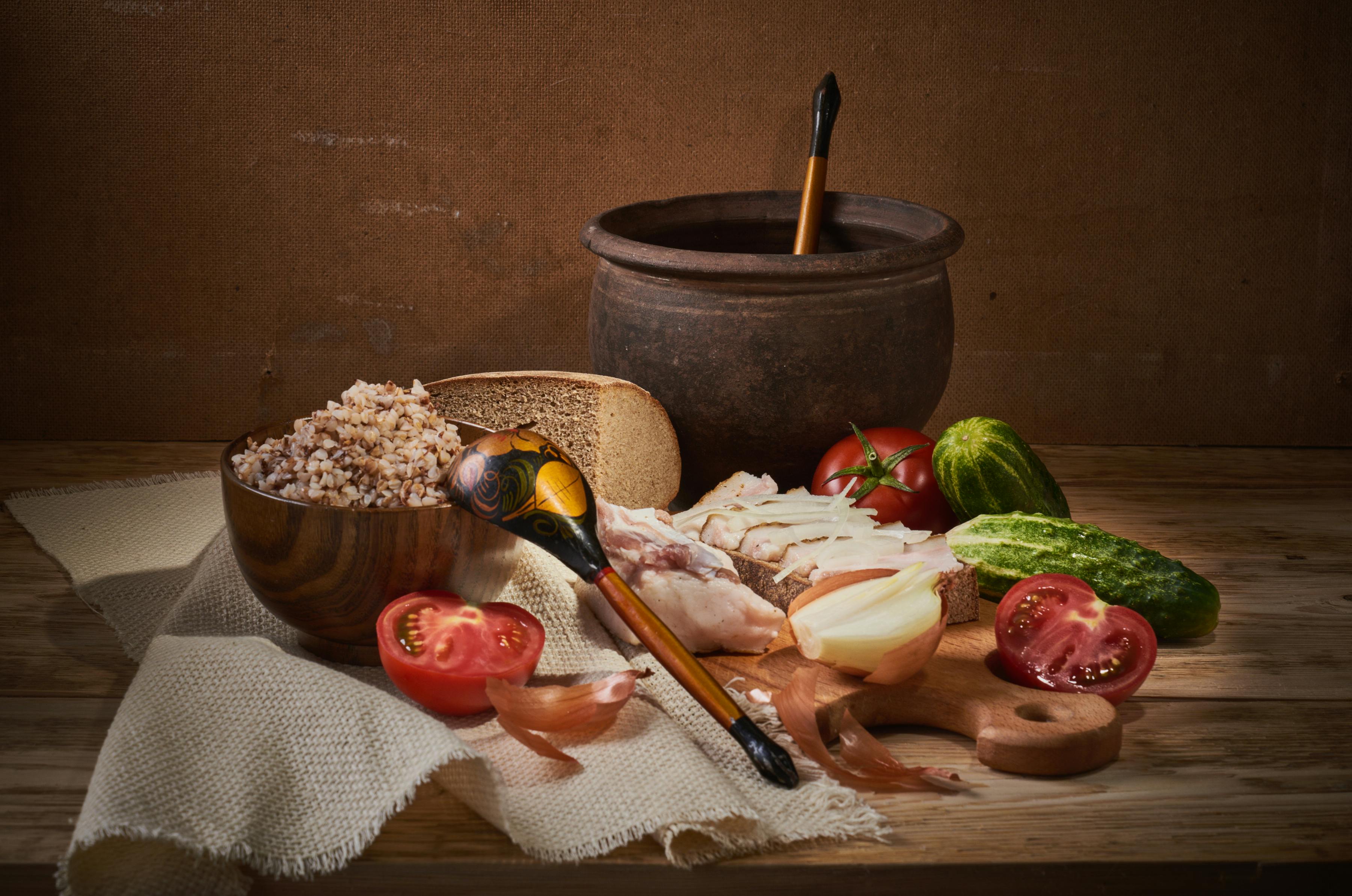
For most of modern cooking history, animal fats were normal. People cooked potatoes in beef drippings, baked with lard, and saved rendered fat the way later generations saved bottles of olive oil. Tallow, which is rendered beef fat, was valued because it was stable, flavorful, and useful for everything from frying to roasting. In older home kitchens, wasting it would have seemed strange.
That changed in the late 20th century, when public health messaging shifted hard against saturated fat. Vegetable oils were marketed as lighter, cleaner, and more modern. Fast-food chains famously moved away from beef tallow for French fries, and supermarket shelves filled with canola, soybean, corn, and blended seed oils. Tallow began to look old-fashioned, even unhealthy, whether or not people understood the full nutritional tradeoff.
Its comeback is being driven by a few overlapping forces. One is a general return to traditional food practices, including sourdough, bone broth, fermented foods, and whole-animal cooking. Another is skepticism toward ultra-processed ingredients. A lot of shoppers now read labels more closely and feel better using a single-ingredient cooking fat than a refined blend with a complicated backstory.
Social media has also amplified the revival. Home cooks show off tallow-fried potatoes, cast-iron sears, and jars of homemade rendered fat stored next to butter. At the same time, regenerative agriculture and nose-to-tail eating have helped give tallow an ethical angle: if an animal is being used for meat, many cooks argue it makes sense to use the fat too instead of discarding it.
What tallow actually is and what it does in cooking
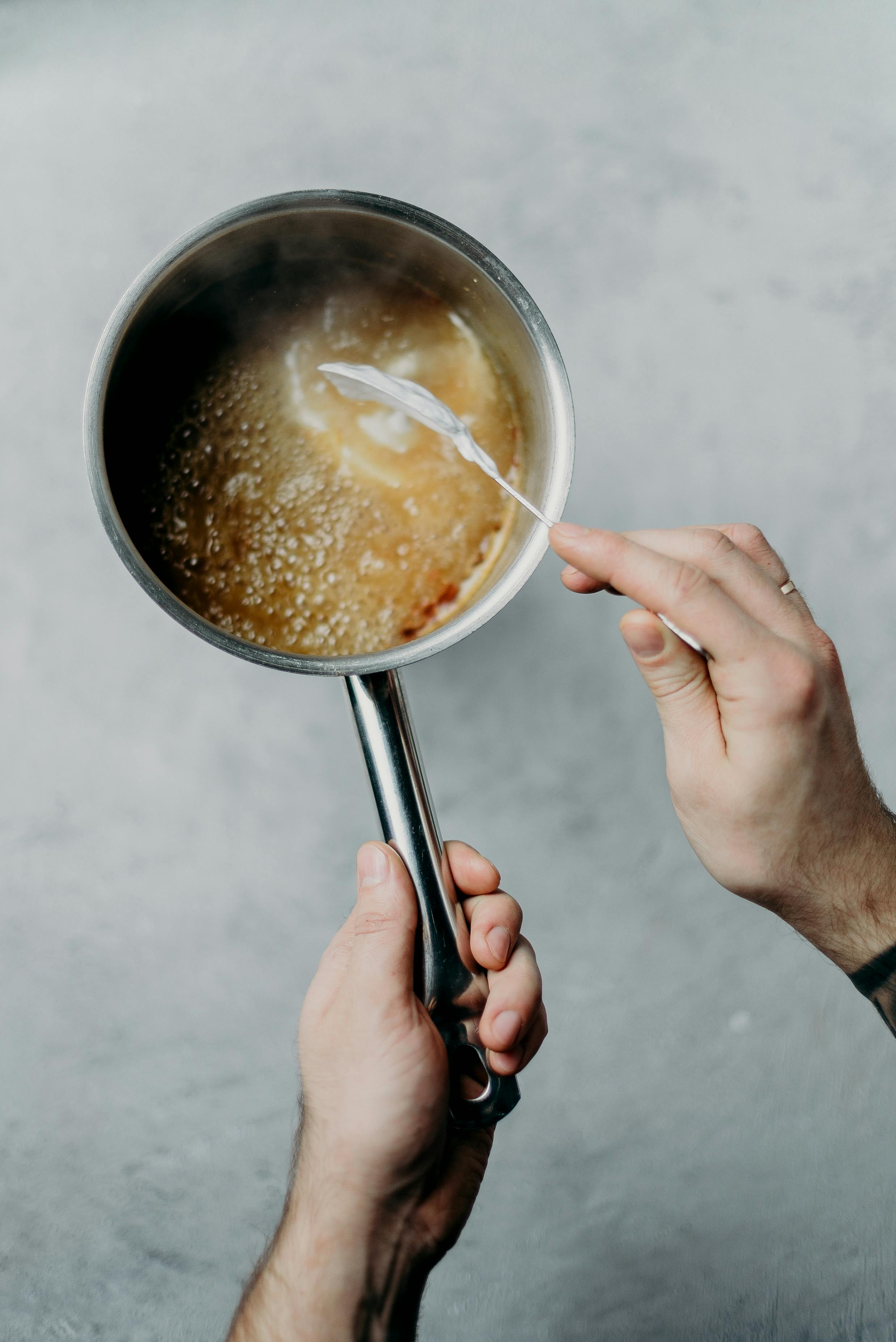
Tallow is made by slowly rendering suet or other beef fat until the solid bits separate and the pure fat can be strained off. Once cooled, it becomes firm, pale, and shelf-stable for a decent stretch if stored properly. It is not the same as bacon grease and not exactly the same as lard, which comes from pork. Good tallow has a mild beefy aroma, but when cleanly rendered it usually tastes less intense than people expect.
In the kitchen, its biggest strength is heat stability. Because it contains a high proportion of saturated and monounsaturated fats, it holds up well under high temperatures compared with many delicate oils. That makes it useful for searing steaks, roasting vegetables, shallow frying, and deep frying. It is one reason old-school fries cooked in tallow developed a reputation for rich flavor and exceptional crispness.
Texture matters too. Tallow coats food differently than many liquid oils, which can help create browning and a more substantial mouthfeel. Toss potatoes in melted tallow before roasting and you often get darker edges, crisper surfaces, and a fluffier center. Add a spoonful to a hot pan before cooking mushrooms or onions and you get fast caramelization with a savory backbone.
It also works beyond frying. Some cooks use it in savory pie crusts, biscuits, tortillas, or confit-style cooking. Others blend small amounts into ground meat for burgers or meatballs that stay juicy. You do not need to build your entire cooking life around it, but for certain jobs tallow is extremely effective.
The nutrition question: better than seed oils, or just different?
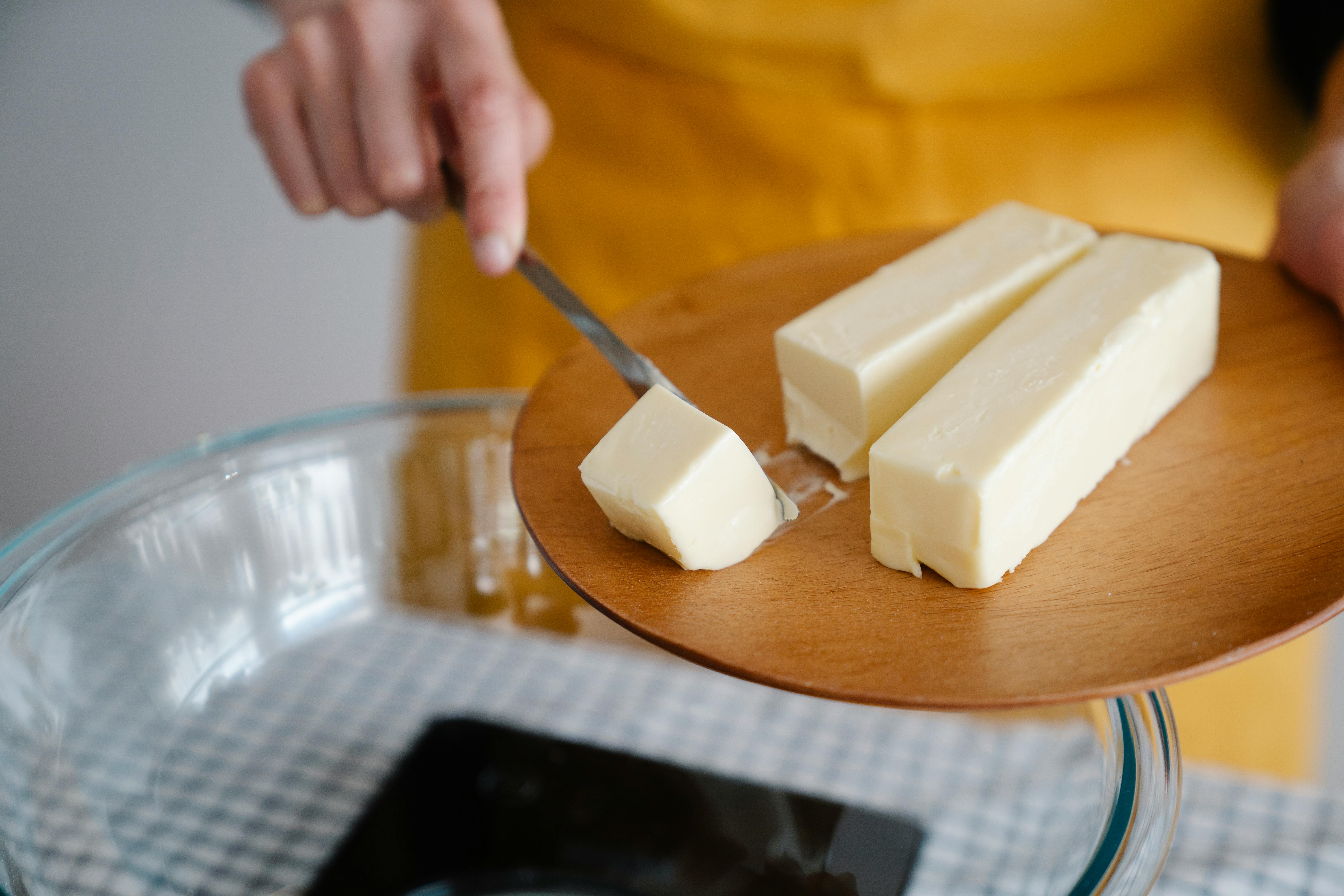
This is where the conversation gets noisy. Tallow supporters often frame it as a clean, ancestral fat and compare it favorably with heavily refined industrial oils. Critics focus on its saturated fat content and point to long-standing dietary guidance that still recommends limiting saturated fat for cardiovascular health. Both sides tend to oversimplify.
Nutritionally, tallow is mostly saturated and monounsaturated fat, with smaller amounts of polyunsaturated fat. That profile gives it cooking stability, but it does not automatically make it a health food. A tablespoon still carries a lot of calories, and regular intake can add up fast if your diet is already heavy in energy-dense foods. Context matters more than internet slogans.
A 2024 study found that the health impact of fats depends heavily on what they replace and the overall pattern of the diet. Replacing ultra-processed foods with home-cooked meals can improve eating quality even if some of those meals use traditional fats. But swapping moderate amounts of olive oil, nuts, seeds, and fish for large amounts of tallow is not some magic upgrade. The Mediterranean pattern still has one of the strongest evidence bases in nutrition.
The most balanced view is that tallow can be a useful cooking fat without needing to be treated as either poison or miracle food. If you like it, use it intentionally. It makes the most sense in a diet built around whole foods, vegetables, legumes, quality proteins, and reasonable portions, rather than as a license to deep-fry everything in sight.
Why chefs and home cooks like the results so much
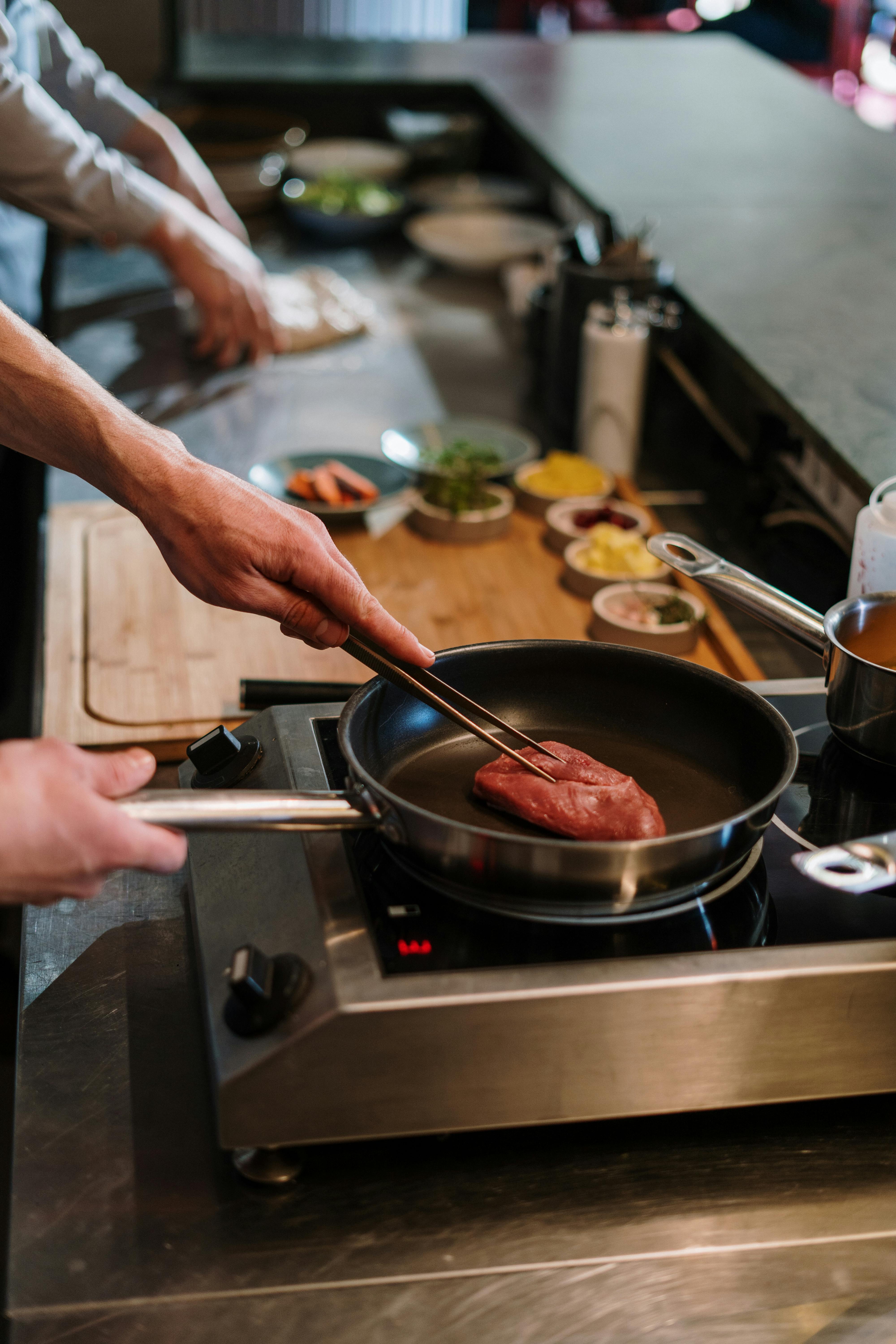
Flavor is the obvious draw. Tallow gives food a subtle beefy depth that butter cannot quite replicate and neutral oils cannot provide at all. In fries, hash browns, roast potatoes, and pan-seared meats, that extra savoriness reads as richer and more complete rather than aggressively meaty. Even vegetables can benefit, especially brassicas, mushrooms, carrots, and onions.
Professional kitchens also appreciate consistency. Tallow performs predictably at high heat and tends to produce steady browning across batches. In busy service, that matters. A chef trying to get a hard crust on a steak or maintain quality in repeated frying cycles wants a fat that behaves reliably, and tallow has a long reputation for doing exactly that.
At home, part of the appeal is practical. Rendered tallow can be made from leftover trimmings, stored in jars, and used a little at a time. For people buying beef in bulk from local farms, it feels efficient and economical. Instead of paying premium prices for multiple specialty oils, they keep one versatile fat for roasting, frying, and skillet cooking.
There is also an emotional factor that should not be ignored. Tallow makes cooking feel more tactile and less packaged. It connects people to older food traditions, to butchers, to cast-iron pans, and to the idea that ingredients should be useful in more than one way. For many cooks, that sense of substance is part of the attraction.
What to buy, how to use it, and the mistakes people make
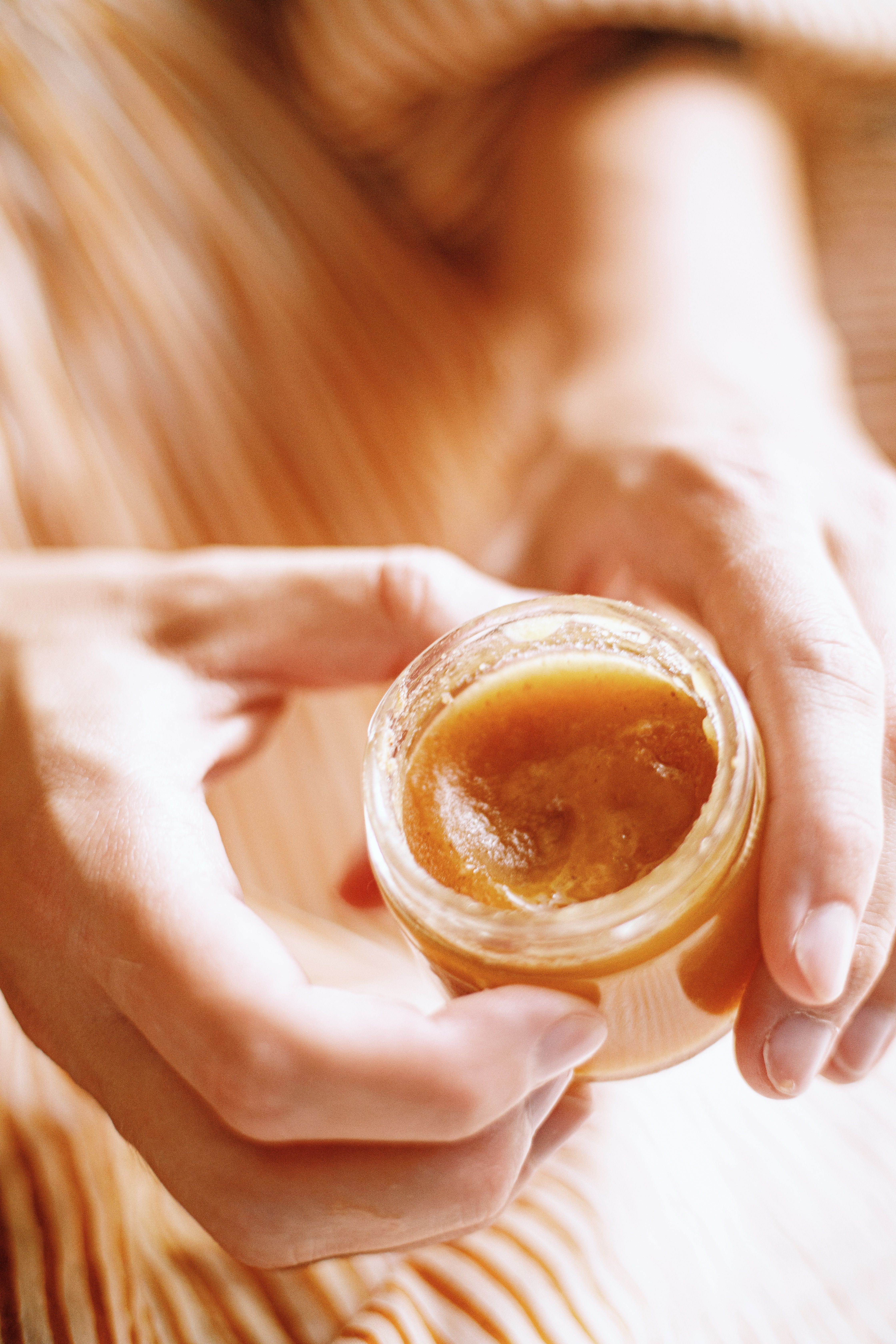
If you are buying tallow, look for a clean ingredient list and decent sourcing. Some jars are made from suet, which many cooks prefer for a cleaner flavor. Grass-fed is often marketed as superior, and while the fatty acid profile can differ somewhat, the bigger quality issue for most people is whether the tallow was rendered well and stored properly. Rancid or poorly filtered tallow can smell harsh and taste unpleasant.
Using it is simple, but people often overdo it at first. Start with a spoonful for roasting potatoes, frying eggs, or searing burgers. Melt it fully before tossing with vegetables so it coats evenly. Because it firms up when cool, it behaves differently from olive oil in dressings or marinades, so it is not an all-purpose substitute in every recipe.
Storage is another common question. Tallow is more stable than many oils, but heat, light, air, and moisture still shorten its life. Keep it in a sealed jar in a cool, dark place for shorter-term use, or refrigerate it if you go through it slowly. Always use a clean spoon so you do not introduce crumbs or water that can affect freshness.
One more mistake is expecting every dish to taste better with it. Tallow shines in hearty, savory cooking. It is less useful where you want bright, peppery, fruity, or delicate notes. Fish, vinaigrettes, and many cakes are still better with other fats. The smartest approach is not replacing everything with tallow, but knowing when its particular strengths fit the job.
The bigger reason tallow resonates right now
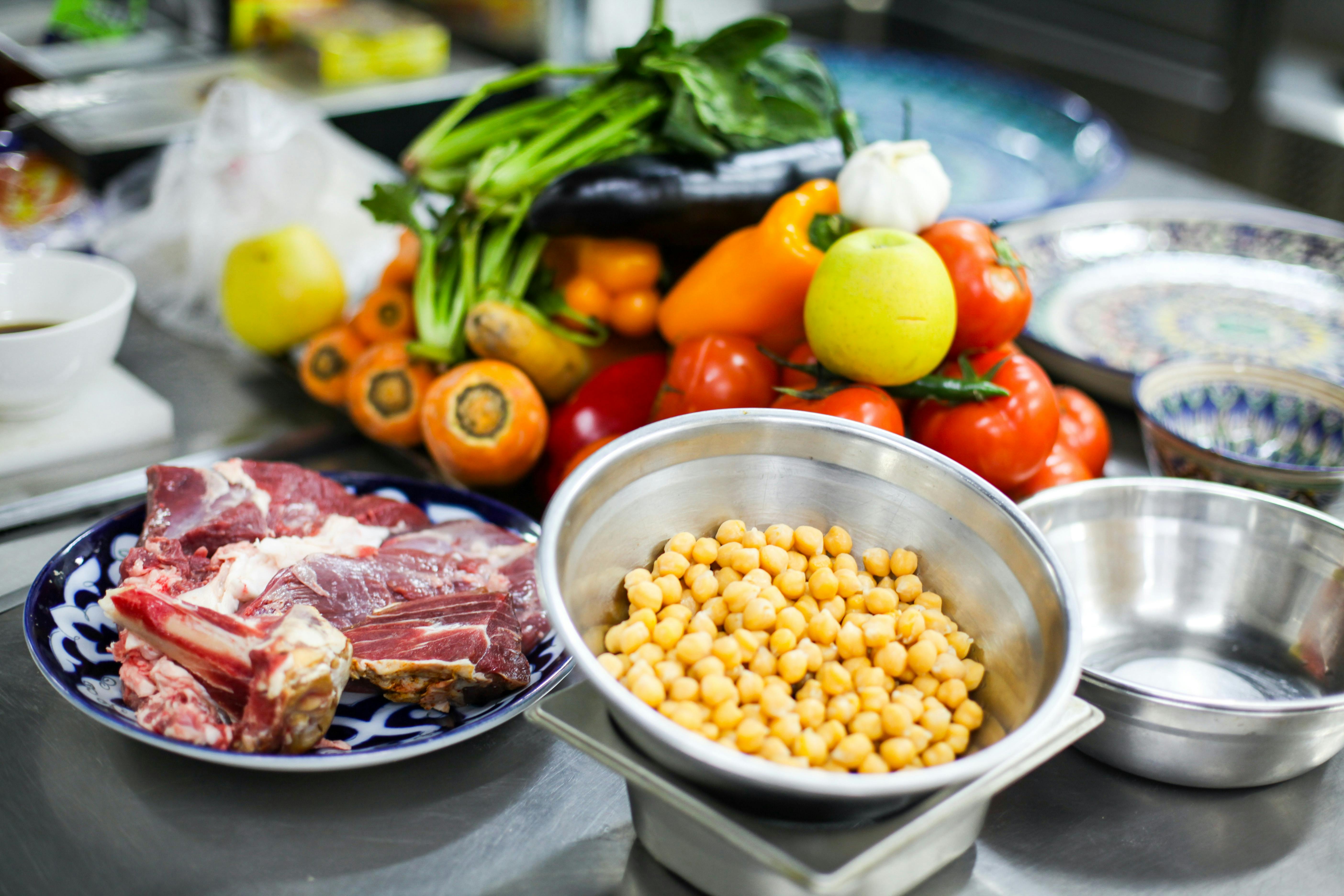
Tallow's return is not really just about fat. It reflects a broader shift in how people think about food: less faith in highly processed convenience, more interest in traditional techniques, and more attention to where ingredients come from. In that sense, tallow is standing in for a whole set of values around simplicity, thrift, and control.
It also speaks to a backlash against nutrition messaging that feels constantly revised. Many consumers are tired of seeing one fat demonized, then rehabilitated, while another gets praised and then questioned. Tallow benefits from looking straightforward. It is rendered beef fat, full stop. Even people who do not use it daily often find that simplicity reassuring.
At the same time, not every comeback is a revolution. Tallow is not going to replace olive oil, avocado oil, or butter in every kitchen, and it should not. What it offers is a strong specialty tool with a long history and very clear culinary advantages. For crisp roasting, hard searing, and old-school frying, it absolutely delivers.
That is why people are adding it back. Not because it solves every nutrition debate or turns every meal into a wellness ritual, but because it works. It tastes good, performs well, wastes less when used from whole animals, and fits the current appetite for food that feels real, useful, and grounded.




Leave a Reply