
Comfort food sounds universal, but it is deeply personal. What soothes one generation often tells the story of the world it grew up in.
Comfort food begins with memory, not just taste
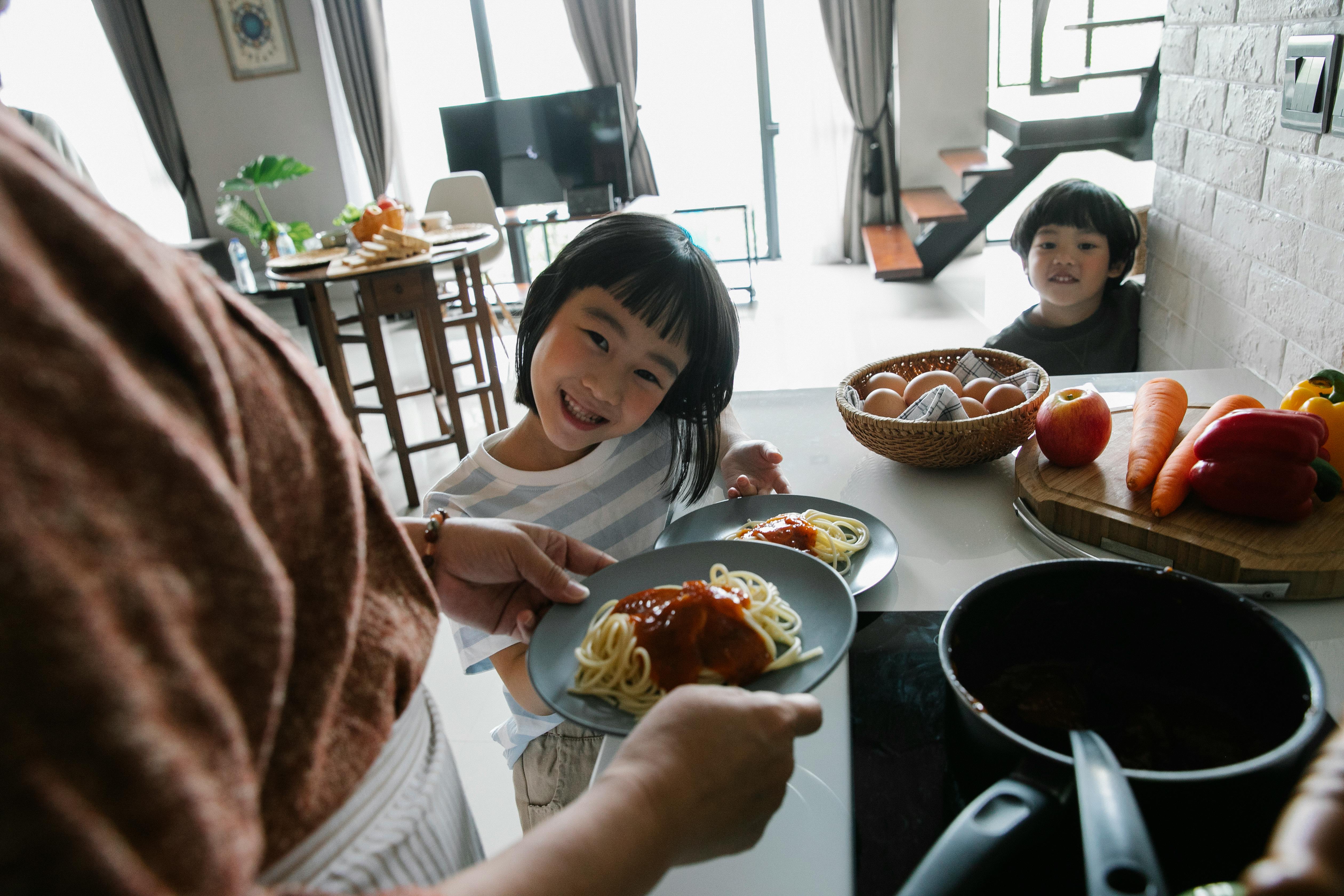
The idea of comfort food is often treated like a list of classic dishes, but research suggests it is more closely tied to emotional memory than to any single ingredient. A familiar meal can lower stress simply because it reminds people of safety, routine, and care. Psychologists have long noted that sensory memory, especially smell and taste, is strongly linked to autobiographical recall. That is why one person reaches for chicken soup while another craves instant ramen or a fast-food burger.
For older generations, comfort food often reflects home kitchens built around repetition and thrift. Meals such as meatloaf, stew, casseroles, and rice pudding became reassuring because they appeared regularly on the table during childhood. In many families, these dishes were tied to parents or grandparents who cooked from necessity, stretching ingredients in practical ways. The comfort was emotional first, culinary second.
Younger generations build those memories in a different food environment. Their childhoods may include frozen pizza, boxed macaroni, bubble tea, chicken nuggets, or takeout noodles as normal family foods rather than occasional treats. If those foods were present during after-school routines, family movie nights, or celebrations, they can carry the same emotional weight as any traditional homemade dish.
This is why comfort food changes over time without becoming less authentic. Each generation forms attachments from the meals that marked ordinary life. The defining feature is not whether a dish is old-fashioned, handmade, or nutritionally ideal. It is whether it represents consistency, belonging, and a moment when life felt manageable.
Economic realities shape what feels nourishing and safe
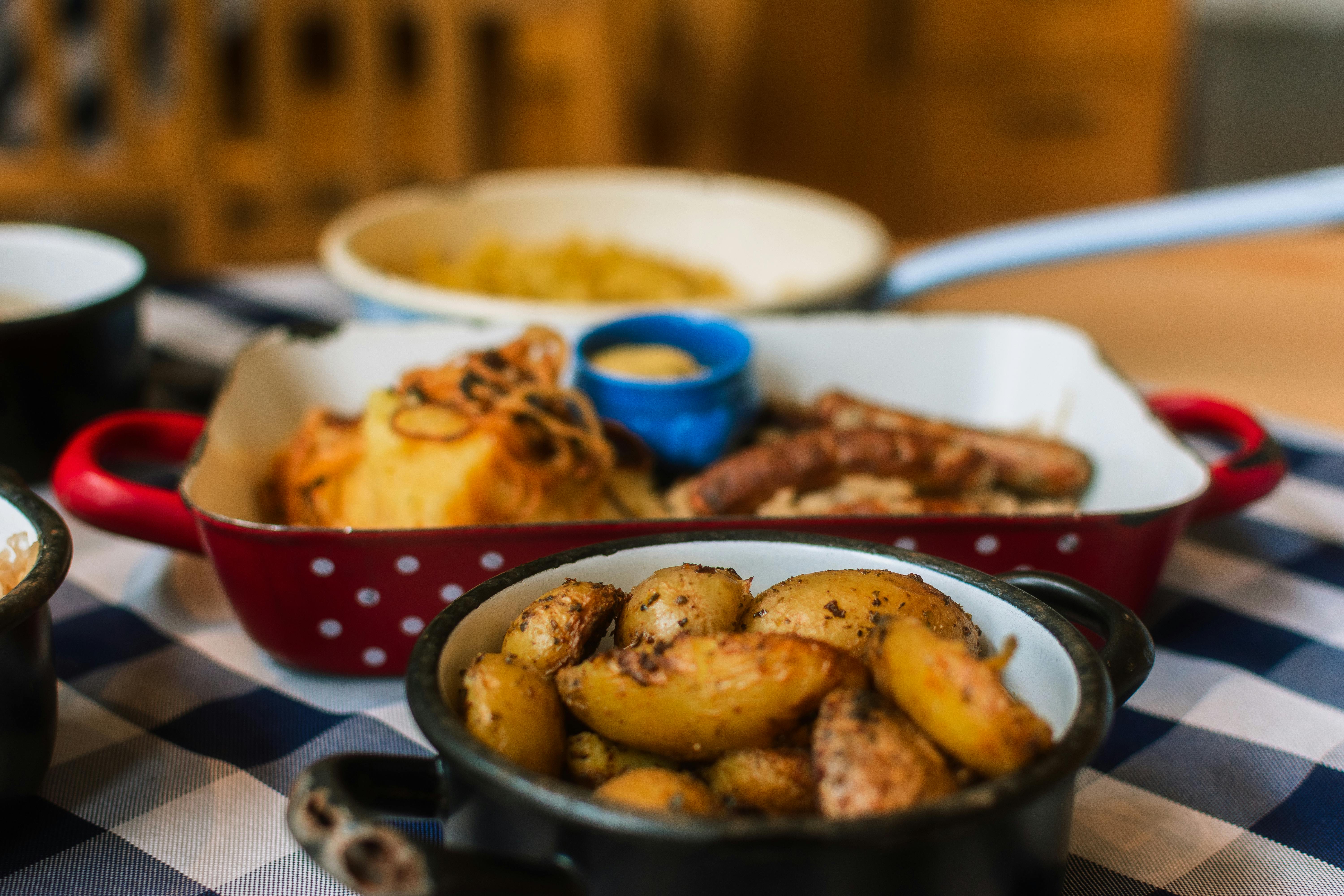
Every generation also inherits a specific economic climate, and that matters greatly in the making of comfort food. People tend to romanticize the foods that helped households feel stable during uncertain times. During periods marked by war rationing, inflation, recession, or job insecurity, inexpensive and filling meals gain emotional status because they represent endurance. Foods once born from necessity later become symbols of resilience.
For many Silent Generation and Baby Boomer households, comfort often meant budget-conscious dishes made in large quantities. Pot roast, vegetable soup, tuna casserole, mashed potatoes, and bread pudding were affordable, practical, and sustaining. These foods suited an era when feeding a family meant maximizing calories, minimizing waste, and relying on pantry staples. Their meaning today still carries that sense of solidity.
Generation X grew up during the rise of convenience culture, with two-income households becoming more common and time becoming scarcer. As a result, comfort could come from canned soup, frozen dinners, grilled cheese, or branded snack foods that offered predictability. The emotional value came not from culinary prestige but from reliability. A microwaved meal after school could feel as reassuring as a slow-cooked family dinner.
Millennials and Gen Z have faced their own pressures, from student debt to high housing costs and economic shocks. Their comfort foods often balance affordability with small pleasure, which helps explain the popularity of ramen hacks, rice bowls, breakfast sandwiches, and inexpensive chain favorites. In this context, comfort is not only nostalgia. It is also the feeling of getting through a hard week with something familiar and accessible.
Immigration and cultural mixing keep redefining the classics
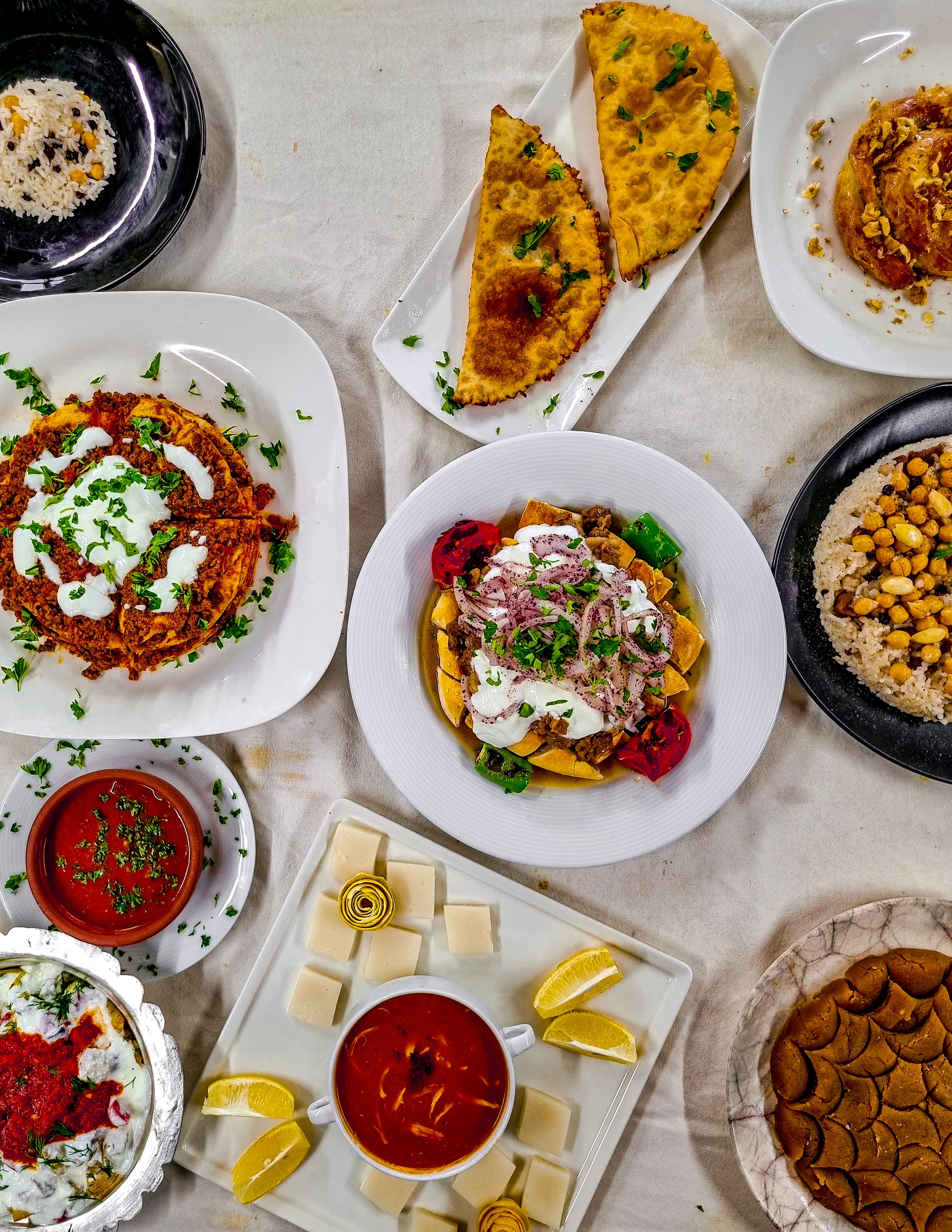
Comfort food is never purely national, even when people talk about it that way. In reality, it changes wherever migration changes the family table. As communities move, settle, and adapt, they recreate older dishes with local ingredients and pass them down to children who may grow up with blended food identities. What feels comforting in one household may be a fusion of several places and histories.
In the United States, for example, comfort food now includes dishes shaped by Italian, Mexican, Chinese, Caribbean, South Asian, Middle Eastern, and West African traditions, among many others. A second-generation child may view arroz con pollo, congee, biryani, pho, or jollof rice in the same emotional category that another person assigns to chicken pot pie. These are not alternatives to comfort food. They are comfort food.
Over time, wider exposure through restaurants, school cafeterias, television, and social media pushes these dishes beyond one community. Mac and cheese with chili crisp, Korean fried chicken, breakfast tacos, and birria ramen are examples of how culinary traditions meet and evolve. Younger generations are especially likely to define comfort not by purity or strict tradition but by emotional familiarity across cultures.
This constant blending explains why comfort food feels more varied today than it may have in earlier decades. Families are more mobile, cities are more diverse, and younger eaters are more likely to grow up with multiple food traditions at once. The result is not confusion but expansion. Each generation inherits a larger, more interconnected comfort-food vocabulary.
Media and marketing teach generations what to crave
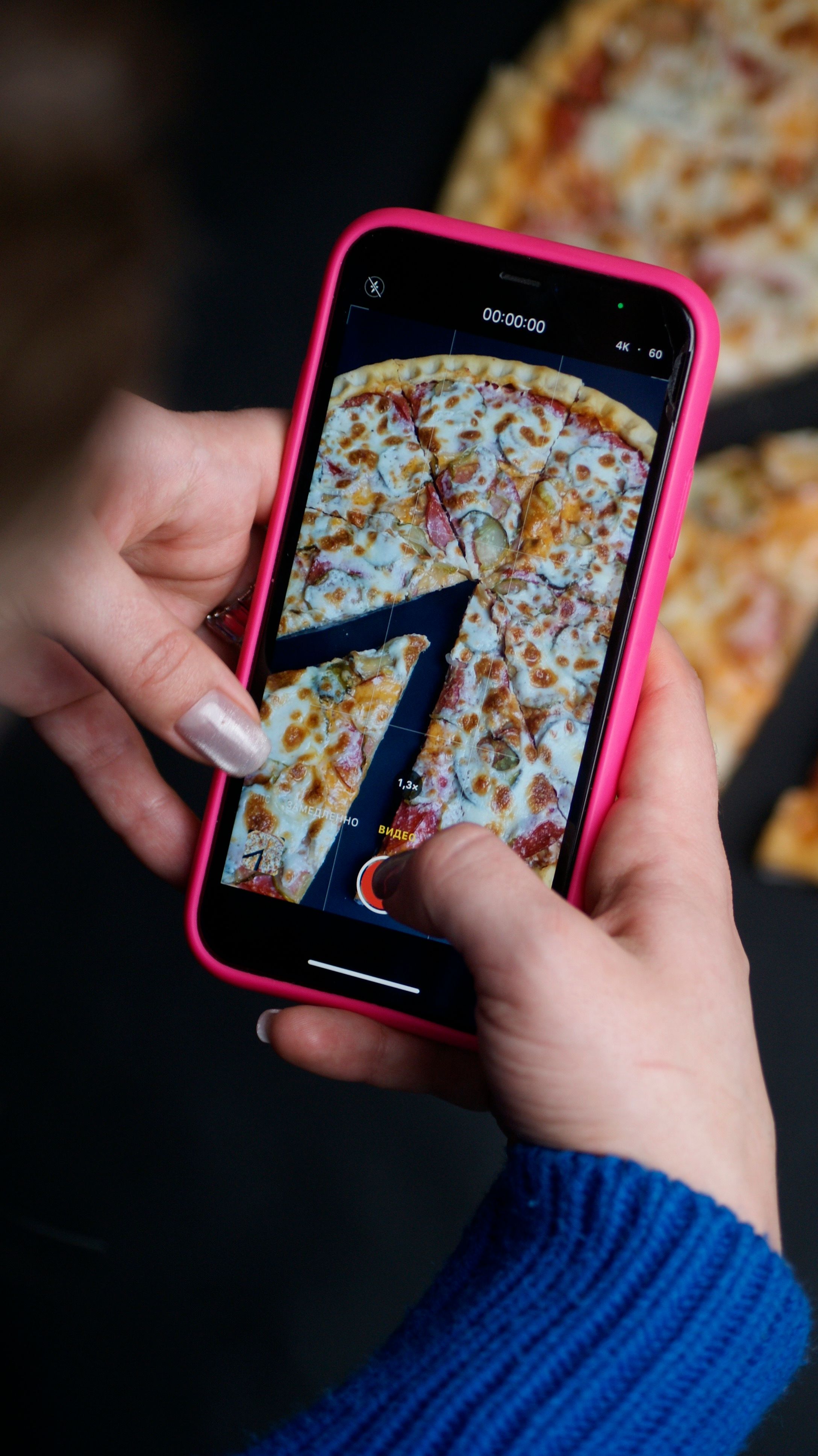
Comfort food is emotional, but it is also taught. Advertising, television, packaging, and digital media have spent decades shaping which foods look cozy, indulgent, or family-friendly. A dish does not become iconic by accident. It becomes familiar through repetition, branding, and storytelling that attaches it to home, celebration, or reward.
In the postwar decades, food companies sold convenience as modern care. According to historians of American food culture, casseroles, canned soups, processed cheese, and ready-made desserts were marketed as smart solutions for busy households. They became emotionally loaded because families saw them in ads, magazines, and recipe booklets as symbols of competence and togetherness. Media helped define what a normal comforting meal looked like.
Later generations absorbed food messages through sitcoms, fast-food campaigns, YouTube, and social platforms where craving is visual and immediate. Pizza during a sleepover, fries after a game, iced coffee during college study sessions, or spicy noodles during a late-night video binge become mini rituals repeated across millions of lives. These shared experiences create a collective memory even among people from different backgrounds.
The result is a major shift in how comfort food enters personal identity. Older generations often inherited it privately through family kitchens. Younger generations often inherit it through both family and media ecosystems. That does not make the attachment less real. It simply means the emotional script is now written by both home life and mass culture.
Health values change the meaning of comfort over time
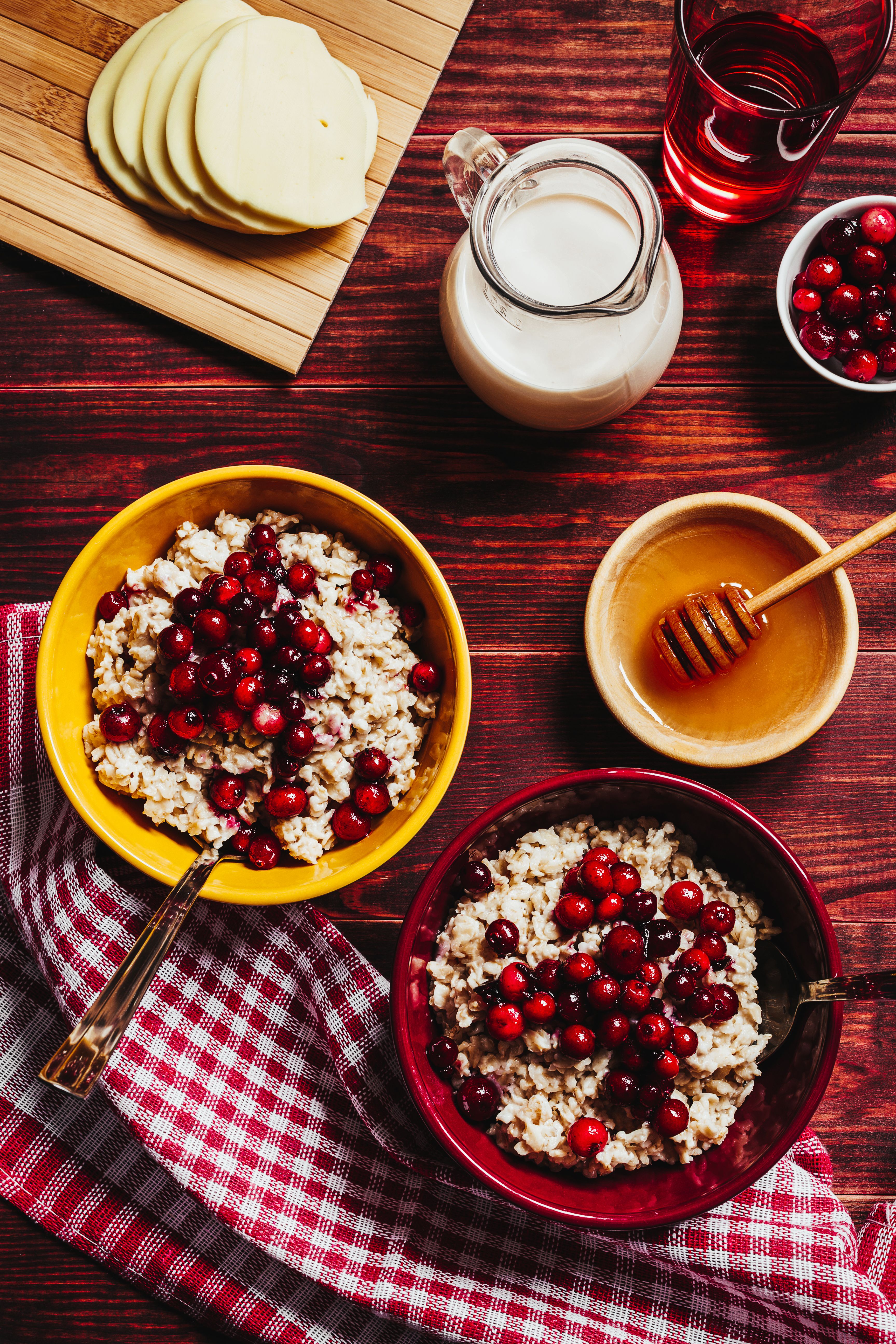
One of the clearest generational differences is that comfort no longer always means heavy or indulgent. For many people today, feeling better is part of the definition. A meal can be comforting because it is warm and nostalgic, but also because it aligns with concerns about digestion, ingredients, energy, or long-term health. In that sense, comfort food has expanded from emotional relief to physical reassurance.
Older generations were often raised in food cultures that prized abundance after years of scarcity. Rich gravies, cream sauces, desserts, and generous portions could signal love and prosperity. In contrast, younger generations have grown up amid widespread conversation about processed foods, sugar, gut health, plant-based eating, and food sensitivities. A 2024 study on consumer eating habits found that younger adults increasingly connect food choices with mental and physical wellness.
That helps explain why some modern comfort foods include oatmeal, broth-based soups, grain bowls, smoothies, roasted vegetables, or homemade versions of takeout favorites. These dishes can still feel cozy and emotionally grounding without being especially heavy. For some people, comfort now means avoiding the discomfort that follows overly rich meals. Ease matters as much as indulgence.
This shift does not erase older definitions. It adds another layer to them. A person might still crave lasagna on a difficult day and miso soup during a stressful week. Different generations simply place different emphasis on pleasure, nostalgia, convenience, and wellness. Comfort food evolves because the body people want to care for changes along with the culture around them.
Every generation turns its everyday foods into emotional history

The most important truth about comfort food is that it is always being made in real time. People often assume comfort belongs to the past, but future nostalgia is forming at dinner tables right now. The snacks, delivery meals, school lunches, and weekend treats that seem ordinary today may become the cherished comfort foods of the next generation. Emotional meaning is constantly under construction.
This is why debates about "real" comfort food tend to miss the point. There is no fixed canon that can fully explain what people crave when they are lonely, tired, homesick, or overwhelmed. A grandmother's dumplings, a diner pancake stack, a drive-thru order, or a bowl of instant noodles can all serve the same emotional purpose. The dish matters, but the life around it matters more.
Experts in food culture often describe eating as a social archive, and comfort food is one of its clearest examples. It records family structure, work schedules, migration patterns, class realities, health beliefs, and media habits in edible form. Each generation's favorites reveal what was available, affordable, admired, and emotionally present during childhood. That is why the definition keeps changing and why it should.
In the end, comfort food is less about tradition than about recognition. It is the taste of being understood by your own history. Every generation has a different definition because every generation inherits a different world, then turns that world into memory one meal at a time.




Leave a Reply