
Some foods fed the body. Others tested the family bond.
The "special sandwich" belongs to the second category: a humble, often baffling creation that one parent or grandparent swore was excellent, even when everyone else approached it with caution.
It usually started with thrift, not taste
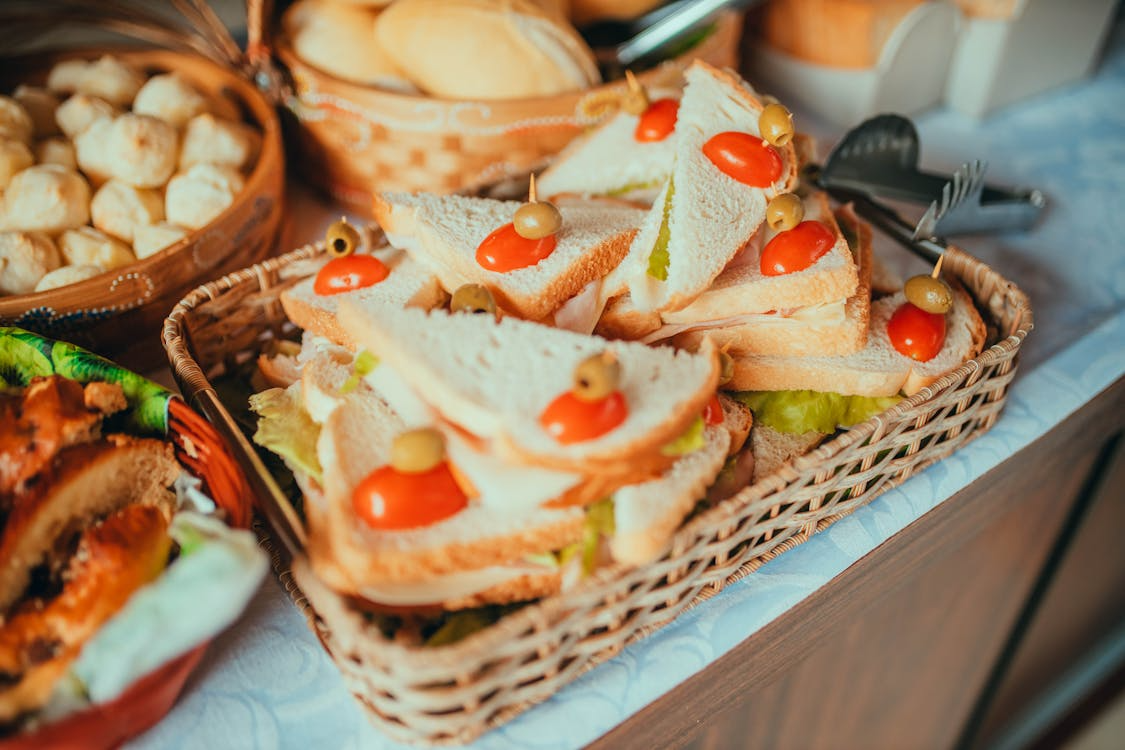
The family "special sandwich" was rarely invented by a chef-minded relative chasing culinary brilliance. More often, it came from a household economy built on stretching ingredients, using leftovers, and wasting nothing that could still be turned into lunch. In mid-20th-century kitchens especially, home cooking was shaped by ration-era habits, Depression-era frugality, and later the budget pressures of feeding several people on one income. A sandwich made from chopped roast, canned meat, olives, hard-boiled eggs, pickle relish, or condensed soup binder was not eccentric in its own time. It was efficient.
That context matters because many suspicious sandwiches were born in periods when convenience foods were marketed as modern solutions. Food companies promoted potted meats, miracle spreads, processed cheese, gelatin-bound salads, and canned fish as practical, nourishing, and even elegant. Historians of American food culture have noted that postwar home economics often rewarded ingenuity over purity. If a cook could turn small scraps into something "special," that was a point of pride.
Children, of course, judged by appearance and smell, not economic logic. A grayish filling on white bread, cut into neat triangles and presented with confidence, was still a grayish filling. But to the adult serving it, the sandwich represented competence. It meant there would be enough. That is part of why these creations persisted long after the original financial necessity had faded.
The strange ingredients were a record of their era
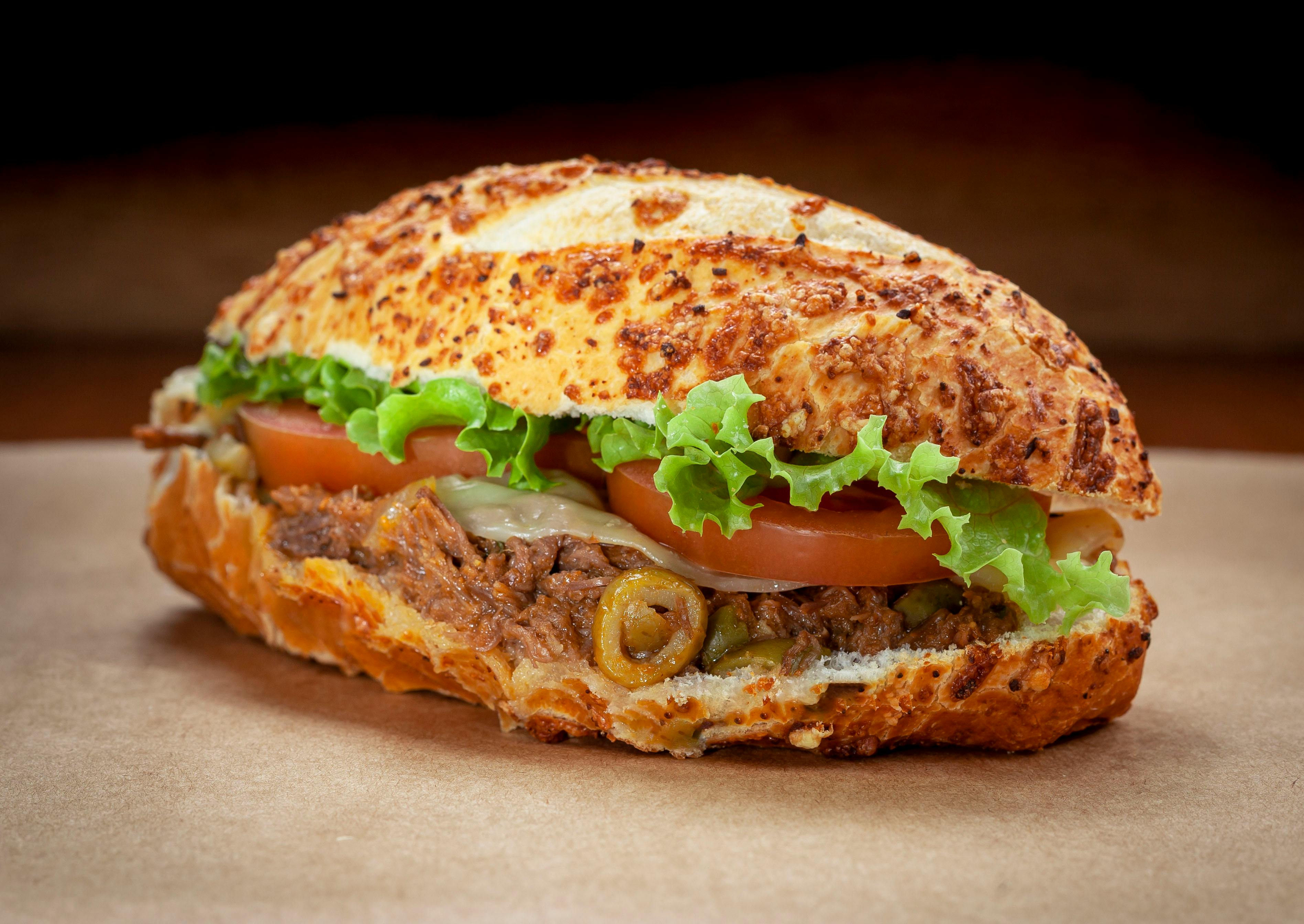
Every suspicious sandwich tells on the decade that produced it. In some homes, it was the peanut butter, mayonnaise, and pickle combination that sounded wrong but kept showing up. In others, it was bologna with American cheese and crushed potato chips, fried spam with mustard, sardines mashed with onion, or cream cheese mixed with chopped olives and spread thick on soft bread. These combinations can seem absurd now, but they were closely tied to what was affordable, available, shelf-stable, and heavily advertised.
Food researchers often point out that household tastes are strongly shaped by supply chains and marketing. During the canned-food boom, salty preserved ingredients became pantry standards. During the rise of industrial bread and processed cheese, softness and uniformity became signs of quality. The sandwich was a stage where those products met family improvisation. One relative added a dash of paprika. Another insisted on margarine under the filling. Soon the recipe became "ours."
That is why the special sandwich often sounded less like a recipe than a ritual. It had unexplained rules, inherited substitutions, and one non-negotiable ingredient that nobody outside the family would choose. Suspicion came from the mismatch between the reverence surrounding it and the reality of what it contained. Yet that mismatch is exactly what made it memorable.
Children learned suspicion by watching adults perform certainty

A remarkable feature of the family special sandwich was the confidence with which it was introduced. Adults did not usually present it as an emergency lunch. They framed it as a treat, a favorite, or a tradition. That performance mattered. Developmental psychologists have long observed that children build food expectations socially, taking cues from trusted adults, siblings, and routine. If a parent said, "You'll love this," while serving tuna mixed with chopped apple and celery on squishy bread, the child was being asked to trust more than to taste.
That dynamic explains why these sandwiches were often emotionally charged. Refusing one could feel like rejecting not just a food, but a person's competence, nostalgia, or generosity. Accepting one, on the other hand, became a small act of family citizenship. Plenty of adults can still describe choking down a mysterious sandwich at a card table or kitchen counter while trying to look grateful.
Over time, this created a peculiar dual memory. People recall genuine disgust, but also the social warmth around the event. The sandwich may have been objectively odd, yet it arrived in a setting of packed lunches, weekend visits, road trips, funerals, church gatherings, or post-school snacks. The memory sticks because the food was never only food.
The sandwich became a family myth because repetition creates meaning
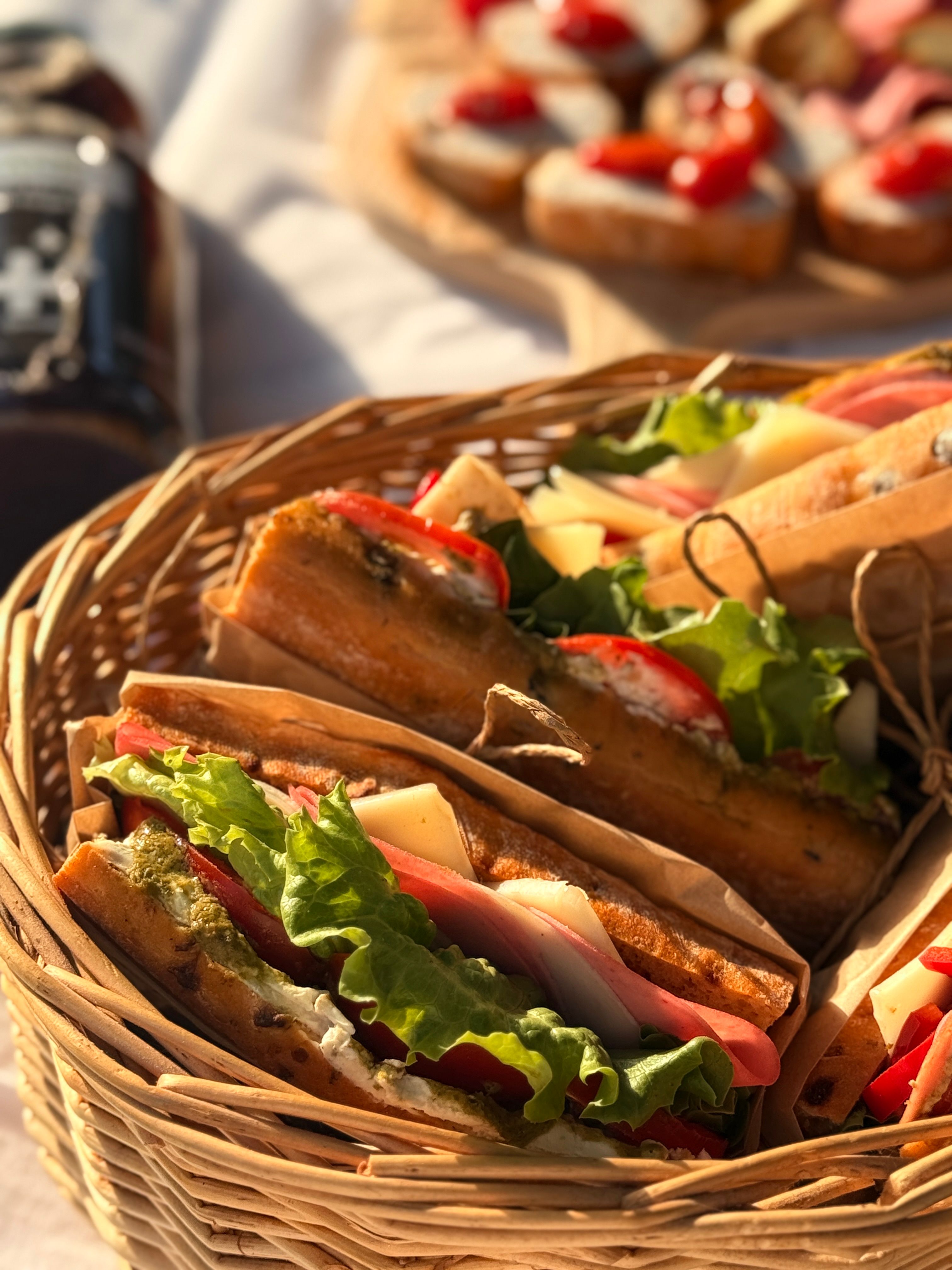
What turns an odd meal into folklore is repetition. The suspicious special sandwich was not a one-time mistake. It resurfaced at holidays, picnics, late-night suppers, or every time "there was nothing in the house," which somehow still meant the ingredients for this exact sandwich were available. Repetition gave it narrative power. Families began telling stories around it: who loved it, who hated it, who first made it, who dared a guest to try it.
Anthropologists and sociologists often note that rituals do not need universal approval to endure. They need recognition. The special sandwich achieved that beautifully. Everyone in the family knew the script. Someone announced it. Someone groaned. Someone defended it passionately. Someone new was pressured into taking a bite. The result was a minor ceremony that reinforced the family's internal culture.
That is also why these sandwiches can trigger outsized nostalgia in adulthood. Memory research shows that repeated sensory experiences, especially those linked to emotion and routine, become powerful retrieval cues. The smell of onion mixed with mayo, the sight of wax paper, the feel of soft bread compressed in a lunchbox, all of it can call up a whole household. The sandwich survives because the story around it was richer than the flavor.
Taste is learned, and many of those sandwiches were better than we admitted
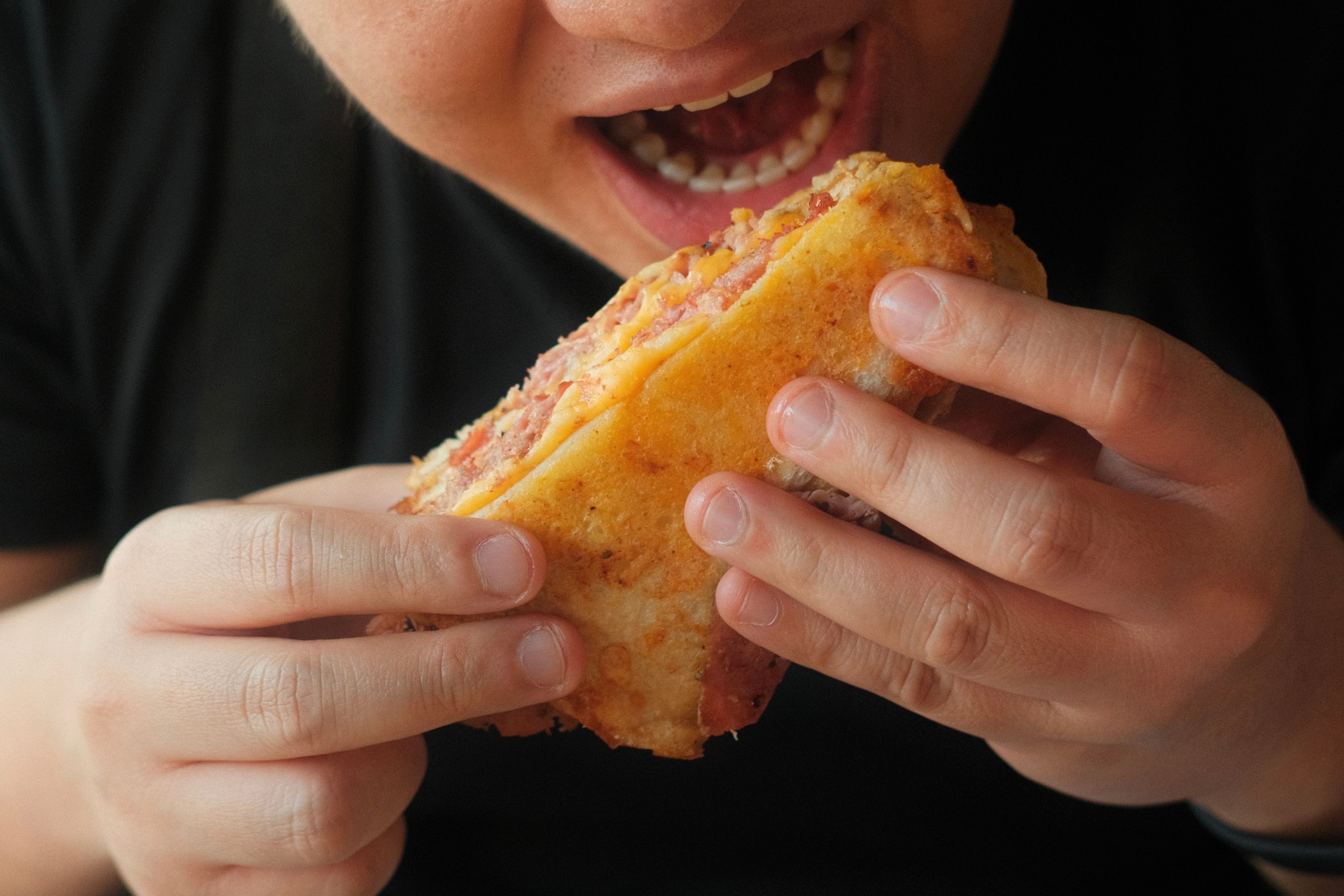
Not every suspicious sandwich was actually bad. Some were victims of presentation, childhood rigidity, or the simple fact that many kids dislike mixed textures. Bitter, salty, fishy, vinegary, or pungent foods often read as alarming to younger eaters. Adults tend to have broader palates, which helps explain why a pimento cheese sandwich, an olive-nut spread, or a fried egg and anchovy combination could inspire devotion in one generation and horror in the next.
Food science supports the idea that repeated exposure changes preference. The more often people encounter a flavor in safe, familiar conditions, the more likely they are to accept or even enjoy it. That helps explain the common adult confession: "I hated it as a kid, but now I kind of get it." A sardine sandwich on toast with lemon and black pepper may have sounded appalling at age eight, but far more reasonable at thirty-eight.
There is also the issue of class and cultural coding. Some sandwiches were mocked because they looked unsophisticated, old-fashioned, or immigrant-coded. Yet many had sound culinary logic: fat balanced by acid, soft bread against crunchy pickle, savory meat lifted by mustard or relish. Under the family joke, there was often a practical understanding of flavor.
Its real purpose was belonging, and that is why people still talk about it
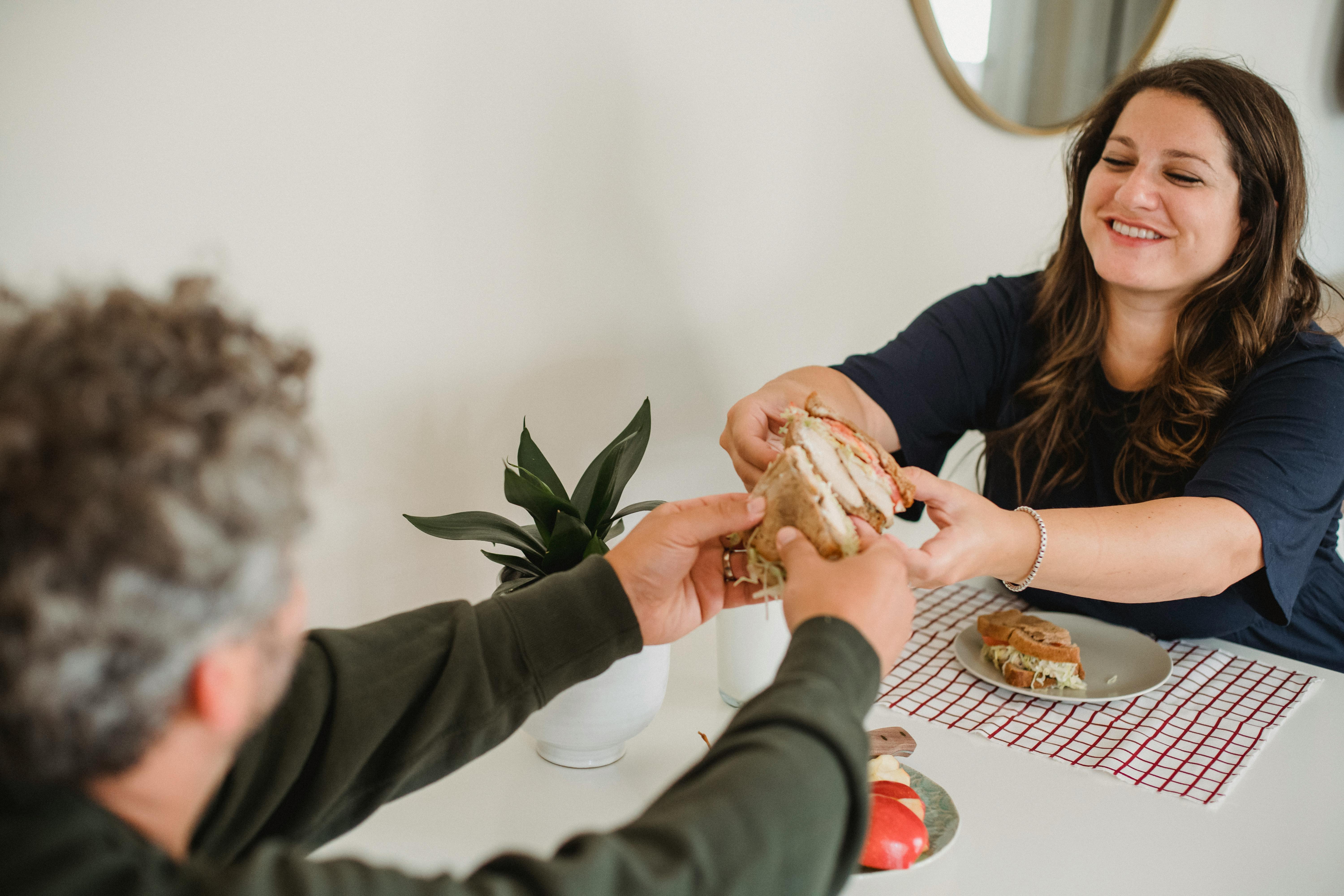
In the end, the family special sandwich endured because it did more than feed hunger. It marked membership. To know the sandwich was to know the family's habits, constraints, humor, and hierarchy. It told you who saved bacon grease, who bought generic white bread, who believed mayonnaise improved everything, and who could never be trusted around the pickle jar. The sandwich was a small edible archive.
That helps explain why people tell these stories with affection rather than simple ridicule. Even when the details are grotesque, the emotional frame is usually warm. The suspicious sandwich belonged to an era when many households repeated the same meals, inherited the same techniques, and formed identity around ordinary domestic routines. In a more personalized food culture, where every preference can be optimized, that kind of shared inconvenience has become rarer.
So the reason every family seemed to have one is not that everyone independently invented bizarre lunch. It is that families naturally create signature foods where thrift, habit, pride, and memory intersect. The sandwich looked questionable because family life often does. But it held together, barely and somehow, which may be why it feels so familiar now.




Leave a Reply