
Few dishes create such polite but stubborn disagreement in Canada. Tourtière looks simple on the surface, yet every region treats it like culinary law.
The argument starts with what tourtière even means

At first glance, tourtière seems easy to define: a savoury pie filled with meat and baked in a crust. In practice, that definition collapses almost immediately. In Quebec alone, the word may describe the shallow holiday meat pie common around Montreal or the deep, slow-baked Lac-Saint-Jean version layered with diced meats and potatoes.
That split matters because the rest of Canada inherited both the dish and the argument. French settlers carried older pie traditions from Europe, then adapted them to local conditions. Over generations, communities fixed their own rules, and those rules became markers of belonging rather than mere preferences.
Food historians often point out that dishes tied to feast days become unusually resistant to change. Tourtière is closely linked to Christmas and New Year celebrations, especially réveillon tables in French Canadian homes. Once a food becomes part of ritual, people stop treating variation as innovation and start seeing it as error.
Quebec set the standard, but not a single standard

Quebec is the centre of tourtière culture, but it has never spoken with one voice on the subject. In Montreal and Quebec City, many families make a spiced pie using ground pork, veal, or beef, seasoned with cinnamon, clove, allspice, and sometimes savoury. The filling is compact, sliceable, and meant to be served in neat wedges.
In Saguenay-Lac-Saint-Jean, the celebrated local version is entirely different in form and method. It is typically built in a deep dish, packed with cubed meats such as pork, beef, veal, or game, mixed with potatoes and broth, then baked for hours. Residents there do not see it as a variation at all. To them, it is the original expression of the dish.
That regional confidence is backed by strong local institutions. Community cookbooks, church suppers, winter festivals, and family butchers reinforce a shared template. When a preparation is repeated across generations in public as well as private settings, it gains the authority of tradition, and tradition is hard to argue against.
Outside Quebec, local ingredients rewrote the recipe

The strongest provincial claims outside Quebec usually come from adaptation, not imitation. In Acadian communities in New Brunswick and parts of Nova Scotia, cooks preserved French meat pie traditions but adjusted them to local livestock, available spices, and household budgets. The result could be lighter seasoning, different meat ratios, or a texture closer to a farmhouse pie than an urban holiday pâté.
In Ontario, especially in eastern and northeastern communities with French Canadian roots, tourtière often reflects migration from Quebec during the 19th and 20th centuries. Families brought recipes with them, then altered them in mining towns, farming districts, and mixed-language households. Beef became more common in some homes, while others leaned heavily on pork because it was economical and dependable.
On the Prairies and in parts of Western Canada, game also shaped the conversation. Where venison, moose, or other wild meats were accessible, cooks naturally incorporated them. Once a community spends decades serving a pie made from local landscapes, it begins to regard that version not as a substitute but as the most honest one.
Memory is often stronger than history
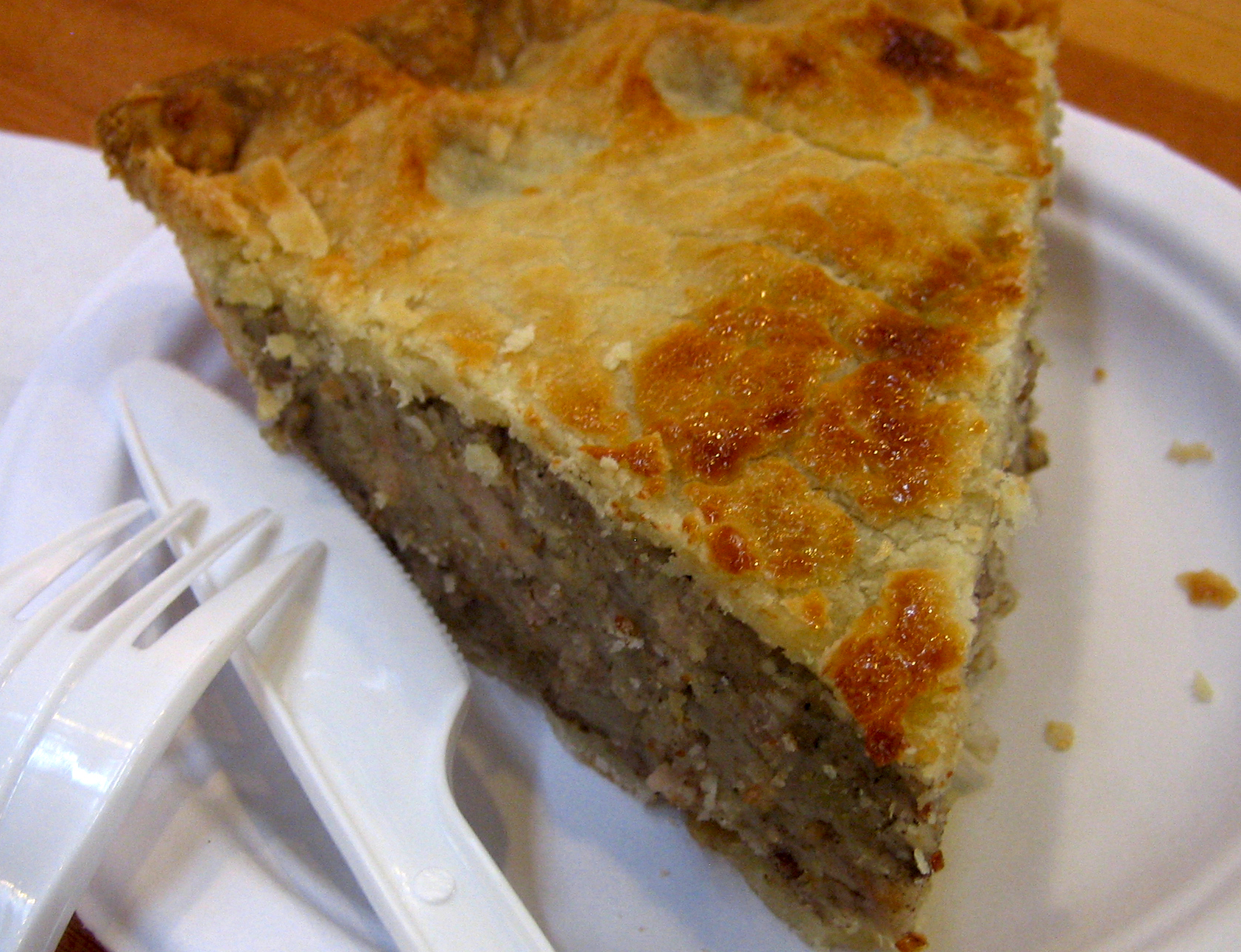
People rarely defend tourtière with archival evidence. They defend it with grandmother stories, holiday smells, and the memory of a kitchen that seemed to define home. That emotional force is why debates about the right crust, the right spice blend, or whether potatoes belong can become surprisingly firm even among otherwise flexible cooks.
Psychologists who study food memory have long noted that taste and smell are unusually powerful triggers of identity. A person who grew up eating a dry, finely textured pork pie may find a broth-rich regional version completely unfamiliar. That reaction is not really about culinary quality. It is about whether the food confirms a deeply personal script.
This also explains why restaurant versions often disappoint traditionalists. Even when the ingredients are excellent, the seasoning may miss a tiny detail that mattered in one household, such as more clove, less cinnamon, or a particular gravy on the side. Authenticity, in this case, is often measured against memory rather than any national rulebook.
The pie became a symbol of province, language, and class

Tourtière carries more cultural weight than many people realize. In French speaking communities, it can signal continuity with ancestors, Catholic feast traditions, and resilience within an English dominant country. In mixed regions, serving tourtière may express both pride and preservation, especially in places where French language institutions had to fight to survive.
Class history also shaped the recipe. Meat pies were practical, filling, and economical ways to feed large households during winter, particularly when scraps, preserved meats, or tougher cuts had to be stretched. Because families adapted according to means, each regional version reflects social history as much as culinary choice.
Provincial pride intensified that process. Once tourism boards, local festivals, and regional cookbooks started celebrating distinctive food identities, differences hardened into branded traditions. What may have begun as flexible household cooking gradually became a public claim: this is our tourtière, and by implication, others are lesser copies.
Why the disagreement is actually a sign of a living tradition
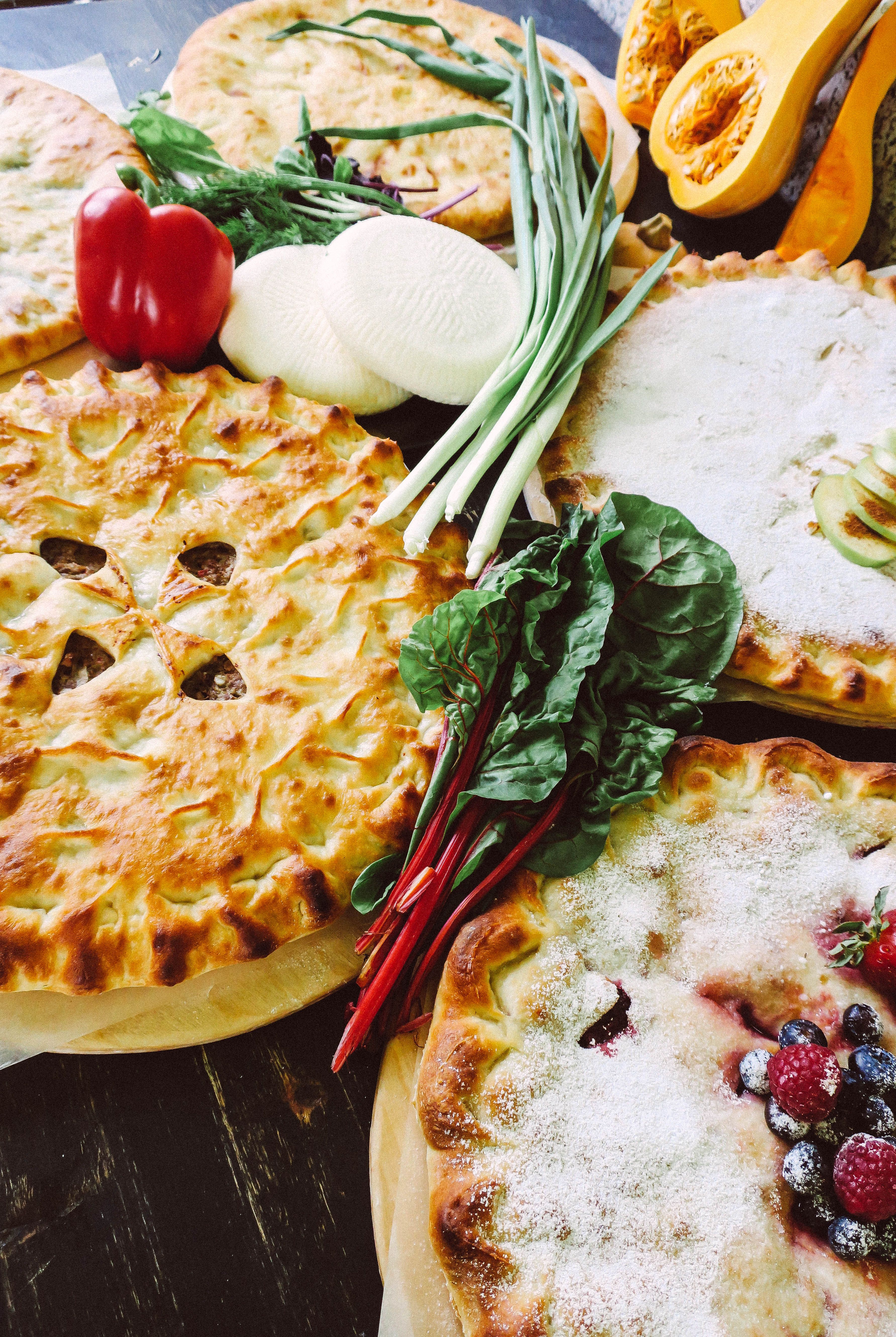
The most important truth about tourtière is that disagreement keeps it alive. A dish with only one accepted formula tends to become static, while a dish argued over at family tables, butcher counters, and holiday dinners remains active in culture. The Canadian debate is not proof of confusion. It is proof of attachment.
Every province that claims the correct version is really making a larger statement about local experience. It is saying that climate, agriculture, migration, and memory all matter, and that recipes are historical records as much as instructions. That is why tourtière can be both intensely regional and unmistakably Canadian.
So the answer to who makes the only correct tourtière is simple: no one, and everyone. Each province defends its pie because each version tells a true story about the people who bake it. In a country built from layered identities, that may be the most authentic recipe of all.




Leave a Reply