
Chocolate can look similar on the shelf and still taste worlds apart. Food scientists say the difference between European and Canadian chocolate begins long before the first bite.
Fat content changes the way chocolate melts

One of the clearest differences is fat, especially cocoa butter. Many European chocolates are formulated with relatively high cocoa butter levels, which gives them a smoother texture and a faster, silkier melt on the tongue. That melt matters because aroma compounds are released as the fat warms, shaping how rich and complex the chocolate seems.
Canadian chocolate often follows North American style expectations, which can include slightly different balances of cocoa solids, sugar, milk ingredients, and fats. Even when labels look similar, those proportions affect viscosity during production and creaminess during eating. Food scientists often describe this as a structure issue as much as a flavor issue.
Regulations also play a role. In the European Union, chocolate standards are tightly defined, and premium makers frequently lean into recipes that emphasize cocoa butter rather than stretching sweetness or using more economical formulations. The result is often a softer snap, a more luxurious mouthfeel, and a flavor release many consumers interpret as more refined.
Milk processing has a huge effect on flavor
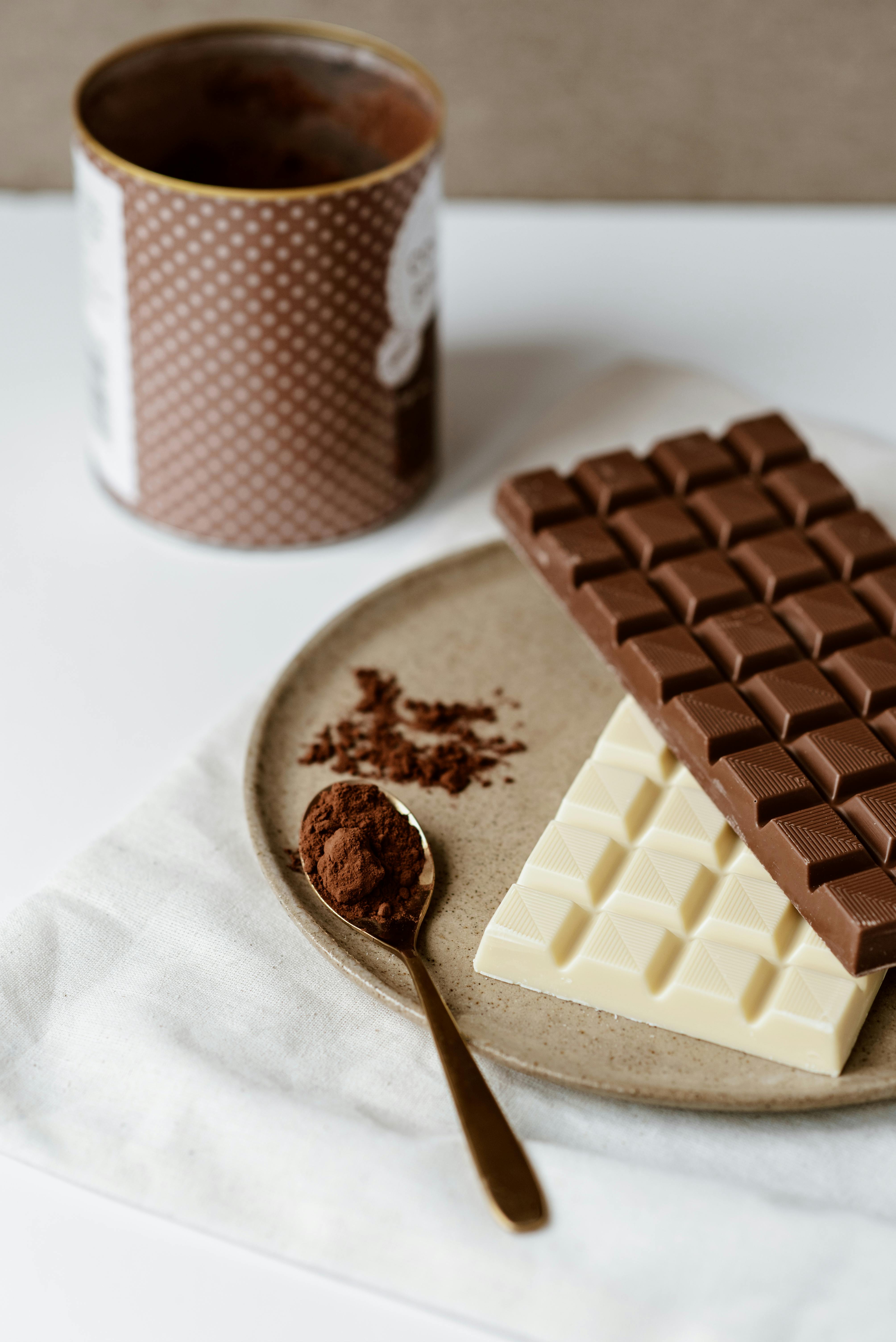
The milk in milk chocolate is not just a background ingredient. How it is dried, heated, and stored can create dramatically different flavor notes, from cooked caramel to mild dairy sweetness. This is one reason European milk chocolate is often described as creamy, while some Canadian bars can taste sweeter or slightly tangier.
A major scientific factor is the treatment of milk powders. Some European manufacturers use methods that preserve mellow dairy notes and encourage gentle caramelization during conching and refining. Swiss chocolate, in particular, built its reputation on carefully handled milk ingredients that contribute to a soft, rounded flavor.
By contrast, North American chocolate traditions have sometimes used milk processing styles that produce sharper or more pronounced cooked-milk notes. Researchers who study flavor chemistry point to compounds formed during heating, including those linked to Maillard reactions. These compounds are not inherently bad, but they can shift the taste profile away from what many people identify as classic European chocolate.
Cocoa bean sourcing shapes flavor before manufacturing starts
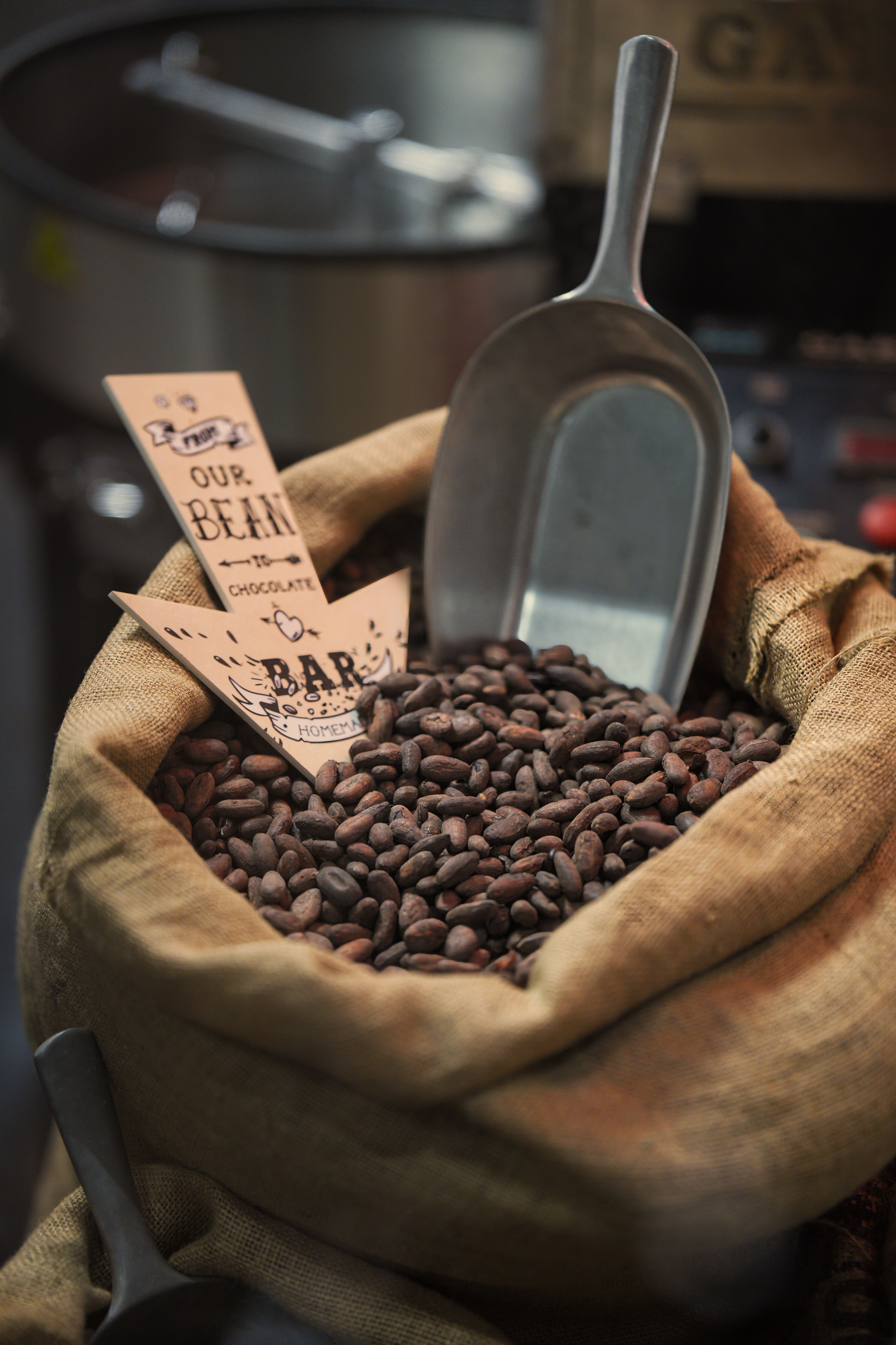
Before chocolate makers refine anything, the beans already carry a flavor identity. Cocoa grown in West Africa, Latin America, or parts of Asia can bring different levels of fruitiness, bitterness, nuttiness, or floral character. European makers have historically built strong sourcing relationships and often blend beans to achieve a distinct house style.
That does not mean Canadian chocolate lacks quality. It means the finished taste can depend on whether a manufacturer prioritizes consistency, bold sweetness, mild cocoa notes, or terroir-driven complexity. Food scientists compare this to coffee or wine, where origin strongly influences the final sensory experience.
Fermentation and roasting deepen the contrast. If beans are fermented longer or roasted more aggressively, the resulting chocolate may lean earthy, dark, or intensely toasted. European premium brands often calibrate these steps to preserve layered flavor, while mass-market products in Canada may be designed for broad appeal, making them sweeter and simpler in profile.
Conching and refining determine texture and aroma
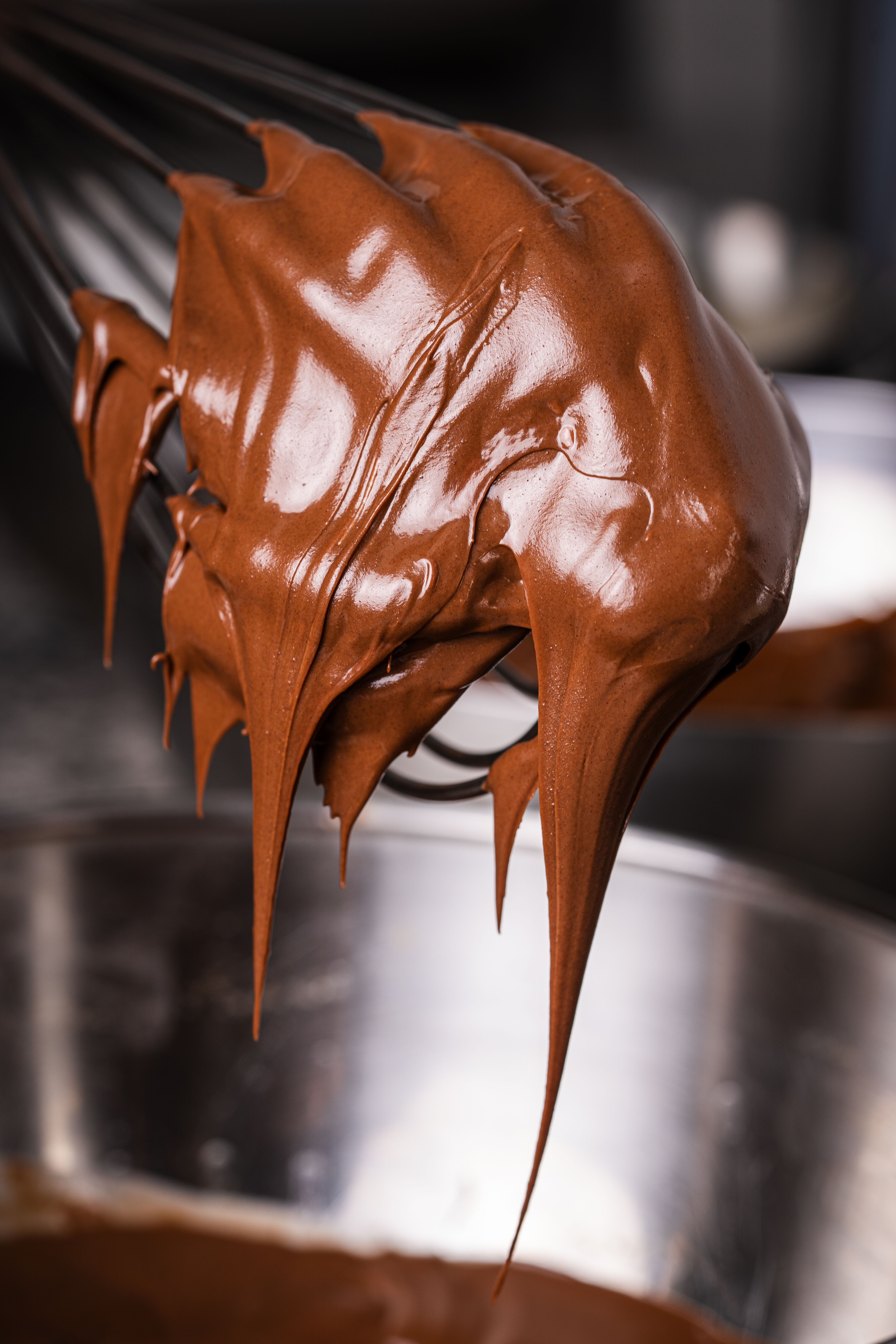
Texture is chemistry you can feel. During refining, chocolate particles are ground smaller, and during conching, the mixture is heated and mixed for hours to smooth rough edges and drive off unwanted acidic notes. Longer conching can create a creamier texture and a more integrated flavor.
Many European chocolate makers are known for extended conching traditions. Food scientists note that this process reduces moisture, coats particles more evenly in fat, and helps develop mellow, rounded aromas. When done carefully, it can make chocolate taste less sharp even without dramatically changing the ingredient list.
Canadian chocolate production varies widely, from artisanal bean-to-bar companies to large-scale commercial brands. In mass production, efficiency targets can influence how long chocolate is refined or conched. That does not automatically reduce quality, but it can produce a bar that feels thicker, sweeter, or less velvety than a European counterpart made with slower processing.
Sugar levels and recipe balance affect what your palate notices
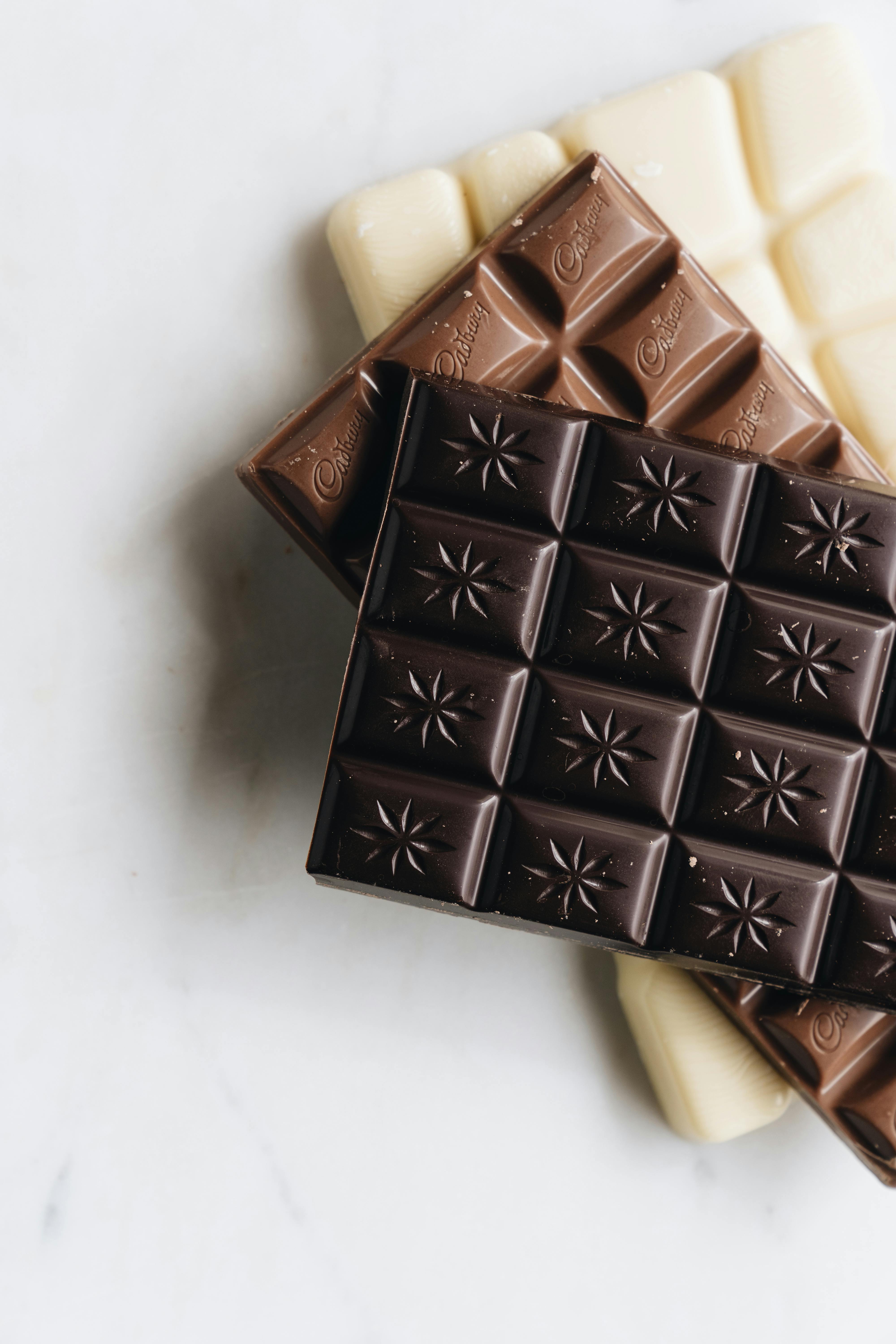
Sweetness does more than make chocolate taste sweet. It can mask bitterness, flatten delicate cocoa notes, and change how long flavors linger after each bite. Many consumers notice that some Canadian supermarket chocolate tastes sweeter than European bars, even when both are labeled milk chocolate.
Food scientists explain this through balance. A recipe with more sugar and less cocoa butter may feel firmer and taste more direct, while one with more fat and nuanced cocoa flavor can seem richer without necessarily being dramatically less sweet. The palate reads these structural differences quickly.
There is also a cultural element. European markets have long supported chocolates with stronger cocoa presence and less aggressively sweet profiles, especially in countries such as Belgium, Switzerland, France, and Germany. Canadian brands often serve a market shaped by both British and broader North American preferences, where familiar sweetness and uniformity remain important commercial traits.
Expectations, standards, and freshness complete the picture
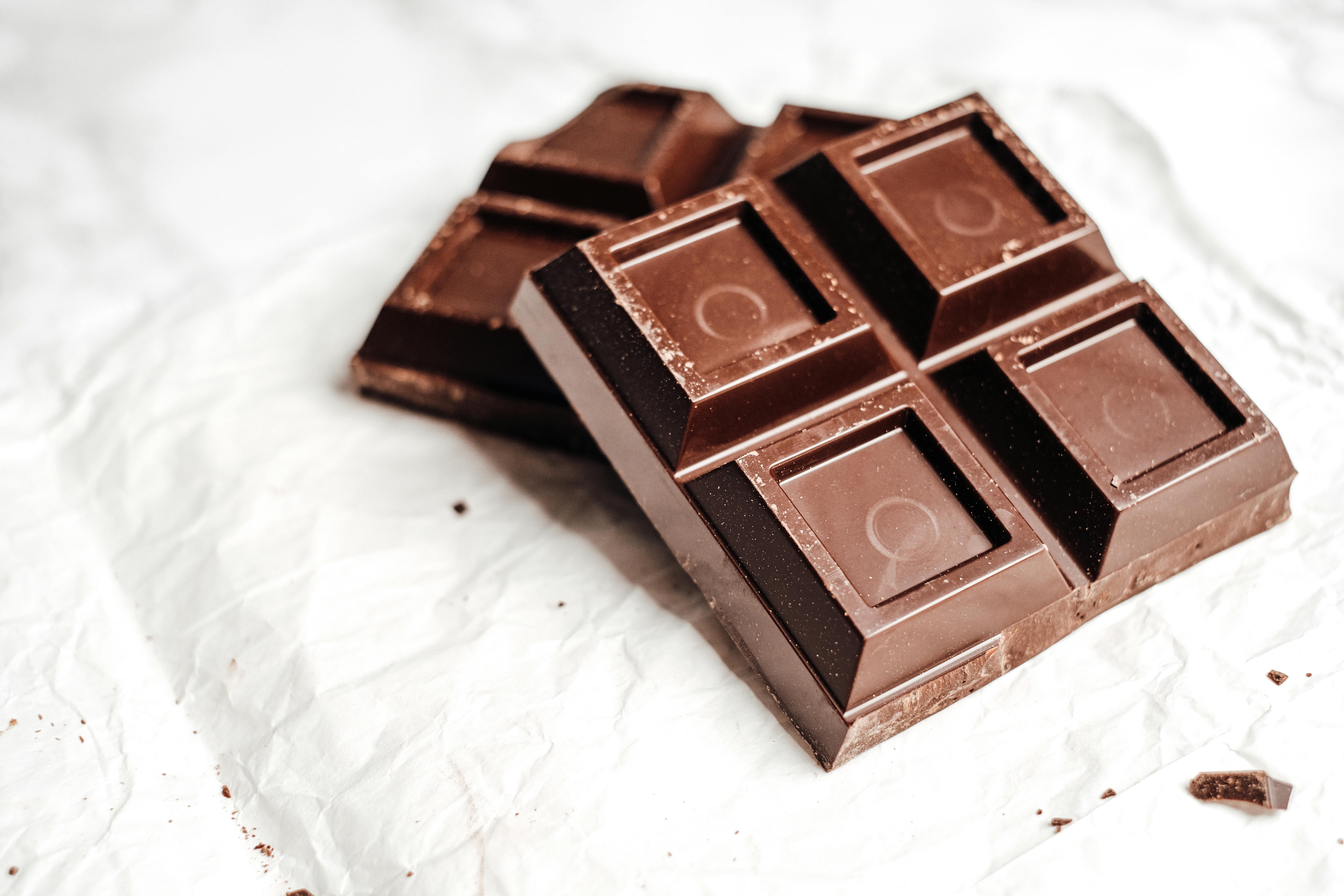
Taste is never just on the tongue. Consumer expectations, packaging, storage, and freshness all influence how chocolate is experienced. If a bar has traveled far, absorbed heat, or sat too long on a shelf, its texture and aroma can dull, which changes the comparison before tasting even begins.
European chocolate also benefits from a powerful reputation. Generations of specialty production in places like Belgium and Switzerland have taught consumers to expect elegance, creaminess, and depth. Sensory scientists know expectations can prime the brain, making a chocolate seem better balanced or more luxurious before the flavor is fully processed.
Still, the core reasons are measurable. Differences in cocoa butter, milk treatment, bean origin, conching, roasting, and sugar balance all alter flavor chemistry and texture. That is why European chocolate often tastes creamier and more complex than Canadian chocolate, even when both start with the same basic ingredients: cocoa, sugar, milk, and fat.




Leave a Reply