
Food may seem far from rockets and electric cars. But once you look at food as a system of energy, land, logistics, and survival, Elon Musk's repeated presence in the conversation starts to make sense.
Food is really an energy and engineering story

Musk tends to view global problems through the lens of physics and systems design. That matters because food production is deeply tied to energy inputs, from fertilizer and irrigation to refrigeration and transport. According to the International Energy Agency, the global food chain accounts for a significant share of total energy use, which makes it a natural topic for someone focused on energy transition.
His companies sit near the center of that transition. Tesla is associated with battery storage, solar power, and electrified transport, all of which can reshape how food is grown and moved. When analysts discuss decarbonizing cold chains, farm equipment, and warehouse operations, Musk's broader industrial footprint enters the picture even when he is not directly talking about dinner plates.
That systems view also explains why he comments on efficiency. In food, efficiency is not just about cost. It is about yield per acre, water use, emissions per calorie, and resilience under climate stress.
Scarcity and survival keep pulling him toward food
A second reason Musk appears in food debates is his long-standing fixation on survival at civilizational scale. He often frames technology as a hedge against existential risk, whether the threat is climate change, supply shocks, or long-term human settlement beyond Earth. Food sits at the center of all three.

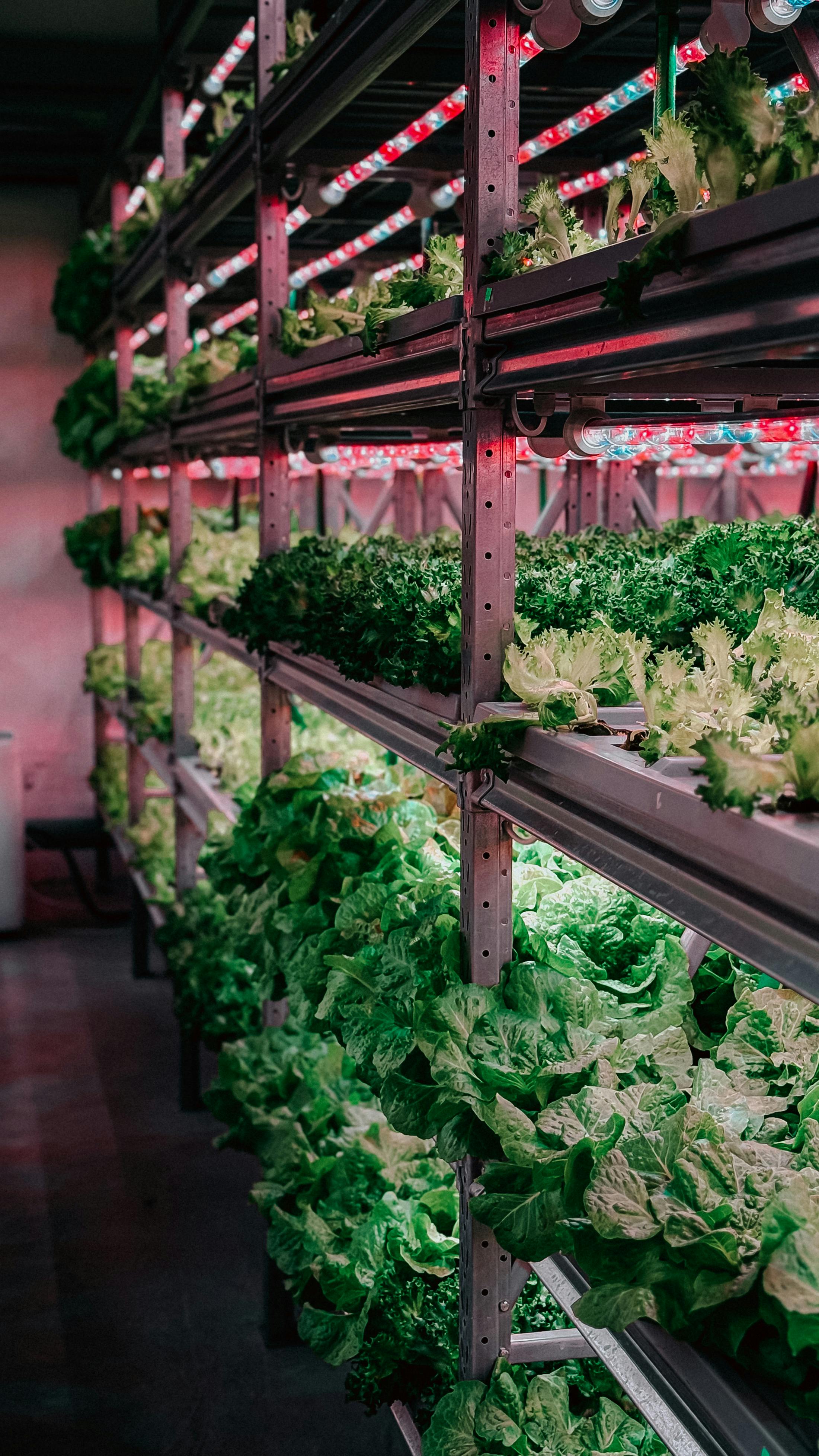
Any serious discussion about a Mars settlement quickly runs into the question of how people will eat. Closed-loop agriculture, vertical farming, precision fermentation, and shelf-stable nutrition become more than niche ideas in that context. They become survival technologies.
Back on Earth, the same logic applies during droughts, heat waves, and geopolitical disruption. Reuters and other major outlets have repeatedly reported how wars, export restrictions, and fertilizer volatility can destabilize food prices. Musk's public comments often resonate because he speaks to a future in which dependable food systems are no longer something societies can take for granted.
Alternative proteins fit his taste for disruption

Musk is also drawn to industries where old habits collide with new technology. Food, especially meat and dairy production, is full of that tension. Alternative proteins, including plant-based products, cultivated meat, and fermentation-derived ingredients, promise lower land use and potentially lower emissions, though costs and consumer adoption remain major hurdles.
That makes the sector resemble electric vehicles in its earlier phase. There is a legacy system with giant scale, emotional consumer attachment, and entrenched infrastructure. Then there is a newer model that claims it can eventually become cleaner, cheaper, and more efficient.
Even when Musk is not building a food company, his style of thinking reinforces the narrative around technological substitution. Investors, founders, and commentators often bring him into these discussions because he symbolizes the idea that industries once considered fixed can be redesigned from first principles.
His online influence amplifies every food-adjacent remark

Another reason his name persists is simpler: he commands attention at unusual scale. A casual post, joke, or offhand comment about agriculture, lab-grown food, or population trends can trigger waves of media coverage and online debate. In today's information environment, attention itself is a form of power.
That amplification changes which food issues become culturally visible. A niche conversation about synthetic biology or fertilizer dependency can suddenly move from trade publications into mainstream discussion when attached to Musk's name. The effect is not always clarifying, but it is undeniably agenda-setting.
Public figures in food policy often spend years trying to make structural issues feel urgent to ordinary audiences. Musk can do that in hours, even when his comments are incomplete or speculative. That helps explain why journalists and analysts keep tracking his role in the conversation.
His companies overlap with agriculture more than people realize
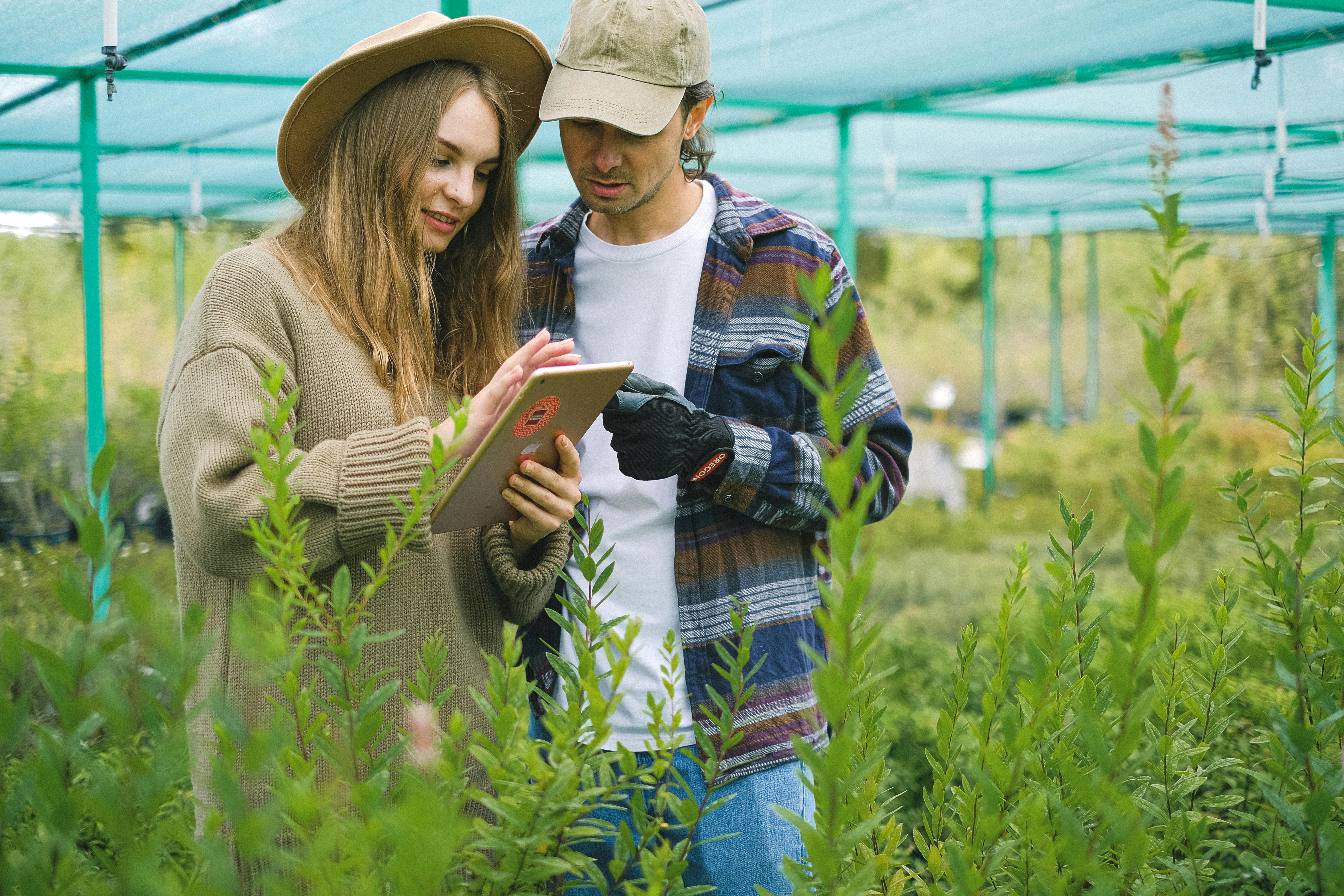
The link is not only rhetorical. Several of Musk's business areas touch agriculture directly or indirectly. Battery systems can support remote farms and stabilize energy-intensive facilities. Electric trucks matter for food freight. Satellite connectivity through Starlink can improve precision agriculture, especially in rural areas with weak broadband access.
Farmers increasingly rely on connected sensors, weather data, and automated equipment. A 2024 industry trend line showed continued investment in digital agriculture despite tighter capital conditions. In that environment, Musk-linked infrastructure becomes relevant to how efficiently farms operate and how quickly they can adapt.
This does not make him a food baron. It does mean that when the future of food is discussed as a supply-chain and data problem, his ecosystem of technologies is part of the practical conversation, not just the speculative one.
The future of food now belongs to big-picture thinkers
Ultimately, Musk keeps entering food conversations because food is no longer seen as only a matter of cuisine or consumer taste. It is now a crossroads issue involving climate, geopolitics, manufacturing, public health, labor, and national resilience. People who traffic in large-scale future narratives are bound to step into that space.
Musk is especially hard to ignore because he packages complex transitions into memorable, sometimes provocative ideas. Supporters hear urgency and ambition. Critics hear oversimplification and hype. Both reactions keep him central to debates about how food should be produced in the decades ahead.
That is the real answer: he shows up because modern food is a technology story, a security story, and a survival story all at once. Those are precisely the kinds of stories he has built his public identity around.



Leave a Reply