
Few grocery frustrations are as universal as opening a bag of chips and finding more space than snack. But that so-called emptiness exists for practical reasons that go far beyond appearances.
The bag is not really filled with ordinary air
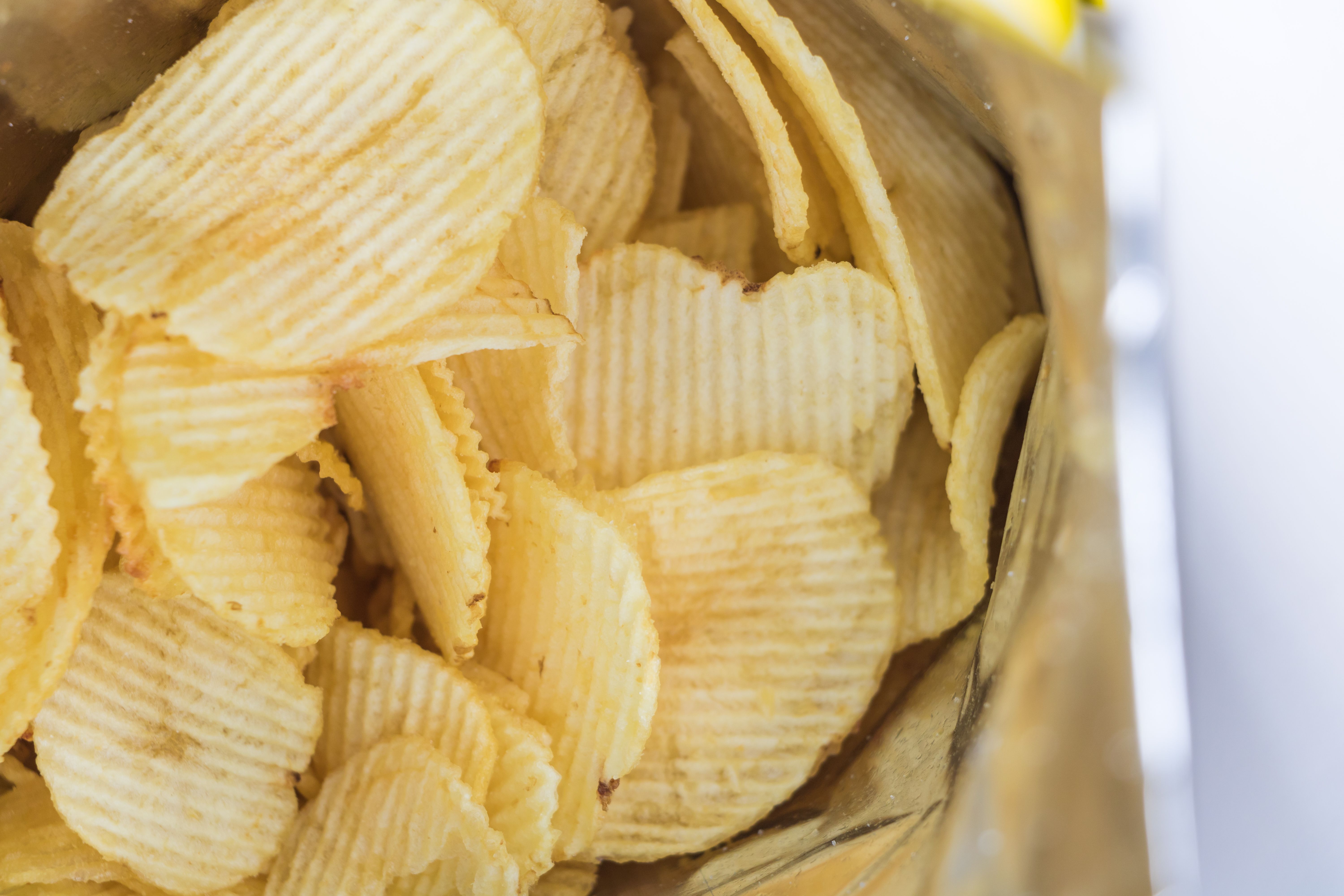
What feels like empty space is usually filled with nitrogen, not room air. Snack makers use nitrogen because oxygen is the enemy of freshness, especially for fried foods that contain oils. When oxygen lingers in a package, it speeds up oxidation, which is the process that makes chips taste stale or rancid.
By flushing a bag with nitrogen before sealing it, manufacturers reduce the amount of oxygen surrounding the chips. That helps preserve flavor, aroma, and crunch over time. It is a standard food-packaging method used across the snack industry, not a gimmick invented to make bags look fuller on the shelf.
Industry groups, including the UK's Snack, Nut and Crisp Manufacturers Association, have explained that this gas layer helps products stay fresh longer. In other words, the space is part of the preservation system. Without it, chips would lose quality much faster.
That extra room works like a built-in cushion
Potato chips are fragile by nature. They are thin, brittle, and easily shattered by vibration, pressure, and handling during shipping. The trip from factory line to warehouse, to truck, to store shelf can be rough enough to turn an overpacked bag into a pouch of crumbs.
The gas-filled headspace acts as protective cushioning around the chips. It absorbs movement and reduces direct compression, giving the contents a better chance of arriving in recognizable form. That is one reason manufacturers do not simply cram every bag to the top.
Packaging experts sometimes compare the effect to a tiny shock-absorption system. If the bag were tightly packed with almost no headspace, chips would grind against each other more aggressively. The result would be less satisfaction for consumers and more product damage complaints for brands.
There is even a formal name for this packaging practice
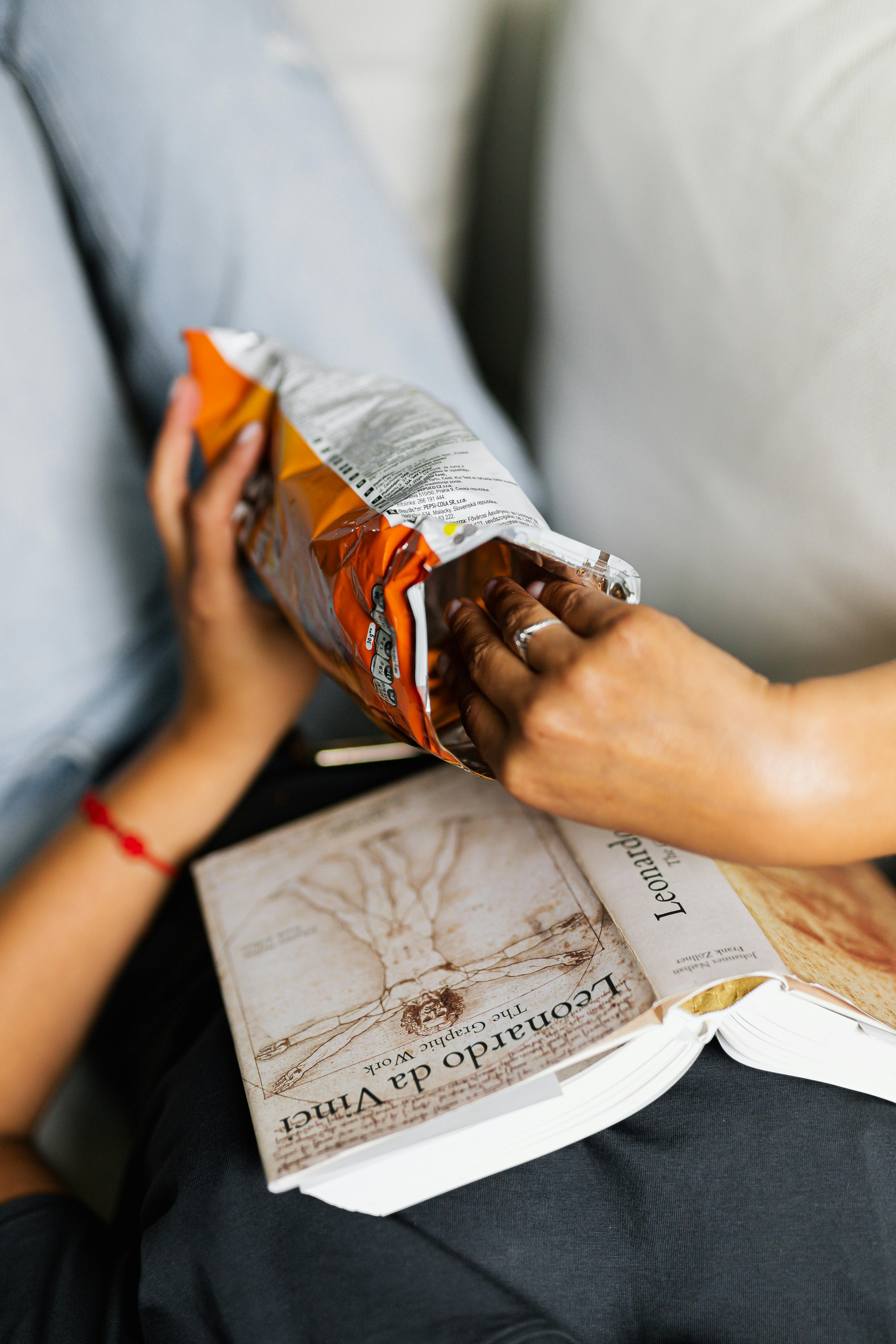
The term used for this empty-looking space is "slack-fill." More specifically, in many snack products it is considered "functional slack-fill," meaning the extra space serves a legitimate purpose. It is not automatically evidence that a company is trying to deceive buyers.
That distinction matters in food packaging law. According to legal experts cited by Vox and other outlets, what matters most is whether the stated net weight is accurate. If a bag says it contains a certain number of ounces, the chips inside are expected to match that weight, even if the package itself appears oversized.
Consumers often judge value by how full a bag looks, but regulators focus on measurable content and function. If the space protects the food or preserves quality, it can be justified. That does not mean all packaging choices are beyond criticism, but chip bags are not empty by accident.
The size of the gap can still feel surprisingly large

One reason shoppers remain skeptical is that the empty portion can be substantial. A 2017 study by CDA Appliances found that the average bag of chips was about 72% empty by volume. Seeing numbers like that makes it easy to understand why people feel shortchanged.
Still, volume is not the same as product quantity. Chips vary in shape, density, and breakability, and packages are sold by weight, not by how packed they look. A bag with the correct listed weight can still appear dramatically underfilled because chips take up irregular space and require room for protection.
Temperature also affects the package. Industry representatives have noted that gas expands in warmth and contracts in cooler conditions, so bags can look puffier or flatter depending on storage and transport. That visual inconsistency adds to the impression that something unfair is going on.
More space can mean a longer shelf life

Freshness is not only about preventing breakage. It is also about slowing the chemical changes that make fried snacks taste old. Oils in chips react with oxygen over time, and once that process advances, the flavor becomes flat, waxy, or unpleasant.
The nitrogen-filled space helps delay those changes by pushing out much of the oxygen before sealing. Reports on the 2017 research noted that many chips carry a best-before window of roughly 55 days after production. In at least one case discussed publicly, Popchips were found to last far longer before going stale, reportedly up to 290 days.
That kind of shelf-life improvement has real value for manufacturers, retailers, and shoppers alike. Stores can manage inventory more effectively, fewer products are discarded, and consumers are more likely to get a crisp snack even weeks after purchase.
Why the debate over chip bags is unlikely to disappear
Even with a sensible explanation, people dislike the feeling of paying for emptiness. That tension has fueled lawsuits and public criticism over the years. In 2017, Wise Foods faced a lawsuit from consumers who argued that air-filled bags made them overpay, reflecting how strongly buyers respond to package appearance.
The issue sits at the intersection of science, regulation, and psychology. Companies design packaging to preserve product quality, but shoppers often interpret oversized bags as a marketing trick. Both views can coexist, which is why the debate keeps resurfacing.
In the end, the half-empty chip bag is really a tradeoff. Less empty space might look better at first glance, but it could also mean staler chips and more crumbs. What seems like "just air" is actually part of the product's protection plan.



Leave a Reply