
Food labels do more than identify what is in the package. In Canada, they often help explain where the food belongs in a much larger national story.
Geography makes origin impossible to ignore
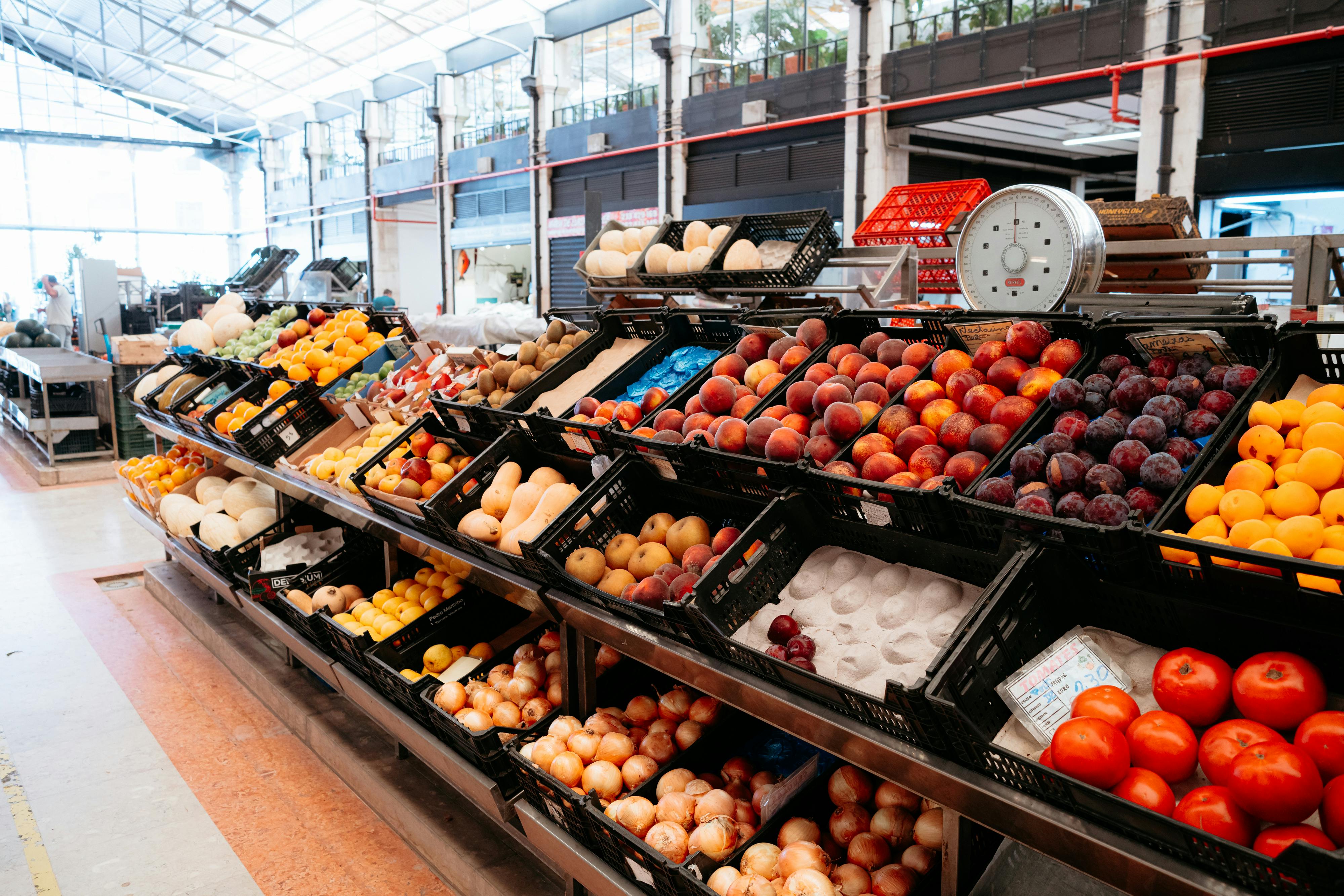
Canada's size and climate shape food conversations from the start. Much of the country has a short growing season, long winters, and farming regions that are concentrated in specific provinces. Because production is uneven, shoppers often notice whether produce came from British Columbia, Ontario, Quebec, California, or Mexico, and that awareness quickly turns origin into a normal part of everyday discussion.
The practical reality is simple: many Canadians know local strawberries are seasonal, greenhouse tomatoes are common, and imported fruit fills gaps for months at a time. When availability changes dramatically through the year, consumers become more attentive to labels and more curious about supply routes. Origin is not abstract when weather can determine what reaches shelves and at what price.
Regional identity strengthens that habit. Atlantic seafood, Alberta beef, Quebec maple products, Prince Edward Island potatoes, and Okanagan wine are not just foods. They are markers of place. Talking about food origins in Canada often means talking about regional economies, local pride, and the visible relationship between land and table.
A smaller market creates more visible supply chains
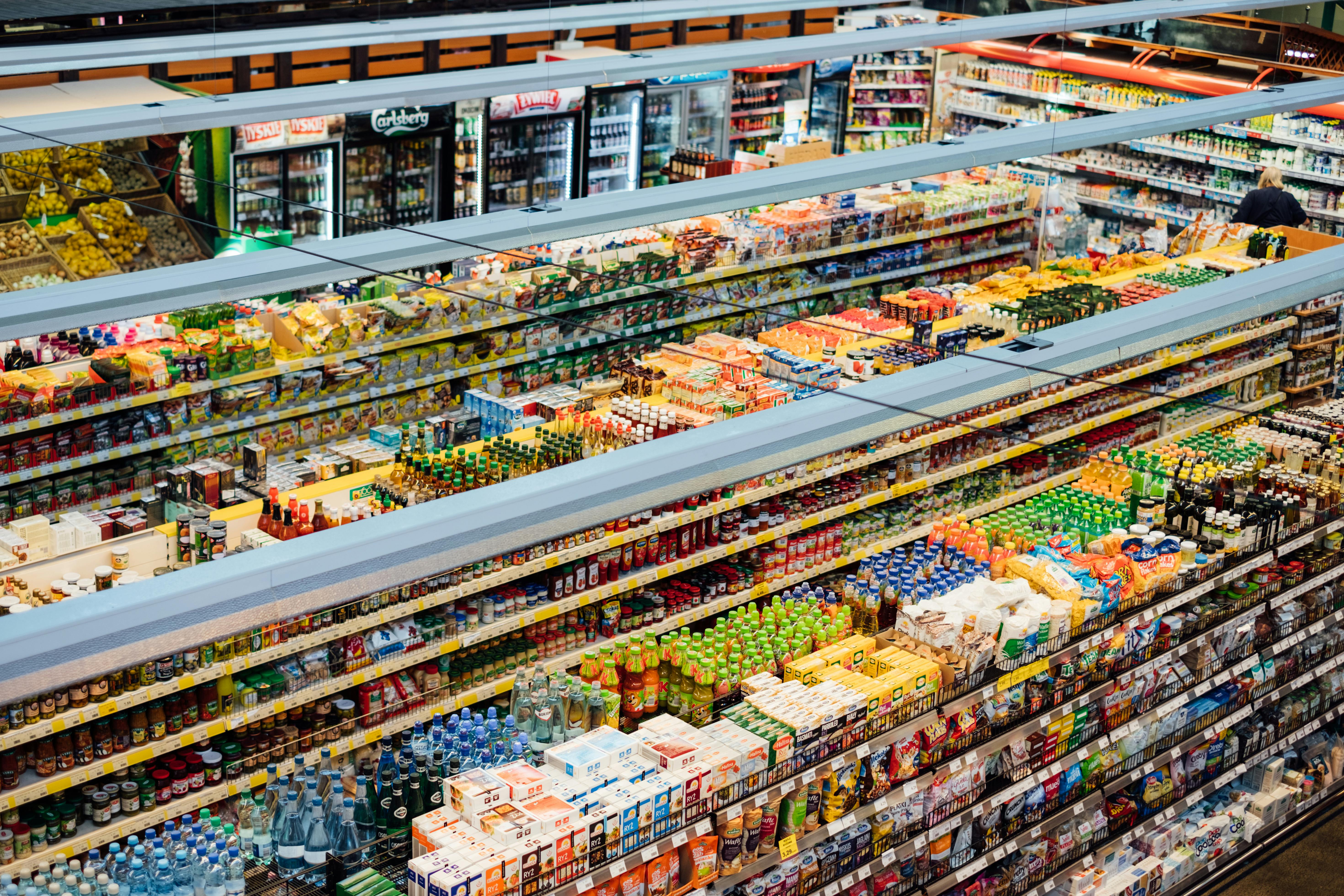
Canada has a far smaller population than the United States, and that changes how people think about food. In a smaller market, imported goods and interprovincial shipments are more noticeable because consumers are aware that domestic production cannot cover every need in every season. That makes the path from producer to store feel more visible, even when the supply chain itself is complex.
In the United States, a vast internal agricultural system creates an impression of abundance that can blur questions of origin. Americans can buy lettuce from Arizona, beef from Texas, dairy from Wisconsin, or oranges from Florida without feeling they are crossing major cultural or political boundaries. The food is still domestic, and that often lowers the urgency of discussing where it began.
Canadians, by contrast, more often face origin as a meaningful distinction. Imported dairy ingredients, foreign produce, or seafood from another coast can trigger conversations about freshness, standards, tariffs, and transportation distance. In practical terms, food origin becomes part of shopping literacy. People are not just asking what it is. They are asking how far it traveled and why.
Policy and labeling have trained consumers to pay attention

Government rules have also helped make origin more central in Canada. Bilingual packaging, supply management in dairy and poultry, and recurring public debates over food labeling have made shoppers more label-aware in general. Once people are trained to read packages carefully, origin becomes one of the first details they notice and discuss.
Country-of-origin and product-of-Canada distinctions have mattered enough to generate confusion and reform over the years. The difference between "Made in Canada" and "Product of Canada" is not trivial to many shoppers because it speaks to how much of the food is actually domestic. That level of nuance invites public discussion in a way that does not always happen in the U.S. mainstream grocery experience.
Food safety episodes have reinforced the pattern. Outbreaks, recalls, and trade disputes often push origin into headlines. When news coverage explains where a product was grown, packed, or processed, consumers become more practiced at linking geography with trust. According to reporting by major Canadian outlets and federal agencies over time, that repeated exposure helps make food origin a routine part of consumer judgment rather than a niche concern.
National identity is closely tied to local production
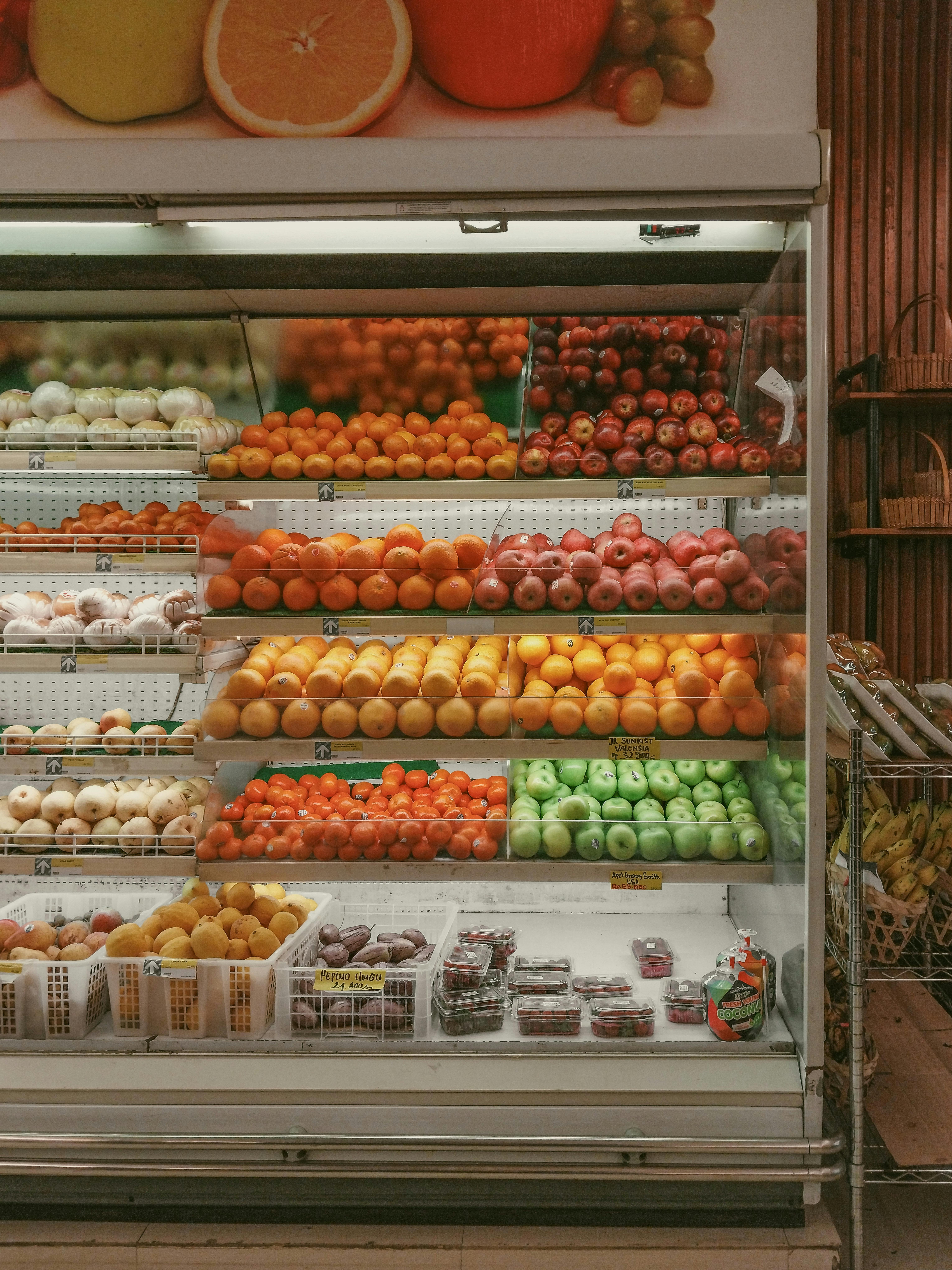
Canadians often use food to express something larger about sovereignty, community, and resilience. In a country that lives beside an economic giant, buying Canadian can feel like more than a purchasing choice. It can reflect support for domestic farmers, protection of rural livelihoods, and a desire to maintain distinct national habits in a North American market heavily influenced by U.S. brands and distribution systems.
This is especially visible during moments of disruption. The pandemic, border bottlenecks, and inflation pushed many Canadians to ask where food was coming from and whether domestic systems were strong enough to hold up. Origin became shorthand for reliability. Local eggs, provincial meat processing, and nearby produce all took on symbolic weight because they represented a measure of control in uncertain conditions.
Americans certainly care about local food, farmers markets, and regional specialties. But the national conversation is often more fragmented because the country is so large and self-sufficient across many categories. In Canada, the same topic can more easily become a shared national issue. That gives food origin an unusually strong role in public identity and household conversation.
Price, trust, and ethics all point back to origin
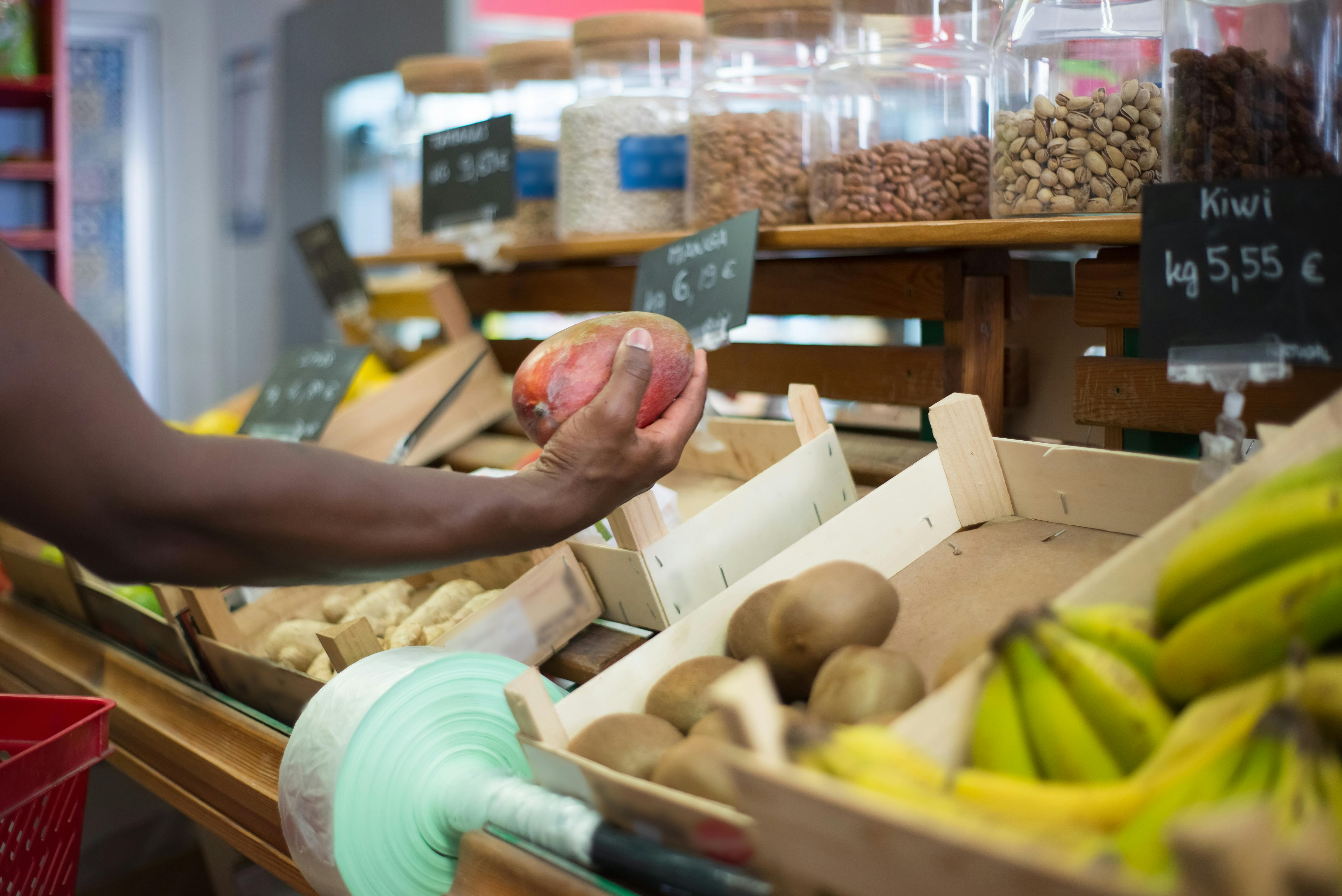
For many Canadian shoppers, food origin is closely tied to trust. They may associate domestic products with stricter standards, better traceability, or clearer accountability, whether or not every category fully supports that belief. In practice, origin often serves as a shortcut for judging quality when consumers are facing rising prices and crowded supermarket choices.
Ethical considerations also matter. People who care about labor conditions, environmental impact, animal welfare, or sustainable fishing often begin with the question of where the product came from. A 2024 pattern in consumer research across North America showed that transparency increasingly shapes food buying, but Canadians often connect transparency more directly to geography because regional and imported distinctions are so visible in their market.
Price adds another layer. Imported food can sometimes be cheaper, but it can also feel riskier or less aligned with domestic values. That creates tension at the shelf, and tension drives conversation. When people weigh affordability against support for Canadian producers, origin stops being a label detail and becomes part of a broader moral and economic decision.
Americans talk about food differently, not necessarily less seriously

The contrast with the United States is not about indifference. Americans often organize food conversations around health claims, convenience, taste, brand loyalty, and dietary identity. Organic, non-GMO, high-protein, low-carb, and ultra-processed are common frames in American food culture. Origin matters too, especially in premium categories like coffee, wine, seafood, and beef, but it is often one attribute among many rather than the central point.
Scale plays a major role. A giant domestic market lets American consumers treat many products as simply national, even when they travel thousands of miles. The emotional distance between Iowa corn and a New York supermarket is smaller than the emotional distance many Canadians feel between domestic and imported food. That difference shapes what people ask first when they shop.
So Canadians spend more time talking about food origins because origin answers several questions at once. It speaks to climate, distance, identity, safety, economics, and trust. In the United States, those same concerns are often divided among other labels and debates. In Canada, they converge on one simple, recurring question: where did this food come from?




Leave a Reply