
Some food habits look strange until you try them. Vinegar on chips is one of those habits.
It Starts With the Kind of Chip Canadians Mean
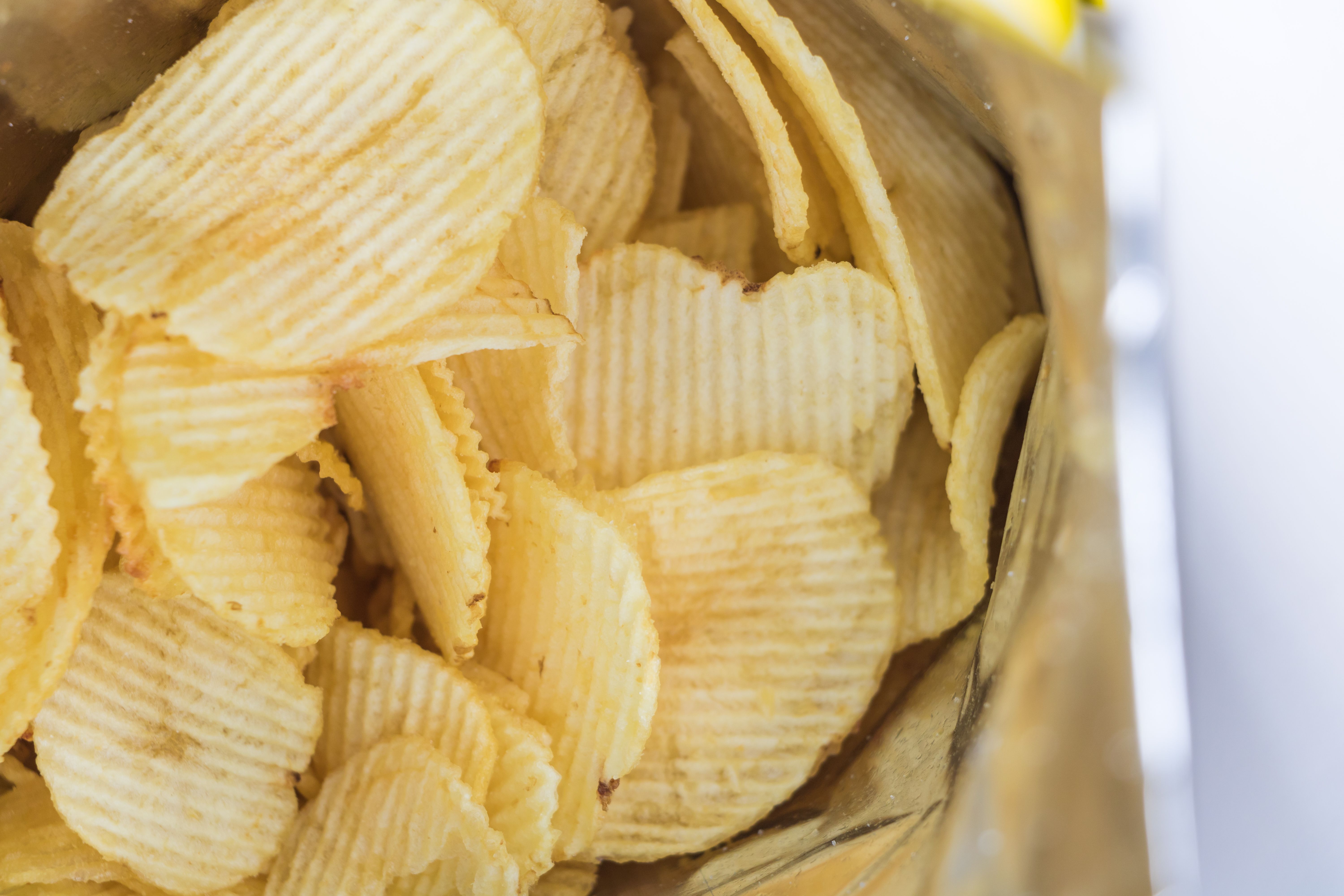
In Canada, "chips" usually means what Americans call fries if you are talking about fish and chips, diners, or takeout counters. That matters because vinegar is not being poured onto a sealed bag of potato chips at the table. It is most often shaken over hot, fresh-cut fried potatoes.
That hot surface is the whole trick. The vinegar hits the fries while they are still steaming, so the sharp smell rises fast and the liquid soaks in just enough to flavor the outer layer without turning the whole thing soggy.
For a lot of Canadians, especially in older diners, chip wagons, hockey rinks, and fish-and-chip shops, malt vinegar is as normal as ketchup. The bottle is just there, sitting beside the salt, waiting for someone to grab it without even thinking twice.
The Flavor Logic Is Actually Pretty Simple
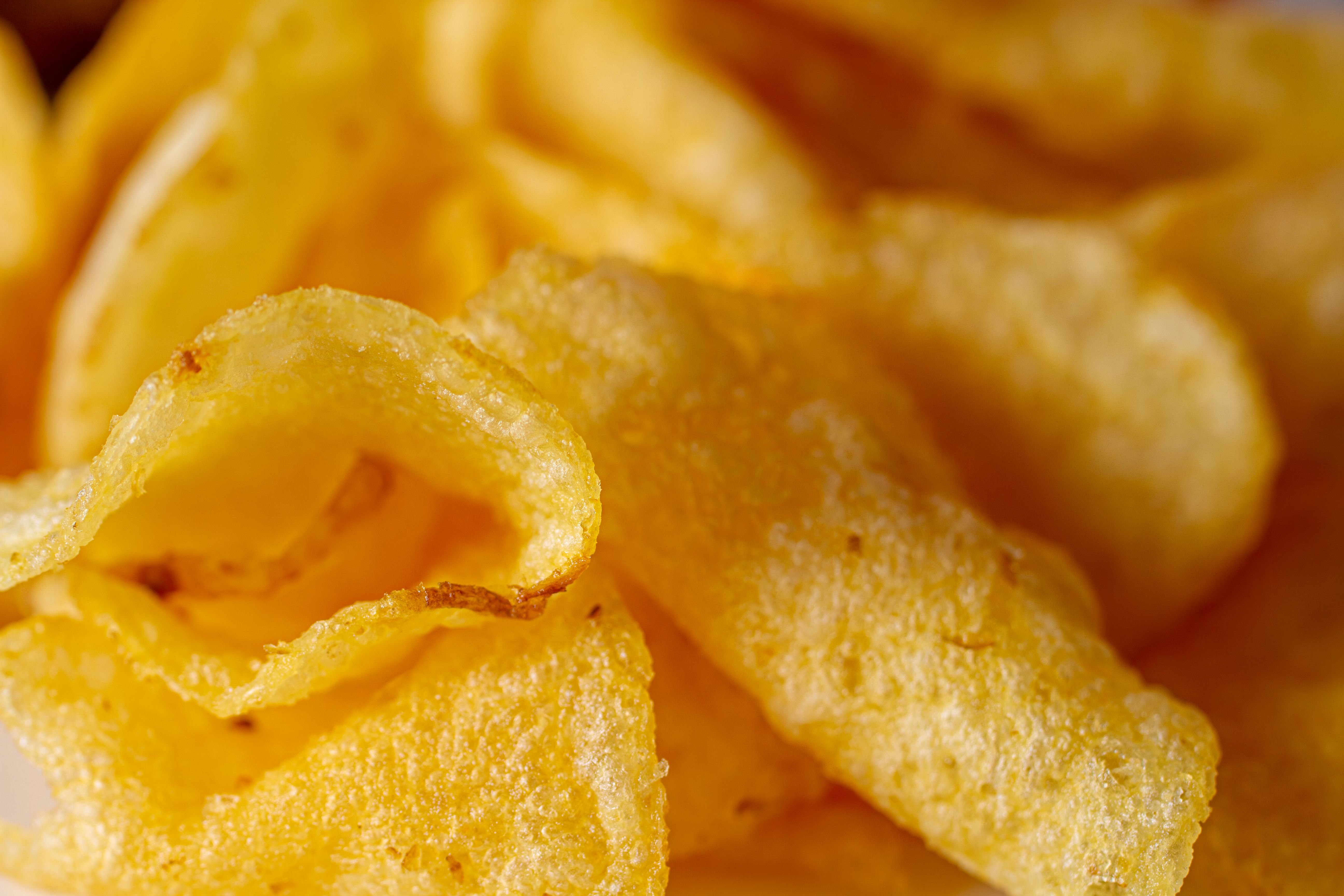
Fried potatoes are rich, salty, and heavy. Vinegar cuts through all of that with acid, making each bite taste brighter and less greasy. It is the same reason lemon works on fried fish and pickles work so well with burgers.
Food scientists often talk about balance, and vinegar does exactly that. Salt boosts savoriness, while acid wakes up the palate and keeps fat from feeling dull or overwhelming. Together, salt and vinegar create contrast, and contrast is what makes simple foods memorable.
That is also why the combo feels so addictive. The first bite is sharp, the second feels cleaner than expected, and suddenly a plain pile of fries has layers. It is not fancy, but it is smart, and people remember smart flavor.
Why It Took Root So Strongly in Canada
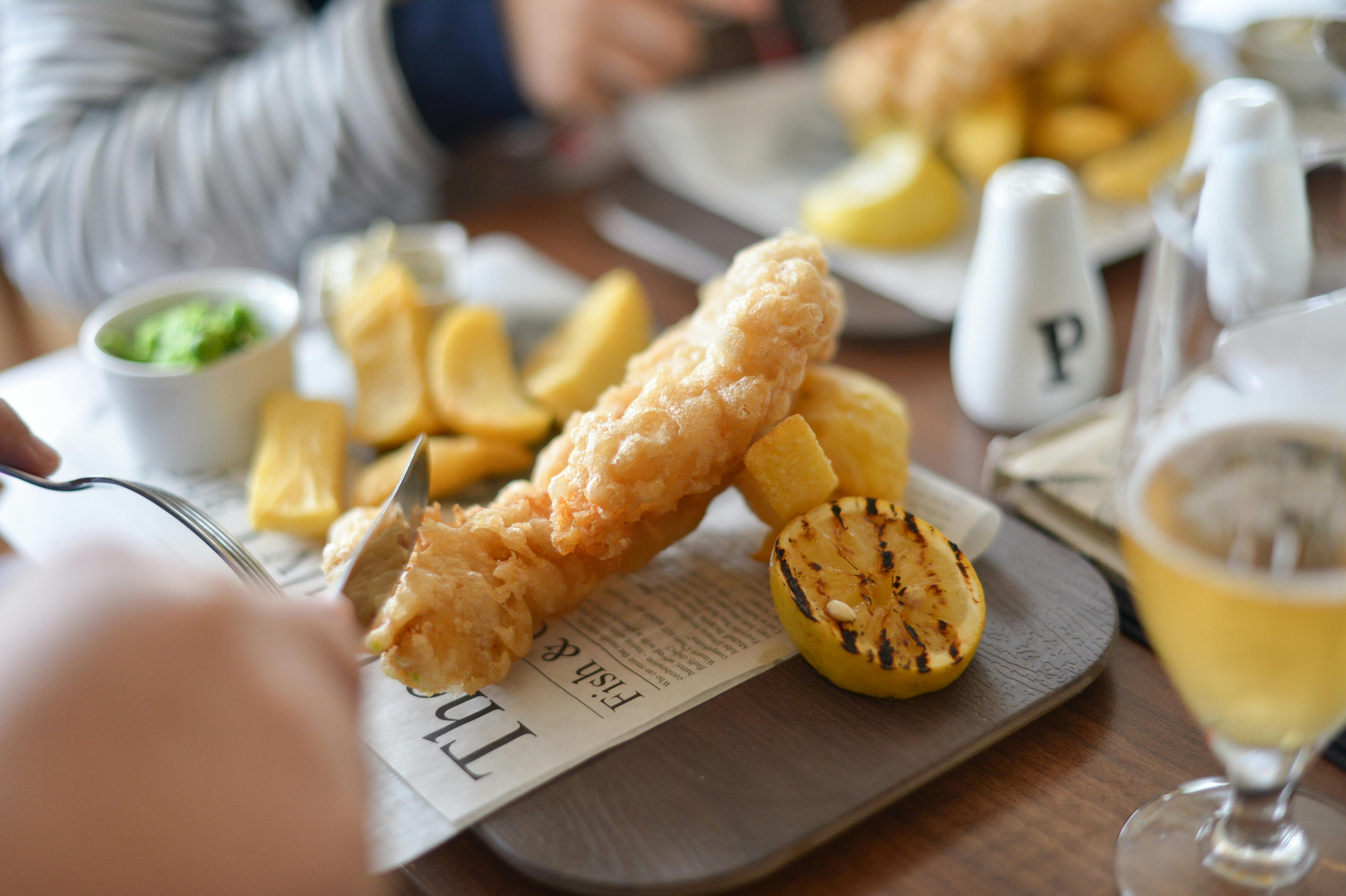
Canada's connection to vinegar on chips comes from British influence, especially through fish-and-chip culture. In the United Kingdom, malt vinegar on chips has been standard for generations, and that habit traveled easily to Canadian cities and coastal towns.
Places with strong ties to British and Irish immigration helped normalize it early. In parts of Ontario, the Maritimes, and Newfoundland and Labrador, fish-and-chip shops made vinegar part of the routine, not a novelty or a dare.
Climate and comfort food culture likely helped too. In colder weather, hot fried food is deeply appealing, and vinegar gives that comfort food a little edge. It keeps a heavy meal from feeling one-note, which may be one reason the custom stuck so firmly.
Americans Are Starting to See the Appeal

In the United States, ketchup dominated fries for decades, with regional exceptions like gravy, chili, or cheese. Vinegar never disappeared entirely, especially in East Coast seafood spots, but it was less visible in mainstream fast-food culture.
That has changed as American diners have become more open to sharper flavors. Hot honey, pickled onions, chili crisp, and tangy sauces have all moved into the mainstream, so vinegar on fries no longer feels like such a leap.
Salt and vinegar potato chips also helped train the American palate. Once people got used to that punchy flavor in snack form, the jump to actual fries became much easier. What once sounded aggressive now reads as clean, crisp, and satisfying.
The Best Way to Try It Without Ruining Your Fries
![FRANCIANO PUHALES [FF8]/Pexels](https://images.pexels.com/photos/13161027/pexels-photo-13161027.jpeg)
If you want the real effect, use malt vinegar first. Distilled white vinegar can work, but malt vinegar has a rounder, toastier flavor that fits fried potatoes better. It tastes less harsh and more like it belongs there.
Go light at the beginning. A few shakes over very hot fries is enough to start, especially if you add salt right after so it sticks. If you drench them all at once, the bottoms can soften before you get the full experience.
The best fries for vinegar are thicker-cut diner fries, fish-and-chip shop chips, or fresh boardwalk-style fries. Super thin fast-food fries can still taste good, but they lose structure faster. This is one of those cases where texture matters almost as much as flavor.
Why This Habit Makes Sense Once You Try It
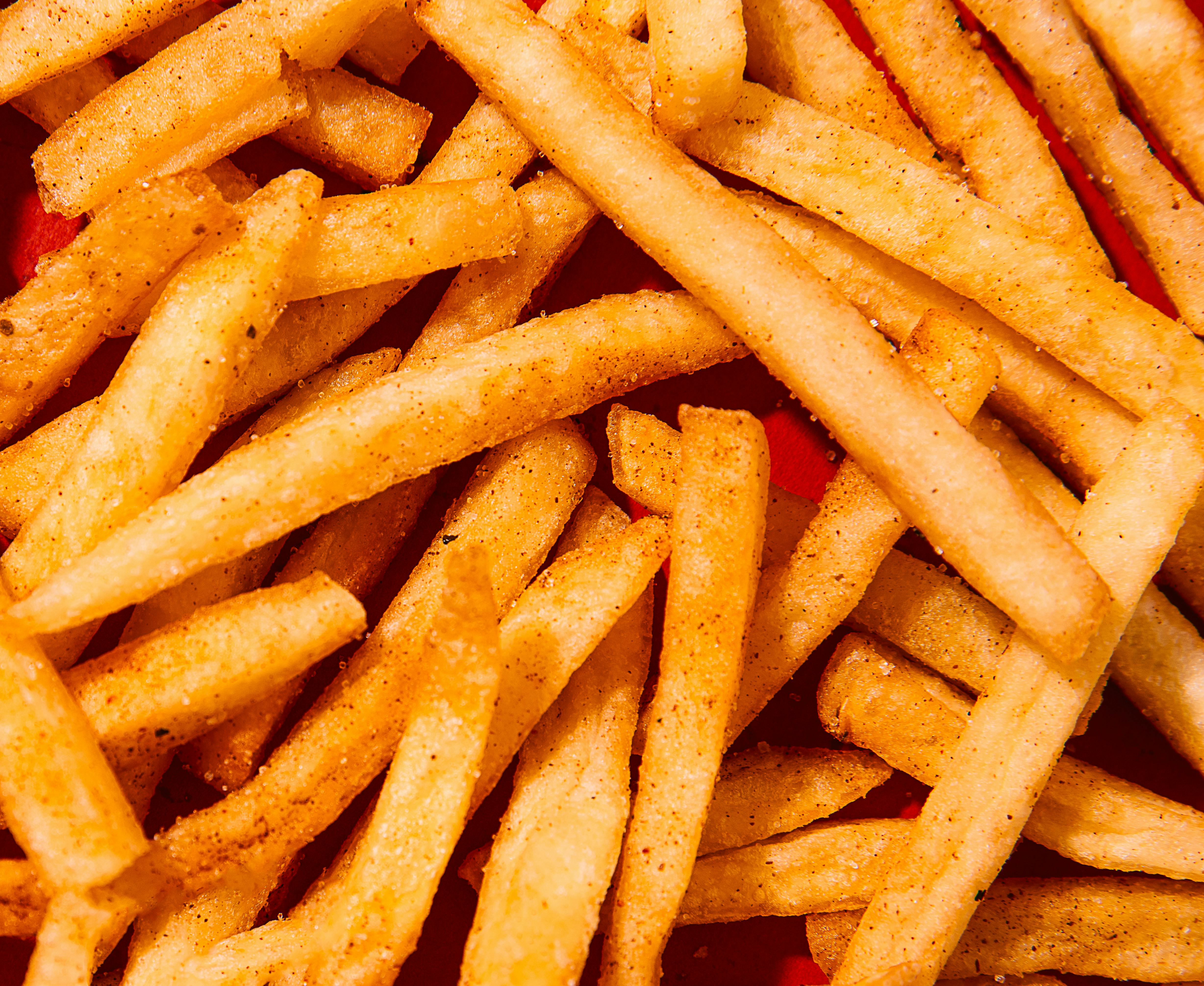
Part of the appeal is that it feels old-school and practical. Vinegar is cheap, familiar, and effective. It does not hide the potato the way some sauces do. It sharpens what is already there and makes the fries taste more like themselves.
There is also a small thrill in discovering that another country has been right about something obvious all along. Canadians did not invent acid on fried food, but they made it part of everyday life in a way many Americans are only now appreciating.
And that is probably why the habit keeps winning people over. It is not a gimmick and it is not complicated. It is just a better balance of salt, fat, and acid, and once that clicks, plain fries can start to feel a little unfinished.

Leave a Reply