
Some recipes survive on paper. Very few survive in the hands.
Across Canada, one of the clearest examples is tourtière, the old French Canadian meat pie that many people still make, but far fewer truly understand.
The dish is simple, but the method is not
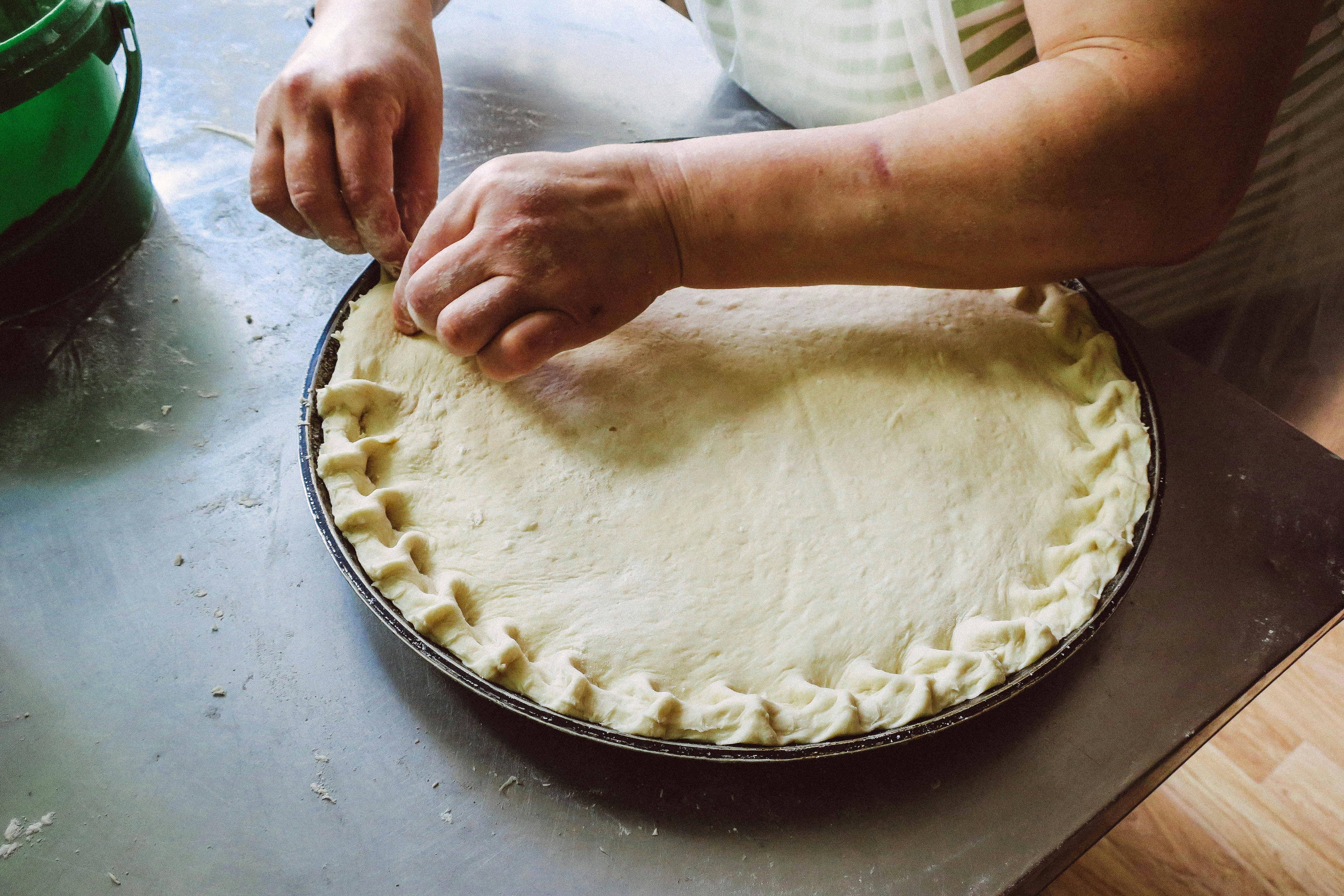
At first glance, tourtière looks straightforward: pastry, meat, onions, stock, and spice. That simplicity is exactly why people underestimate it. The real version depends less on ingredients than on balance, texture, and restraint.
Older Canadian cooks, especially in Quebec and Franco-Ontarian households, learned that the filling should never resemble ground meat in gravy. It must hold together without turning wet, heavy, or greasy. The crust should support the pie, not shatter into dry flakes or slump under excess fat.
That level of control comes from repetition. Home economists and culinary historians have long noted that heritage dishes are taught through observation, not only written instruction. In tourtière, small decisions about browning, moisture, and seasoning separate a nostalgic pie from a genuinely well-made one.
Canadians over 60 learned it before convenience changed everything
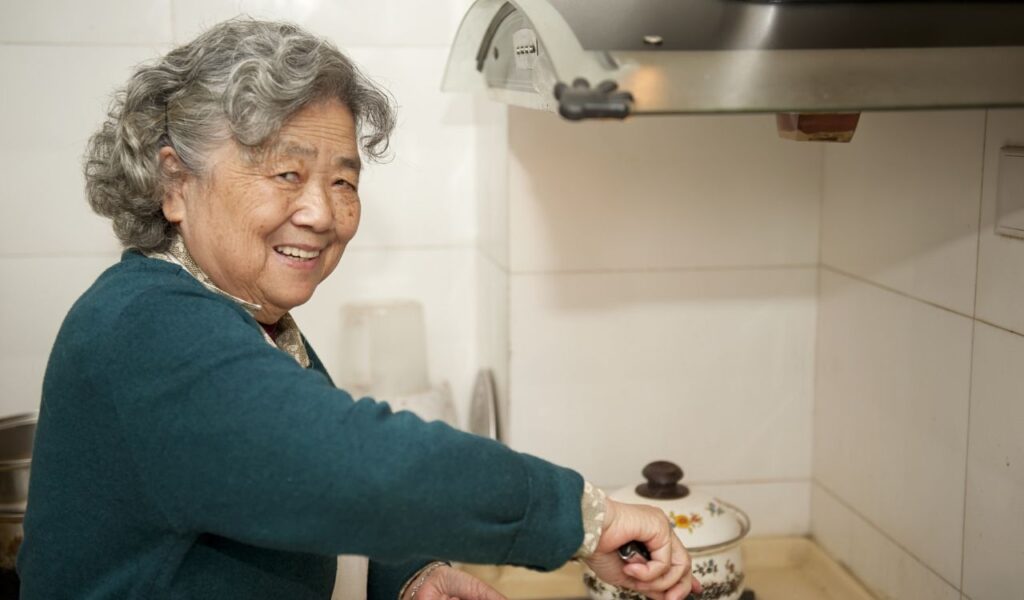
The key difference is not age alone. It is when and how this generation learned to cook. Canadians now over 60 often grew up in homes where holiday dishes were made from scratch because there was little alternative, and because family reputation was attached to the result.
In mid-20th-century Canada, regional cooking still had a strong domestic base. Meat was hand-trimmed, broth was reused, and pastry was expected to be made at home. According to food historians who study Quebec tradition, tourtière was not a novelty dish. It was part of a seasonal rhythm, especially at Christmas and New Year gatherings.
Younger cooks inherited recipes after that rhythm had already weakened. By then, frozen pie shells, lean supermarket meat, and speed-first cooking had changed expectations. The dish stayed visible, but many of the instincts behind it quietly disappeared.
Proper tourtière depends on judgment that recipes cannot teach well

The most important skills are sensory. The cook must know when the onions have softened enough to sweeten the meat without disappearing. They must feel when the filling has reduced enough to slice cleanly after baking.
Seasoning is another dividing line. Traditional tourtière uses warming spices like clove, allspice, cinnamon, or savory, but always with discipline. Older cooks tend to understand that these notes should round out the meat, not announce themselves in the first bite.
Then there is the issue of meat texture. In older households, the filling was often chopped or mixed to create variation, rather than reduced to a fine, uniform paste. That gives the pie character. It also explains why many modern versions taste flatter, even when they follow a published recipe exactly.
Regional knowledge still lives most strongly with older generations

A crucial point often missed is that there is no single national formula. In Saguenay-Lac-Saint-Jean, tourtière can refer to a deep, slow-baked meat pie that differs significantly from the smaller holiday version common elsewhere in Quebec. In Manitoba and Ontario, family adaptations reflect migration, available game, and parish traditions.
Canadians over 60 are often the last people who remember which version belongs to which table. They know whether their family used pork, veal, beef, or game, and whether potatoes or stock thickened the filling. Those details matter because authenticity in old cooking is often local, not standardized.
This is where oral tradition becomes decisive. A grandmother saying "cool the filling before closing the crust" carries more practical value than a vague recipe card with missing steps. Regional food survives when someone remembers the reason behind each move.
Modern cooking often misses the patience this pie requires
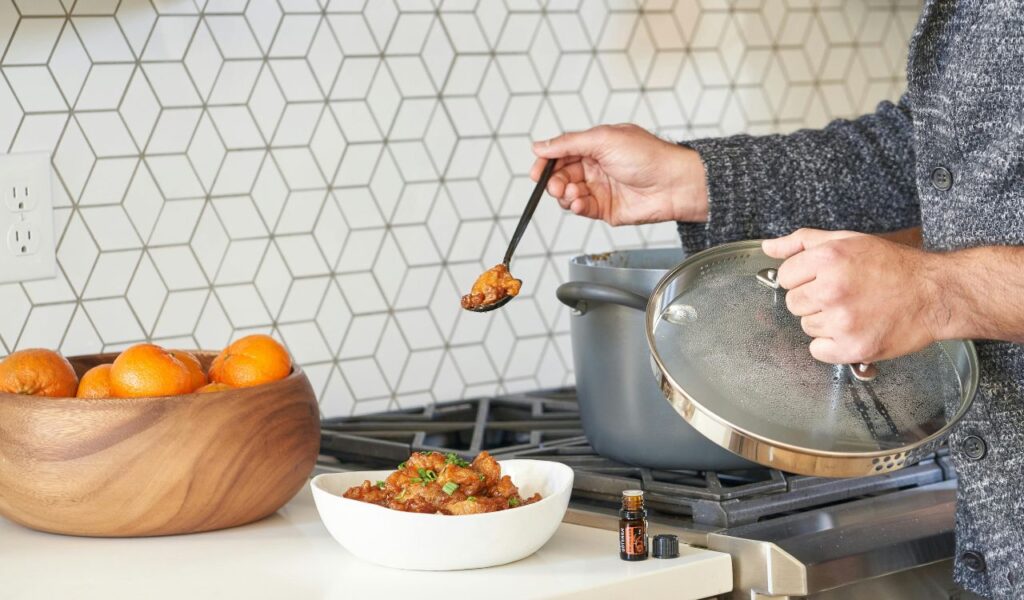
Today, many people can bake competently but still rush dishes that were designed for slower kitchens. Tourtière punishes haste. If the filling is too hot, the crust softens. If the liquid is not cooked off properly, the bottom turns soggy. If the pie is cut too early, the slices collapse.
Older cooks tend to respect resting time because they were taught that waiting is part of cooking, not a delay after it. The pie should settle after baking so the fat redistributes and the filling firms. That patience is one reason their version often tastes richer and cleaner.
Professional chefs sometimes echo this point when discussing heritage foods. Technique matters, but timing matters just as much. In traditional pies, the final 30 minutes of restraint can be as important as the first 30 minutes at the stove.
Why preserving this knowledge matters now
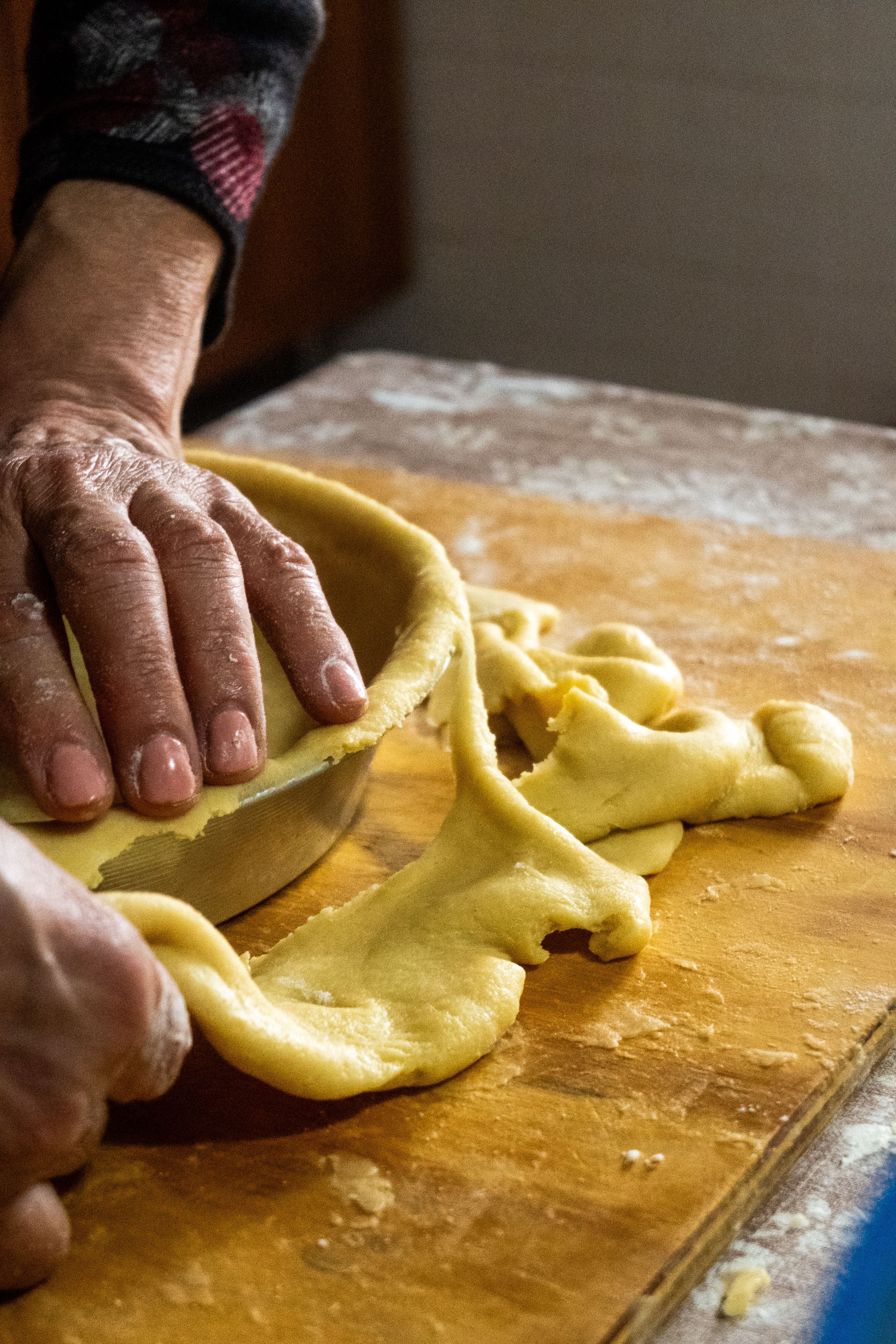
This is not really a story about older Canadians guarding a secret. It is a story about embodied knowledge, the kind built through years of repetition, correction, and shared meals. Once that chain breaks, a dish may survive by name while losing its structure and soul.
There is renewed interest in heritage cooking across Canada, and that is encouraging. Culinary schools, community groups, and family archives are paying closer attention to regional foods that once seemed ordinary. But preservation only works when younger cooks learn the techniques, not just the ingredient list.
Tourtière deserves that effort because it represents more than comfort food. It carries memory, migration, Catholic feast calendars, winter resourcefulness, and the discipline of traditional home cooking. Canadians over 60 still cook it properly because many of them were the last generation taught what "properly" actually means.

Leave a Reply