
The change may feel subtle at first. A few new labels, familiar U.S. brands, and a wider mix of imported staples could soon become much more common in Canadian grocery aisles.
Retailers are chasing more stable supply
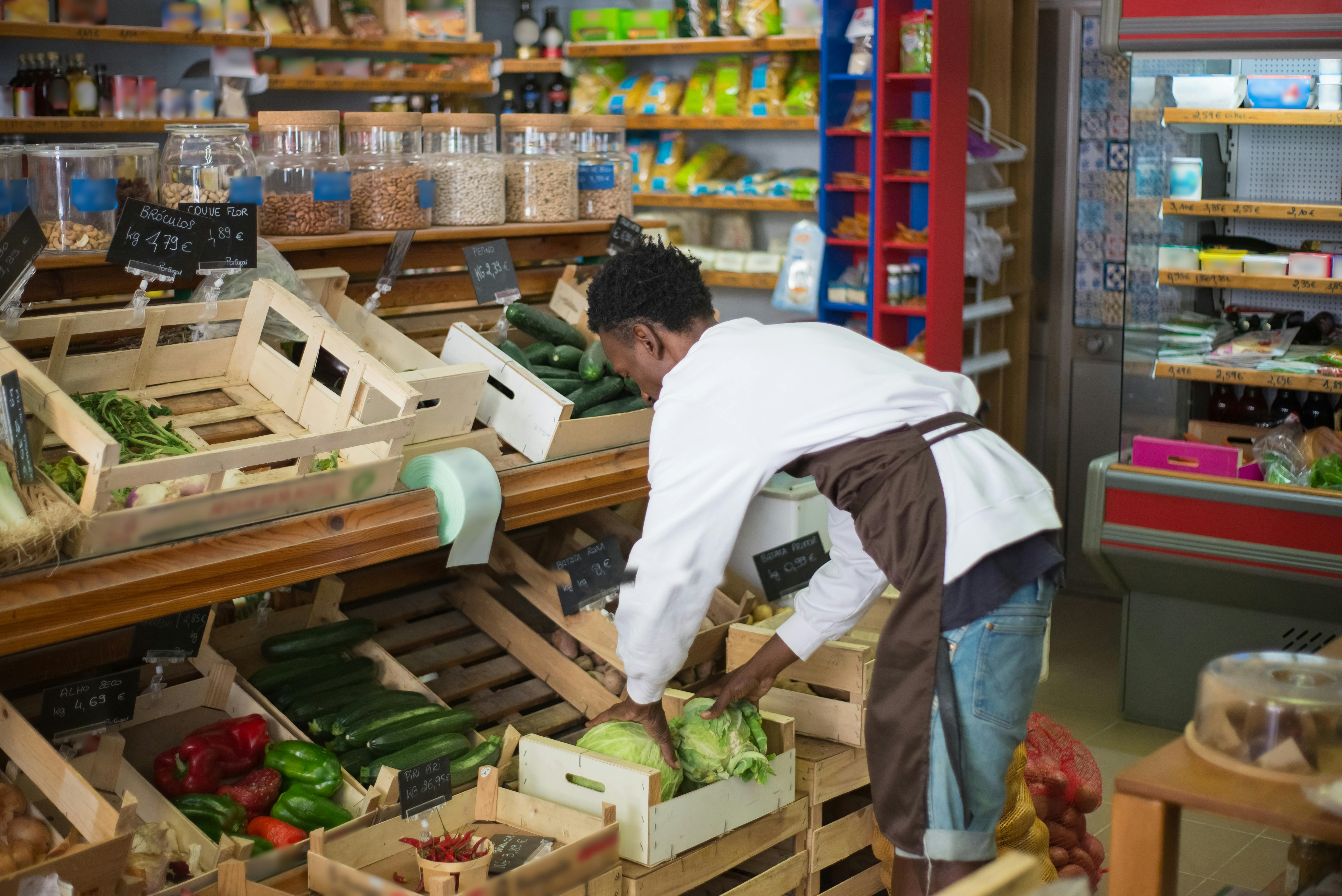
One major reason is simple: grocery chains want steadier inventory. In recent years, Canadian retailers have dealt with weather disruptions, transportation bottlenecks, labor shortages, and uneven harvests that made it harder to keep shelves full.
U.S. suppliers can help fill those gaps because they operate at larger scale and often have broader distribution networks. For many categories, from packaged snacks to produce, American companies can move goods quickly across the border when Canadian supply runs tight.
That matters most in high-volume departments. Fresh berries, lettuce, citrus, dairy-adjacent products, cereals, and frozen prepared foods are all categories where consistency is crucial, and retailers do not want empty spaces where bestsellers should be.
Price pressure is reshaping buying decisions

Inflation has changed how grocers buy and how households shop. When food prices stay elevated, retailers become more aggressive about sourcing products that can be landed at a competitive price, even after transportation and import-related costs are added.
The U.S. market offers enormous production scale, and that can translate into lower per-unit costs. Large American manufacturers also tend to have stronger negotiating power on ingredients, packaging, and freight, which sometimes makes their products more attractive to Canadian buyers.
Consumers are part of this equation too. If shoppers see a lower-priced American alternative beside a Canadian product, some will switch, especially in pantry staples and family grocery categories where budgets are tight and brand loyalty is softer.
The border trade system already supports it

This shift does not require a dramatic overhaul because Canada and the United States already have one of the world's deepest trading relationships. Food and consumer goods move across the border every day through a mature network of customs brokers, trucking firms, warehouses, and inspection systems.
Trade rules under the current North American framework have kept many goods flowing with relatively low friction. While certain sectors remain protected or tightly regulated, a wide range of grocery products can enter Canada efficiently when companies meet labeling, safety, and import requirements.
In practical terms, that means retailers can expand U.S. assortments faster than they could build entirely new domestic supply chains. For chains under pressure to deliver value, speed matters just as much as price.
Climate and crop swings are changing the mix

Weather is becoming a bigger business story in food retail. Drought, wildfire smoke, flooding, and unseasonable temperature swings have affected farm output in parts of Canada, making local supply less predictable in some seasons.
When domestic production is disrupted, U.S. growers and processors become a natural backup source. States with massive agricultural output, including California, Washington, and Florida, already play a central role in supplying produce and packaged food ingredients to North American markets.
This does not mean Canadian agriculture is disappearing. It means grocers are increasingly building more flexible procurement strategies, using imports to smooth out shortages, protect margins, and maintain year-round availability for products shoppers now expect to find every week.
Private labels could accelerate the trend
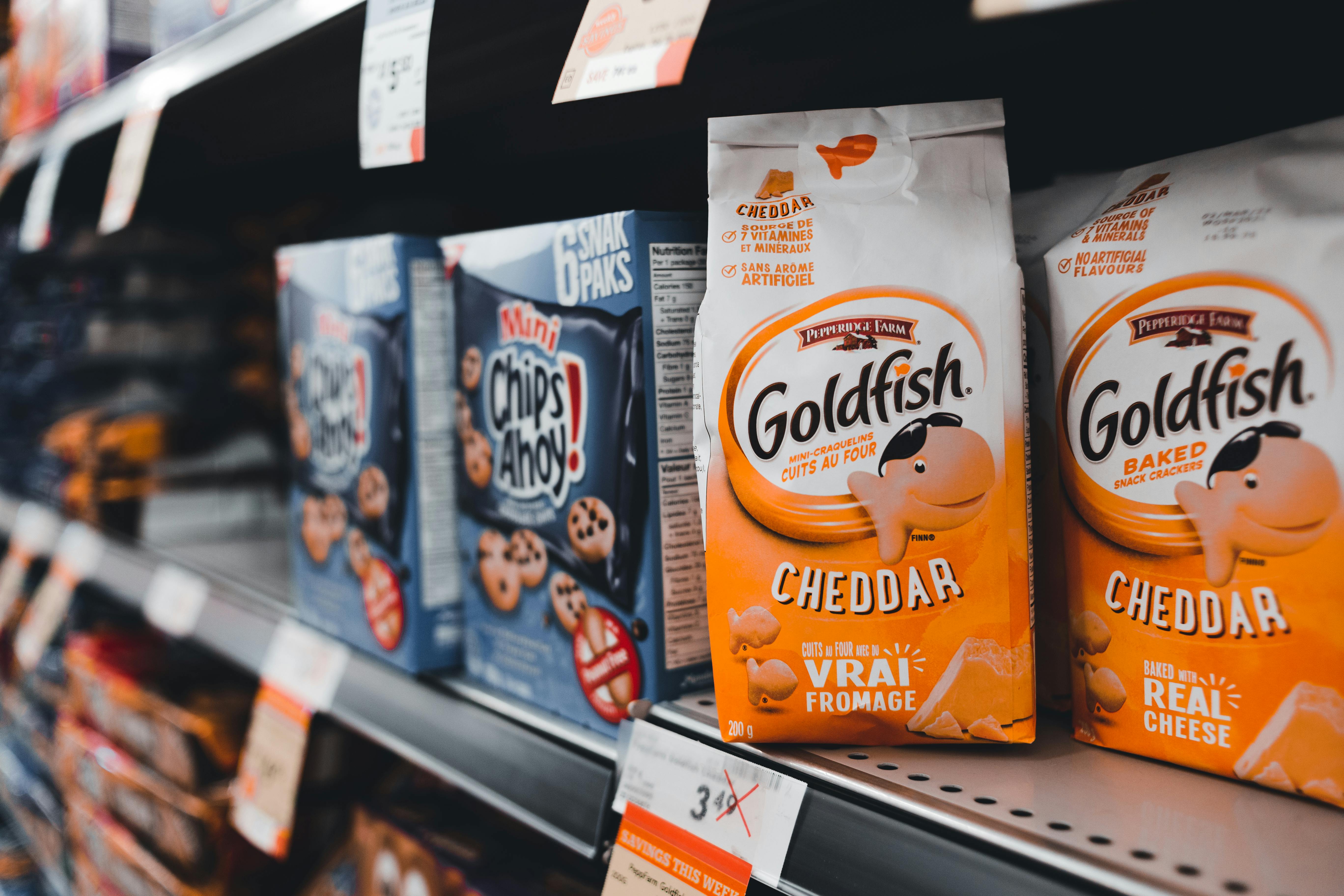
A less obvious driver is the rise of store brands. Canadian grocers have expanded private-label lines across everything from chips and sauces to frozen meals and household basics, and many of those products are made wherever manufacturers can offer the right quality and price.
In some cases, that means production in the United States. A Canadian retailer may sell an in-house brand that looks local on the shelf, while the manufacturing source is an American plant with available capacity and lower unit costs.
According to industry analysts, private label tends to grow when consumers become more price sensitive. If that pattern holds, Canadians may see more U.S.-made goods even when the branding on the package does not immediately signal an American origin.
What shoppers are likely to notice next

The biggest visible changes will probably show up in packaged foods, frozen items, seasonal produce, beverages, and promotional displays. Stores may test more U.S. brands in categories where shoppers are open to experimentation, especially if the products arrive with sharp introductory pricing.
Shoppers may also notice more overlap between what appears in Canadian stores and what is already common in large U.S. chains. That can include flavor varieties, bundle formats, and convenience-focused products designed for cost-conscious families.
For consumers, the result could be a mixed picture: more choice and occasional savings, but also tougher competition for some Canadian suppliers. For retailers, though, the logic is clear. In a market defined by cost pressure and supply risk, more U.S. products can look like a practical solution.



Leave a Reply