
Something unusual is happening in Canadian shopping carts. European grocery stores have gone from niche curiosity to mainstream fixation.
Price shock changed shopping habits
The first reason is simple: food inflation rewired consumer behavior. After several years of steep increases in staples like bread, dairy, produce, and pantry goods, many Canadians stopped assuming their usual supermarket was the best option. They became far more willing to comparison shop, split purchases across stores, and test unfamiliar brands if the savings were real.
European grocers fit this moment perfectly. Discount-focused chains with roots in Germany, Portugal, Italy, Poland, and Eastern Europe have long built their model around lean operations, smaller footprints, and tightly managed inventory. That allows many of them to price imported biscuits, olive oil, pasta, canned fish, frozen goods, and household basics more aggressively than larger mainstream competitors.
This is not just about bargain hunting. It is about trust in value. When shoppers find cheese, chocolate, cured meats, yogurt, and jarred vegetables that cost less but still taste premium, they do not see compromise. They see a retailer that understands what affordability is supposed to feel like.
Private labels no longer feel second-rate
For years, store brands carried a stigma in Canada. That perception has changed quickly, and European retailers helped accelerate it. In much of Europe, private-label products are not treated as a backup plan. They are central to the business model, with strict quality control, appealing packaging, and recipes that often compete directly with national brands.
Canadian shoppers are responding to that confidence. A private-label pasta sauce from an Italian grocer or butter cookies from a German discount chain now feels less like a generic substitute and more like a smart insider purchase. The label on the package matters less than the ingredient list, country of origin, and the reputation of the store carrying it.
There is also a psychological shift at work. Mainstream branded goods in Canada have become so expensive that the traditional premium attached to famous names looks harder to justify. In that environment, European private labels feel modern, practical, and even a little sophisticated.
Immigration shaped taste long before trends caught up

Another powerful driver is demographics. Canada's immigrant population has grown steadily, and many communities have long relied on European food stores for products that major chains either ignored or stocked poorly. What has changed is that these stores are now influencing the broader market rather than serving only specific ethnic communities.
Shoppers who grew up with Portuguese sardines, Croatian ajvar, Polish sausages, Romanian pastries, or Italian pantry staples already knew where to find them. Now their friends, neighbors, and coworkers are discovering those same products through word of mouth, social media hauls, and holiday gatherings. Familiarity spreads quickly when food is involved.
This broadening appeal reflects a larger Canadian reality. Grocery culture is becoming more international, but not in an abstract way. People want foods with regional identity, clear origins, and traditions behind them. European grocers offer exactly that, often without the price inflation attached to upscale specialty food boutiques.
Travel changed what shoppers expect at home
Vacation habits also matter more than they may seem. Millions of Canadians have traveled to countries like Italy, Spain, France, Portugal, Greece, and Germany, where grocery shopping is often part of the pleasure of being there. People come back remembering excellent yogurt, affordable chocolate, better canned tomatoes, and compact stores filled with genuinely useful products.
That memory shapes expectations. Once a shopper has seen how ordinary groceries can feel high quality and sensibly priced abroad, Canadian supermarket markups become harder to accept. European grocery stores in Canada benefit from that comparison because they recreate part of the experience, from bakery counters and cheese sections to seasonal imports and efficient layouts.
There is also an element of discovery. These stores feel curated without being precious. Shoppers can buy practical basics, then stumble on paprika chips, mineral water, fruit preserves, or frozen pastries they have never tried before. That mix of routine and surprise keeps people coming back.
Smaller stores feel easier to navigate
One overlooked advantage is format. Many European grocery stores operate in smaller spaces than big Canadian supermarket chains, and that changes the shopping experience dramatically. Instead of walking vast aisles filled with duplicate products, customers face a more edited assortment. For time-pressed families, that can feel like relief rather than limitation.
Retail analysts often note that too much choice creates decision fatigue. European-style stores counter that by narrowing selections to products with strong turnover. If there are only two olive oils instead of twelve, or one excellent frozen pizza instead of an entire wall, shopping becomes faster and oddly more satisfying.
This efficiency extends beyond layout. Many of these stores emphasize frequent restocking, visible freshness in bakery or produce departments, and a practical no-frills atmosphere. Canadians who are exhausted by high prices and sprawling stores often interpret that simplicity as honesty, and honesty is a powerful retail advantage.
Social media turned a niche habit into a national trend
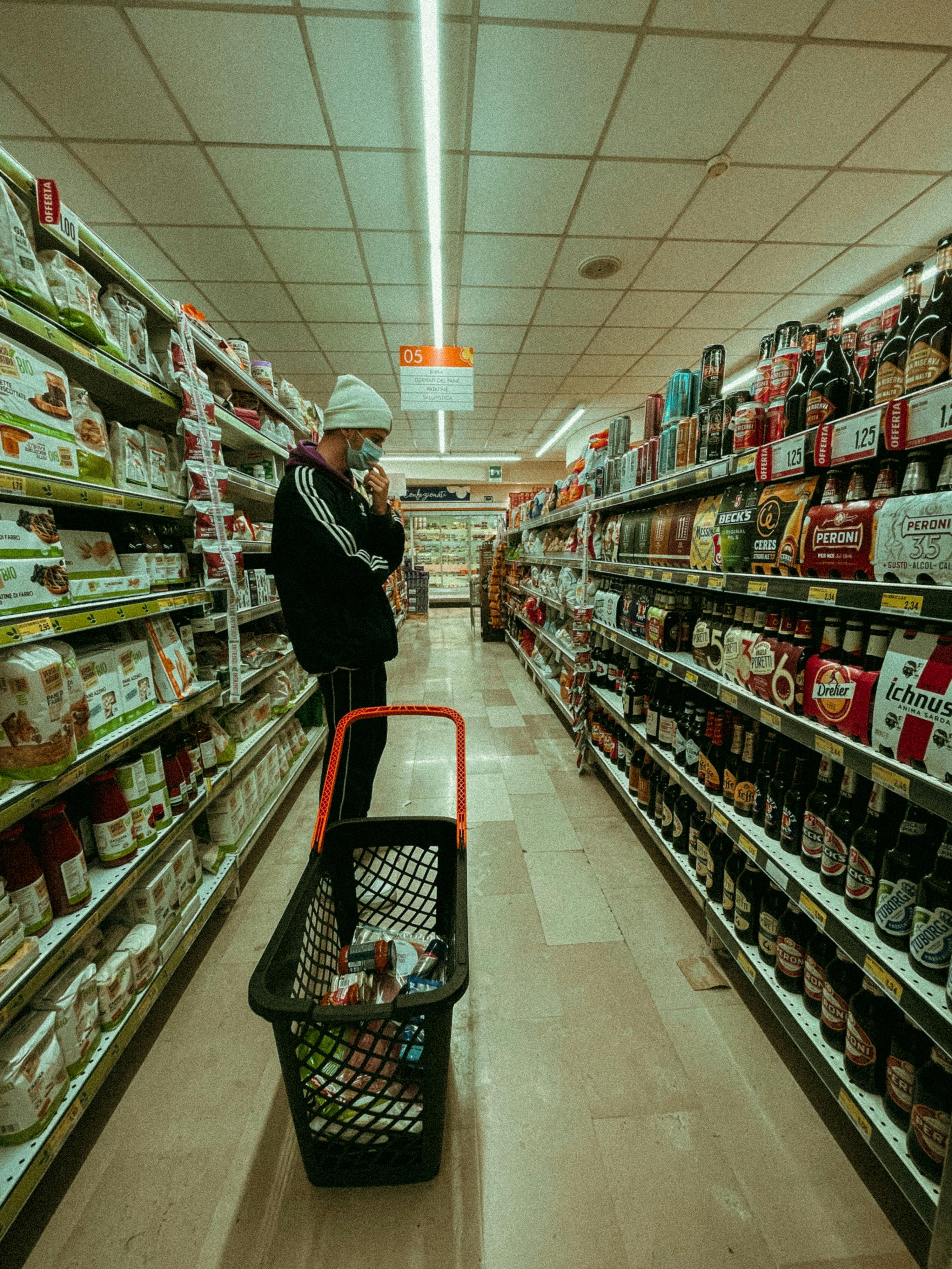
The final piece is visibility. TikTok, Instagram, and YouTube have made grocery shopping unexpectedly shareable, and European stores are ideal content. Limited-time imports, holiday sweets, unusual snacks, regional condiments, and surprisingly low receipt totals all translate well on camera. A once-local shopping tip can now spread nationally in days.
That online attention feeds curiosity, but it also validates the experience. When thousands of Canadians post about affordable pistachio cream, better deli counters, or cheaper pantry staples, the stores gain cultural momentum. They stop looking obscure and start looking like places smart shoppers already know about.
In the end, this obsession is not really sudden. It is the result of inflation pressure, immigration, travel, better private labels, and digital word of mouth all converging at once. European grocery stores did not invent those forces, but they were unusually well positioned to benefit from them.




Leave a Reply