
Something shifted in Canadian homes, restaurants, and neighborhoods. After years of fragmented schedules and solo meals, more people are sitting down together again.
The long era of eating alone did not happen by accident
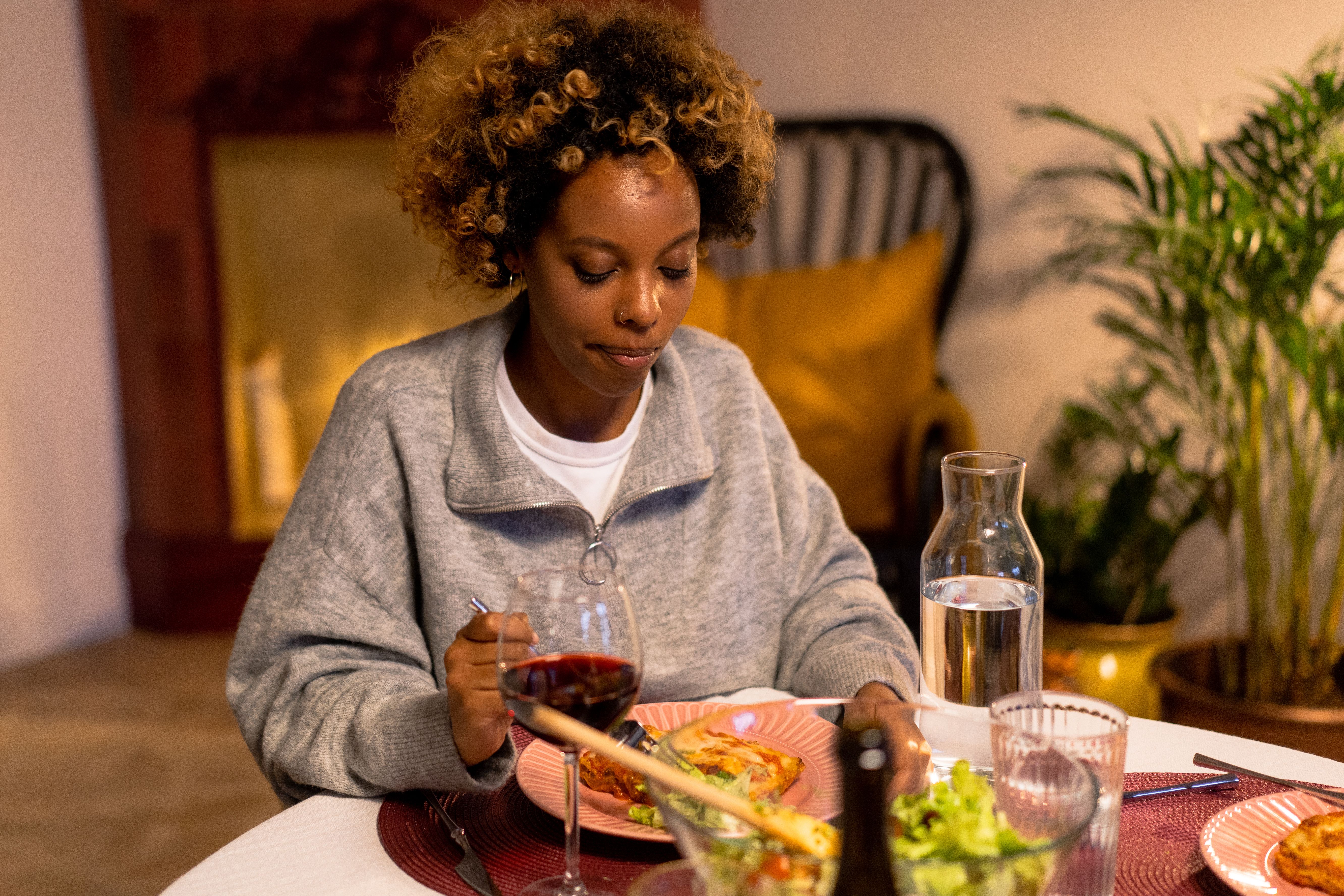
For much of the past 20 years, eating alone in Canada became less a lifestyle choice and more a side effect of modern life. Work hours stretched, commuting consumed evenings, and household routines stopped lining up. Dual-income families often operated on staggered schedules, while single-person households grew steadily, especially in major cities such as Toronto, Vancouver, and Montreal.
Statistics Canada has tracked the rise of one-person households for years, and that shift mattered at mealtime. When more people live alone, more meals naturally happen alone. Add in app-based delivery, grab-and-go retail food, and longer retail and office hours, and the old idea of a set dinner hour started to fade. Meals became individualized, convenient, and often rushed.
Technology reinforced the pattern. People could eat while scrolling, working, commuting, or streaming. The meal itself stopped being the event and became background activity. For many Canadians, especially younger professionals and older adults living independently, convenience replaced ritual.
There was also a cultural dimension. For years, productivity was treated as a virtue that outranked pause, conversation, and shared domestic time. Eating alone was not always seen as lonely. It was efficient, flexible, and suited to a society increasingly organized around personal schedules rather than shared ones.
The pandemic broke routines and reminded people what meals are for

The return to shared meals did not begin as a romantic revival. It began during a period of disruption. When pandemic restrictions closed dining rooms, reduced commuting, and kept families at home, Canadians were suddenly forced to confront the structure of daily life, including how often they had been eating separately without thinking much about it.
During lockdowns, kitchens became central again. Grocery shopping replaced frequent restaurant visits, and cooking regained importance, not just for nutrition but for structure. Breakfast, lunch, and dinner gave shape to days that otherwise felt repetitive. In many households, one shared meal became an anchor, especially dinner.
Researchers and public health experts also noted a deeper effect. Shared meals helped reduce the emotional drift that many people felt during isolation. Eating together created small rituals of predictability when the wider world felt unstable. Families talked more, couples coordinated more, and even roommates who had barely crossed paths before began sharing food as a practical and social act.
Even after restrictions eased, many of those habits stayed. Hybrid work made it easier to be home for dinner. Parents reported valuing regular family meals more than before, and many younger adults who had returned temporarily to multigenerational homes experienced communal eating in a new way. What began as necessity turned into preference.
Rising food prices made shared eating practical, not just emotional

If the pandemic reopened the idea of eating together, inflation gave Canadians another reason to keep doing it. Food prices have risen sharply in recent years, and according to Canada's Food Price Report, grocery costs became a major household concern across income levels. As budgets tightened, shared meals started to make strong economic sense.
Cooking for several people is usually cheaper per person than assembling separate meals. A pot of soup, tray of roasted vegetables, pasta dish, or rice-based meal stretches further when planned for a group. Households began pooling ingredients, reducing waste, and relying more on batch cooking. In practical terms, eating together became one of the simplest ways to control food spending.
This logic extended beyond families. Students, roommates, and even groups of friends began organizing shared grocery runs and communal dinners. In some cities, informal supper clubs and rotating home-cooked meal groups gained traction as people looked for ways to socialize without restaurant-level costs. Community centers and faith groups also saw renewed interest in shared food programming.
Restaurants adapted too. More operators emphasized family-style platters, shareable small plates, and prix-fixe menus aimed at groups. The appeal was not only culinary. It was financial clarity. At a time when dining out felt expensive, shared ordering made restaurant meals feel more manageable and more social.
Loneliness became a public issue, and the table offered an answer
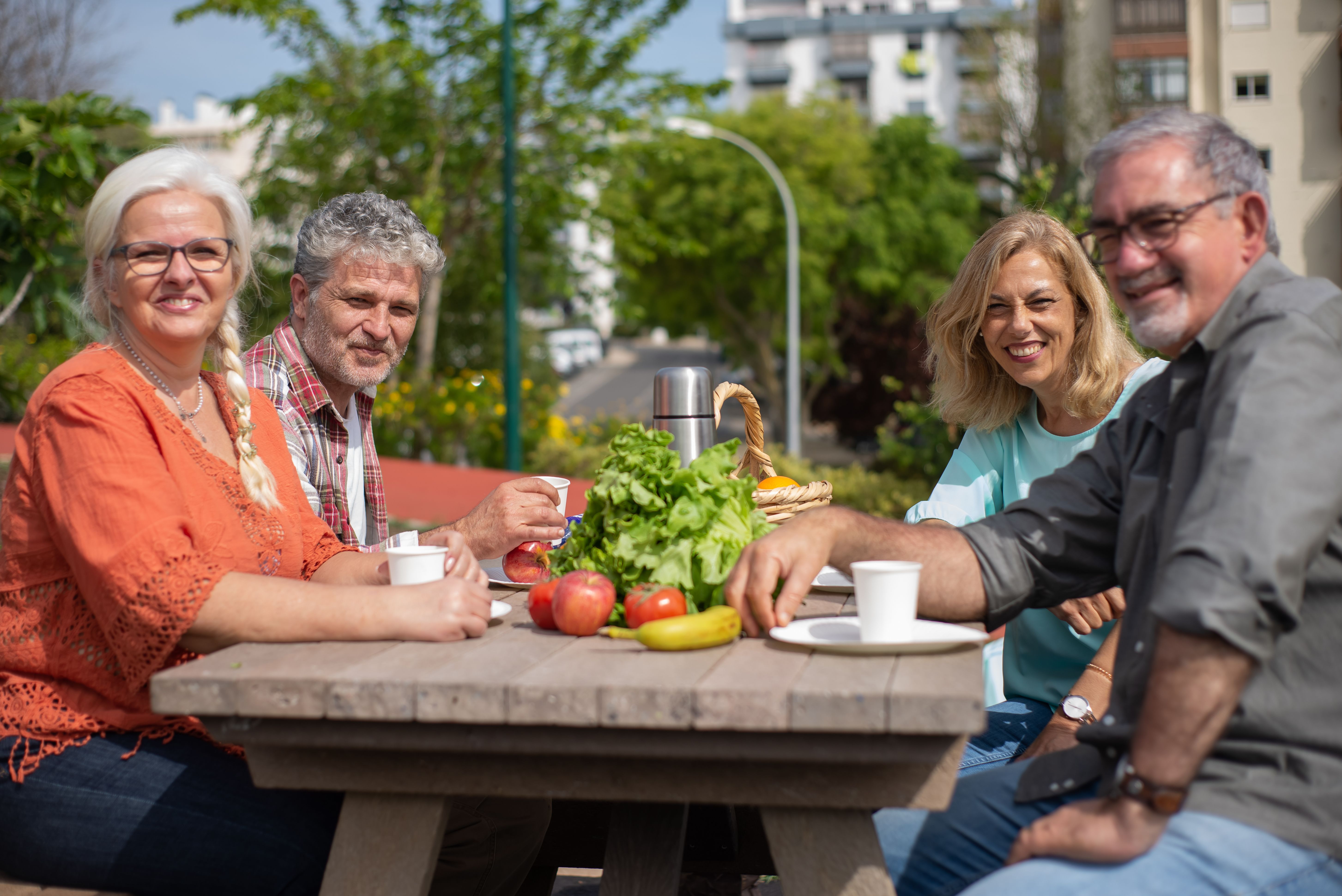
Another major change was less visible but just as powerful. Loneliness stopped being discussed as a private weakness and began to be treated as a broader social and public health issue. Canadian researchers, mental health advocates, and community organizations increasingly pointed to social isolation as a serious concern affecting older adults, newcomers, remote workers, and young people alike.
In that context, shared meals gained new value. They are one of the lowest-barrier forms of social connection available. You do not need a formal event, a large budget, or a special venue to sit down with someone and eat. The meal offers structure, conversation, and a natural reason to gather without pressure.
Experts in nutrition and family health have long argued that regular shared meals can improve dietary quality, emotional well-being, and communication, especially for children and teens. But the idea now reaches beyond families. Seniors' residences, neighborhood groups, libraries, and local nonprofits have expanded communal dining programs because food reliably brings people into the same room.
There is also a psychological reason these gatherings work. Shared eating slows people down. It creates a beginning, middle, and end to an interaction. In a culture dominated by fragmented digital contact, that kind of time feels increasingly rare. Canadians are rediscovering that meals do more than feed the body. They rebuild social life in manageable, repeatable ways.
Immigration, Indigenous food traditions, and younger generations reshaped the culture

Canada's return to communal eating is not simply a revival of an older model. It is also the result of newer cultural influences that place high value on collective food experiences. Immigration has played a major role. In many communities across Canada, shared platters, extended family meals, and hospitality-centered dining are everyday norms rather than occasional traditions.
That influence is visible in homes and in the restaurant sector. From Punjabi family dinners to Filipino handaan culture, from Middle Eastern mezze to Ethiopian shared platters, communal eating styles have become part of the country's mainstream food identity. These traditions emphasize generosity, abundance, and conversation, and they naturally resist the isolating logic of individualized meals.
There has also been greater respect for Indigenous food knowledge and gathering practices, which often connect meals to community, place, and reciprocity. While these traditions vary across nations, many center the idea that food is relational rather than purely personal. That perspective has shaped school programs, community feasts, and broader conversations about food systems.
Younger Canadians have added another layer. Many are less interested in formal entertaining and more interested in casual, participatory gatherings. Potlucks, cooking nights, dinner clubs, and themed group meals fit that style. The goal is not perfection. It is connection, affordability, and shared experience, which makes communal eating feel current rather than nostalgic.
What finally changed is that connection became worth planning for

The biggest shift may be this: Canadians no longer see shared meals as something that happens automatically. They now understand that eating together requires intention. After years of fragmented work, rising isolation, and convenience-first habits, many people have concluded that if they want connection, they have to schedule it, protect it, and treat it as important.
That mindset is showing up in small but meaningful ways. Families are choosing a few non-negotiable dinners each week. Friends are replacing some bar nights with home-cooked evenings. Employers with hybrid staff are organizing team lunches not just for efficiency but for cohesion. Schools and public institutions are paying closer attention to food as a tool for community-building.
What finally changed, then, was not one single trend. It was the convergence of economics, public health awareness, cultural influence, and post-pandemic reflection. Canadians learned that shared meals support budgets, mental well-being, family life, and neighborhood connection all at once. Few daily rituals offer that many benefits so simply.
The result is not a perfect return to the past. Many people still eat alone, and modern schedules remain complicated. But across the country, the table has regained meaning. For more Canadians, a meal is no longer just fuel squeezed into a busy day. It is once again a place to meet, talk, and belong.




Leave a Reply