
Canadians have not stopped shopping. They have simply changed how, when, and why they buy.
Smaller baskets are becoming the new normal

The clearest sign of this shift is happening at the checkout. Many Canadians are still visiting grocery stores, pharmacies, and discount chains regularly, but the number of items in each basket is shrinking.
Retail and grocery data in recent years have shown a pattern of higher trip frequency paired with lower volume per visit. Instead of one large weekly stock-up, households are increasingly making several smaller trips to manage cash flow. That lets shoppers react to sales, spread spending across pay periods, and avoid one painful bill all at once.
This pattern also reflects psychology as much as economics. A $35 or $45 stop feels easier to absorb than a $180 haul, even if the total monthly bill ends up similar. In a period of stubborn living costs, smaller purchases help people feel more in control.
Inflation changed behavior even when price growth cooled

Price growth may have eased from its peak, but many essentials still cost far more than they did a few years ago. Food, rent, insurance, and debt payments continue to pressure household budgets, leaving less room for large discretionary purchases.
That matters because consumer habits often outlast the original shock. Once shoppers learn to compare flyers, switch stores, or delay nonessential spending, those habits can stick. According to reporting from Statistics Canada and major bank economists, many households remain highly price sensitive even as headline inflation slows.
In practical terms, Canadians are buying more selectively. They may still enter the same stores, but they are more likely to leave with only dinner for two nights, a few toiletries, or one discounted household item. Shopping continues, but confidence is more limited.
High interest rates have made households more defensive

Borrowing costs have had a powerful effect on spending behavior. Mortgage renewals, higher credit card interest, and more expensive lines of credit have forced many families to reassess where every dollar goes.
For homeowners renewing from older low-rate mortgages, the payment shock can be severe. Renters are also feeling strain as landlords pass along higher costs and vacancy remains tight in many cities. In both cases, households often respond by preserving cash and cutting the size of routine purchases.
This helps explain why traffic can stay strong while sales volumes soften. People still need groceries, pet food, cleaning supplies, and basic clothing. But when debt servicing consumes a bigger share of income, consumers buy the minimum, postpone upgrades, and wait for promotions before adding anything extra.
Discount culture is shaping where and how people shop
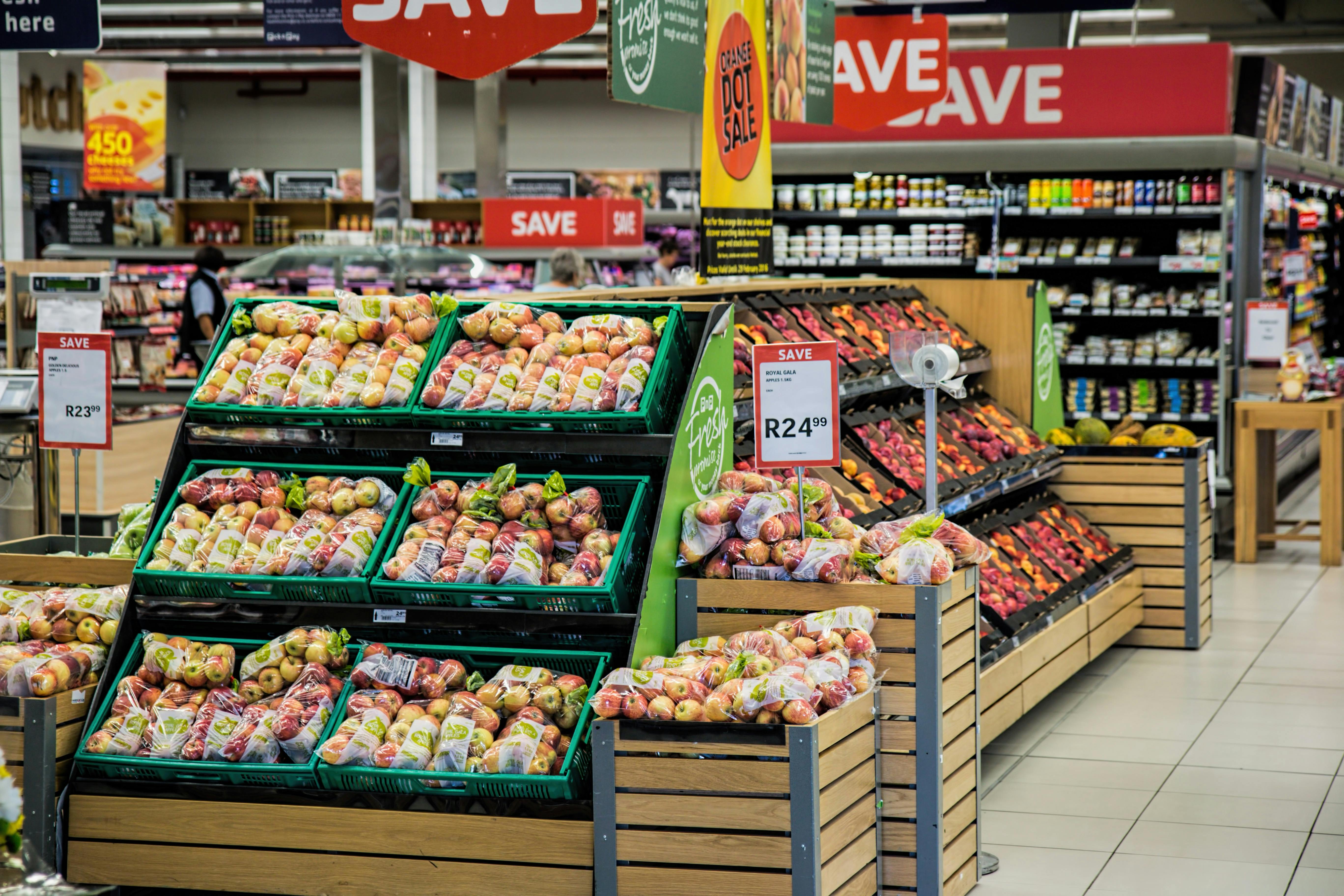
Frugality is no longer limited to lower-income households. Middle-income Canadians are increasingly mixing premium and discount shopping, visiting warehouse clubs, dollar stores, private-label aisles, and off-price retailers in the same week.
That has created a more tactical consumer. Someone might buy produce at one chain, pantry goods at a discount grocer, pharmacy items during a points event, and household basics online only when prices drop. More shopping trips do not necessarily mean more spending. They often mean more effort to control spending.
Loyalty programs and app-based offers reinforce this behavior. Retailers have trained shoppers to chase personalized deals, collect points, and time purchases carefully. The result is a consumer who is active and engaged, but also disciplined, less impulsive, and harder to upsell.
Younger shoppers and newcomers are accelerating the trend

Different demographic groups are adding momentum to this pattern. Younger adults, especially those facing high housing costs, student debt, and uncertain wage growth, are often more deliberate with everyday purchases than previous generations were at the same stage.
Newcomers to Canada are another important factor. Many arrive with careful budgeting habits and a strong focus on value, particularly in expensive urban markets. Larger multigenerational households may shop frequently for fresh food while still watching totals closely on every trip.
Digital tools make this easier for both groups. Price comparison apps, online flyers, digital coupons, and social media deal communities have made bargain hunting faster and more social. Consumers can pivot quickly, changing stores or brands with little loyalty if savings are available elsewhere.
What this means for retailers and the economy
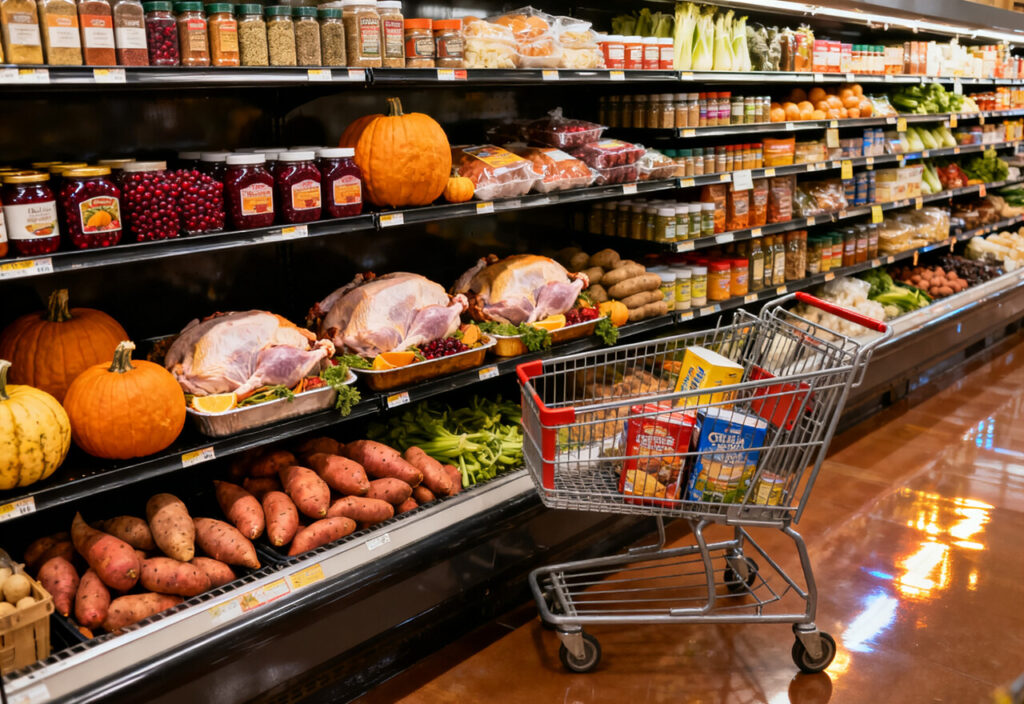
For retailers, more foot traffic does not automatically translate into stronger growth. If customers come in often but purchase less each time, stores must work harder to protect margins, forecast demand, and keep inventory aligned with cautious spending patterns.
It also changes product strategy. Smaller pack sizes, sharper promotions, stronger private-label ranges, and clearly communicated value become more important. Retailers that understand the new consumer mindset are more likely to hold share than those relying on brand loyalty alone.
For the broader economy, this is a sign of restraint rather than collapse. Canadians are still participating in the market, but they are doing so with care. Shopping more often but buying less is not a contradiction. It is a practical response to a country where everyday life has become much more expensive.




Leave a Reply