
Fresh food says a lot about a country's expectations. In Canada and the United States, the produce aisle reveals two very different ideas of what consumers believe should always be available.
Climate teaches different expectations
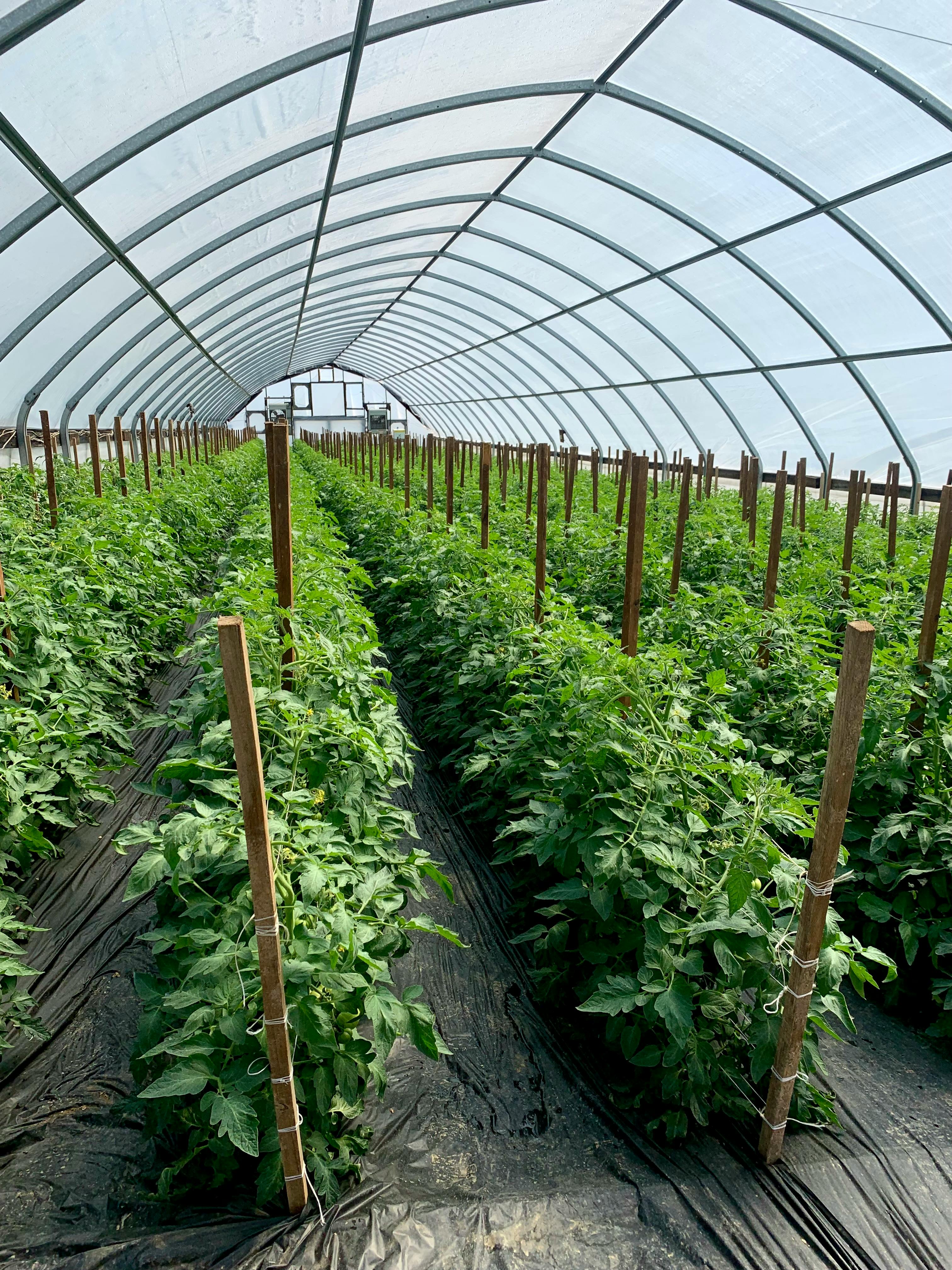
Geography is the first and most obvious reason Canadians tend to accept seasonal produce limitations more readily than Americans. Canada has a shorter growing season across much of the country, harsher winters, and a narrower range of crops that can be produced locally year-round. For many households, this has historically made seasonal eating less of a trend and more of a practical reality. When local berries, tomatoes, or tender greens disappear for part of the year, that feels normal rather than disruptive.
The United States has a very different agricultural map. California, Florida, Arizona, and Texas provide long growing seasons and broad domestic supply, even before imports are considered. That scale creates a consumer habit of permanence. If strawberries, lettuce, and peppers have usually been available in January, shoppers begin to interpret availability as a standard service rather than a temporary seasonal luxury.
Retail experience reinforces these expectations. In Canada, winter gaps in quality or selection have long been visible in stores, especially outside major metropolitan areas. In the United States, shoppers have been more consistently shielded from seasonality by a larger internal market and denser distribution networks. Over time, that difference shapes what people regard as reasonable.
A national food culture built around adaptation
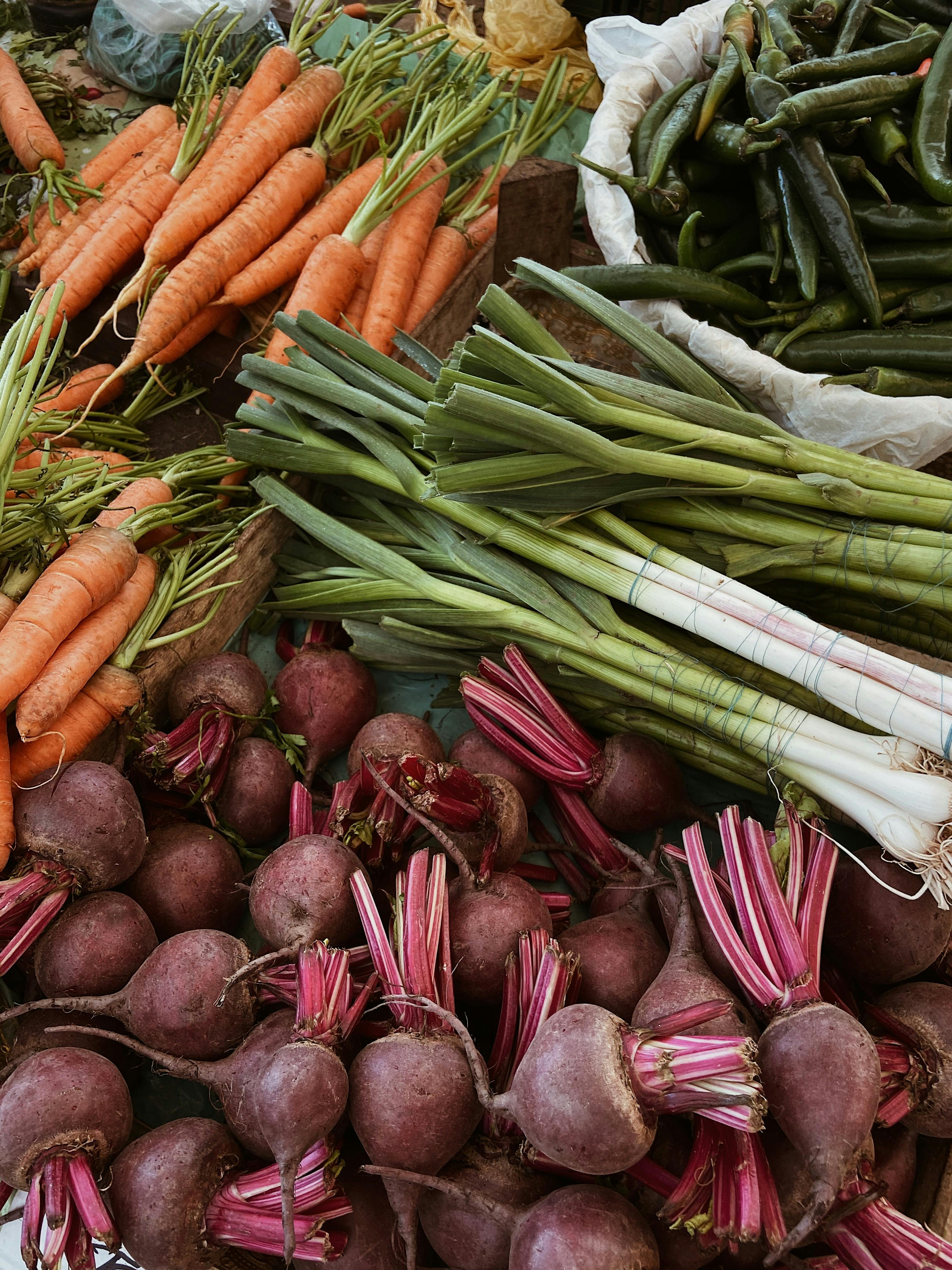
Canadian food culture has also been shaped by adaptation, preservation, and regional practicality. Long before seasonality became fashionable in urban food circles, many Canadian households were used to freezing, canning, or shifting meals around what was affordable and available. Root vegetables, stored apples, cabbage, potatoes, and greenhouse staples have played a larger role in winter eating patterns than the idealized notion of endless fresh variety. That history leaves a cultural imprint.
There is also a stronger public familiarity with the phrase "in season" as a genuine limit, not just a marketing cue. Farmers' markets, provincial food campaigns, and local-buying efforts have often emphasized timing and climate realities. In that environment, consumers are more likely to understand why field cucumbers or certain berries disappear or become expensive. Acceptance grows when limits are explained by shared conditions rather than framed as supply failure.
In the United States, food culture often reflects abundance and convenience at industrial scale. Massive supermarket formats, national restaurant chains, and broad menu consistency have normalized the idea that ingredients can be sourced from somewhere at any time. This does not mean Americans reject seasonality, but it does mean interruptions feel more unusual. The baseline expectation is wider choice, and any narrowing stands out more sharply.
Price sensitivity changes consumer behavior

Canadians are often forced to confront the true cost of off-season produce more directly. Imported fruits and vegetables travel farther to reach Canadian distribution hubs, and transportation, storage, energy, and currency pressures can raise prices noticeably. During winter, shoppers may see dramatic swings in the cost of berries, lettuce, or peppers, which encourages substitution. Instead of demanding year-round sameness, many consumers adapt by buying what is cheaper, sturdier, and more available.
This behavior is not simply about thrift. It is also about familiarity with volatility. Statistics Canada has repeatedly shown that food inflation and produce price swings are closely watched household concerns. When consumers regularly experience weather shocks in California, drought in Mexico, or transport disruptions reflected at the checkout, they become more realistic about fragile supply chains. Expensive raspberries in February do not feel like a broken promise. They feel like the market signaling scarcity.
American shoppers, on average, have had more access to lower-cost produce through larger domestic production systems and more intense retail competition. That does not eliminate price increases, but it can soften the visibility of seasonal tradeoffs. When prices are lower and assortment remains broad, consumer expectations harden around continuity. Canadians, facing higher average grocery costs, are more accustomed to adjusting expectations with the season.
Supply chains shape what feels normal

Canada's population is smaller, more spread out, and concentrated near the U.S. border, which creates unusual logistics for food retail. Major cities can receive impressive variety, but the national system still depends heavily on long-haul transportation, imported produce, and careful inventory management. When weather events, labor issues, or border frictions affect supply, the consequences are easier for shoppers to notice. This repeated exposure makes occasional limitation feel like part of the system rather than an exceptional breakdown.
The United States benefits from extraordinary agricultural diversity within its own borders. It can source lettuce from Arizona, berries from California and Florida, apples from Washington, and tomatoes from multiple warm-weather states, often without relying on international transit to the same degree for basic shelf continuity. That redundancy creates resilience and, just as important, the appearance of permanence. Consumers respond not only to what the supply chain delivers, but to what it has trained them to expect.
Recent shortages have illustrated this contrast. When poor weather in Spain and North Africa disrupted salad vegetables in Europe and the United Kingdom, analysts noted how quickly consumer frustration rises when year-round supply is interrupted. A similar principle applies in North America. Canadian consumers, having lived with narrower margins for certain produce categories, are generally less shocked when limits appear.
Public attitudes toward inconvenience are different
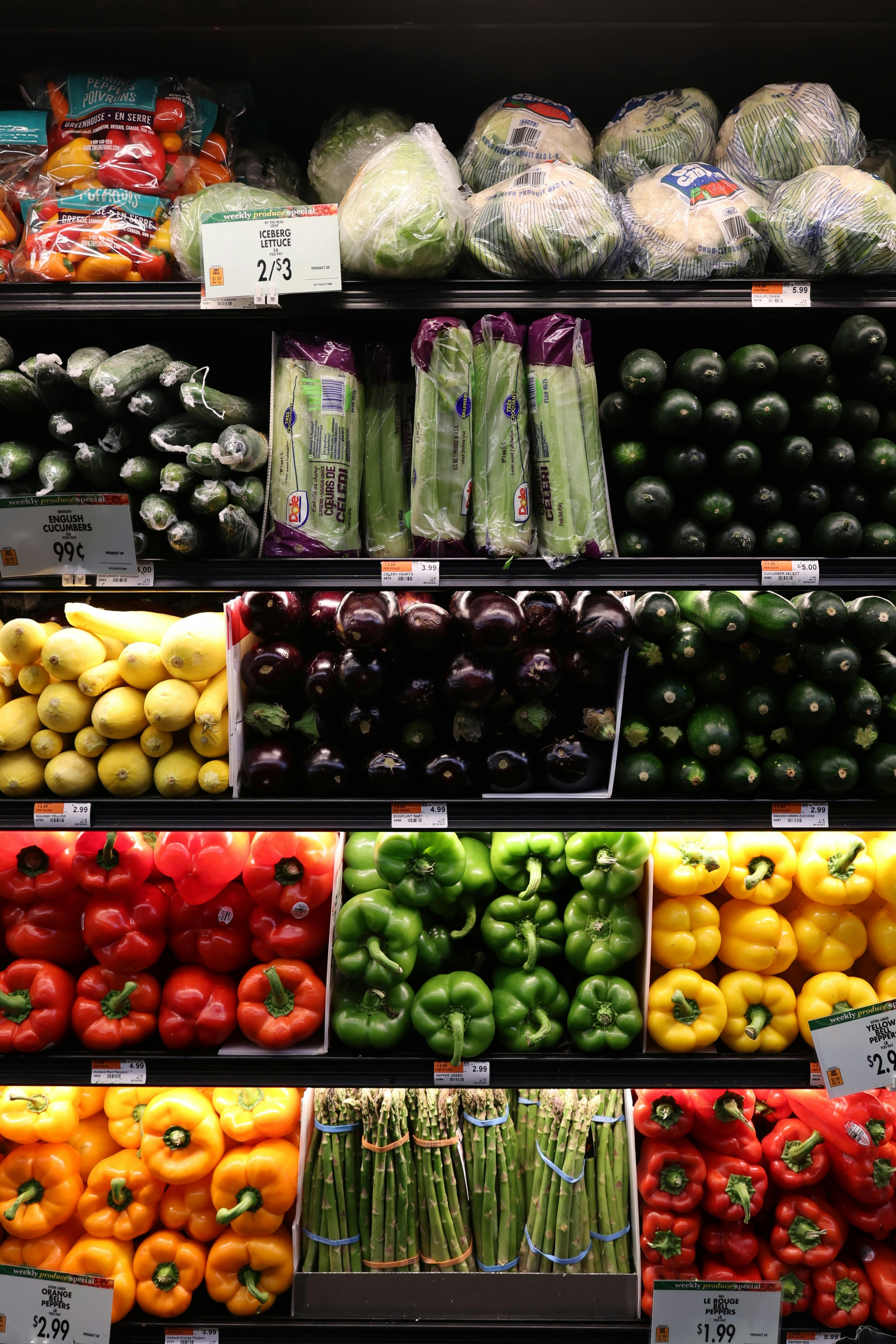
There is also a broader social factor at work: Canadians are somewhat more inclined to accept inconvenience as a tradeoff of climate, distance, and public systems. That attitude appears in many areas of life, from winter travel to regional service gaps, and it can extend to food shopping. If weather delays, transport costs, and seasonal limitations are seen as unavoidable facts, complaints tend to be moderated by realism. That does not mean people enjoy paying more for less. It means they are less likely to treat it as a violation of basic expectations.
Americans, by contrast, often operate within a consumer culture that strongly prioritizes choice, immediacy, and consistency. In retail settings especially, the idea that the customer should be able to get what they want, when they want it, is deeply ingrained. When a product disappears or quality drops sharply, frustration is more likely to be framed as failure by stores, suppliers, or policymakers. Expectations are not just personal. They are cultural.
Public messaging matters too. In Canada, governments, grocers, and media outlets more frequently discuss seasonality, food inflation, and supply vulnerability in practical terms. That ongoing conversation helps normalize adaptation. When people hear repeatedly that drought, frost, fuel costs, and imports affect produce shelves, acceptance becomes easier.
Seasonal limits may become more mainstream everywhere

What Canadians have long treated as ordinary may increasingly become familiar to Americans as well. Climate volatility, water stress, labor shortages, trade disruptions, and transportation costs are making the illusion of unlimited produce harder to maintain. Even in the United States, shoppers are seeing periodic shortages, weaker quality, and sharper price spikes in categories once considered reliably abundant. The age of frictionless year-round produce is becoming less certain.
That does not mean supermarkets will suddenly empty out each winter. It means both countries may move toward a more honest relationship with agricultural seasonality. Greenhouse expansion, controlled-environment agriculture, and improved logistics will help, especially in Canada, but they will not erase weather, geography, or input costs. Consumers will still face choices about price, freshness, and origin.
In that environment, Canada's long habit of adapting may prove an advantage. Canadians are not necessarily less demanding. They are simply more conditioned by climate, cost, and history to see produce availability as something shaped by nature and logistics, not just preference. Americans have enjoyed a longer era of abundance. Canadians have learned to live more comfortably with limits.



Leave a Reply