
Eating out in Canada is no longer a casual default for many households. It has become a more deliberate decision shaped by budgets, expectations, and a stronger demand for real value.
Rising living costs are changing the first decision

The biggest shift starts before anyone reads a menu. Canadians are facing higher housing costs, grocery bills, insurance premiums, and debt payments, leaving less room for discretionary spending. Even when wages have risen in some sectors, they have often failed to keep pace with the total cost of living.
That pressure changes how people think about restaurants. A dinner that once felt routine can now compete with rent, childcare, gas, and monthly subscriptions. Statistics Canada has repeatedly shown that household budgets remain under strain, especially in large urban centres where shelter costs absorb a bigger share of income.
As a result, restaurant spending is being weighed more carefully. Consumers are not necessarily abandoning dining out altogether, but they are becoming more selective about when they go, how much they spend, and what kind of experience justifies the cost.
Menu prices have climbed faster than many diners expected

Sticker shock is now a common part of the restaurant experience. Menu prices have risen as operators deal with higher food costs, labour expenses, rent, utilities, and supply chain volatility. Owners are often passing on at least part of those increases because margins in the industry are already thin.
For diners, however, the final bill can feel much steeper than the listed entrée price. Taxes, tips, delivery fees, and add-ons turn a simple meal into a significant expense. A burger, fries, and drink that once seemed affordable can now land at a price point that invites second thoughts.
This is why many Canadians are scrutinizing menus in advance. They compare portion size, ingredient quality, and overall pricing before committing. When prices rise, tolerance for inconsistency falls, and consumers become far less forgiving of meals that feel ordinary or overpriced.
Value now means more than low prices
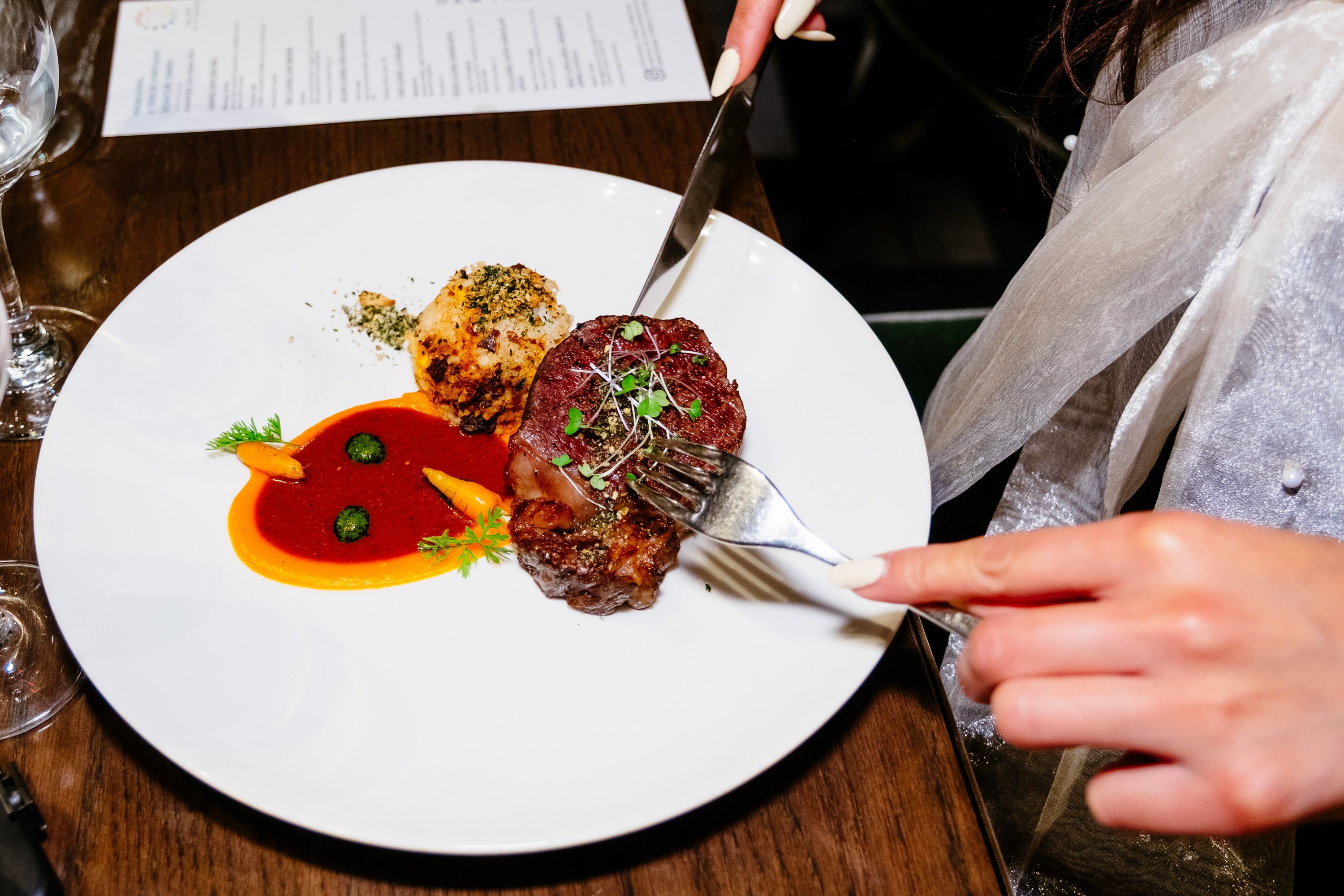
Canadians are not simply hunting for the cheapest option. They are looking for a convincing balance of price, quality, portion size, service, and atmosphere. A restaurant can still charge premium prices, but diners increasingly expect a clear reason for paying them.
That expectation is reshaping the market. People want fresh ingredients, well-prepared food, and service that feels attentive rather than rushed. If a restaurant positions itself as upscale or artisanal, customers expect the experience to match the promise from the first bite to the final bill.
In practical terms, value has become emotional as well as financial. Diners want to feel that a night out was worth remembering, not just consumed. Restaurants that offer consistency, warmth, and a sense of occasion are more likely to earn repeat visits despite tighter household budgets.
Dining habits are becoming more intentional

The casual frequency of restaurant visits has declined for many people, replaced by more planned occasions. Instead of eating out several times a week, some Canadians now reserve restaurant spending for birthdays, social gatherings, or weekends. The habit is shifting from routine convenience to purposeful consumption.
This change is visible across age groups, though for different reasons. Younger consumers may be balancing student debt, rent, and high entry-level living costs, while families are calculating the rising expense of feeding multiple people outside the home. Older diners may still have disposable income, but many are also becoming more selective about where quality remains dependable.
The result is fewer impulse meals and more premeditated choices. Diners are checking menus, looking for specials, and booking places that feel reliable. Spontaneity has not disappeared, but caution now plays a much bigger role in restaurant decisions.
Takeout alternatives are redefining convenience
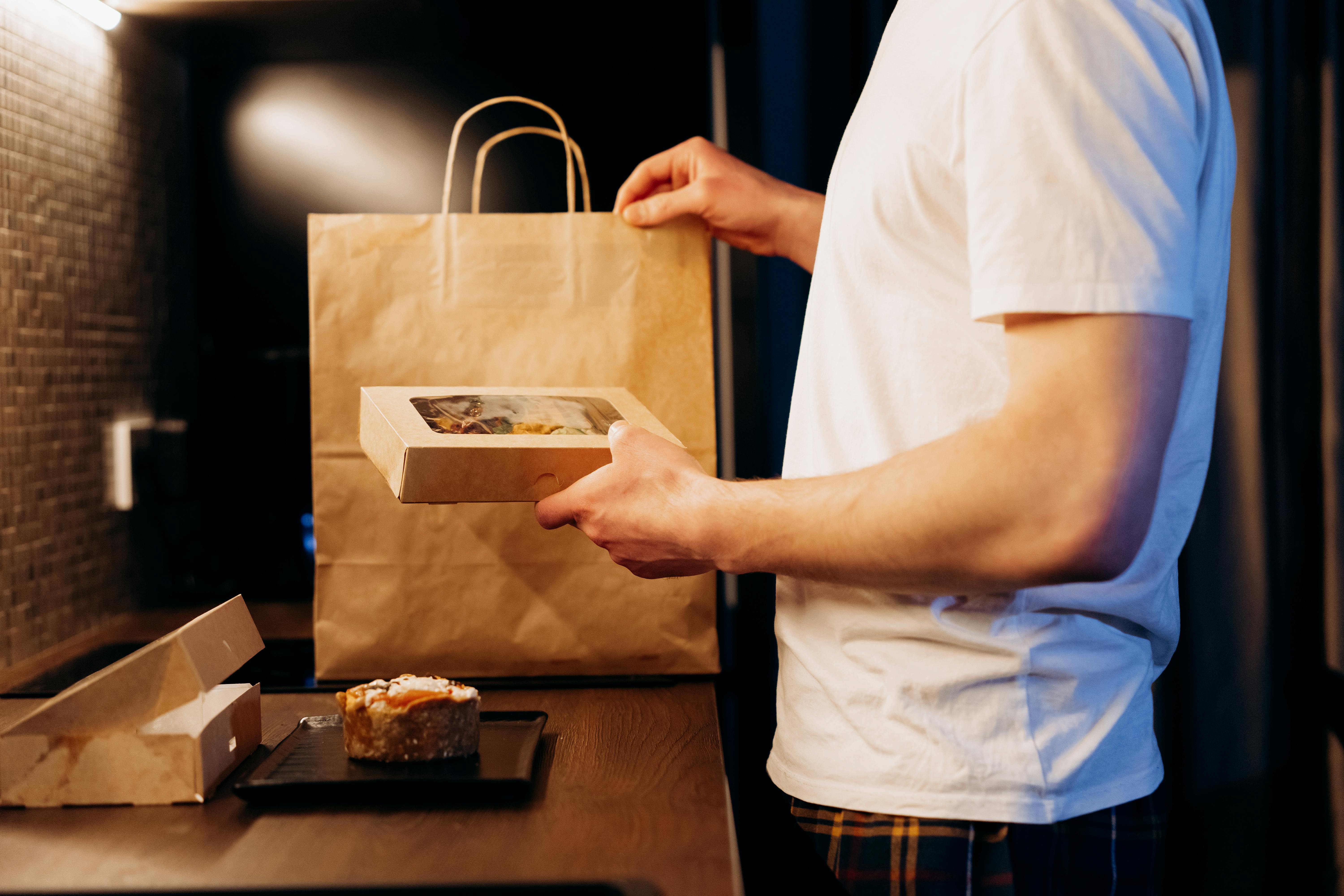
Convenience used to strongly favour restaurants, but that advantage has weakened. Meal kits, better prepared foods from grocery stores, warehouse club deals, and easy home cooking content have given Canadians more ways to eat well without paying full restaurant prices. For many households, these options feel like smarter compromises.
Takeout and delivery still matter, but they are also under greater scrutiny. Consumers have become more aware that delivery apps can inflate costs through service fees, small order charges, and tips. A meal that seems manageable at first can end up costing far more than a homemade alternative.
That comparison matters because home-based options have improved. Supermarkets now offer restaurant-style hot meals, sushi counters, ready-to-bake entrées, and family bundles. When the gap in quality narrows, restaurants must work harder to prove they are worth the premium.
Reviews and meaningful experiences now drive spending

Trust has become central to where Canadians choose to dine. Before spending more, many people read reviews, scan photos, and look for signs of consistency. A weak rating, repeated complaints about service, or evidence of shrinking portions can quickly push a restaurant off the shortlist.
Online reviews have also raised standards for transparency. Diners want to know what they are getting, whether that means portion size, noise level, allergy awareness, or how a dish actually looks. Word of mouth still matters, but digital reputation now carries enormous weight in the decision-making process.
In the end, Canadians are prioritizing meals that feel worthwhile in every sense. They are willing to spend, but more selectively, on places that deliver quality, affordability, reliability, and a memorable experience. That shift is not just about frugality. It reflects a more disciplined and thoughtful relationship with everyday spending.




Leave a Reply