
Some cravings are really memories in disguise. Across Canada, ordinary foods are becoming emotional landmarks that help people feel grounded in uncertain times.
Familiar foods now feel like emotional security
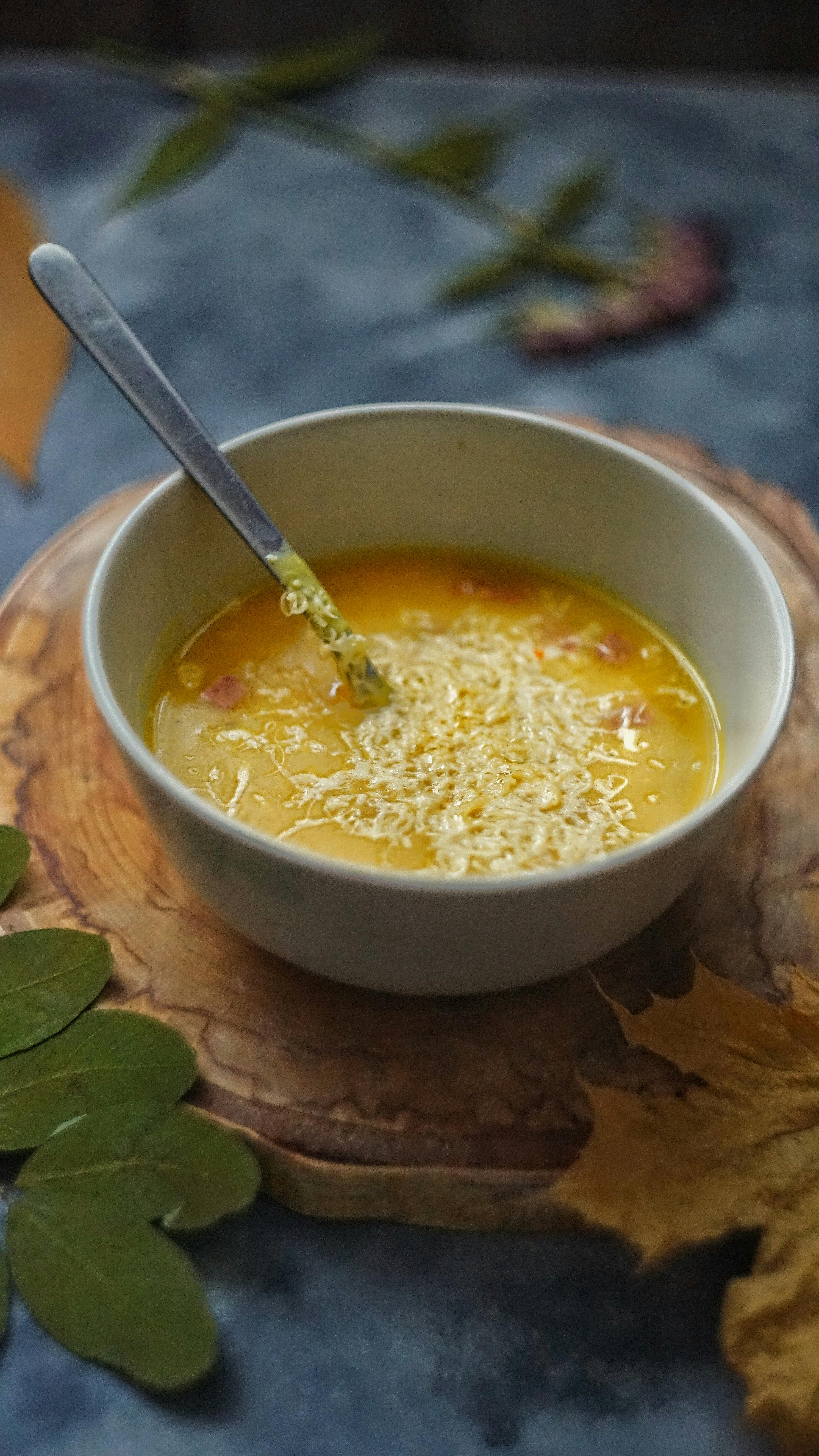
What people reach for during stressful periods is rarely random. Food researchers have long noted that familiar tastes can reduce anxiety because they are tied to routine, family, and a sense of control. In Canada, that pattern is showing up in renewed affection for foods many once considered plain, from canned soup and roast chicken to toast with peanut butter.
This shift makes sense in the context of the past few years. Inflation has changed grocery habits, and many households have had to think harder about every purchase. When life feels expensive and unpredictable, foods linked to childhood or simpler stages of life often feel more valuable than trend-driven meals.
Psychologists often describe nostalgia as a stabilizing emotion rather than simple sentimentality. It helps people reconnect with identity during periods of disruption. In that light, a bowl of porridge, a grilled cheese sandwich, or a plate of shepherd's pie can serve as more than dinner. It can feel like proof that some things still make sense.
Rising prices are making humble meals meaningful again
Sticker shock at the grocery store has changed not only what Canadians buy, but how they think about food. According to Statistics Canada reporting over the past two years, food prices have remained a major concern for households even as some inflation pressures eased. That has pushed many consumers back toward low-cost staples that older generations relied on without apology.
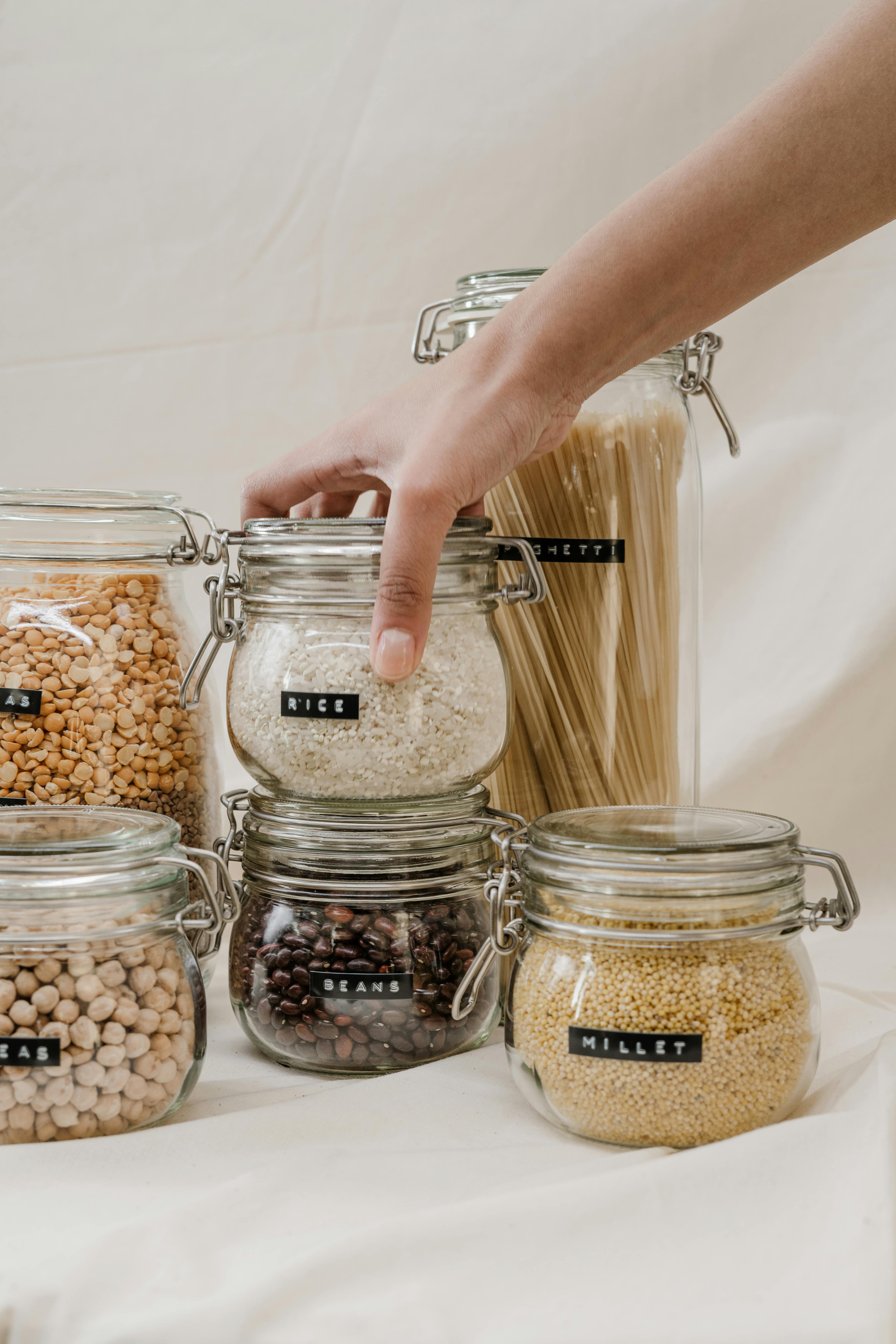
Meals built around potatoes, pasta, bread, beans, and ground meat are being reassessed as practical and comforting rather than dated. Dishes such as split pea soup, tuna casserole, rice pudding, and baked macaroni are appearing again in home kitchens because they stretch budgets while still feeling satisfying. Value and memory are now working together.
This matters because scarcity changes perception. Foods once dismissed as boring can regain status when they represent thrift, resilience, and care. Many Canadians remember grandparents who knew how to feed a family economically without making the meal feel joyless. Recreating those dishes today can feel like recovering a form of wisdom that modern convenience had partly obscured.
Everyday classics are helping Canadians express identity

Nostalgia around food is also about belonging. In a country as regionally diverse as Canada, everyday dishes often act like cultural shorthand. A butter tart in Ontario, tourtière in Quebec, a Halifax donair after a night out, or Saskatoon berry pie on the Prairies can say something immediate about where a person is from and who shaped their tastes.
That identity function has grown stronger as social media rewards hyper-specific memory sharing. Posts about old-school school lunches, corner-store snacks, coffee-shop doughnuts, and community fundraiser desserts routinely spark thousands of comments from Canadians comparing family versions. The food itself may be simple, but the response is rarely small.
There is also a generational dimension. Younger adults who grew up amid highly globalized food culture are now showing renewed curiosity about domestic classics. They are asking parents and grandparents for recipes, visiting long-running diners, and treating familiar foods as part of Canadian heritage. In many homes, nostalgia has become a way to keep regional memory alive.
Restaurants and brands are responding to the mood

Food businesses have noticed that emotional familiarity sells. Across Canada, restaurants are reviving old menu formats, leaning into retro interiors, and highlighting comfort dishes with recognizable ingredients. Diners, bakeries, and even upscale spots are presenting old favourites such as meatloaf, lemon meringue pie, and hot turkey sandwiches with renewed confidence rather than irony.
Major brands are also capitalizing on remembered tastes. Limited-edition reissues, vintage packaging, and advertising built around family rituals have become more common because they tap directly into emotional trust. In a crowded market, nostalgia offers something many products struggle to create from scratch, which is instant recognition and personal meaning.
This trend works best when it feels authentic. Consumers can tell the difference between a sincere revival and a marketing stunt. Businesses that succeed usually connect the food to place, continuity, and real eating habits. A neighbourhood bakery bringing back date squares or a chip brand reviving an old flavour often resonates because it feels earned rather than manufactured.
Immigration and memory are broadening what nostalgia means

Canadian food nostalgia is not limited to old Anglo-Canadian or Quebecois staples. In immigrant households, everyday comfort foods carry the same emotional force, whether that means dal and rice, patties, congee, borscht, bannock, pho broth, or homemade pickles. As Canada's population grows more diverse, nostalgia is expanding rather than narrowing the national table.
That change is significant because it shows nostalgia is not about resisting difference. It is about preserving continuity within change. A second-generation Canadian may feel just as emotionally attached to a parent's weekday lentils as another person feels about cream of tomato soup and crackers. Both are ordinary foods made powerful by repetition, care, and family context.
Scholars who study migration often note that food memory is one of the most durable forms of identity. Taste and smell can hold details that language sometimes loses. In Canada, where many families balance multiple cultural inheritances, everyday foods are becoming a practical archive. They help people remember where they came from while still adapting to where they live now.
The nostalgia boom reveals what Canadians want from food

At its core, this trend says something important about the national mood. Canadians are not turning to everyday foods simply because they taste good, though that matters. They are turning to them because these foods represent steadiness, modest pleasure, and emotional truth in a period shaped by financial pressure, digital overload, and rapid social change.
There is also a quiet correction underway in how food value is judged. For years, novelty, luxury, and visual appeal dominated food culture. Now many people are reassessing meals that are affordable, repeatable, and deeply tied to home life. The return of casseroles, simple soups, bakery squares, and roast dinners reflects changing priorities rather than culinary retreat.
That is why this nostalgia should be taken seriously. It is not childish longing or a rejection of modern tastes. It is a cultural response to uncertainty and a reaffirmation of everyday belonging. In Canada, the foods people once overlooked are becoming newly meaningful because they still offer what many people need most: comfort, continuity, and connection.



Leave a Reply