
The argument sounds simple at first. In reality, it exposes deep differences in how two neighboring countries think about health, industry, trust, and identity.
A shared grocery culture hides very different food values
At a glance, Canada and the United States appear to eat from the same pantry. The same supermarket chains operate near the border, the same multinational brands fill freezer aisles, and social media spreads identical food trends from Toronto to Texas in hours. That surface similarity makes the disagreement over "real food" seem strange, but the tension has been building for years.
In both countries, the phrase "real food" usually means something minimally processed, recognizable, and close to its original form. Yet once people get specific, consensus disappears. One person means whole grains and fresh produce. Another means local meat and dairy. Someone else means organic, non-GMO, grass-fed, seed-oil-free, or free from artificial colors and preservatives. The label sounds clear, but the definition is deeply unstable.
Canadians often approach the issue through public health language and ingredient standards. Americans often frame it through consumer freedom, personal choice, and suspicion of government interference. Those are broad patterns, not hard rules, but they shape national attitudes. A debate over breakfast cereal or school lunches quickly becomes a larger fight over regulation, culture, and who gets to decide what belongs on the table.
That is why the volume keeps rising. Food inflation, online wellness culture, and a steady loss of trust in institutions have turned ordinary grocery decisions into moral statements. The result is not just a disagreement about nutrition. It is a cross-border clash over values, and both sides increasingly believe the other has been fooled.
Regulation is one of the biggest reasons the two countries diverge
One major reason for the disagreement is that Canada and the United States do not regulate food in exactly the same way. Health Canada and the Canadian Food Inspection Agency have historically taken a somewhat more precautionary approach in some areas, especially around additives, labeling language, and marketing standards. The U.S. Food and Drug Administration and the U.S. Department of Agriculture oversee a much larger market with a more fragmented political environment, which often produces different outcomes.
These differences may seem technical, but consumers notice them. Certain food dyes, dairy rules, fortification practices, and ingredient disclosures are handled differently across the border. Even when the products are similar, the perception changes. If a snack sold in Canada has fewer color additives or different package language than its U.S. version, many consumers treat that as proof that one country protects "real food" better than the other.
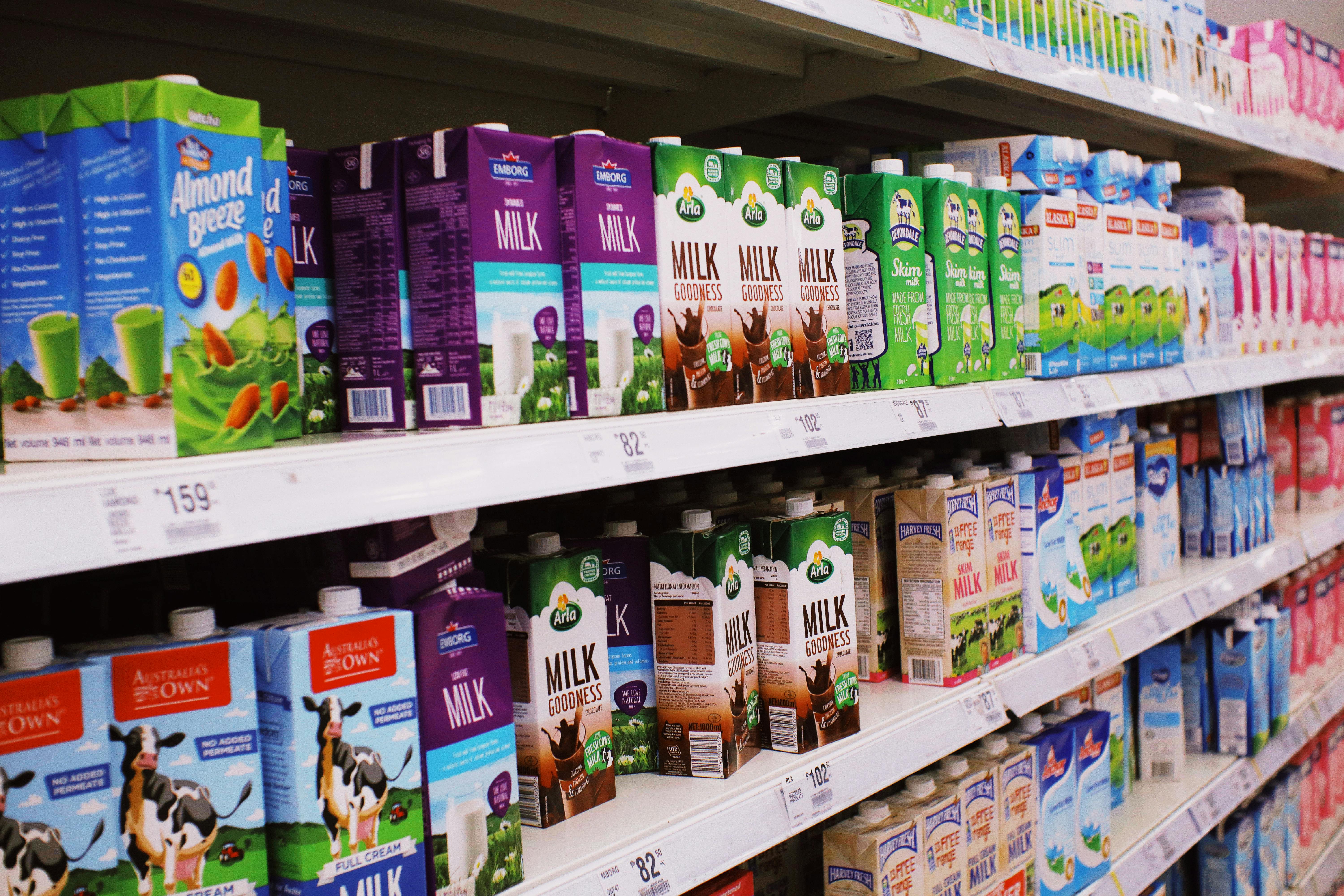
Dairy is a good example. Canada's supply management system, stricter compositional standards, and tightly controlled domestic market have long reinforced the idea that Canadian milk, cheese, and butter are more closely guarded as basic foods rather than mass commodities. In the United States, where production is larger and more industrialized, critics often point to ultra-filtered products, flavored milks, and heavily processed cheese foods as evidence that the system blurs the line between food and food-like substances.
Bread, meat labeling, and infant food create similar flashpoints. Once these examples circulate online, they take on a symbolic weight that exceeds the facts. A single ingredient comparison can become viral evidence of national decline or superiority. That is how regulatory nuance gets transformed into a cultural verdict.
The politics of processing has changed the meaning of "real"

A decade ago, many people used "real food" as shorthand for eating more vegetables, cooking at home, and cutting back on junk food. Today the term is loaded with political and ideological meaning. The rise of the ultra-processed food debate has accelerated that shift. Researchers and public health experts have increasingly warned that diets heavy in industrial formulations are linked to poorer health outcomes, and the message has landed hard with anxious consumers.
But there is a catch. "Processed" does not mean one thing. Yogurt, canned beans, frozen vegetables, baby formula, whole wheat bread, and protein bars are all processed to some degree. The most influential health arguments now focus on ultra-processed foods, a category that includes products designed for convenience, hyper-palatability, and long shelf life. Even then, the boundaries are not always obvious, and critics say the category can be too broad for everyday use.
In Canada, the official food conversation has increasingly emphasized eating patterns, cooking skills, and limiting highly processed products. Canada's Food Guide moved away from industry-shaped serving categories and toward broader advice about whole foods and plate balance. Many nutrition experts praised that move as clearer and less vulnerable to lobbying. It strengthened the idea that "real food" should be defined by overall quality, not by branding claims.
In the United States, the same concern about processing exists, but it often mixes with culture-war language. One camp talks about additives, pesticides, and corporate deception. Another mocks that concern as elite fearmongering. So the argument stops being about diet quality alone. It becomes a political identity test, and that makes agreement much harder.
National identity plays a larger role than most people admit

Food is never just fuel. It is memory, class, geography, and national self-image. Canadians often see their food culture as more moderate, more publicly minded, and less captured by excess than the American system. Americans, in turn, often see their own market as more innovative, more abundant, and more respectful of choice. Those stories are simplified, but they have real power.
That is why ordinary products can trigger outsized reactions. A Canadian criticizing sugary American bread or oversized soda cups is not only commenting on nutrition. They are often expressing a wider belief that the United States allows commerce to overwhelm common sense. An American dismissing Canadian rules as paternalistic is not only defending snack foods. They are asserting that citizens should not need bureaucrats to define a proper diet.
These attitudes are reinforced by media coverage and tourism. Canadians traveling in the United States often remark on larger portions, more aggressive food marketing, and longer ingredient lists. Americans visiting Canada sometimes notice plainer packaging, different dairy products, and fewer exaggerated health claims. Those small observations become evidence for larger national myths, even when the actual diets in both countries include plenty of processed and indulgent foods.
The border itself adds drama. When two societies are so geographically close, small differences feel more important. If the countries were oceans apart, few people would argue this intensely. Because they are neighbors, every contrast feels like a judgment, and every grocery label becomes part of a running comparison.
Social media has turned nutrition confusion into a nonstop cross-border fight

The loudest arguments no longer happen in supermarkets or around kitchen tables. They happen online, where food debate rewards outrage, certainty, and before-and-after claims. Influencers on both sides of the border compare ingredient labels, expose brand differences, and declare one country's staples "toxic" or "clean" in clips designed for rapid emotional reaction. Complex nutrition science rarely survives that format.
A common viral format is the side-by-side product comparison. One creator holds up a Canadian version of a cereal, another displays the American box, and the conclusion is instant: one is "real," the other is fake. Sometimes the comparison reveals a meaningful difference. Often it ignores serving size, manufacturing variation, or the fact that both products are still sugary convenience foods. Viewers are left with certainty but not clarity.
The wellness marketplace amplifies the confusion. Terms like ancestral, natural, hormone-free, raw, regenerative, and clean-label carry emotional force even when legal definitions are weak or absent. In the United States, this language often merges with entrepreneurial branding and distrust of mainstream institutions. In Canada, it is sometimes filtered through a more health-system-oriented lens, but the same market pressures apply. Both countries now sell morality through packaging.
The result is a feedback loop. Consumers feel uncertain, so they seek simple answers. Influencers provide simple answers, which heighten fear and tribalism. That fear then makes official guidance seem slow, compromised, or irrelevant. The louder the fight gets, the harder it becomes for people to separate evidence from identity.
The real disagreement is about trust, and that is why it will continue

At the core of this dispute is a basic question: who should people trust to define food quality? Government agencies, independent researchers, doctors, farmers, chefs, parents, activists, and food companies all offer competing answers. Canadians generally show somewhat greater comfort with public guidance, though not universally. Americans often place more weight on individual judgment and market alternatives, though many are also deeply skeptical of industry. Neither country has a simple consensus.
That trust gap matters more every year because food now carries more pressure than before. People are trying to manage chronic disease risk, high grocery bills, children's health, environmental concerns, and ethical sourcing all at once. "Real food" becomes a shortcut for solving everything. It promises purity in a food system that feels confusing and overstretched. No wonder people defend their definition so fiercely.
Yet the practical overlap is larger than the argument suggests. Most dietitians in both countries would agree that beans, fruits, vegetables, eggs, fish, oats, plain yogurt, nuts, and minimally processed grains are real food by any reasonable standard. They would also agree that a diet built mostly on sugary drinks, packaged desserts, and heavily engineered snack foods is a problem. The fiercest disputes happen in the gray area in between.
That gray area is where modern food systems live. It includes fortified staples, convenient frozen meals, school lunch items, supermarket breads, plant-based products, and affordable packaged foods that millions rely on. Canadians and Americans are not really fighting over whether an apple is real. They are fighting over how much industrial intervention a society should tolerate before food stops feeling honest.




Leave a Reply