
Fryer oil is becoming a bigger business story than most diners realize. In Canada, a quiet shift toward beef tallow blends is starting to make practical sense for some restaurants.
Cost pressure is changing fryer decisions

The first reason is simple: margins are tight. Restaurants across Canada are still dealing with elevated food, labour, rent, and utility costs, so even a small change in frying economics can matter.
Vegetable oils such as canola, soybean, and sunflower have faced periodic price swings tied to weather, crop yields, biofuel demand, and global shipping disruptions. When a restaurant chain buys thousands of litres, that volatility can hit the bottom line quickly.
Beef tallow is not automatically cheaper than seed oils on every day of the year. But when rendered fat is available through domestic meat supply chains, blending it into fryer oil can help operators diversify purchasing and reduce dependence on one volatile commodity stream.
Flavor is a powerful business advantage
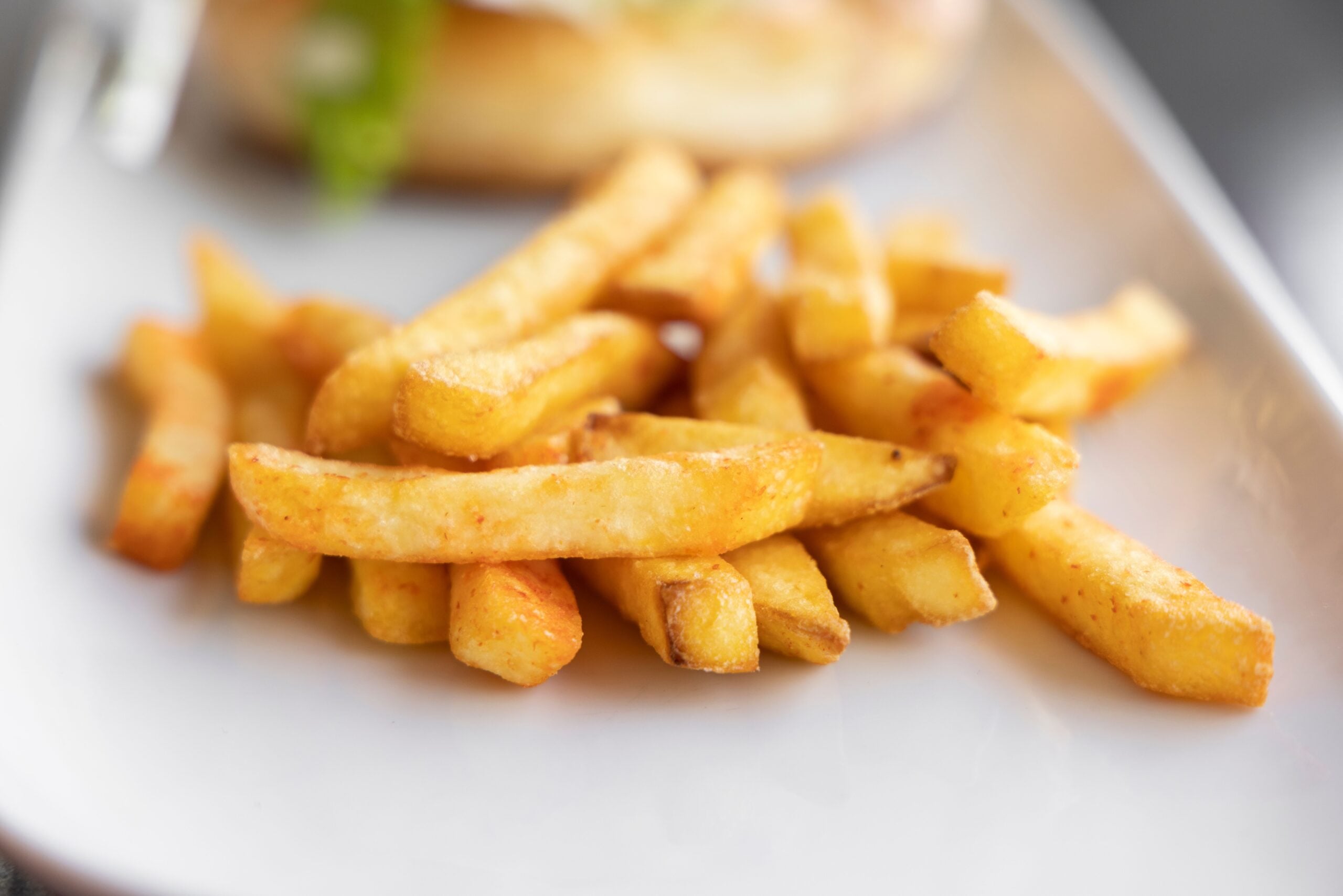
Taste is where the idea gets real for customers. Beef tallow has a long culinary history in frying because it delivers a deep, savory note and a crisp texture that many diners describe as fuller and more satisfying than fries cooked only in neutral vegetable oil.
That matters in a competitive restaurant market. If two burger shops are charging similar prices, the one with more memorable fries often wins repeat visits, especially when social media and review culture amplify sensory details.
Major chains have shown how emotionally attached customers can be to fry flavor. In North America, nostalgia around older frying methods has never fully disappeared, and some independent Canadian restaurants now see tallow blends as a way to stand out without rebuilding their whole menu.
The health conversation is shifting
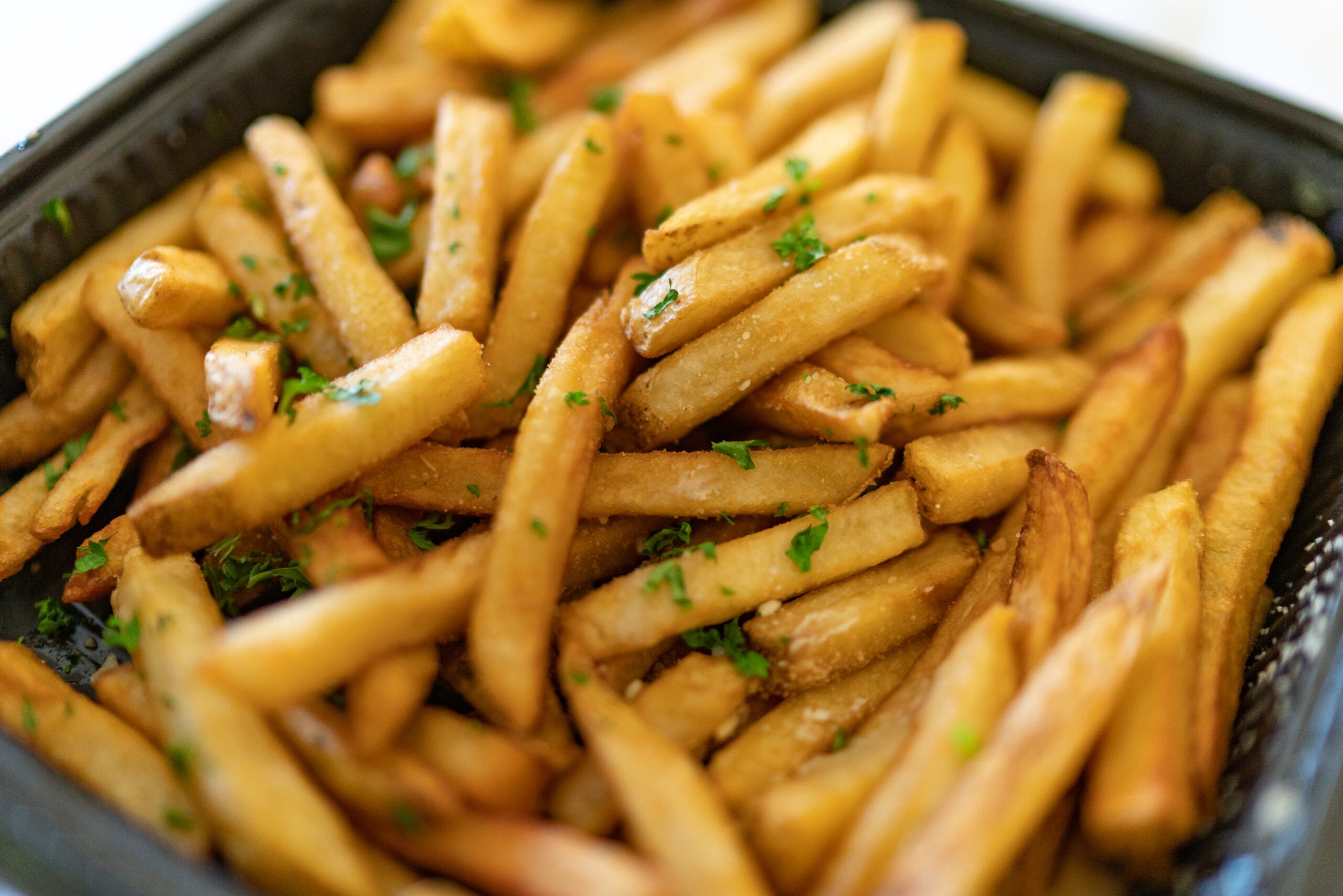
A few years ago, many restaurants moved firmly toward vegetable oils because saturated fat became the central public health concern. That thinking has not vanished, but the conversation has become more nuanced as people question highly refined ingredients and ultra-processed foods.
Beef tallow is still an animal fat, and it still contains significant saturated fat. No serious expert would call deep-fried food a health product. But some chefs and consumers now view minimally altered rendered fat as more familiar and transparent than complex oil blends with additives or repeated industrial processing.
Canadian restaurants that consider tallow are responding as much to perception as to nutrition science. Diners increasingly ask what ingredients are used, how often oil is changed, and whether frying mediums feel "real," even if the final meal remains an indulgence.
Canada's beef industry gives tallow a local angle

There is also a supply-chain story behind this trend. Canada has a large cattle sector, particularly in Alberta and Saskatchewan, and rendered beef fat can fit into a broader push to use more of the animal rather than treating byproducts as low-value waste.
For restaurants that market local sourcing, that matters. A fryer blend that includes Canadian beef tallow can be framed as a more circular food-system choice, especially when compared with imported oils exposed to global freight costs and geopolitical disruptions.
Rendering companies already turn animal fats into inputs for food, pet food, oleochemicals, and renewable fuels. If foodservice buyers offer stable demand, more tallow could be directed into premium culinary use, creating an additional domestic outlet for the beef value chain.
Operations matter as much as ideology
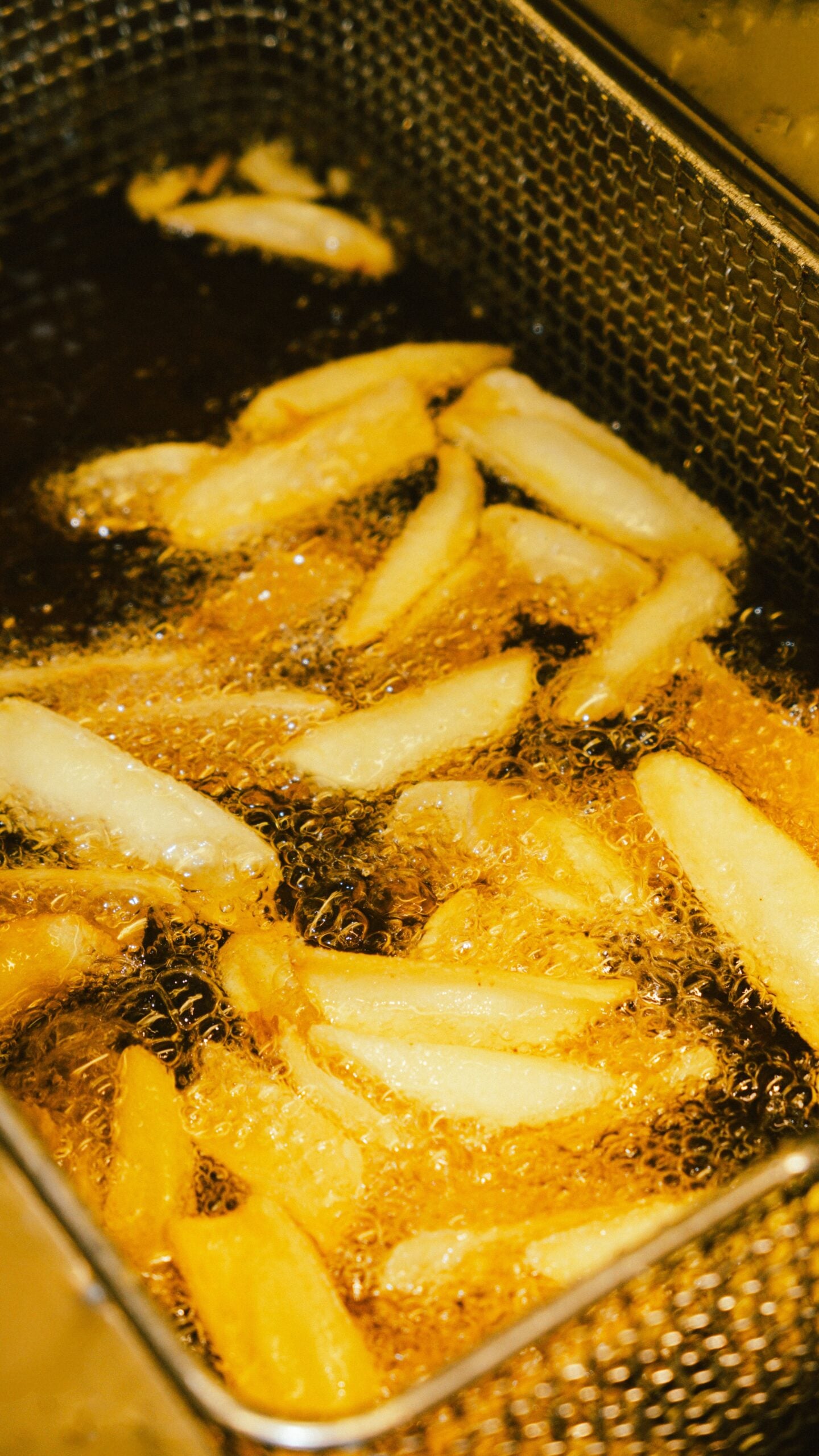
In the kitchen, the decision is practical before it is philosophical. Tallow has a high smoke point and performs well for fries, onion rings, and breaded items, which makes it attractive in busy commercial fryers handling constant batches.
Blending also gives restaurants flexibility. Instead of switching 100% to tallow, operators can mix it with canola or other oils to balance cost, mouthfeel, filtering performance, and flavor intensity while easing staff into new handling and cleaning routines.
There are tradeoffs. Tallow can behave differently as temperatures change, may alter allergen and menu disclosures, and is unsuitable for vegetarian, vegan, halal, or certain religious dietary expectations unless sourcing and communication are handled very carefully.
What diners should expect next

Do not expect every Canadian restaurant to make this move. Large chains must think about consistency, franchise agreements, labeling, and broad customer acceptance, so many will stay with established vegetable oil systems.
The more likely path is selective adoption. Premium burger spots, steakhouse groups, diners chasing nostalgia, and chefs focused on traditional cooking methods are the most natural early users of tallow blends in Canada's restaurant scene.
If the practice spreads, menus may start mentioning tallow the way they now mention grass-fed beef or house-made pickles. For restaurants, this is not only about old-school flavor. It is about cost control, branding, ingredient transparency, and making fries feel worth the price again.




Leave a Reply