
A staff meal used to be a small courtesy at the end of a hard shift. In many Canadian restaurants, it is now becoming something much bigger.
The staff meal is turning into a management tool

Bryan M. Ilyankoff/U.S. Navy/Wikimedia Commons
What once felt informal is increasingly being structured like policy. Across Canada, restaurants facing stubborn labour shortages, high turnover, and rising training costs are rethinking everyday perks. Food, the one resource these businesses already control, has become an obvious place to start. A discounted meal, a free family-style dinner before service, or take-home leftovers can now be framed as part of the employment offer rather than a simple gesture of goodwill.
This shift makes economic sense. Restaurants often cannot match wage increases offered by larger employers, especially in cities where housing, transit, and groceries have become significantly more expensive. Offering meals costs less than raising hourly pay by a meaningful margin, particularly when inventory can be used efficiently. Operators can also reduce waste by directing surplus ingredients into staff food rather than disposal.
According to industry reporting and comments from restaurant owners in major markets such as Toronto, Vancouver, and Montreal, meal benefits are increasingly discussed alongside scheduling flexibility and tip structure. In job postings, phrases like staff meals included or employee dining discounts now appear with striking regularity. The message is clear: food is not just the product being sold to customers. It is being repurposed as a retention tool for the people making the business run.
Why employers see food as a practical answer to a difficult labour market
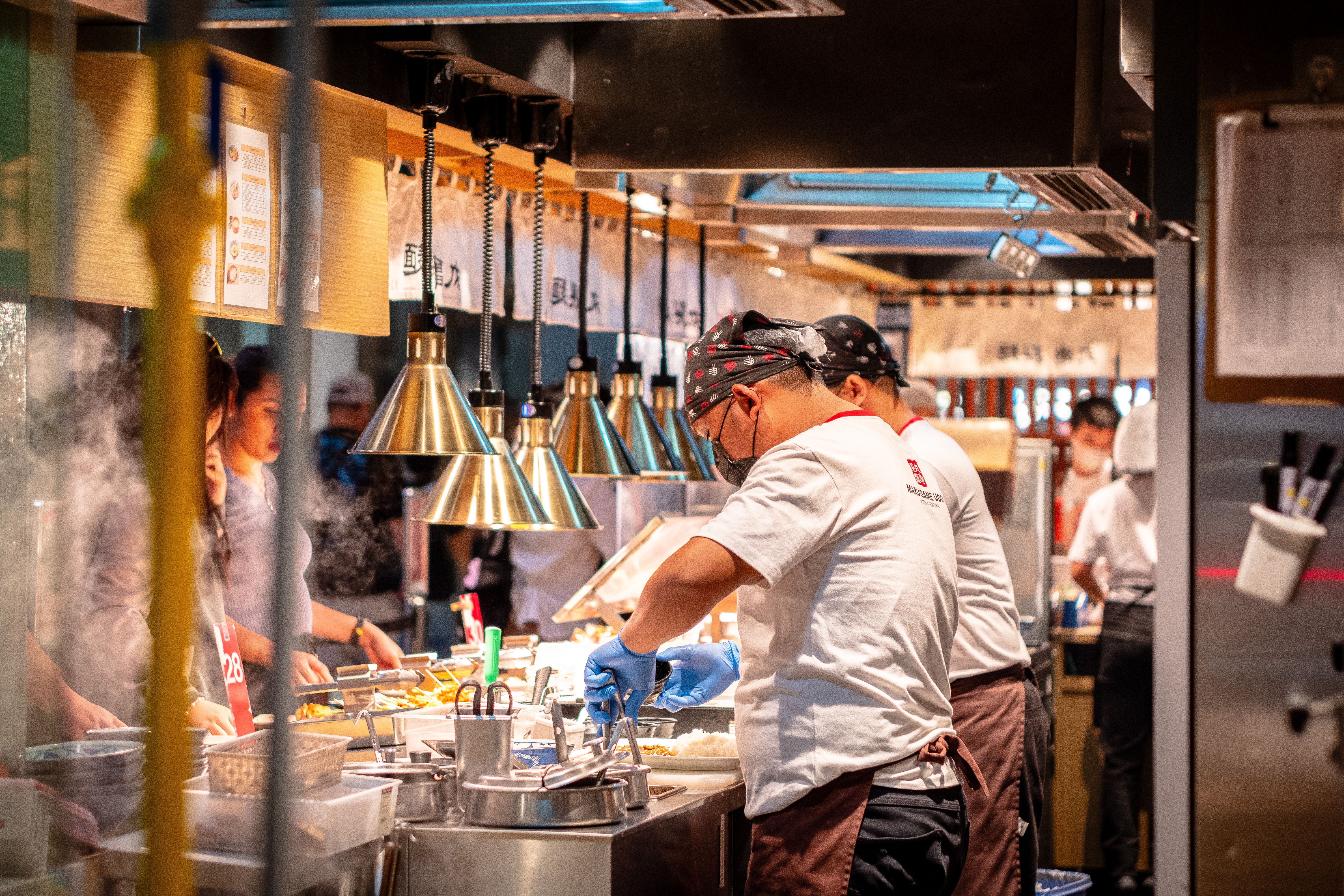
The labour problem is not abstract for restaurant owners. Since the pandemic, many operators have dealt with a smaller pool of applicants, more last-minute resignations, and growing burnout among kitchen and front-of-house staff. Restaurants are highly sensitive to absenteeism because a single missing cook or server can disrupt an entire service. In that environment, even modest benefits can look strategically valuable if they help workers show up, stay longer, and feel less financially squeezed.
A meal during or after a shift also solves an immediate daily problem. Workers in hospitality often have irregular hours that make standard eating patterns difficult. Someone starting prep in the morning and finishing service late at night may have little time to shop or cook at home. Employers know this. By feeding staff on site, they are not only offering a perk but reducing one friction point in a demanding workday.
There is also a cultural argument from management. Shared meals can improve morale, encourage team bonding, and create a stronger connection to the menu. Some owners say staff who taste dishes are better at describing them to guests and more invested in the quality of the food. In this view, the staff meal supports operations, sales, and workplace culture at the same time. That helps explain why the practice is spreading quietly rather than being treated as a temporary concession.
For employees, a free meal can feel generous, useful, and complicated at once
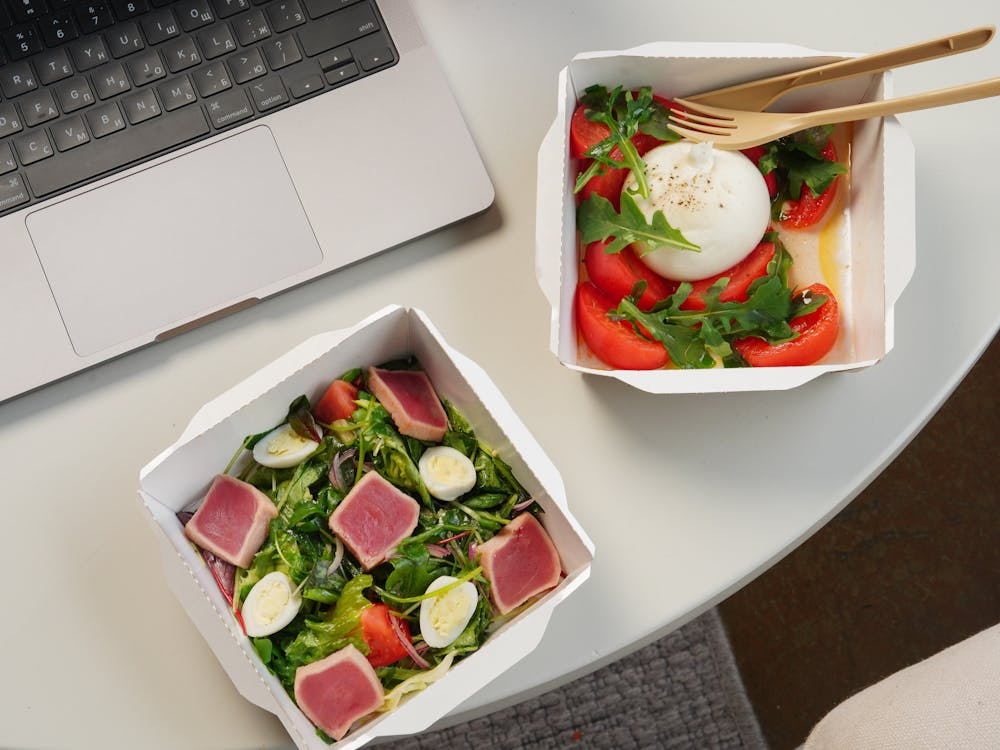
Workers are not rejecting the idea of being fed at work. For many, especially younger employees, newcomers, students, and those living in expensive urban centres, a free meal during a long shift is genuinely valuable. Grocery inflation in Canada has made food costs a daily source of pressure. When a restaurant provides one reliable meal, that can meaningfully stretch a worker's budget over the course of a week.
Still, the emotional response is mixed because employees often understand what the benefit is replacing. A staff meal may feel welcome while also highlighting the limits of base pay. Some workers appreciate the support but would still prefer higher wages, more predictable schedules, or paid sick days. In other words, food can reduce hardship without changing the deeper conditions creating that hardship in the first place.
There is also the question of control. In some workplaces, staff meals are generous and thoughtfully prepared. In others, they are inconsistent, low quality, or only available under certain conditions, such as working a minimum number of hours or not making mistakes during service. That can turn a benefit into something conditional and uneven. Employees may then experience the meal less as care and more as another instrument of workplace discipline.
The line between support and substitution is where the tension grows
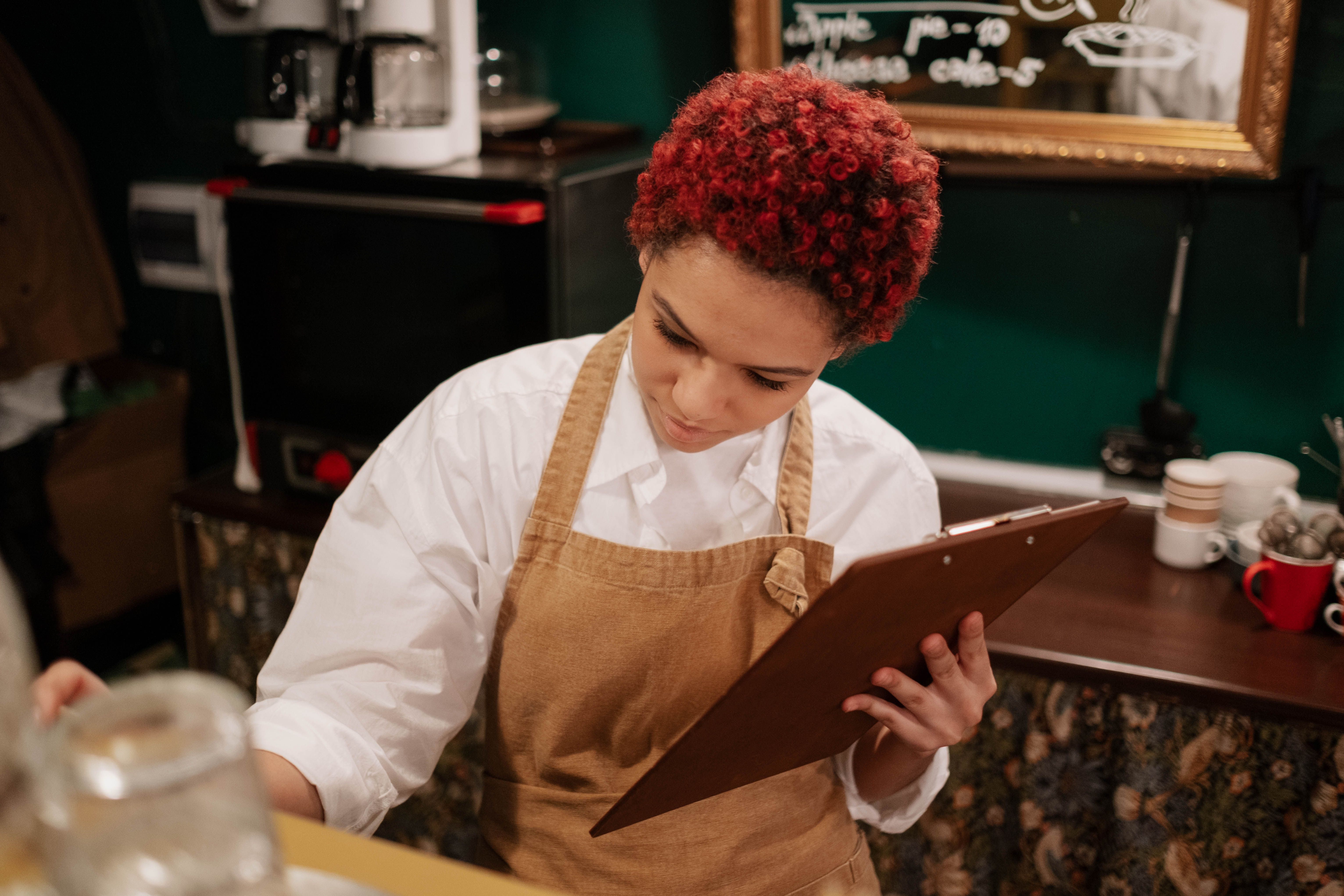
The central issue is not whether food is helpful. It is whether it is being used to stand in for compensation that workers believe should exist in cash, time, or formal benefits. Labour experts have long noted that in low-margin industries, non-cash perks can become attractive to employers because they are flexible and harder to benchmark than wages. A meal can be offered, scaled back, or redefined more easily than a pay increase.
That flexibility is exactly what makes some employees uneasy. If food becomes part of the value proposition of a job, workers may feel pressured to treat it as equivalent to stronger compensation. Yet a meal cannot pay rent, cover child care, or build savings. It helps, but it is not portable in the way money is. Once the shift ends, its value disappears quickly.
There are also legal and ethical nuances. Employment standards in Canada vary by province, but meals generally do not erase obligations around minimum wage, overtime, or breaks. Problems arise when employers speak about food as though it compensates for weak scheduling or low pay. In the best workplaces, meals are an added layer of support. In the worst ones, they risk becoming a symbolic gesture that masks structural strain.
Some restaurants are doing this thoughtfully, while others are improvising

Not every operator is treating food as a shortcut. Some independent restaurants and hospitality groups have built clear meal programs that reflect genuine concern for staff well-being. They schedule family meal before service, accommodate dietary restrictions, and make sure all employees, from dishwashers to managers, are included equally. In these cases, the meal functions as both nourishment and a visible sign of respect.
There are practical examples of this approach across Canada's urban dining scene. Some kitchens rotate responsibility for staff meals so cooks can be creative with underused ingredients while still producing something balanced and appealing. Others give employees a fixed menu allowance during shifts or offer take-home soup, bread, or prepared items after closing. The best versions are consistent, transparent, and not tied to arbitrary manager discretion.
But many restaurants are still improvising. Because margins are tight and staffing needs change fast, meal policies can be informal and unevenly applied. A generous owner may feed the team during a busy month, then quietly cut the practice when costs rise. That instability matters. Workers tend to trust benefits more when they are written, predictable, and separate from the mood of the day or the profitability of the week.
What this trend says about the future of restaurant work in Canada
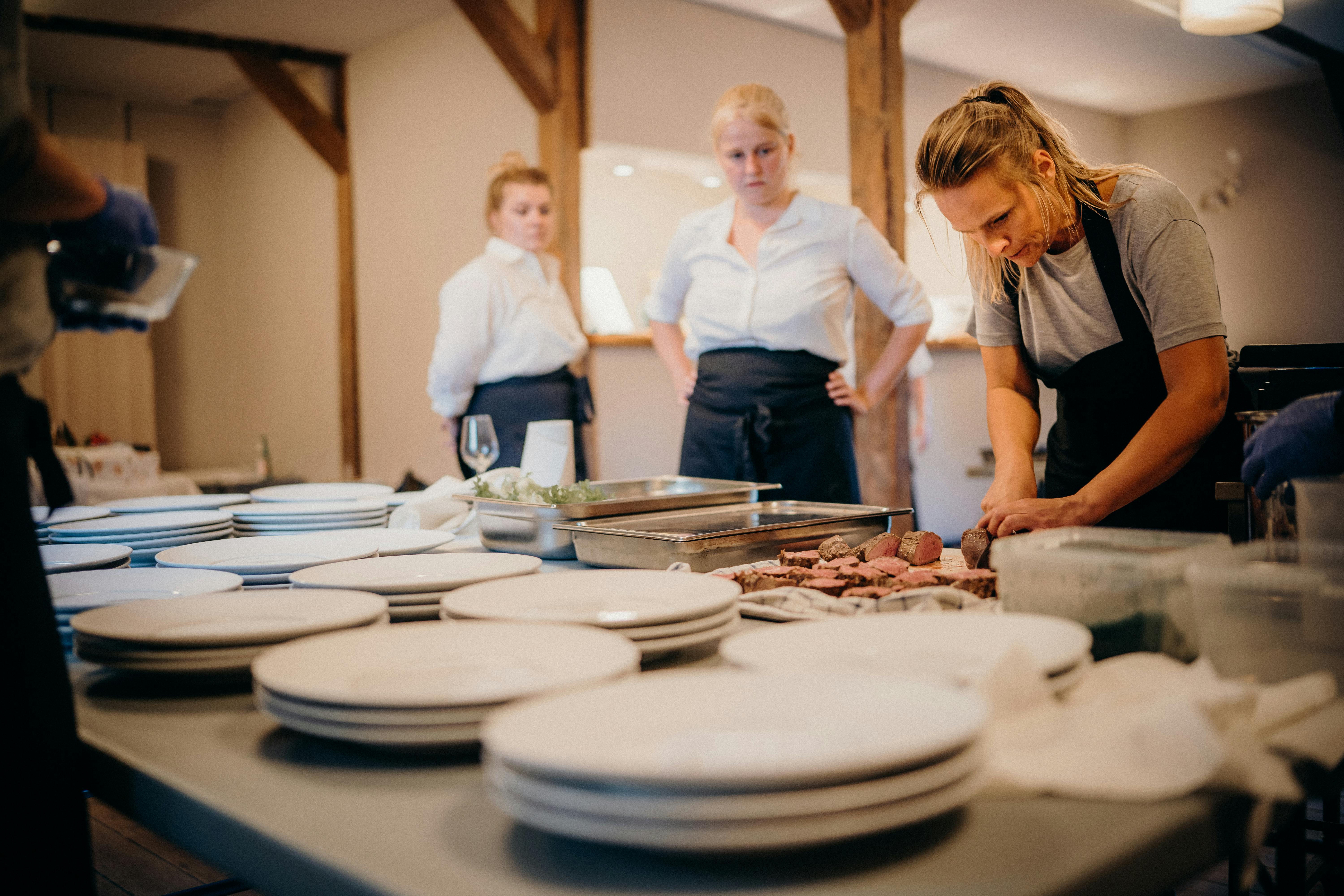
This quiet turn toward food as workplace strategy reveals a broader truth about Canadian hospitality. Restaurants are under pressure to compete for labour without the financial room to solve every problem through wages alone. So they are reaching for benefits that are immediate, affordable, and culturally aligned with the business. Food fits perfectly into that logic, which is why the trend is likely to continue.
But its future will depend on how honestly it is presented. Employees are usually capable of recognizing the difference between a meaningful everyday support and a carefully packaged substitute for better working conditions. If restaurants want meal programs to build loyalty, they will need to pair them with fair scheduling, respectful management, and pay practices that do not force workers to depend on staff food as a survival tool.
In that sense, the debate is not really about dinner. It is about what employers owe workers in an industry built on thin margins, long hours, and emotional labour. A good meal can make a shift easier and a workplace warmer. It just cannot, on its own, resolve the deeper uncertainty many restaurant employees still carry into every service.




Leave a Reply