
Store brands are no longer the backup plan. In Canada, they are often the plan from the start.
A more concentrated grocery market builds familiarity
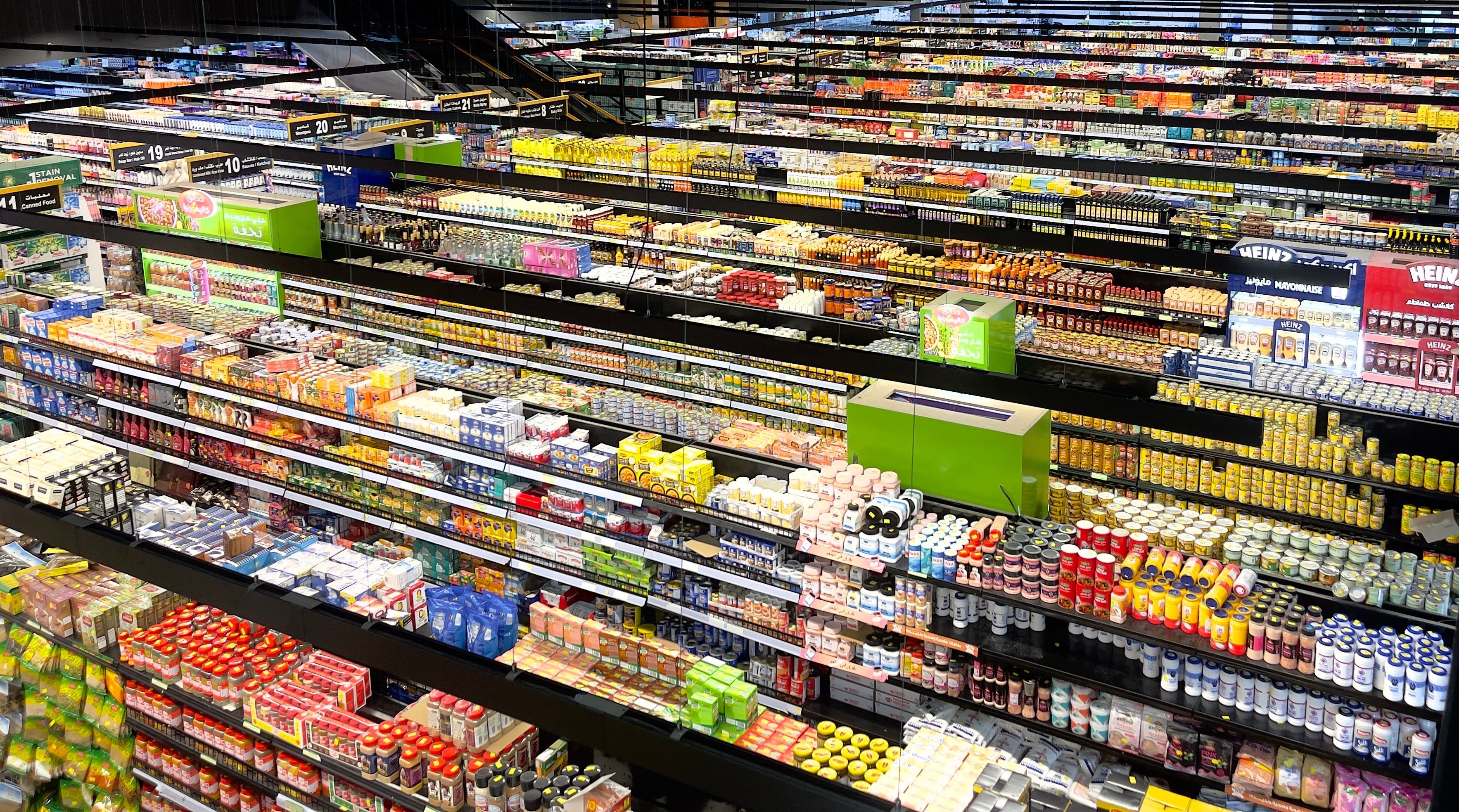
One reason Canadian shoppers tend to trust store brands more is simple: they see the same retailers over and over again. Canada's grocery market is dominated by a relatively small number of major chains, including Loblaw, Sobeys, Metro, Walmart Canada, and Costco. That concentration creates repeated exposure to the same private-label lines, from President's Choice and No Name to Compliments, Irresistibles, and Kirkland Signature. Familiarity matters in food, because repeated positive experiences lower perceived risk.
In the United States, shoppers move through a more fragmented landscape. Regional chains, national chains, club stores, discount banners, dollar stores, natural grocers, and mass merchants all push their own store brands. That variety gives consumers choice, but it can also dilute confidence. A shopper in one state may never encounter the same private-label products as a shopper in another, making trust harder to scale.
Canadian consumers also tend to associate the retailer more directly with product accountability. If the chain's reputation is strong, its in-house products benefit. Over time, that relationship turns private label from a low-cost alternative into a normal, reliable part of the weekly basket.
Premium private labels arrived earlier and were marketed better
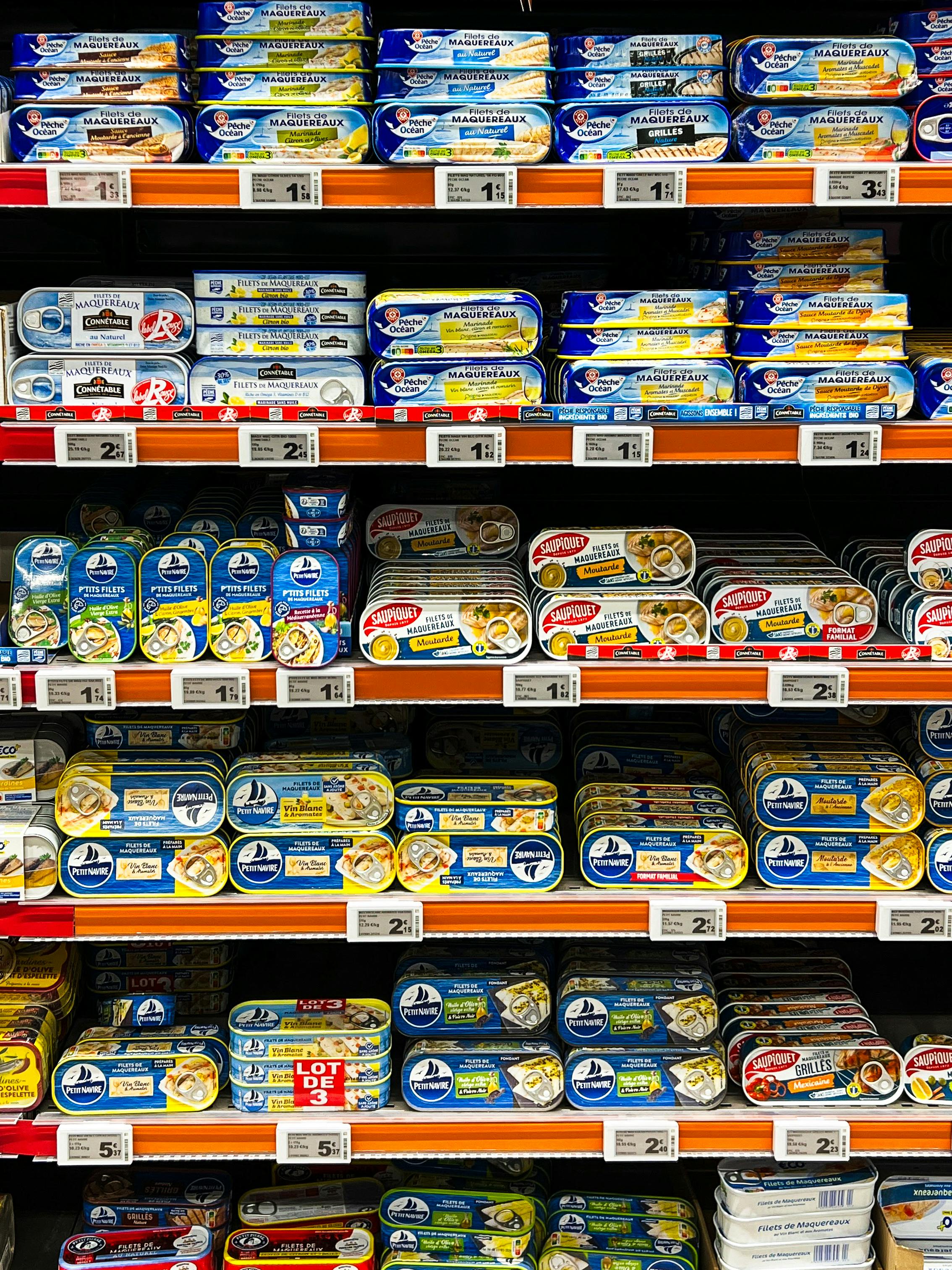
Canada did not build private-label trust only through low prices. It also built it through quality storytelling. Loblaw's President's Choice is the clearest example. Since the 1980s, it was positioned not as a generic substitute but as a curated brand with test kitchens, product development, and a strong point of view on taste. Many Canadians grew up seeing store brands presented as innovative, not second-rate.
That strategy mattered because it changed the emotional meaning of buying a store brand. Instead of feeling like a trade-down, it could feel like a smart pick. Signature products, seasonal launches, and strong packaging gave shoppers reasons to try. Once those products performed well, the trust spread into basics like pasta, dairy, canned goods, frozen foods, and snacks.
In the U.S., private labels historically carried more baggage. Generic packaging and bargain positioning were common for years, especially in center-store categories. American retailers have invested heavily in premium private label in the past decade, and chains such as Trader Joe's, Costco, and Target have changed perceptions. Even so, Canada had a long head start in making store brands feel credible, desirable, and consistent.
Price pressure in Canada rewards trust in the retailer

Canadian grocery prices have risen sharply in recent years, and food affordability has become a major public concern. In that environment, store brands benefit because shoppers are looking for savings without taking big quality risks. If a private-label cereal, yogurt, or frozen pizza delivers acceptable quality at a lower price, consumers come back. Repetition turns value into trust.
That pattern is reinforced by the practical reality of Canadian shopping. In many communities, especially smaller cities and remote areas, consumers may have fewer grocery options than Americans do. When choice is narrower, shoppers learn the retailer's own brands faster and more thoroughly. They test them across more categories because the store is not just one option among many. It is the main option.
There is also a cultural element to value perception. Canadian shoppers often approach store brands as sensible household management, not as a sign of compromise. During periods of inflation, that mindset strengthens. A trusted store brand becomes a tool for staying within budget while keeping routines intact, which is exactly the kind of habit that deepens long-term loyalty.
Canadian store brands often signal consistency, not just savings
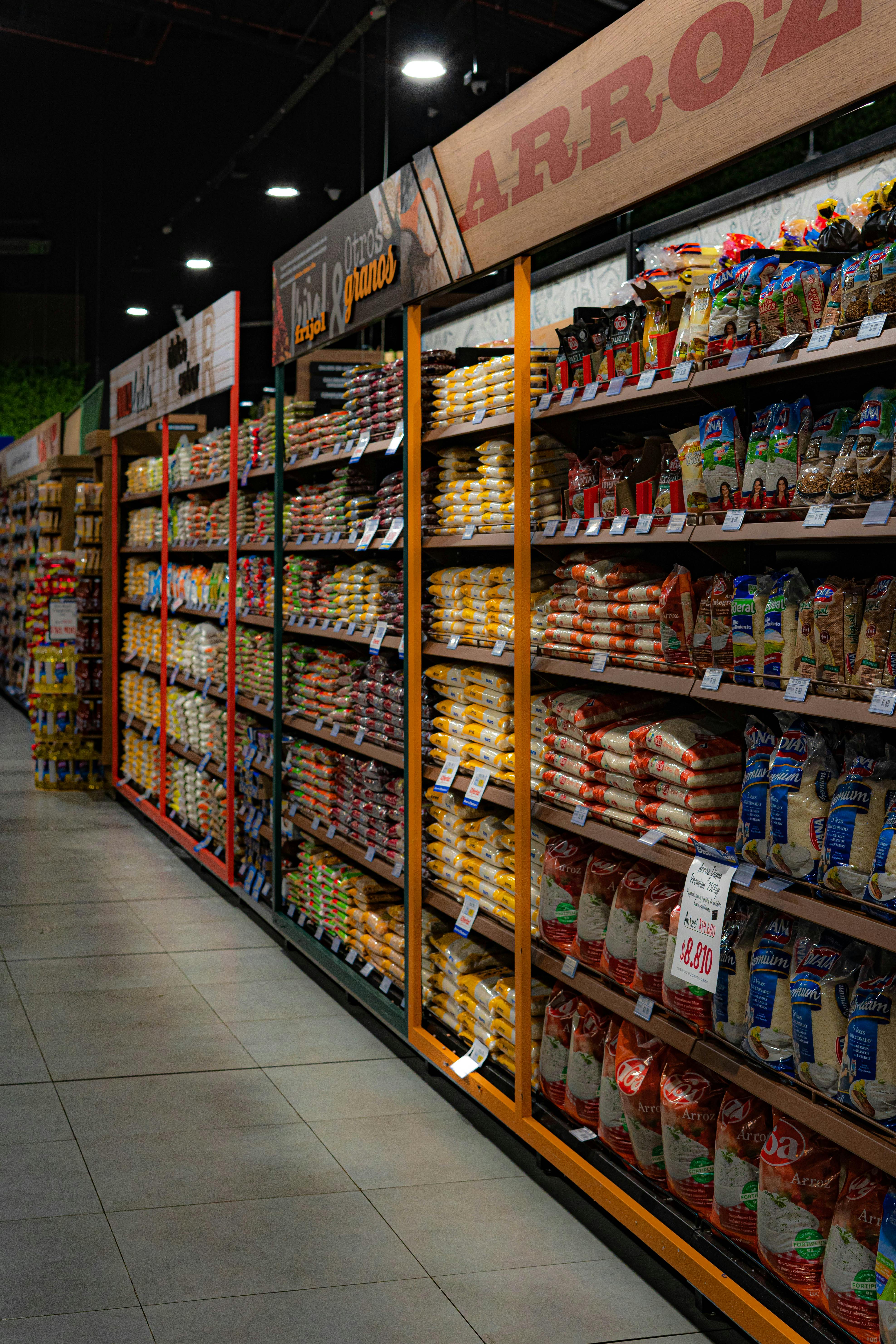
Trust grows when consumers know what they are getting. Canadian private-label programs have generally done a strong job of creating tiered systems that are easy to understand. No Name communicates budget basics. President's Choice signals mainstream quality and innovation. Similar structures appear across other chains, giving shoppers clear cues about price, quality, and intended use. That clarity reduces hesitation at the shelf.
Retailers have also been effective at keeping quality relatively steady across staples. A shopper who likes a store-brand cracker, pasta sauce, or bagged salad is more likely to try the same banner's bread, cheese, or frozen vegetables. This category-to-category migration is one of the strongest engines of private-label growth. It depends less on flashy advertising than on repeated operational consistency.
American shoppers can absolutely develop that same confidence, but the retail environment often interrupts the process. Promotional cycles are more intense, manufacturer brands are more aggressive, and store loyalty can be weaker. As a result, national brands often stay top of mind as the benchmark, while in Canada the retailer's own line is more likely to be treated as an equal.
National identity and shopping culture play a quiet role

Canadian consumers often display a pragmatic streak in grocery shopping. They are not immune to branding, but many are less attached to the idea that a famous national label is automatically better. In everyday categories like milk, bread, oats, chips, and pantry goods, performance tends to matter more than status. If the product tastes good, works well, and saves money, the case is made.
There is also a long history of retailer trust shaping consumer habits in Canada. Chains have often positioned themselves as community fixtures, and that can spill over into product credibility. A household that trusts a grocer's produce standards, pharmacy, loyalty program, and weekly flyer may naturally extend that trust to the store's own food line. The brand relationship is broader than a single item on a shelf.
In the U.S., shopping culture is often more brand-saturated and promotion-driven. National food companies spend heavily to defend market share, and many shoppers grow up with stronger attachment to advertised legacy brands. That does not prevent private-label growth, but it does mean store brands often have to overcome more emotional and cultural resistance before they are fully embraced.
The gap is real, but it is not permanent
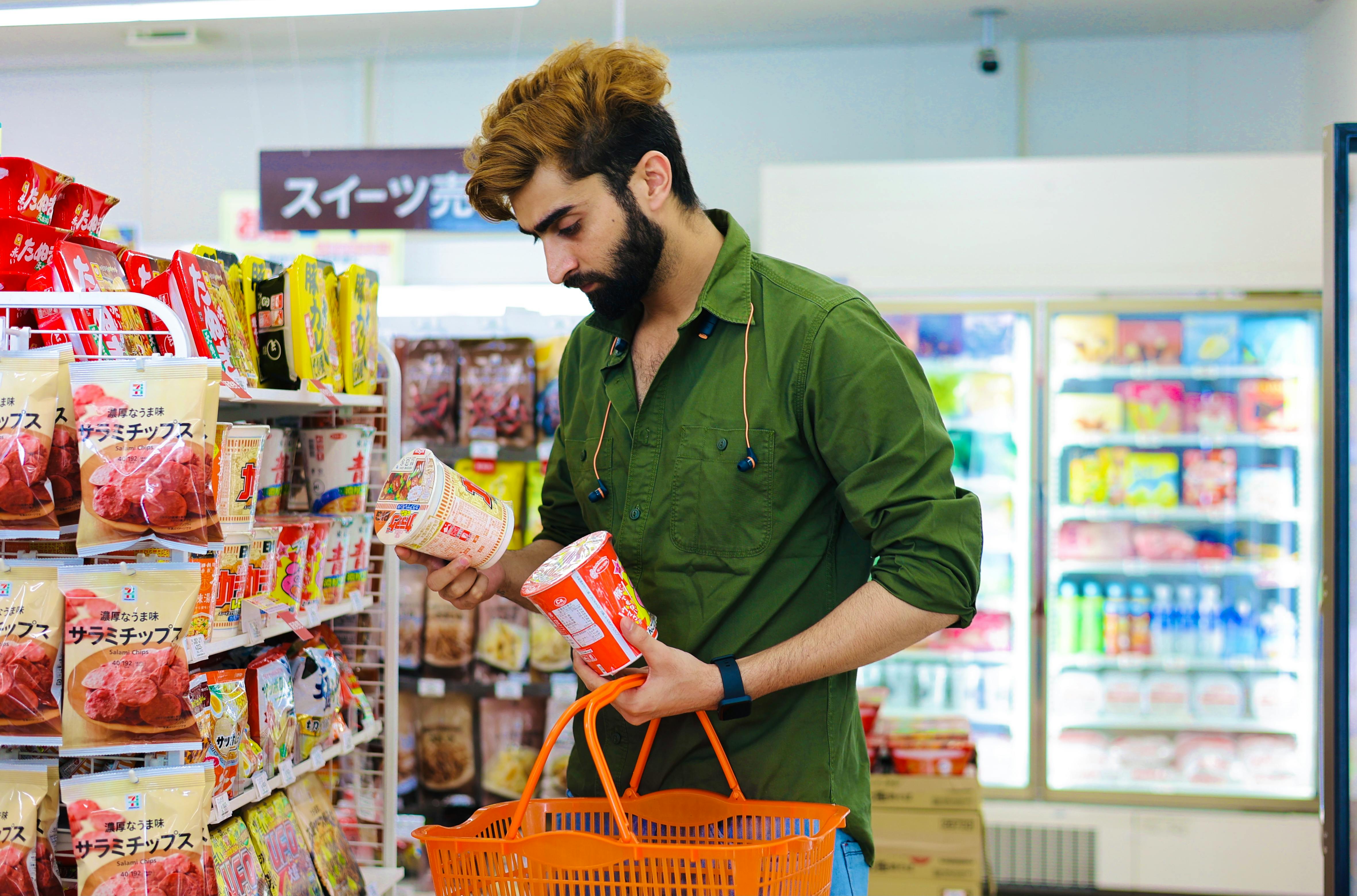
Survey data from market researchers over the years has consistently shown that Canadians are more receptive to private labels than Americans, especially in grocery. Analysts often point to stronger retailer brand equity, successful premium lines, and a less fragmented market as the main reasons. The result is a shopping environment where store brands can compete on more than price. They compete on habit, confidence, and perceived reliability.
Still, the American market is changing. Inflation, improved product quality, and the expansion of strong private-label programs at chains like Aldi, Costco, Trader Joe's, Kroger, and Target are reshaping attitudes. Younger shoppers in particular are often less loyal to legacy national brands and more willing to test retailer-owned products. That suggests the historical divide may narrow over time.
For now, though, Canadian grocery shoppers remain more inclined to trust the store's own label because the system has trained them to. They have seen these brands perform across decades, across categories, and across price cycles. Trust, in the end, is built through repeated proof, and Canadian retailers have had more success delivering that proof where it matters most: in the cart and at the dinner table.




Leave a Reply