
Some food traditions look similar across the border until you examine how people actually live with them. Canadian cottage food culture is one of those cases.
Geography made Canadian homemade food more than a hobby
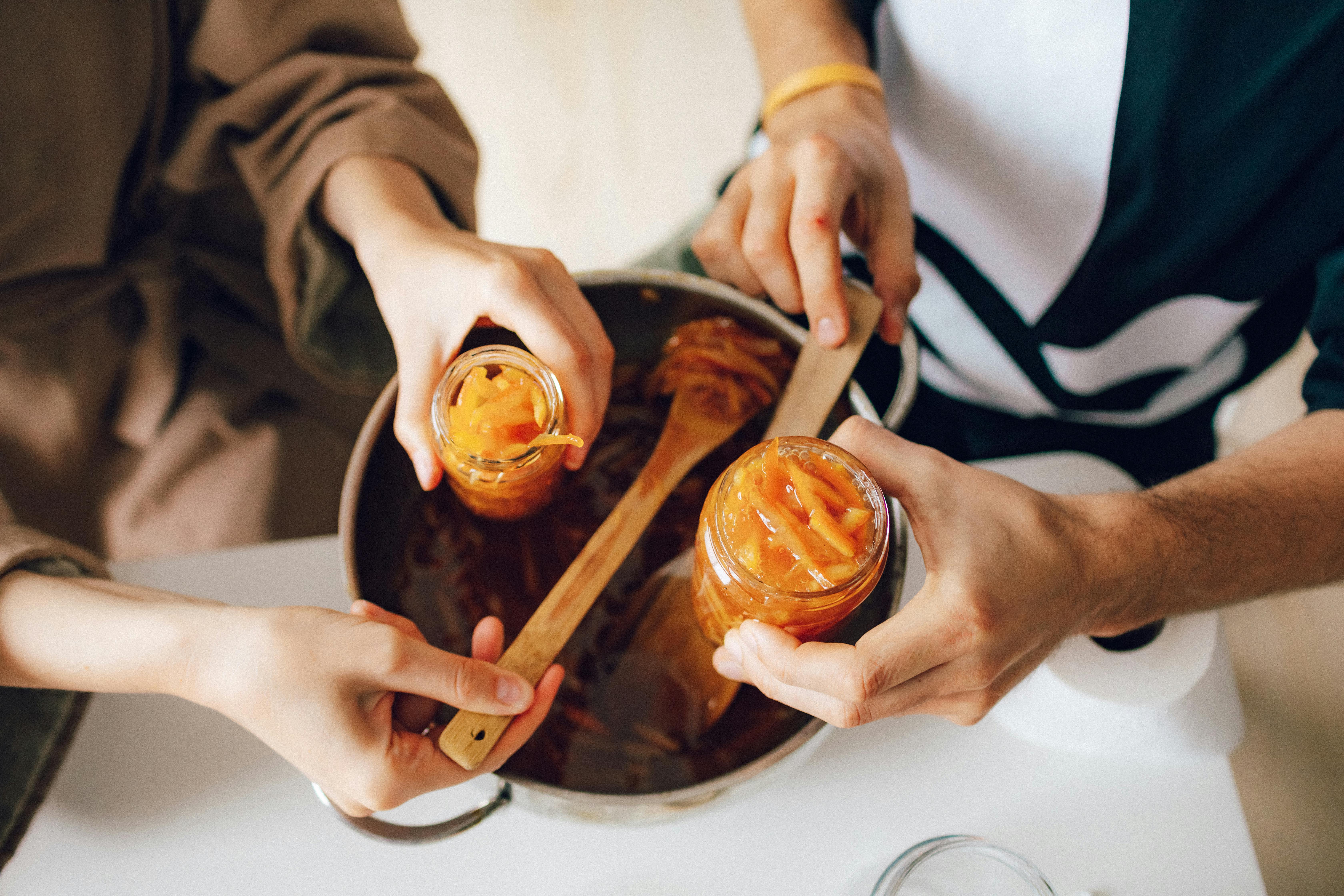
In Canada, homemade preserves, baking, syrups, pickles, smoked fish, and small-batch sauces developed in a country defined by distance, climate, and uneven access. That matters because cottage food was not just a charming side hustle. In many communities, especially rural, northern, coastal, and farm-based ones, it was part of the practical food system.
Long winters encouraged preservation skills that stayed alive in households for generations. Canning berries, making jams, freezing garden produce, curing meats, and preparing baked goods for church sales or seasonal markets were woven into ordinary life. In provinces like Newfoundland and Labrador, Quebec, and parts of the Prairies, homemade food retained a stronger connection to necessity than it did in much of suburban America.
The United States certainly has farmstands, county fairs, and home bakers. But the scale of its commercial food system pushed many local traditions into nostalgia earlier and more aggressively. In Canada, lower population density and a more visibly regional food culture helped homemade goods remain socially central.
This difference is easy to miss because both countries share many ingredients and appliances. What they do not share is the same relationship between remoteness and food resilience. In Canada, cottage food often sits closer to memory, survival, and community continuity than to lifestyle branding.
The legal patchwork in Canada works differently from the American one
At first glance, Canada and the United States both regulate homemade food through a patchwork of state, provincial, territorial, and local rules. But the similarities end quickly. Canadian cottage food systems tend to operate inside a narrower, more cautious public health framework, with stronger cultural acceptance of regulation as part of market legitimacy.
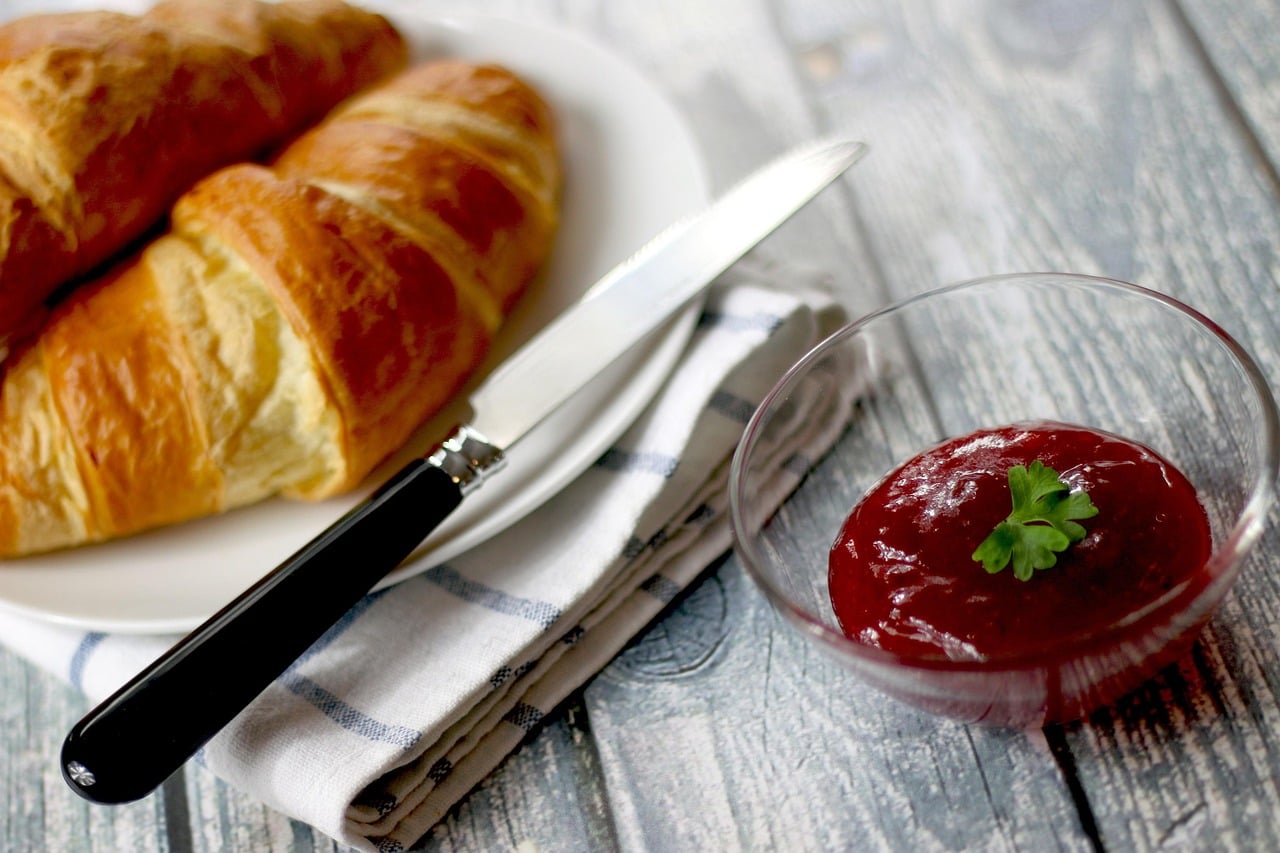
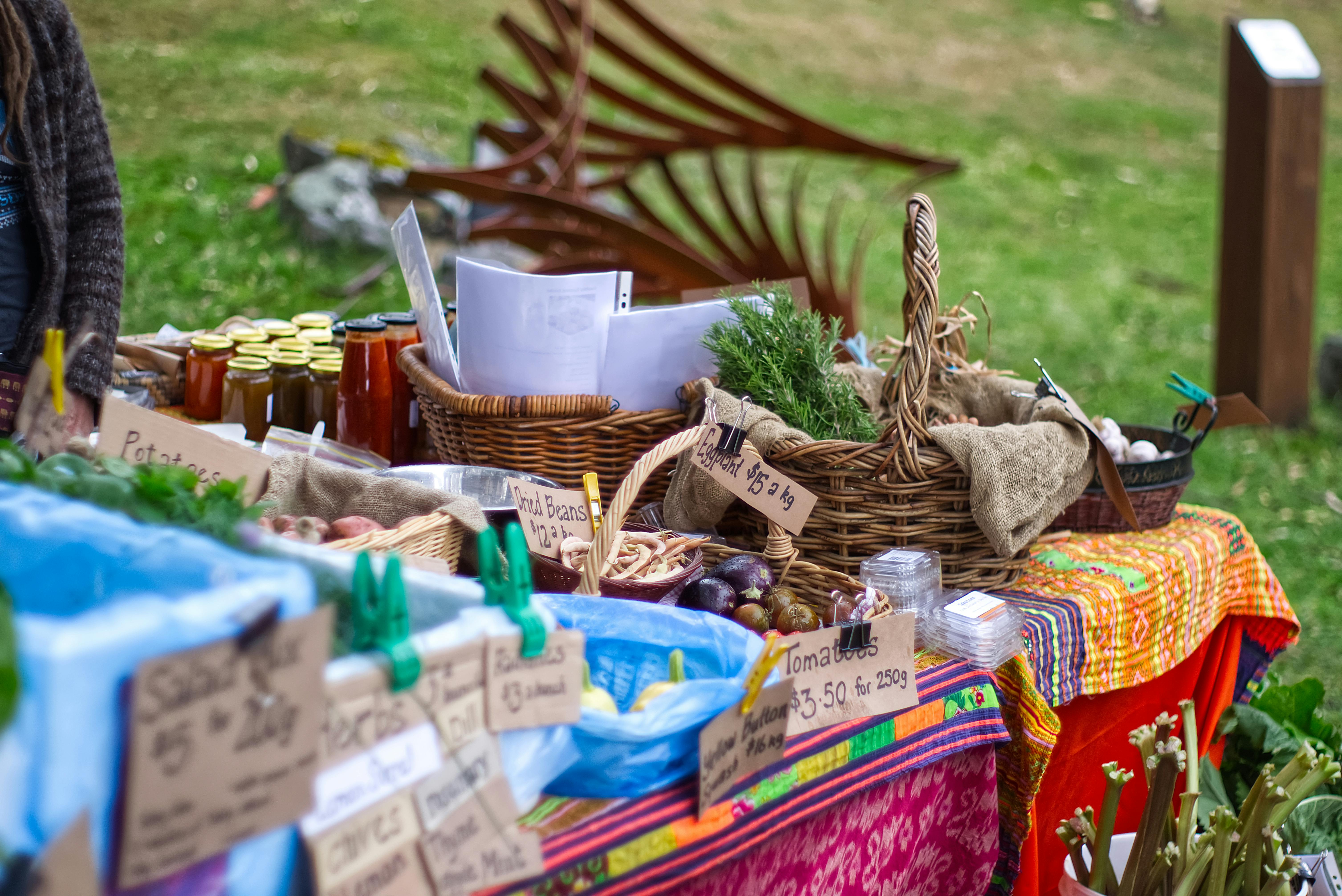
Rules vary sharply by province. Some allow low-risk foods such as breads, cookies, jams, and candies with labeling requirements and restricted venues. Others impose stricter public health oversight, kitchen rules, or sales limits. Farmers' markets often become the practical center of legal sales, not just a convenient venue.
In the United States, cottage food laws are often discussed as entrepreneurial freedom issues. Advocacy groups frequently frame them as barriers to small business and push for broader home kitchen rights. That language has shaped public debate in states from Texas to California, where reforms often focus on scaling, shipping, and direct-to-consumer growth.
Canada's conversation is usually less ideological and more communitarian. The question is not simply whether a home baker should be allowed to sell more muffins. It is whether local food can be trusted inside a public system that emphasizes inspection, labeling, and low-risk categories. That difference changes the culture surrounding the food itself.
Canadian cottage food is tied to community institutions, not just commerce
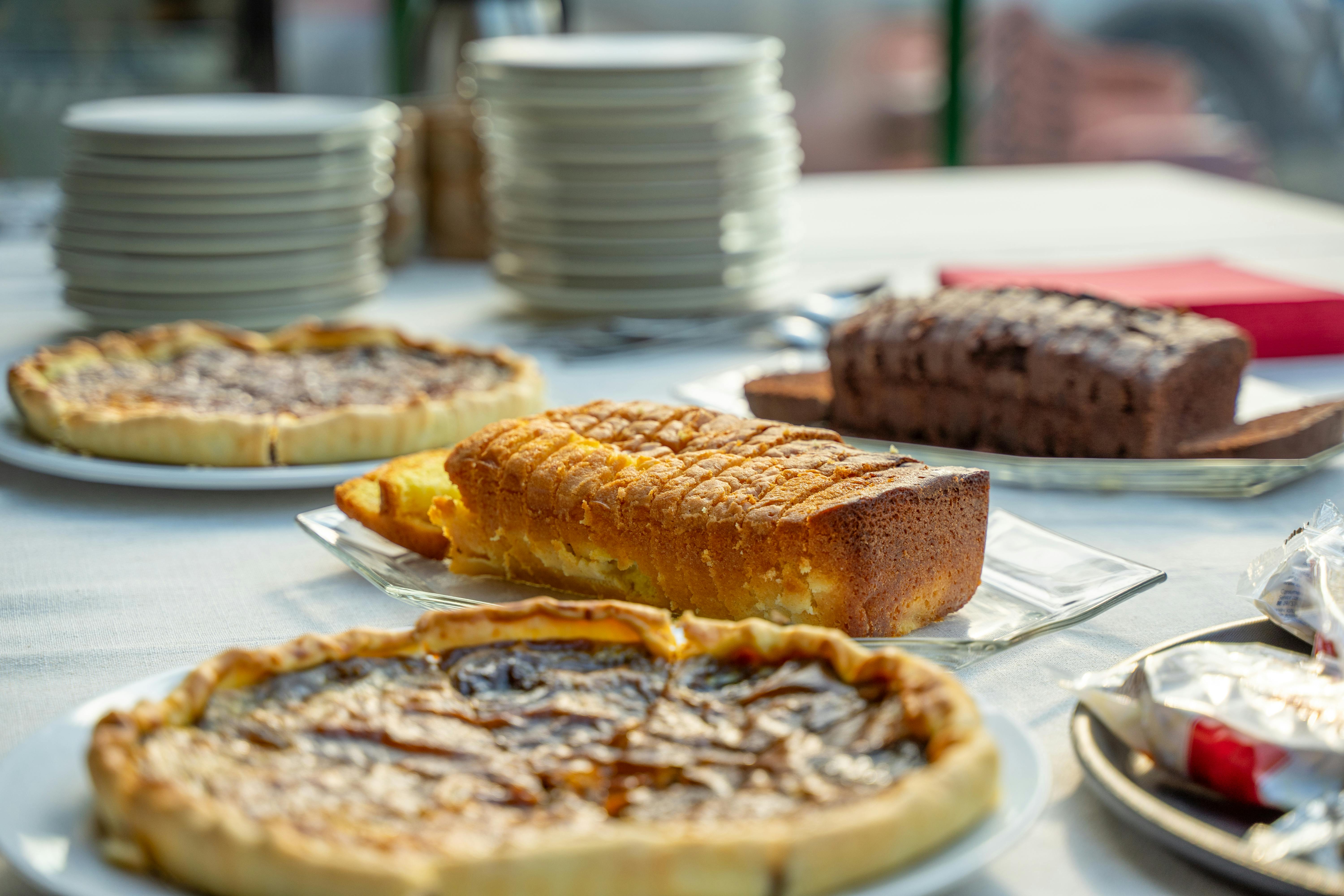
One reason there is no real American equivalent is that Canadian cottage food often lives inside community rituals rather than purely market logic. Think of curling club fundraisers, Legion halls, church basements, fall suppers, agricultural fairs, school events, and seasonal craft markets. Homemade food appears there not as a boutique luxury but as a familiar social offering.
Bake tables remain an unusually powerful symbol in Canada. At a local fundraiser, a tray of butter tarts, Nanaimo bars, date squares, or homemade loaves carries more than price value. It signals trust in the maker, continuity with local taste, and often a quiet expectation that buyers understand where the money is going.
The American version of homemade food is often more aggressively branded as artisanal, small-batch, handcrafted, or gourmet. Those labels exist in Canada too, especially in cities. But across much of the country, cottage food still retains a semi-informal identity connected to volunteering, reciprocity, and neighborly exchange.
That social framing matters because it limits direct comparison. A home baker in Ontario selling at a church Christmas market is participating in a different cultural economy than a home baker in Arizona building an Instagram-first cookie business. Both are real businesses, but they are not the same phenomenon.
The products themselves reveal a different food identity
Start with the actual foods and the distinction becomes clearer. Canadian cottage food culture is strongly shaped by regional preservation traditions, British and French baking lineages, Indigenous ingredients, and climate-driven seasonality. The result is a homemade repertoire that looks familiar to Americans in parts but feels different in emphasis.
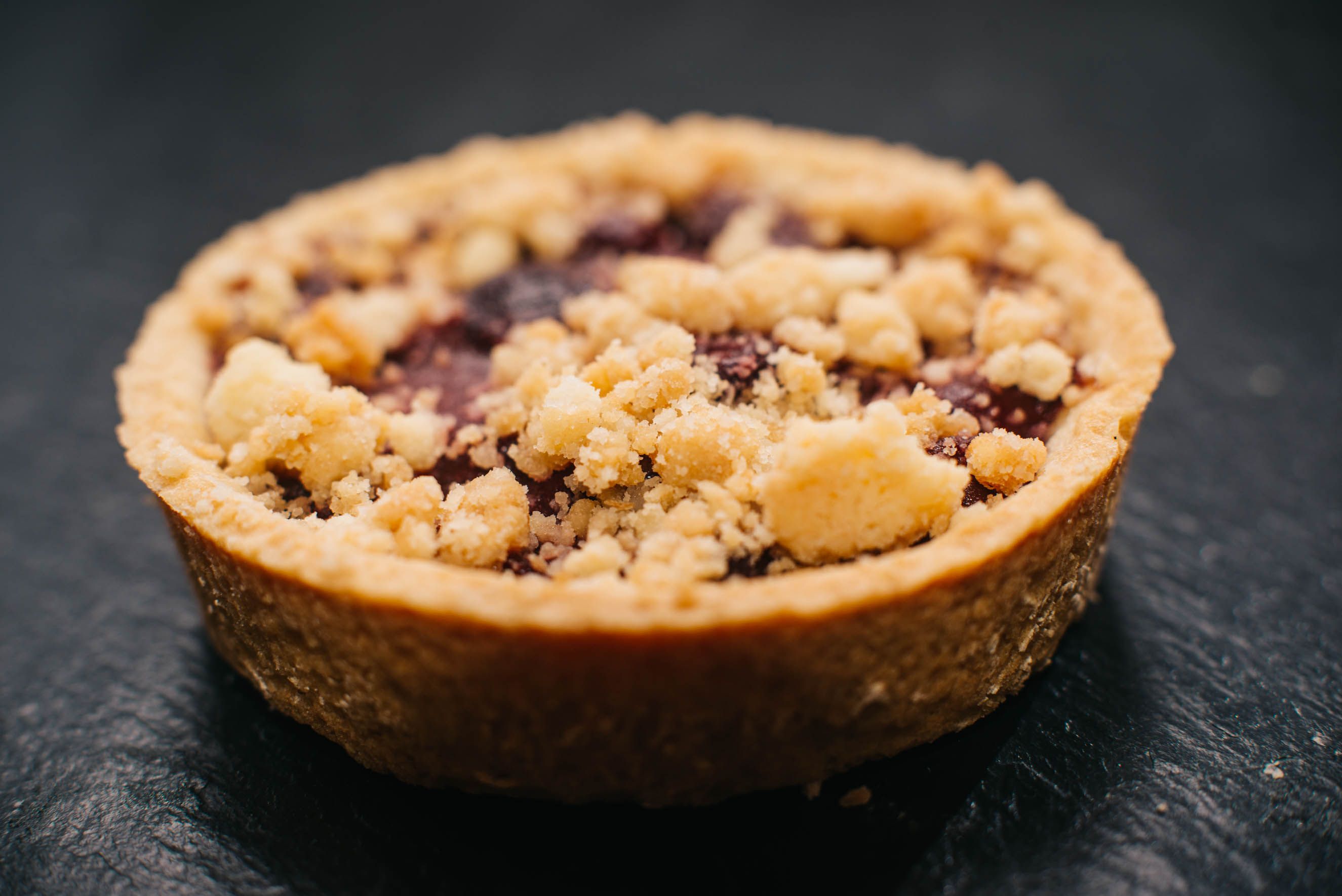
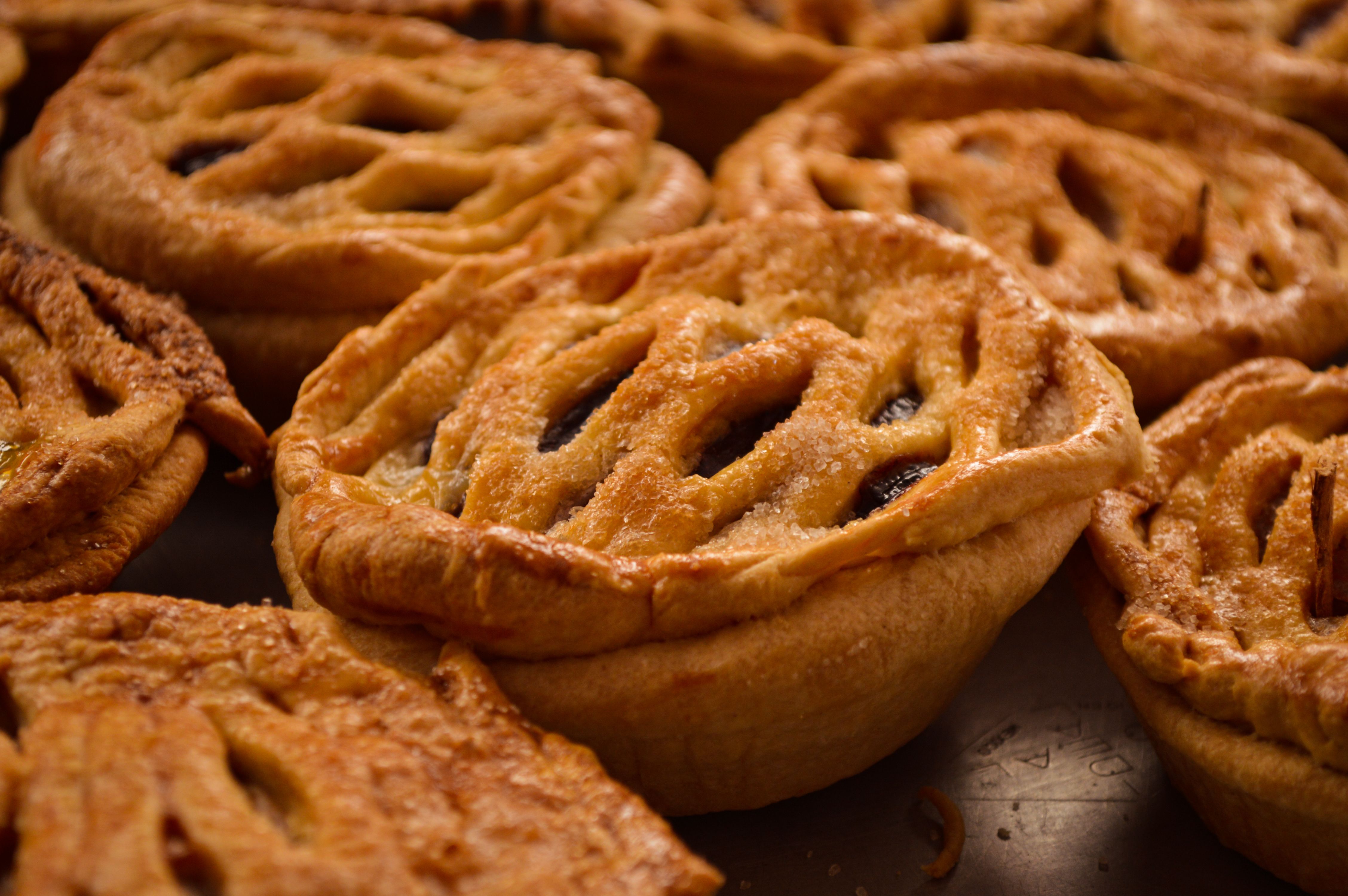
Butter tarts, tourtière filling sold in local contexts, Saskatoon berry jam, split pea soup mixes, maple products, date squares, bannock variations, mustard pickles, fruitcake, shortbread, and rhubarb preserves all point to a food culture rooted in older domestic patterns. Even when these items are commercialized, they often still carry homemade authority.
In the United States, cottage food has increasingly clustered around marketable categories like decorated cookies, flavored popcorn, hot sauce, custom cakes, granola, and shelf-stable snacks. Those are not absent in Canada, but they do not define the tradition as completely. American cottage food culture often follows digital entrepreneurship and food trend cycles more closely.
Canada's version remains more seasonal and regionally coded. Spring means maple. Summer means berries and farmers' market baking. Autumn means preserves, pies, chutneys, and fairground staples. Winter brings holiday squares and community fundraiser tins. That cyclical pattern gives homemade food a deeper place in the annual calendar.
Scale and identity keep the two cultures from converging
Population size shapes culture more than people realize. Canada has fewer large urban markets, fewer consumers overall, and a much smaller media machine for turning homemade food into a national commercial craze. That has preserved local distinctiveness while limiting the rise of a single, coast-to-coast cottage food identity.
American food culture scales fast. A regional homemade specialty can become a mass-market trend through television, chain retail, or social media in a short time. Once that happens, the product often shifts from community craft to business category. The United States is exceptionally good at absorbing local food into a large consumer marketplace.
Canada tends to scale more slowly and unevenly. A successful home producer in Alberta or Nova Scotia may become well known locally without becoming a national brand. That smaller scale helps preserve the intimate character of cottage food, but it also means fewer clear national equivalents to the American cottage industry success story.
National identity plays a role too. Canadians often celebrate local food through ideas of region, season, and modest authenticity rather than frontier individualism. That tone matters. The mythology around homemade food in the United States often rewards hustle and expansion. In Canada, it more often rewards steadiness, place, and familiarity.
The closest American comparisons still miss the Canadian point
There are American scenes that come close. Parts of New England, Appalachia, Alaska, the Pacific Northwest, and the Upper Midwest have strong traditions of preserving, church baking, foraging, and local market selling. Amish and Mennonite foodways also preserve forms of homemade commerce that resemble aspects of Canadian practice.
Yet none of these examples functions nationally in the way Canadian cottage food does within Canada's public imagination. The U.S. equivalent is always partial, regional, or folded into a bigger story about niche entrepreneurship. In Canada, homemade food more often stands for ordinary local life itself, especially outside the largest cities.
That is why the comparison keeps failing. The difference is not that Americans do not make or sell food from home. They do, and in enormous variety. The difference is that Canada's cottage food culture still carries a broader social role, connecting households, seasonal labor, fundraising, regional identity, and practical food knowledge in one package.
So there is no real American equivalent because the Canadian version is not just an industry or a legal category. It is a lived system shaped by weather, distance, institutions, and habits of mutual trust. Similar products cross the border, but the culture behind them does not.




Leave a Reply