
Sticker shock at the checkout has become a routine part of life in British Columbia. For many households, the province's grocery prices feel less like a temporary spike and more like a built-in cost of living.
Geography makes every food trip more expensive
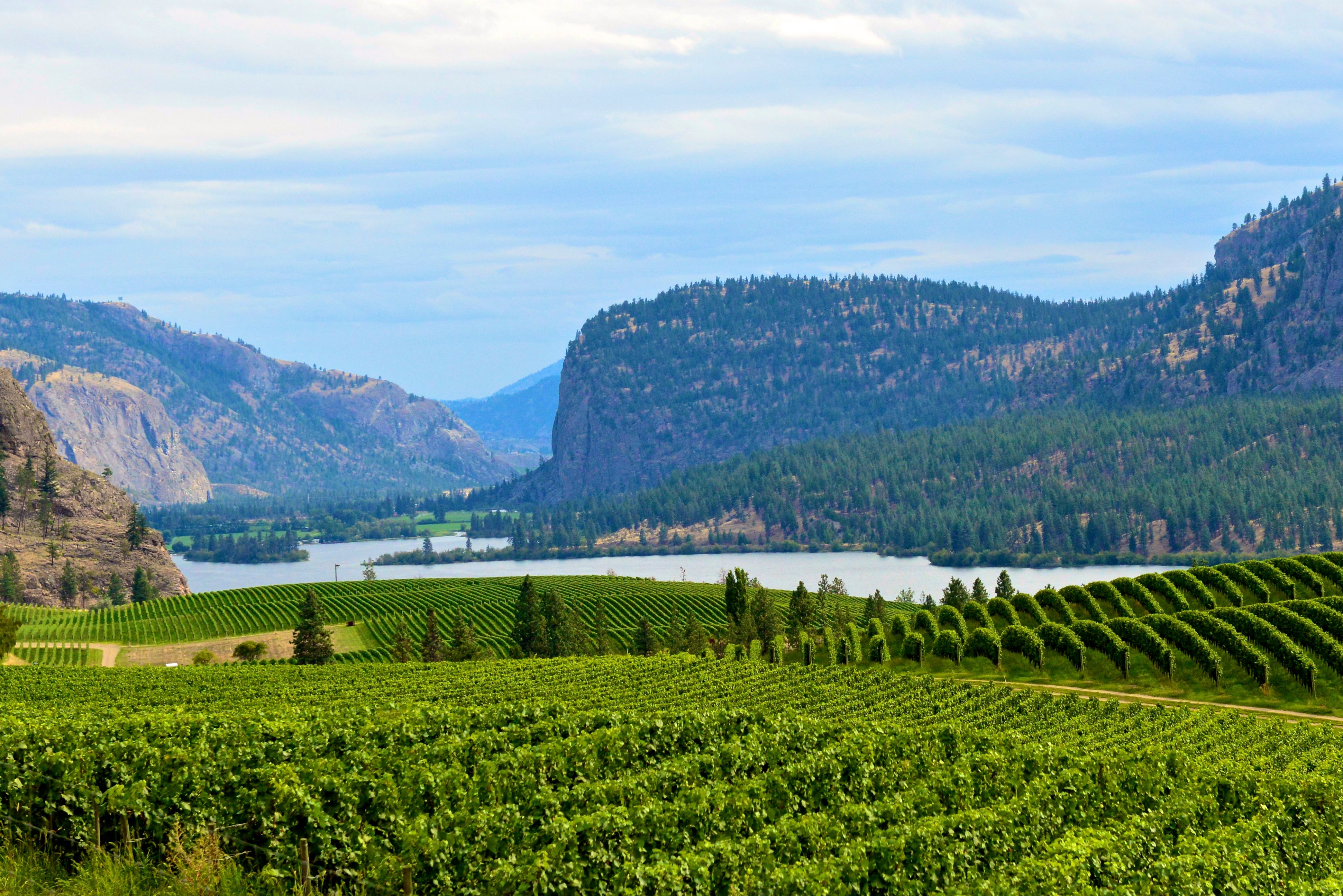
British Columbia's landscape is beautiful, but it is not cheap to feed. Mountain ranges, island communities, long interior routes, and a population concentrated in the southwest all create a costly distribution map. Moving food from farms, ports, and warehouses to stores takes more time, more fuel, and more labor than in flatter, more centralized provinces.
That burden is especially visible outside Metro Vancouver. A truck serving the Okanagan, Kootenays, or northern communities covers longer distances with fewer delivery stops, which raises the cost per case of food. For Vancouver Island, goods often depend on ferry service, adding fees, delays, and scheduling limits that stores ultimately pass on to shoppers.
Weather also worsens the picture. Floods, wildfires, landslides, and winter highway disruptions have repeatedly affected key transportation corridors in recent years. When roads shut down or shipments are rerouted, retailers face spoilage risks and emergency freight costs, and those pressures show up quickly in the produce aisle and dairy cooler.
Housing and wages push store operating costs higher
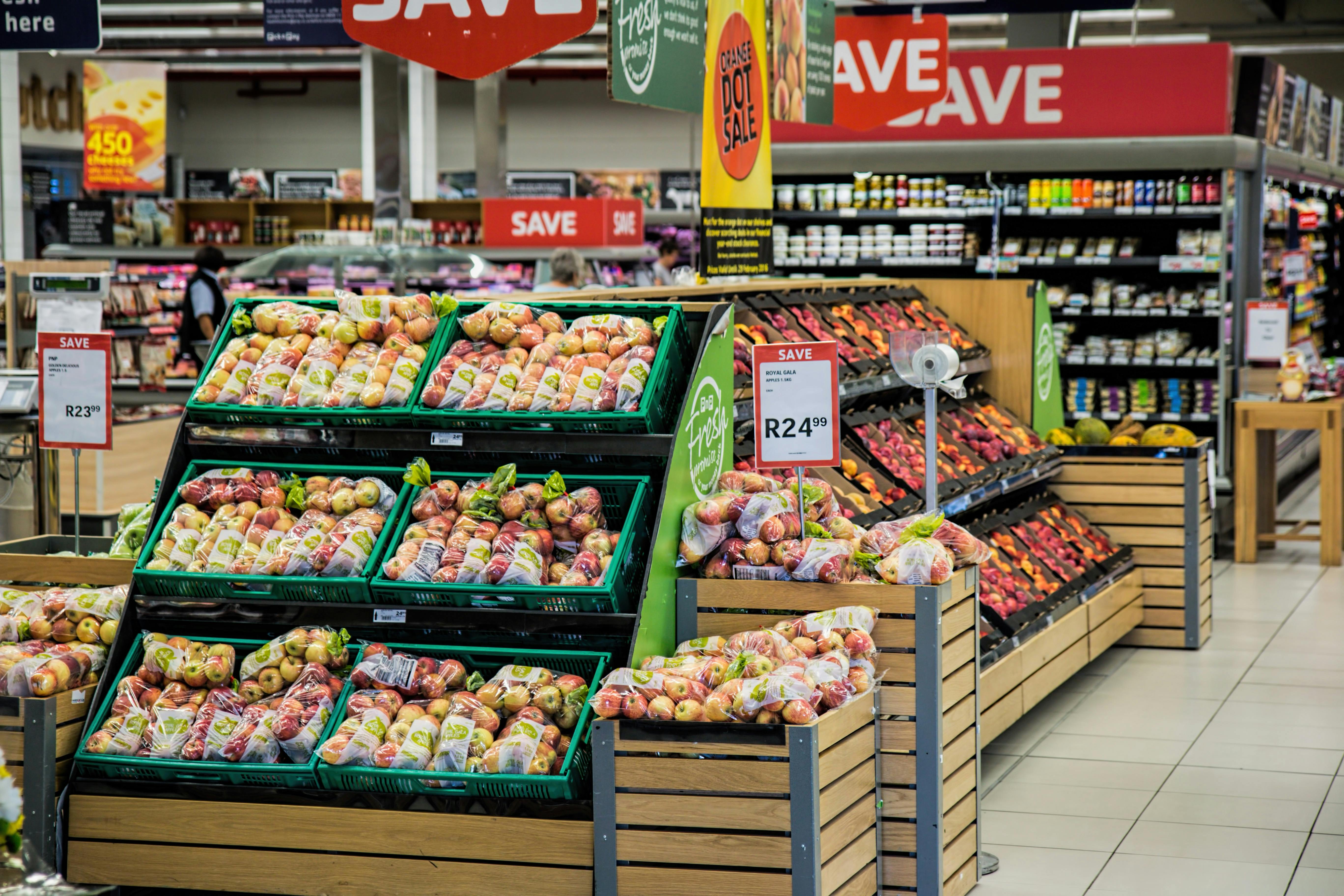
A grocery store does not price food based only on wholesale costs. In British Columbia, some of the country's highest commercial rents, land values, and housing costs raise the expense of running every supermarket, warehouse, and neighborhood market. Those fixed costs are especially intense in Greater Vancouver and nearby communities where retail space is scarce and expensive.
Labor adds another layer. Stores must compete for workers in one of Canada's least affordable housing markets, which means higher wages are often necessary just to attract and retain staff. From cashiers and stock clerks to warehouse teams and truck drivers, labor costs ripple through the supply chain before a single item reaches the shelf.
Independent grocers often feel this pressure most sharply. Large chains can spread overhead across many locations, but smaller stores in expensive urban or remote areas have less room to absorb rising lease, insurance, refrigeration, and payroll bills. That is one reason neighborhood stores, while convenient, often charge noticeably more than major banners.
B.C. grows food, but not enough of what shoppers buy
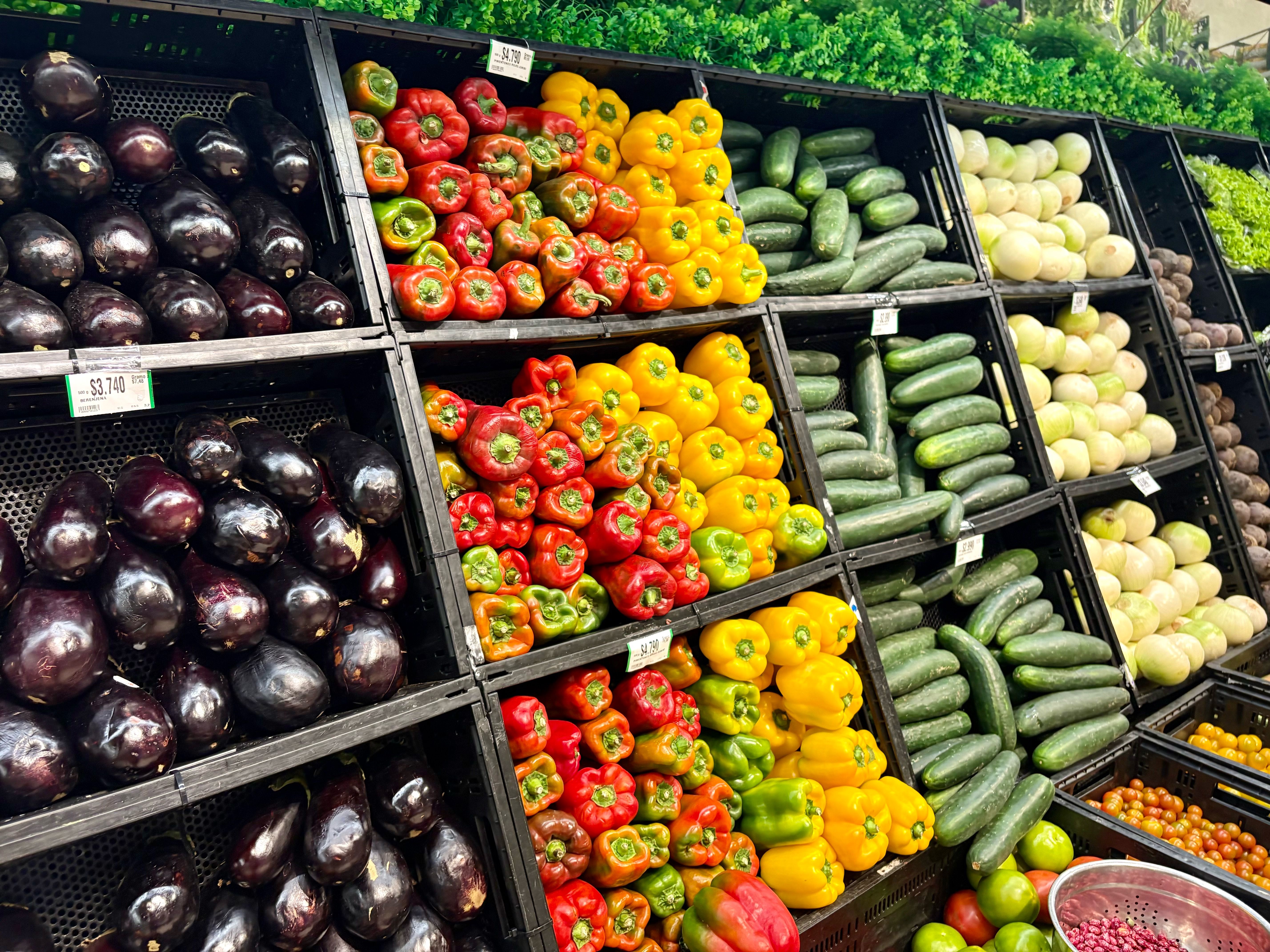
British Columbia has a strong agricultural sector, yet local production does not equal local self-sufficiency. Much of the province's farmland is limited by geography, protected land rules, urban pressure, and a short growing season compared with major North American food belts. Even when B.C. produces excellent fruit, vegetables, dairy, and poultry, stores still import a large share of year-round staples.
Fresh produce highlights the problem. In winter, many fruits and vegetables must travel from California, Mexico, or other growing regions. That adds transportation costs, border-related logistics, cold-chain handling, and currency exposure, all of which can elevate prices beyond what consumers see in provinces with larger nearby agricultural basins.
The supply mix matters too. Shoppers now expect constant availability, premium options, and specialized products ranging from organic greens to international ingredients. Meeting that demand in a province with limited production scale means relying on complex procurement networks. More handling and less volume efficiency usually translate into a higher price tag.
Market structure limits how much competition can lower prices

At first glance, grocery retail seems highly competitive, but pricing power in Canada is concentrated. A small number of dominant chains control much of the market, and in British Columbia that concentration can be felt strongly, particularly in smaller communities where residents may have only one full-service supermarket nearby. Limited local competition reduces pressure to discount aggressively.
Distribution concentration matters just as much as storefront concentration. Major chains operate centralized purchasing and warehousing systems designed for efficiency, yet those systems also give them significant influence over which products reach shelves and at what margin. Suppliers facing high transportation and listing costs may pass those costs through, especially in regions with fewer alternative retail channels.
Membership warehouses, discount banners, and ethnic grocers do create some price competition in Metro Vancouver. However, their impact is uneven across the province. Consumers in dense urban areas may comparison shop, but households in smaller towns, island communities, or remote regions often lack that flexibility, leaving them exposed to structurally higher everyday pricing.
Climate shocks and regulation add costs behind the scenes

Some of the sharpest food price jumps in British Columbia come from disruptions that shoppers never see. Extreme weather has damaged highways, farmland, and supply routes, while drought and wildfire smoke have affected harvests and livestock conditions. In a province already dependent on fragile transport links, those shocks have an outsized effect on shelf prices.
Regulation also shapes costs, though not always negatively. Food safety standards, agricultural rules, trucking requirements, environmental compliance, and carbon-related expenses can raise the cost of producing and moving goods. Businesses rarely absorb all of that. Instead, many of those costs are folded gradually into retail pricing, especially for perishable products with tight margins.
The 2021 Fraser Valley floods offered a stark example. They disrupted dairy, poultry, and produce movement while key highways were severed, exposing how quickly localized disasters can become province-wide grocery inflation. Economists and industry groups have since pointed to B.C.'s vulnerability to supply shocks as a major reason its food prices remain stubbornly elevated.
Why prices may stay high even if inflation cools

Many shoppers assume grocery relief will arrive once headline inflation falls. In British Columbia, that expectation is too simple because many drivers are structural rather than temporary. High housing costs, expensive logistics, constrained land, and concentrated retail networks do not disappear when inflation rates moderate. They remain built into the system.
There is also a ratchet effect in food retail. When transportation, rent, packaging, insurance, and labor costs rise sharply, prices often move up quickly but come down slowly. Retailers may lower prices on promotional items, yet the overall baseline remains elevated because the underlying cost base has permanently shifted higher.
That means British Columbia's grocery problem is really a cost-of-living problem expressed through food. More competition, stronger local supply chains, and better transport resilience could help over time. But unless the province reduces the deep structural expenses embedded in distribution and retail, shoppers are likely to keep paying the highest bills in the country.




Leave a Reply