
Fresh bakery loaves often taste better on day one, but they usually lose that just baked texture sooner than packaged sandwich bread. This gallery explains why that happens and shows practical ways to store bread so it stays enjoyable longer.
A loaf with fewer preservatives
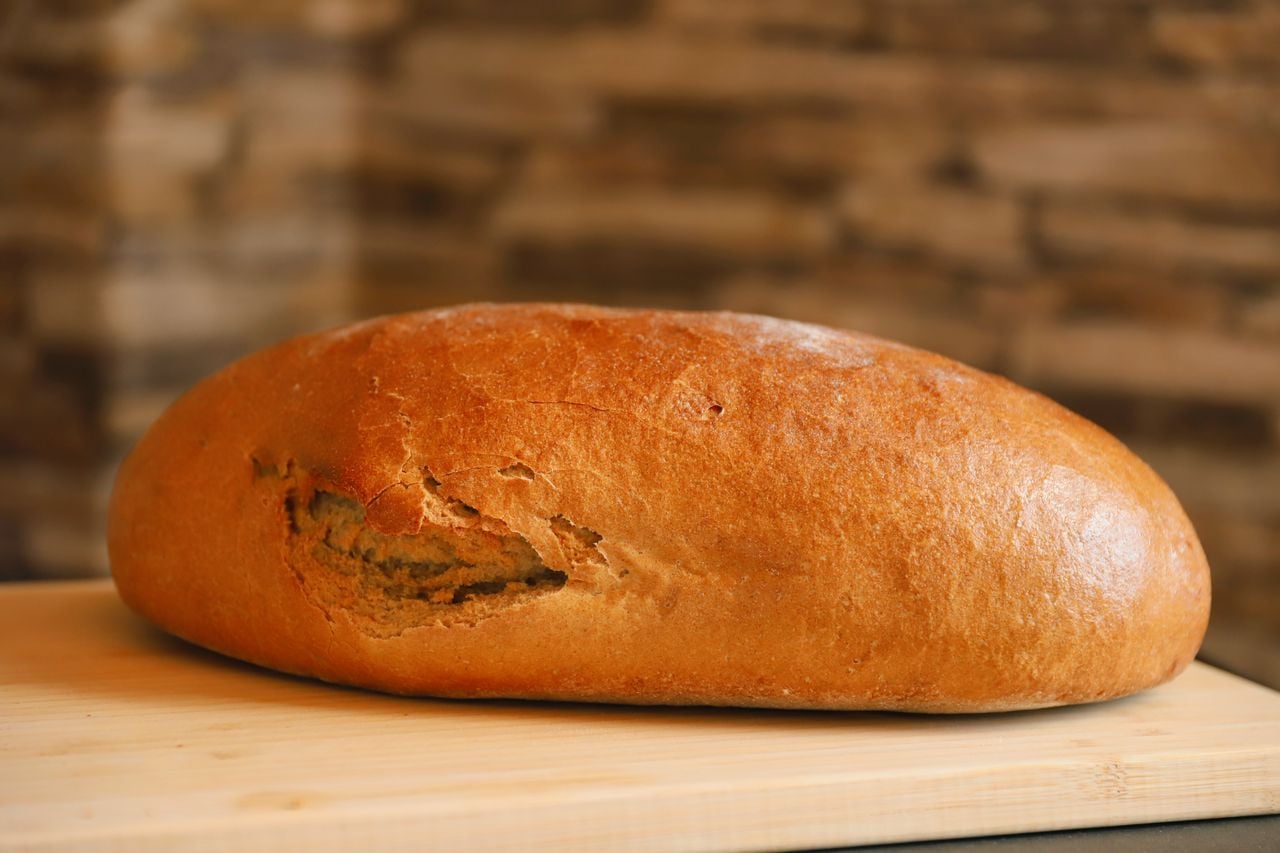
Many bakery breads go stale faster because they are made with simpler ingredient lists and often without the preservatives commonly used in mass produced bread. That can be part of the appeal, especially if you want a loaf with a short, recognizable list of ingredients. Store bought bread is often designed for a longer shelf life, not just a better first day. Ingredients that slow mold and help retain softness give packaged loaves more staying power, even if they do not match the crackly crust and fresh aroma of bakery bread.
Staling is not the same as mold
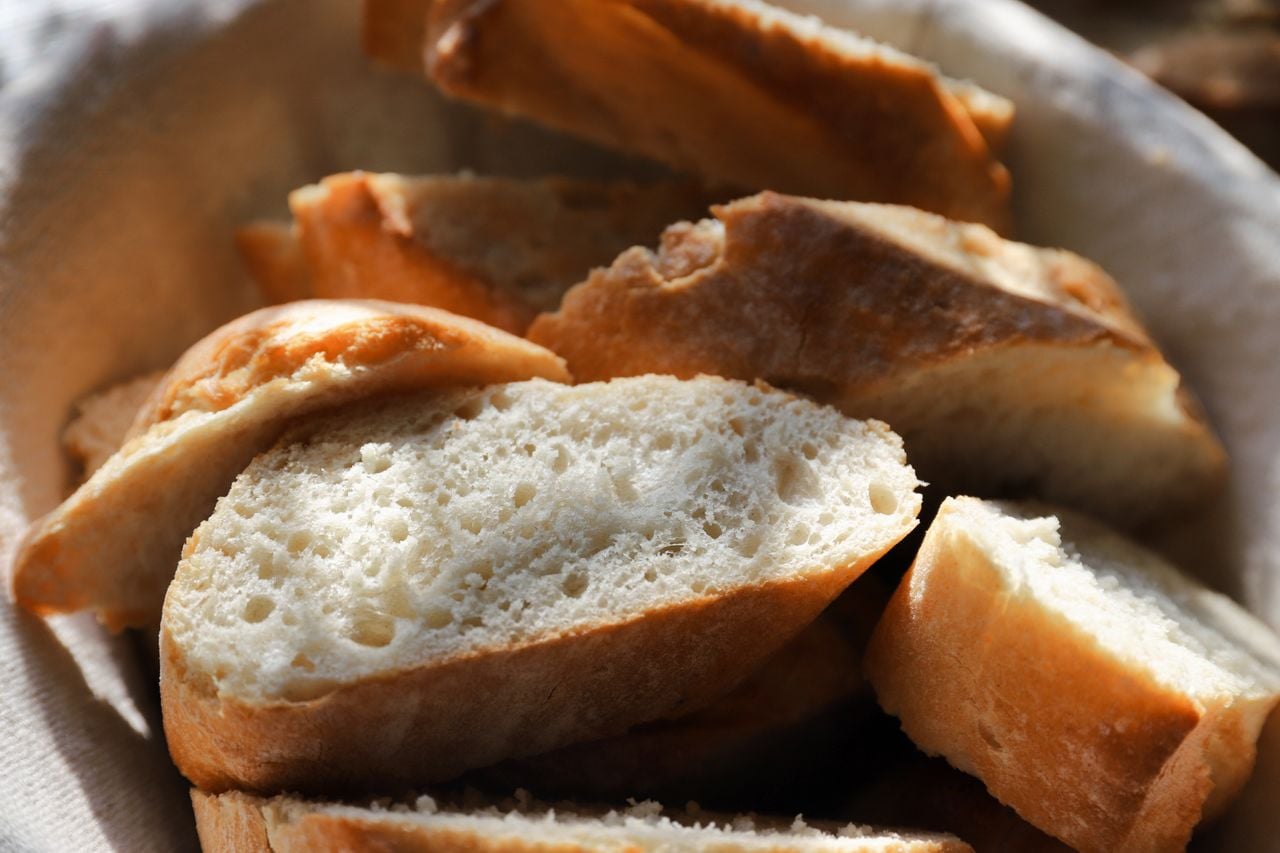
Bread can go stale even when it is still safe to eat. Staling is mostly a texture change, as the crumb becomes firmer and the loaf loses the tender bite it had when it was fresh. That is why a bakery loaf may seem old quickly, even before any visible spoilage appears. Mold is a separate problem tied to microbial growth, while staling is about structure and moisture shifting inside the bread. One makes bread unsafe, the other mostly makes it less pleasant.
The crust that makes bakery bread special
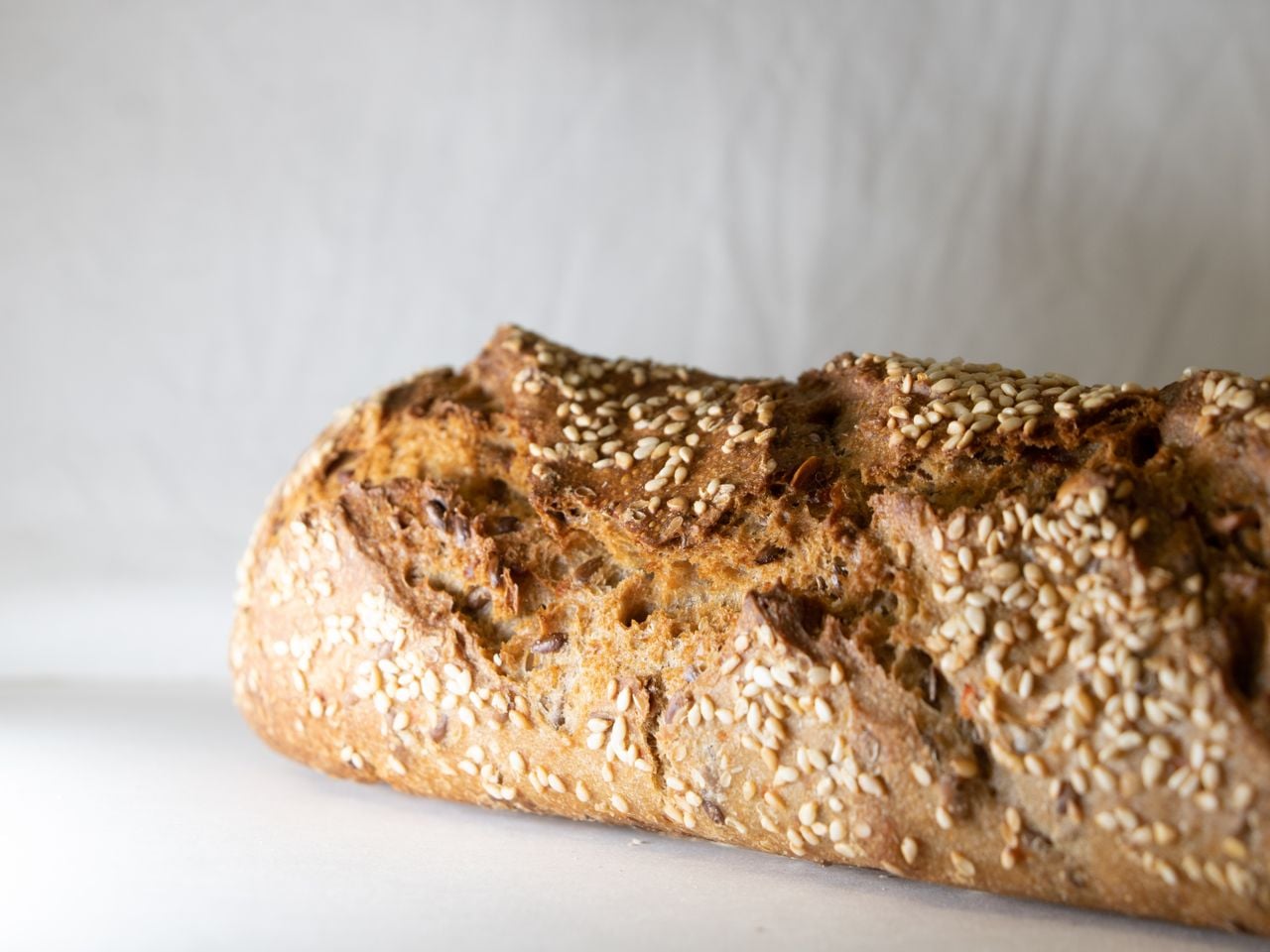
A bakery loaf often starts with a crisp crust and an open, airy interior. That contrast is part of what makes it memorable, but it also means the bread has more textural ground to lose after it leaves the oven. Packaged breads are usually softer all the way through and sealed quickly in plastic, so there is less dramatic change from day one to day three. The very qualities that make a bakery loaf feel fresh and rustic can also make its decline easier to notice.
Air is the enemy on the counter
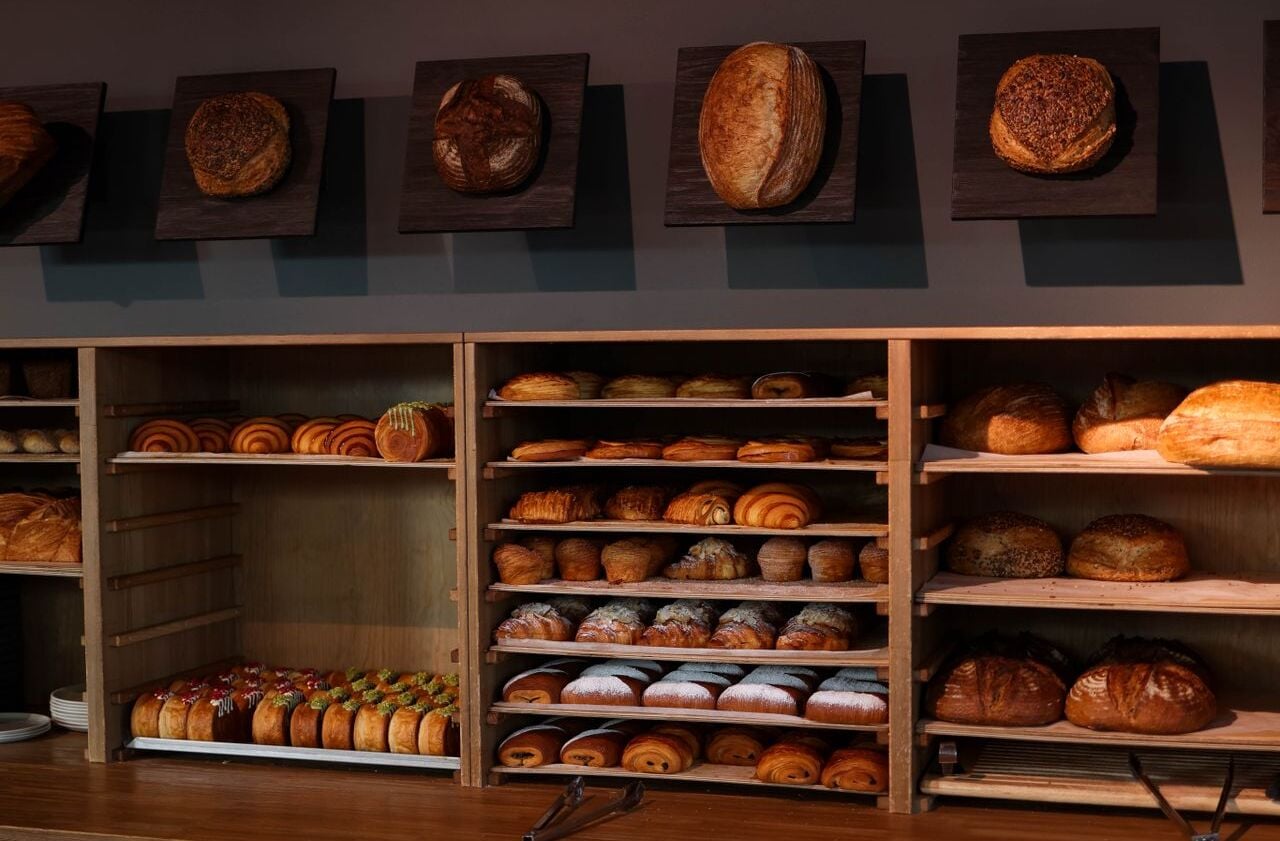
Leaving bread exposed on the counter speeds up the loss of eating quality. A cut side dries out quickly, and even an uncut loaf will lose freshness faster if it is not protected from air. If you plan to finish a bakery loaf within a day or two, a paper bag can help preserve the crust while limiting direct exposure. For a softer result, wrapping the bread well once it is fully cool helps trap moisture. The best choice depends on whether you care more about crunch or softness.
The refrigerator usually makes it worse
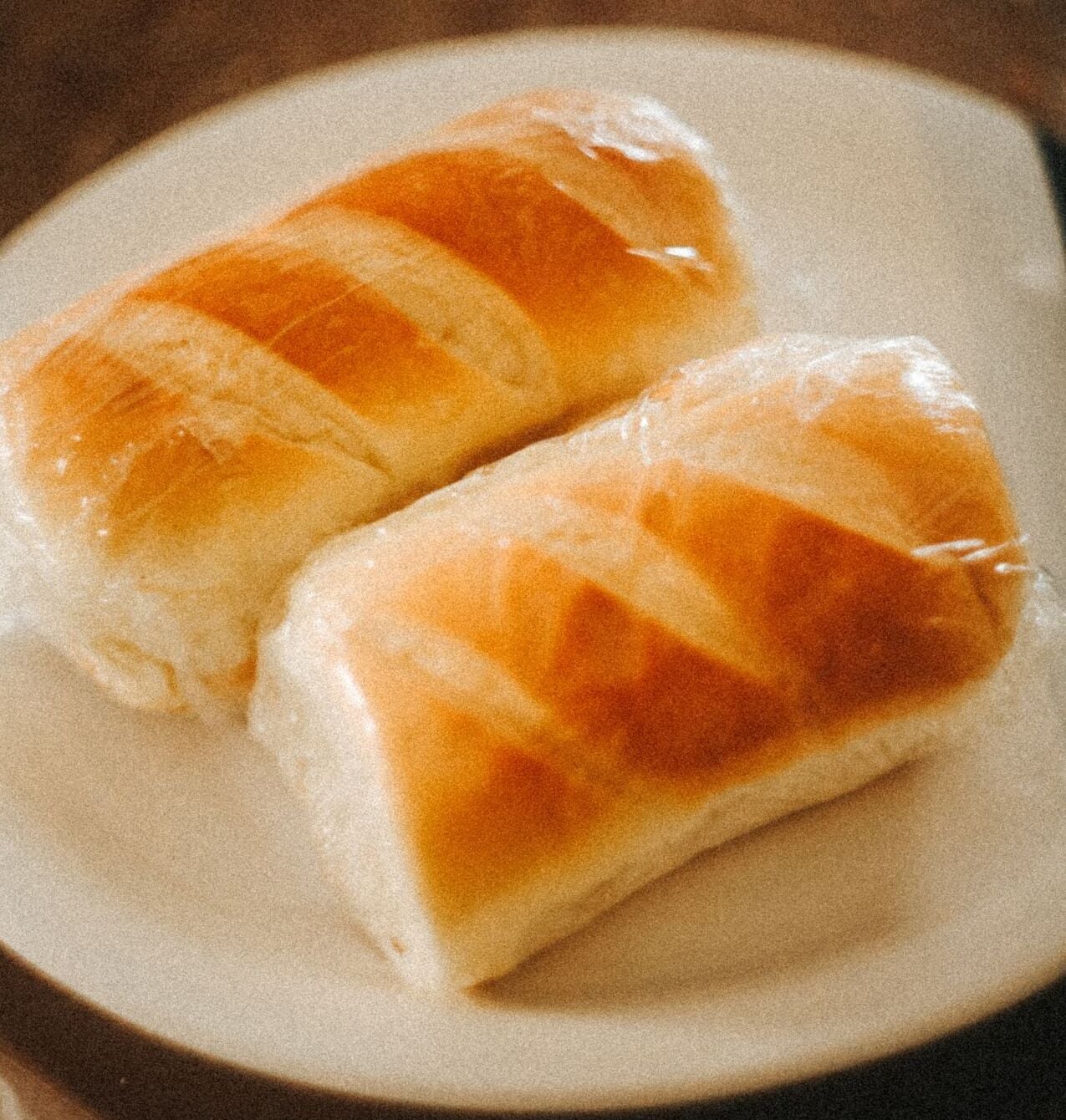
Many people refrigerate bread to make it last, but that often backfires on texture. Cold storage can make bread seem stale faster, especially if your goal is a soft crumb rather than a loaf that simply avoids mold for a little longer. For most bakery bread, room temperature is better for short term storage, and the freezer is better for longer storage. That middle ground, the refrigerator, is often the least satisfying option because it protects freshness poorly while still changing the bread's texture.
Leave a Reply