
Best-before dates are about quality, not always safety. This gallery breaks down common foods that often stay usable past the date on the package, plus a few that are safer to throw away.
Dry pasta
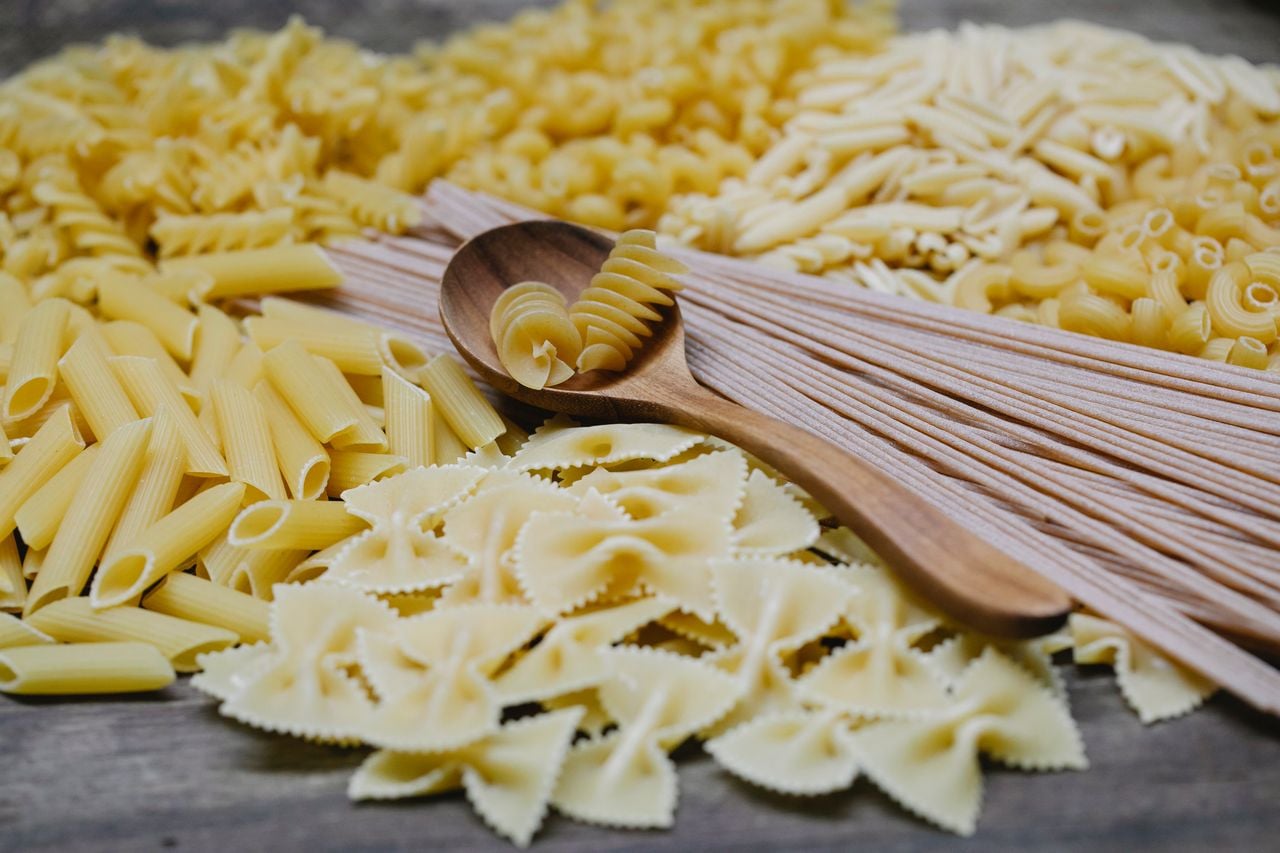
Unopened dry pasta is often fine past its best-before date if it has been kept in a cool, dry place. The date is mainly about peak quality, so the biggest change is usually flavor or texture, not safety. What matters is the condition of the package and the pasta itself. Toss it if you see pantry pests, moisture damage, mold, or a stale, off smell. If it looks dry and clean, it is usually still a reasonable pantry backup.
Canned beans
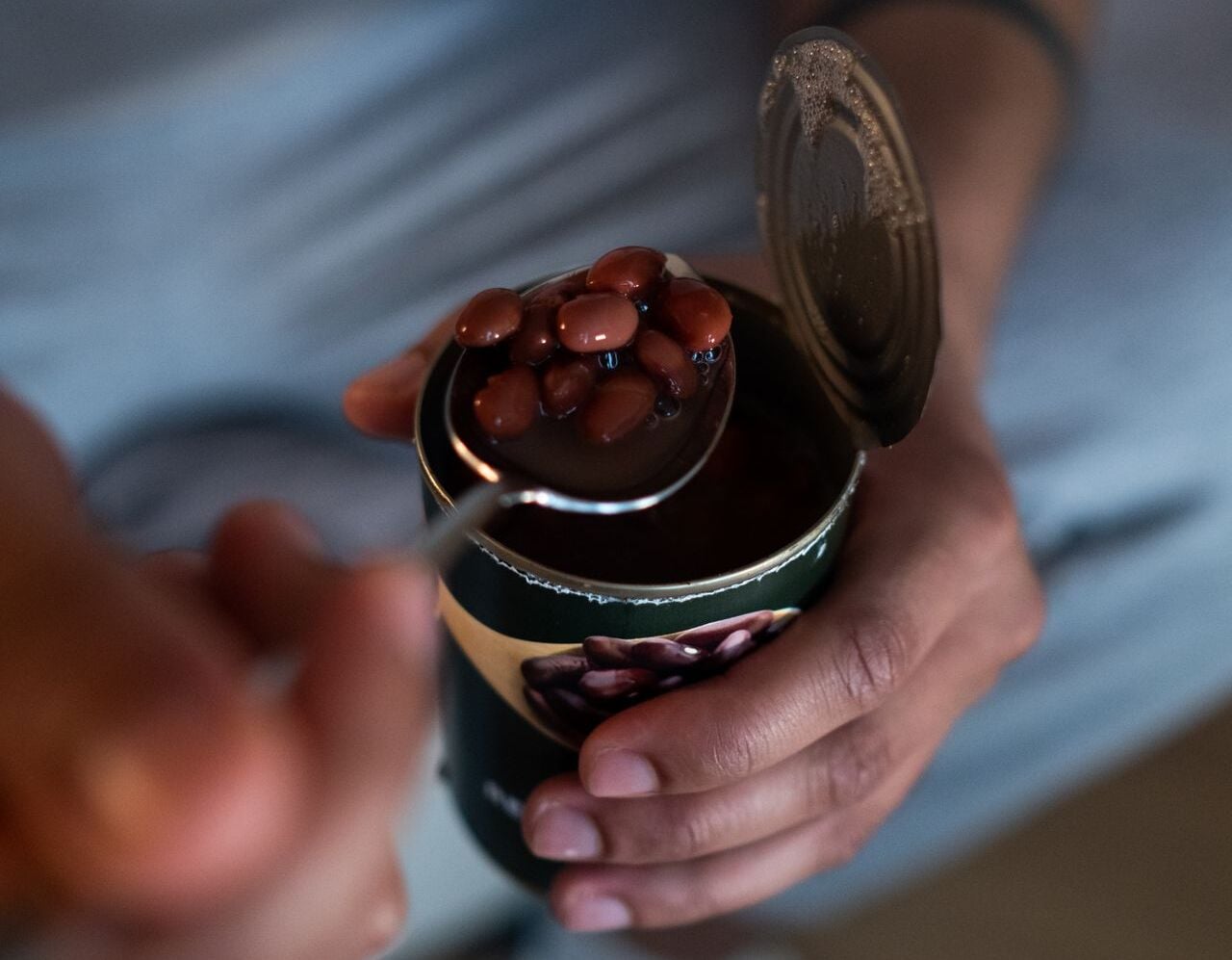
A can of beans can stay usable well beyond its best-before date if the can is in good shape. For canned foods, the printed date usually marks best quality, not a strict safety deadline. The can itself tells you a lot. Throw it out if it is bulging, leaking, badly dented at a seam, or spurts liquid when opened. Those are stronger warnings than the date. If the can is intact and the beans smell and look normal, quality may dip before safety does.
Yogurt
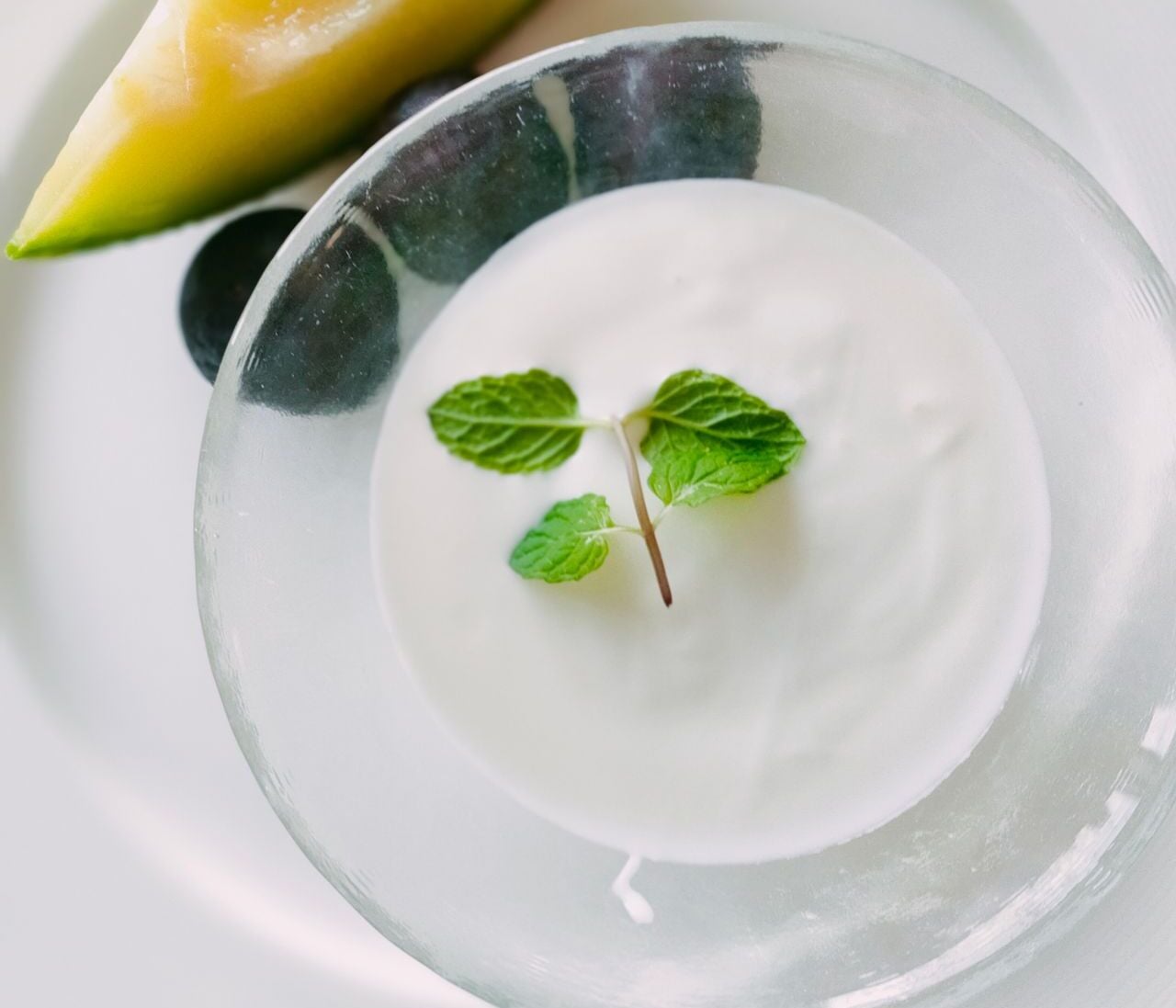
Yogurt often stays good for a short time past its best-before date when it has been consistently refrigerated. Because it is acidic and contains live cultures, it can remain pleasant a bit longer than many people expect. Still, this is not a food to treat casually. Toss it if the lid is swollen, the container leaks, or the yogurt smells sharply off. A little watery separation can be normal, but mold is not. Once you see pink, green, or fuzzy spots, it belongs in the trash.
Eggs
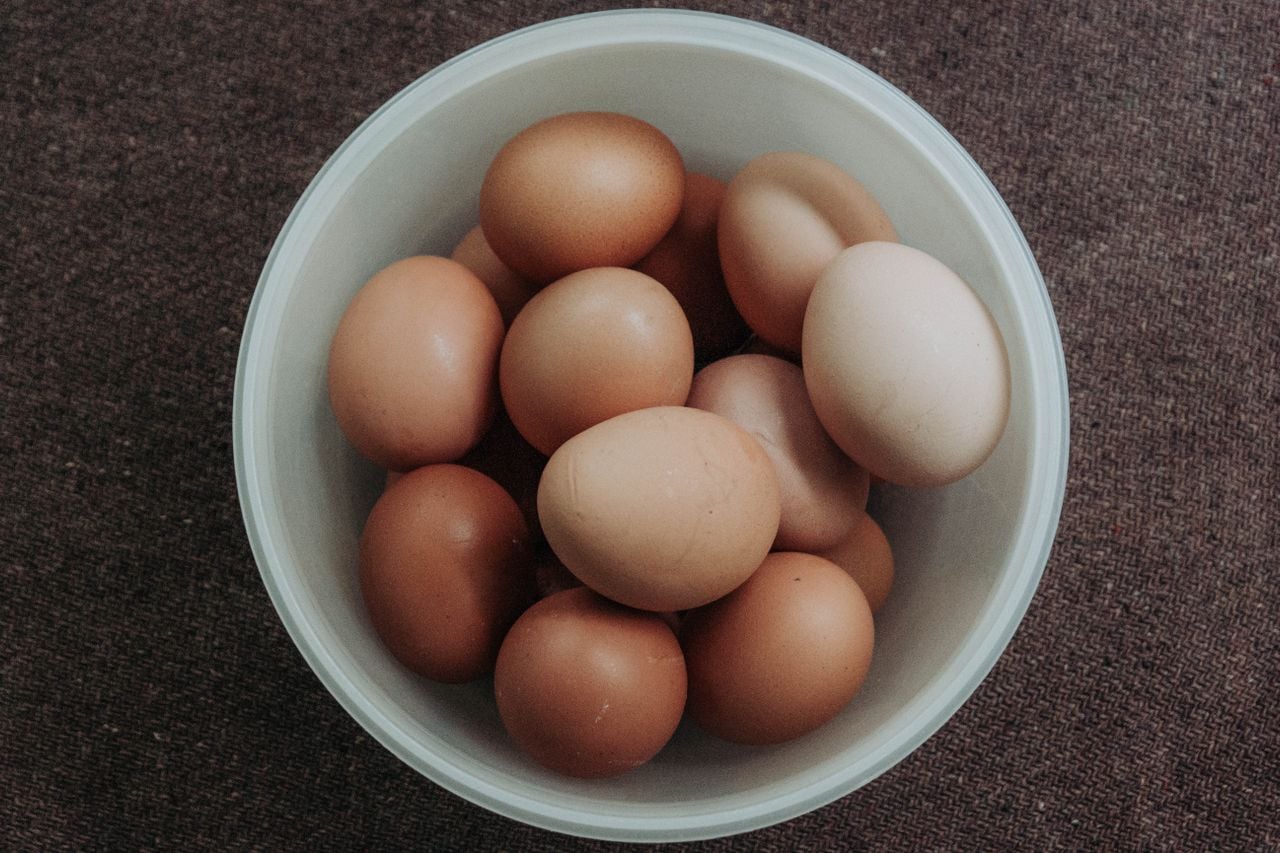
Egg cartons carry dates that can make people nervous, but refrigerated eggs may remain usable after that point. The shell is your first clue. If it is cracked or slimy, the egg should go. A simple check comes after cracking. Fresh eggs smell mild and look normal in the bowl. Spoiled eggs usually announce themselves fast with a strong sulfur smell. If you want another clue before cooking, the float test is popular, but odor and appearance after cracking are more useful for deciding.
Soft berries
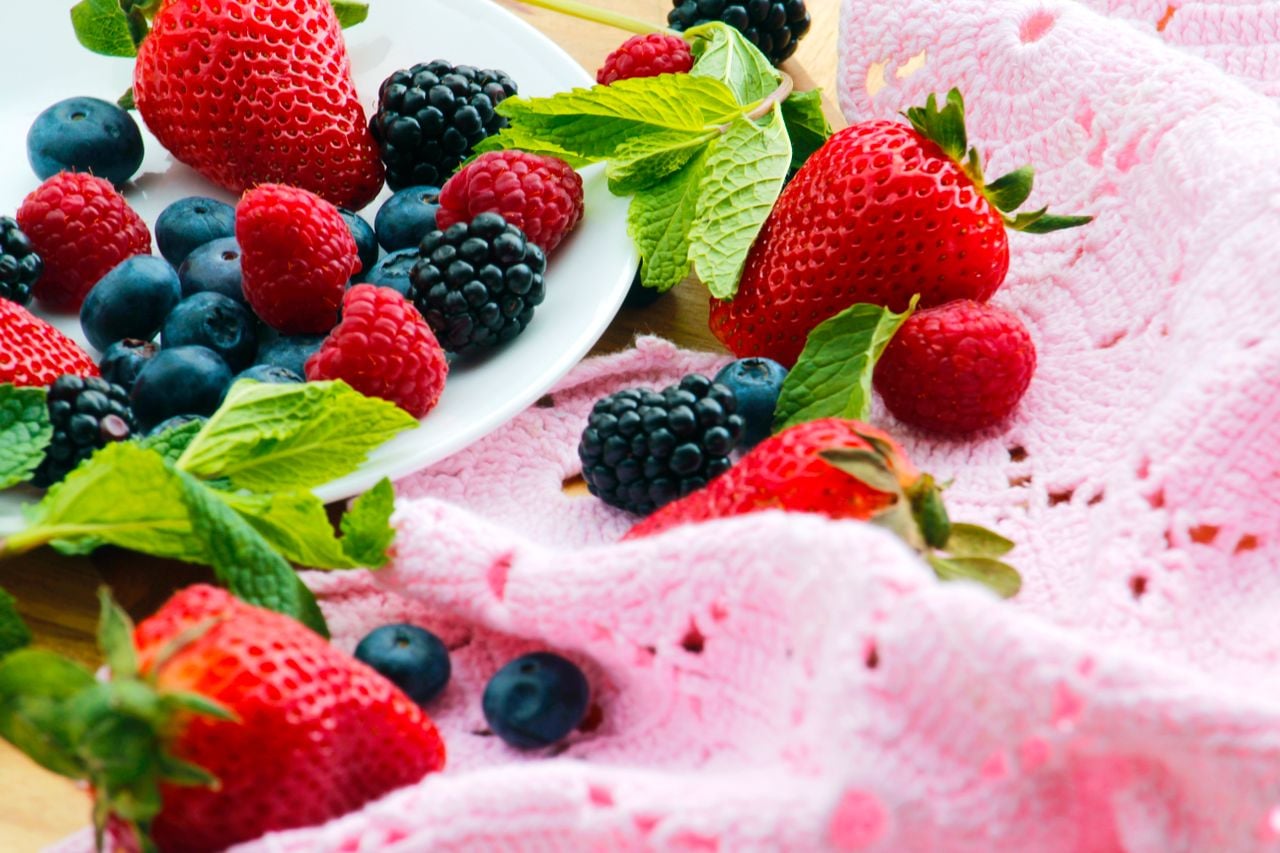
Berries are one of the easiest foods to overestimate once the date passes. They hold a lot of moisture, bruise easily, and can turn quickly from fine to moldy. If one or two berries in a container are damaged, the rest may still be usable right away after sorting. But visible mold, leaking juice, or a fermented smell means the batch is no longer worth saving. With delicate fruit, spoilage spreads fast, so this is a category where tossing sooner is often the safer choice.
Hard cheesE
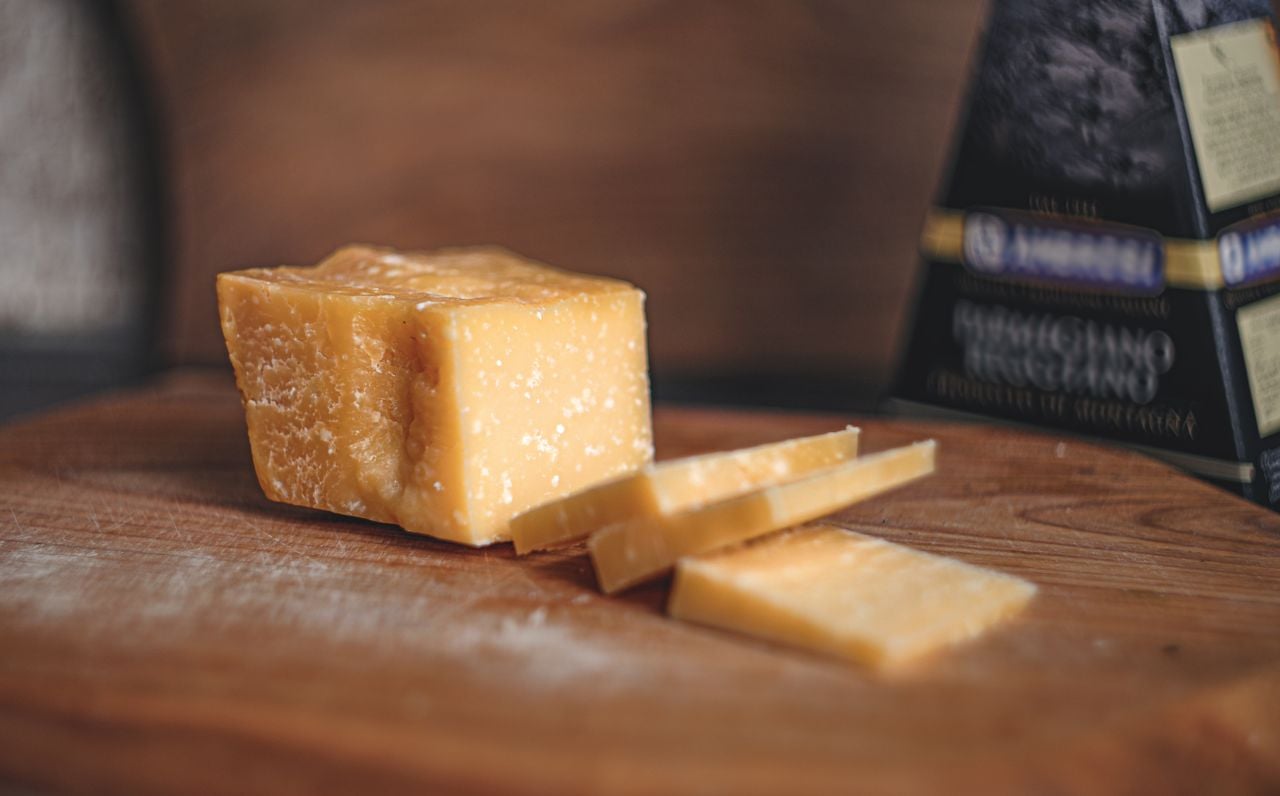
Hard cheeses such as cheddar and Parmesan can be more forgiving than softer dairy products. If a small spot of mold appears on a block, the rest is often still salvageable because mold does not spread through hard cheese as easily. The key is to cut well around and below the moldy area, not just scrape the surface. Soft cheeses are different and should be discarded once mold appears. With hard cheese, texture and smell still matter, so toss it if the whole piece seems damp, rancid, or unusually discolored.

Leave a Reply