
This gallery explains why leftover pizza often turns rubbery, soggy, or dried out, and shows how a skillet can bring back a crisp crust and melty cheese. Readers will learn what goes wrong in the microwave and oven, and how a simple pan method solves both problems.
What changes overnight
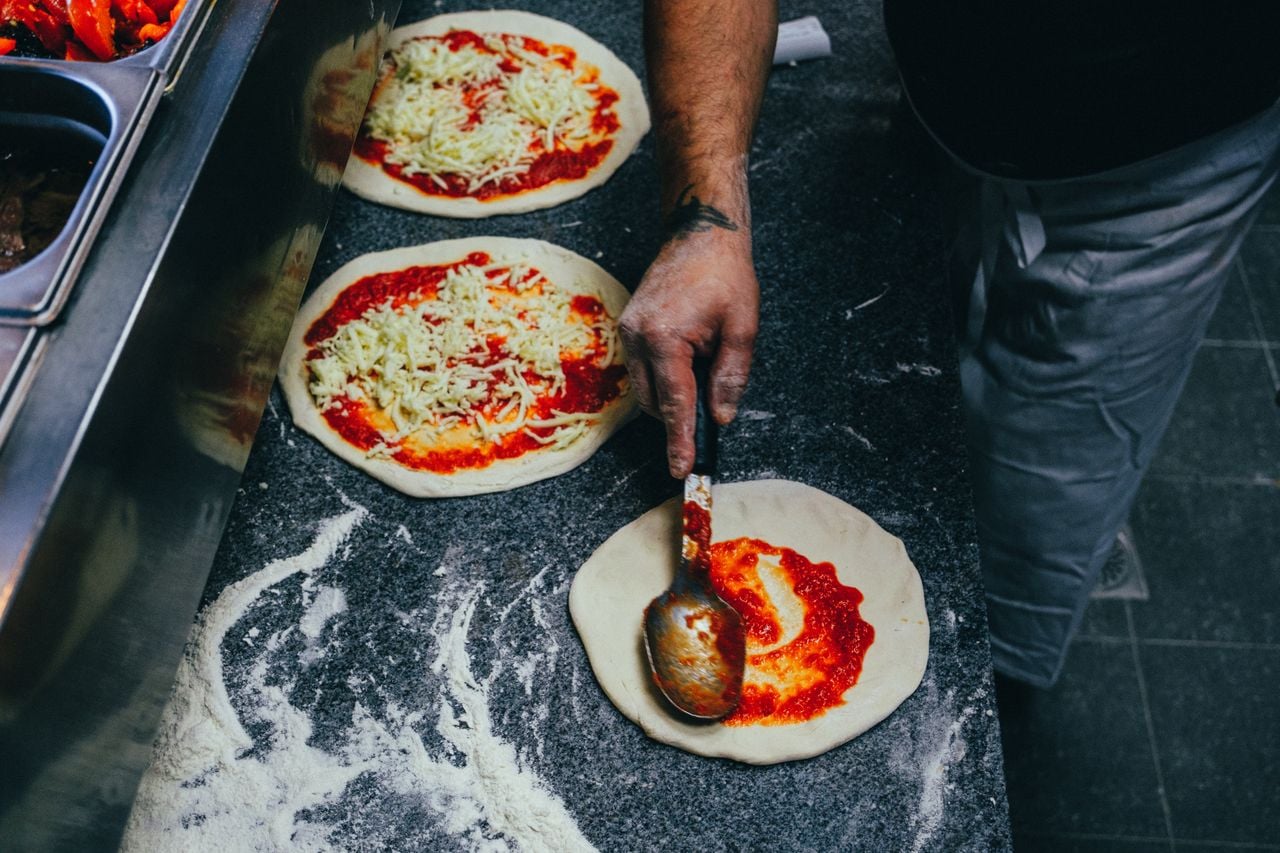
Pizza is a mix of bread, cheese, sauce, and oil, and each part ages differently in the fridge. The crust loses some of its fresh structure as moisture moves from the sauce and toppings into the bread. That shift softens the base while the exposed edges dry out. By the next day, one slice can be soggy in the center and stale at the rim, which is why reheating rarely feels like a simple reset.
Why the microwave disappoints
A microwave heats water quickly, which is part of the problem for pizza. Moisture in the sauce, cheese, and crust turns to steam fast, and that steam gets trapped in the slice instead of helping it crisp. The result is familiar: rubbery cheese, a limp bottom, and a crust that can turn chewy within minutes. The slice gets hot, but the texture moves in the wrong direction because microwaves do not dry and brown the base.
Why the oven misses the mark
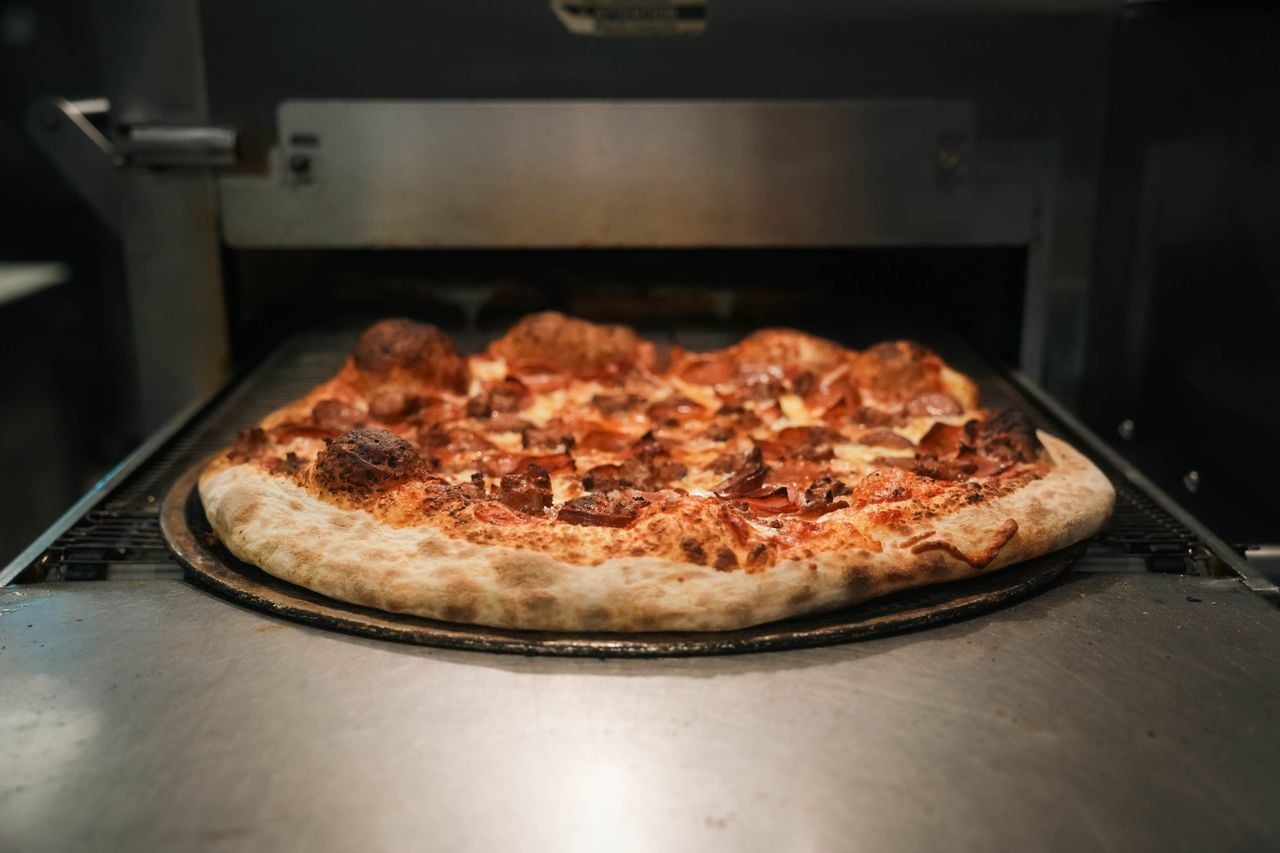
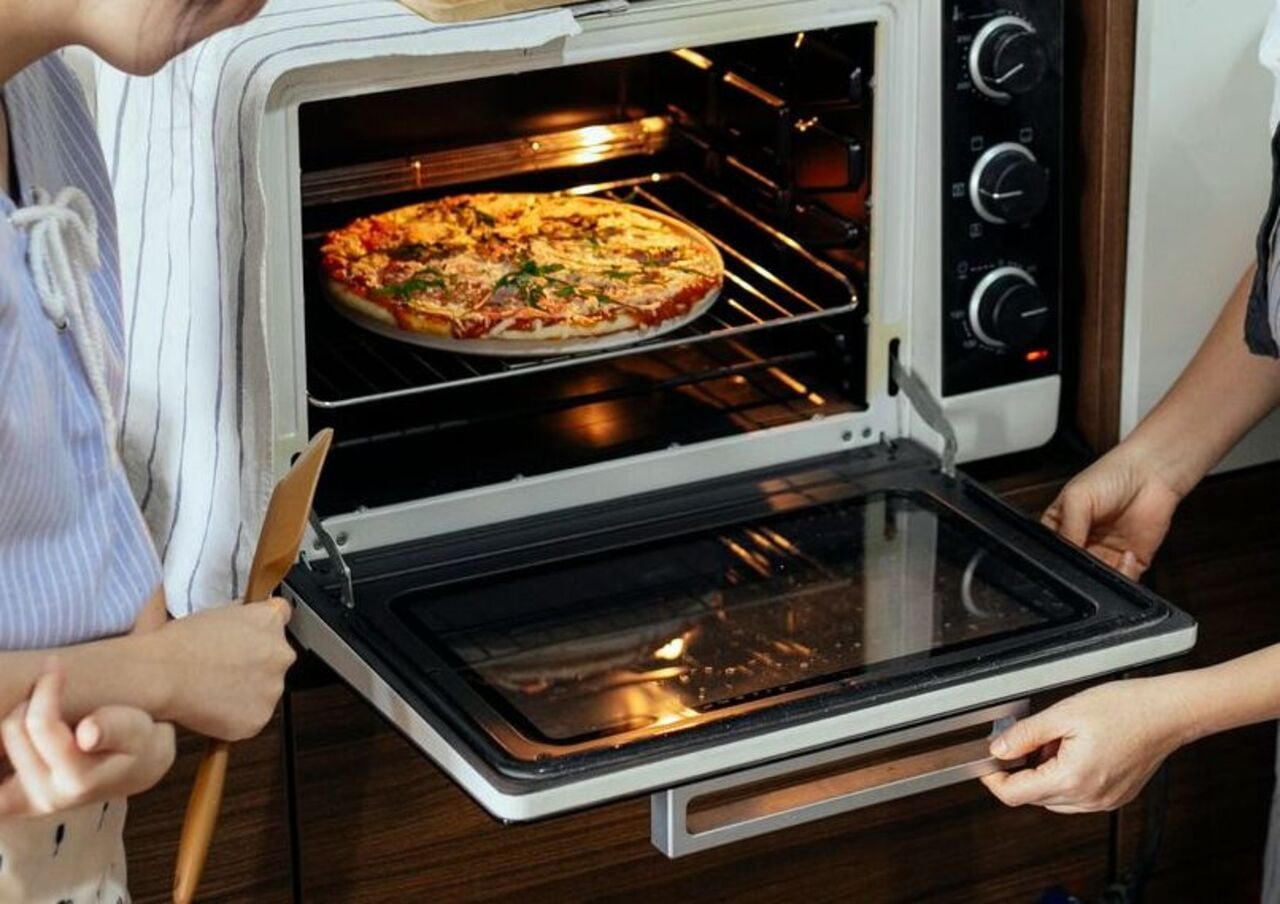
The oven can crisp pizza better than a microwave, but it often creates a different problem. Dry heat works slowly enough to restore some crunch, yet it can also overcook the outer crust before the cheese and center feel fully revived. That is especially true for a single cold slice. By the time the top is bubbling again, the edges may be too hard and the bottom may still lack the fresh contrast between crisp crust and soft interior.
How the skillet solves both textures
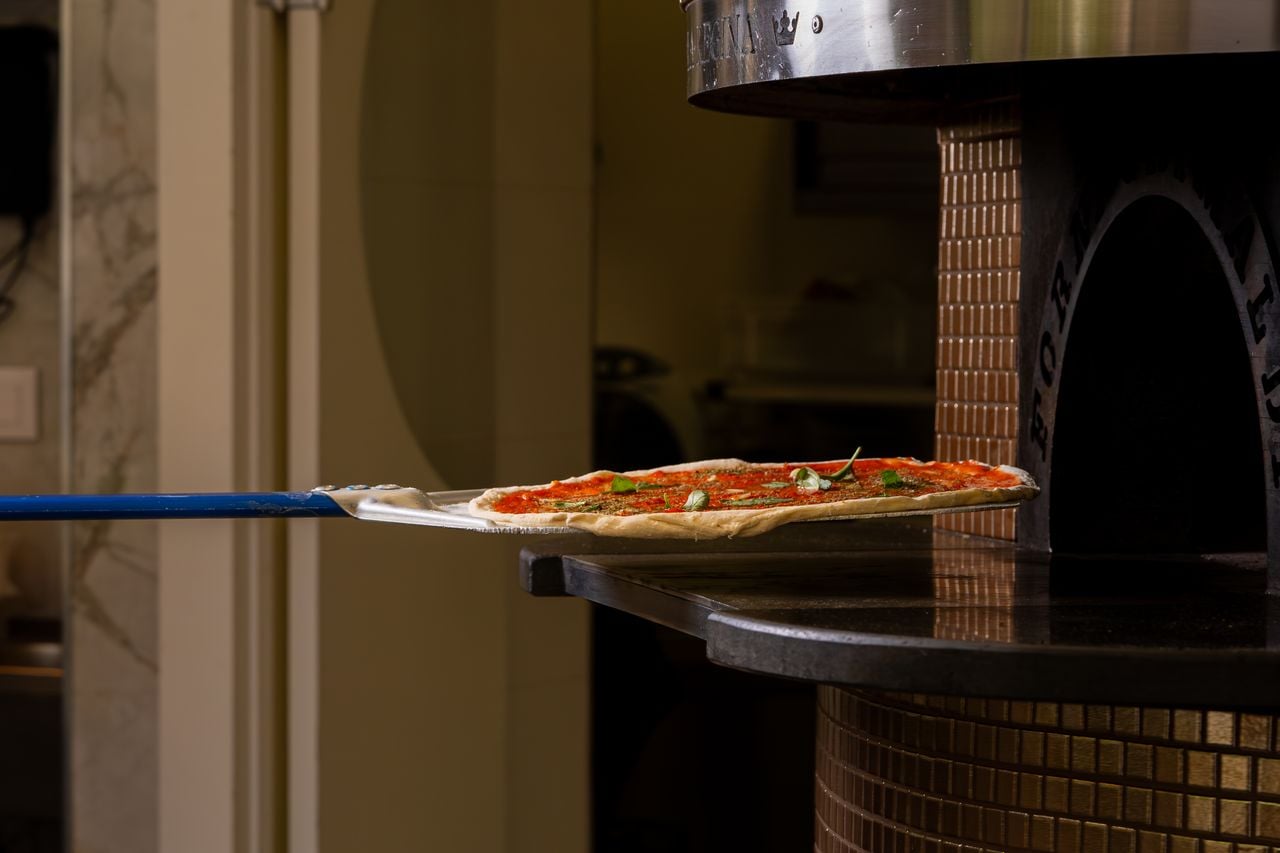
A skillet reheats pizza from the bottom first, which helps the crust crisp where it matters most. The direct contact with the hot pan restores browning and drives off excess moisture from the base instead of trapping it. At the same time, covering the pan for part of the process lets gentle steam warm the cheese and toppings. That balance is the key: crisp heat underneath, softer heat above. It brings the slice closer to its original texture than most quick methods.
The simple pan method
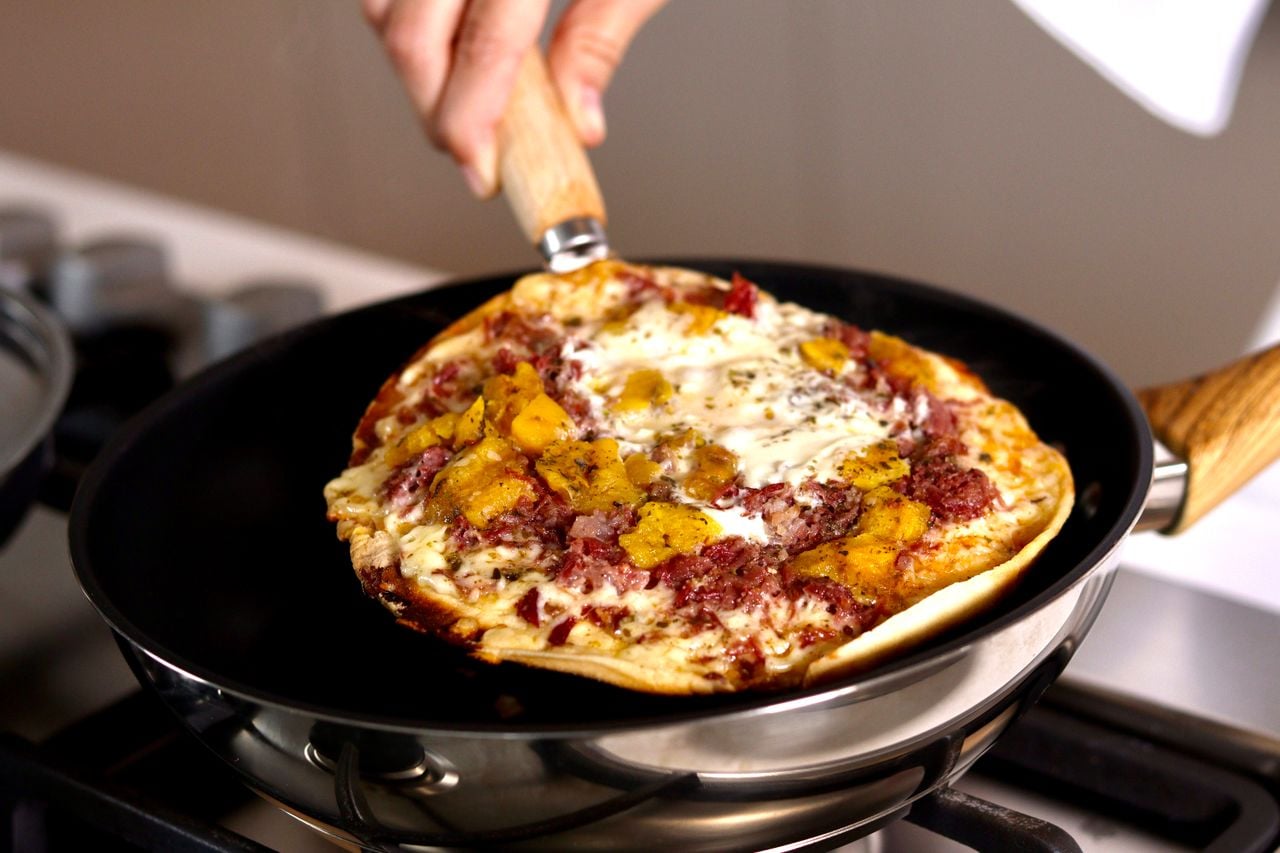
Start with a nonstick or cast iron skillet over medium or medium low heat. Place the slice in the dry pan and let the bottom warm until it starts to crisp, then add a few drops of water away from the pizza and cover the pan. The water creates steam, which loosens and remelts the cheese without soaking the crust. In a short time, the base turns crisp, the top heats through, and the slice tastes balanced instead of dried out or floppy.

Leave a Reply