
Many air fryers have a dehydrator mode that gets far less attention than fries, wings or reheated leftovers. This gallery explains what that setting does, how it works and the kinds of foods it handles best.
The dehydrate setting
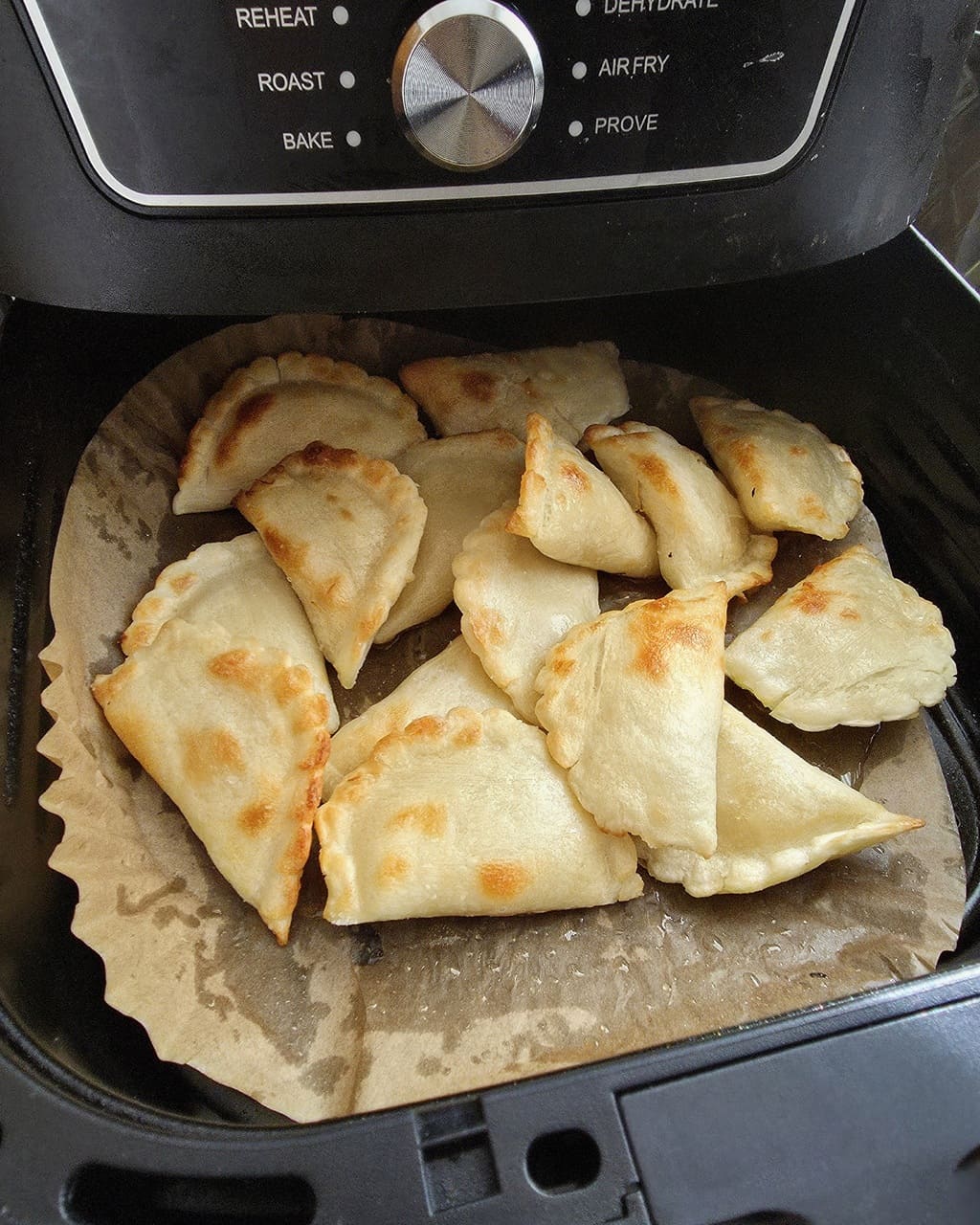
On air fryers that include it, dehydrate is designed for a very different job than air frying. Instead of blasting food to brown the outside, it runs at a lower heat for a longer stretch of time so moisture can slowly evaporate. That matters because dehydration is about preservation and texture, not crunch in the usual fried sense. The result can be apple chips, dried herbs or homemade jerky, all made in a machine many people use only for dinner shortcuts.
Apple chips
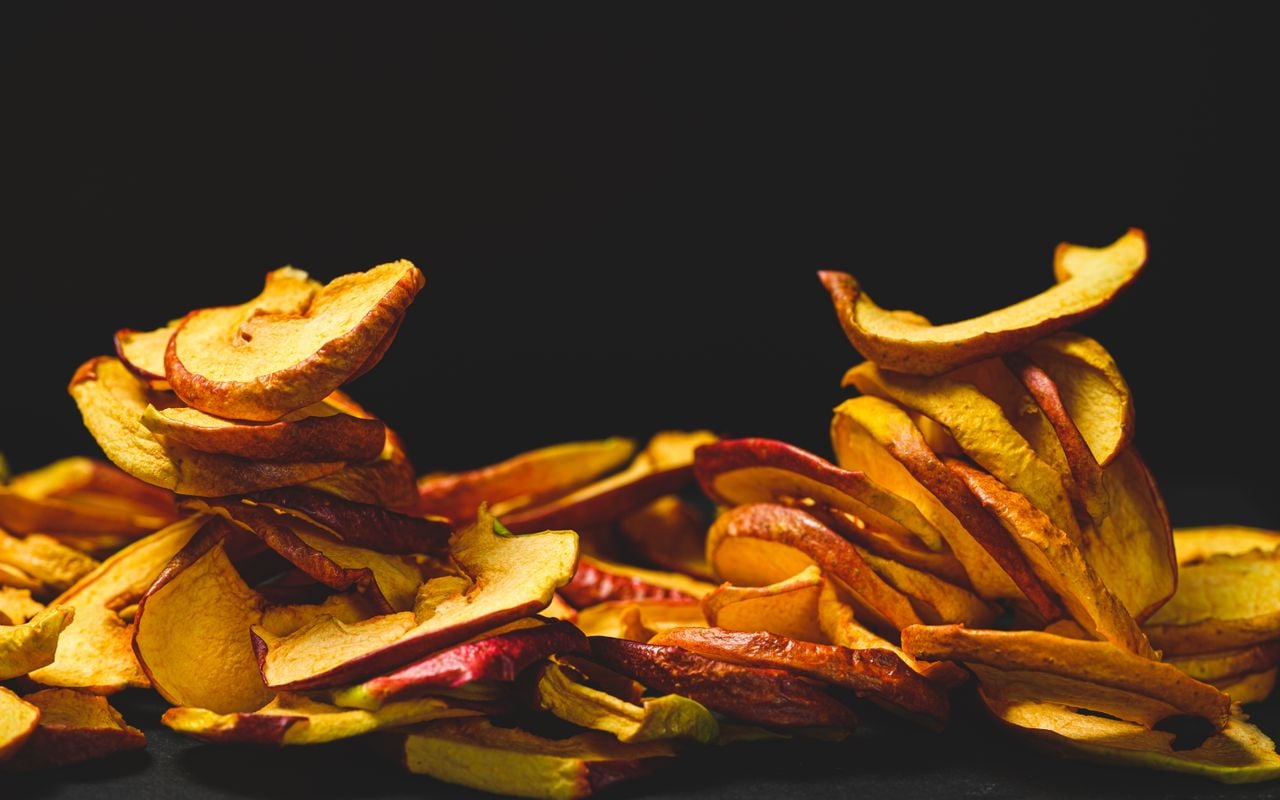
Thin apple slices are one of the easiest ways to see what this setting can do. As water leaves the fruit, the slices shrink, turn lightly leathery or crisp at the edges, and taste sweeter because the flavor becomes more concentrated. They are also highly photographable, which makes them a natural first project for beginners. A batch of evenly sliced apples laid in a single layer shows the basic rule of dehydration: good airflow and patience matter more than high heat.
Fresh herbs
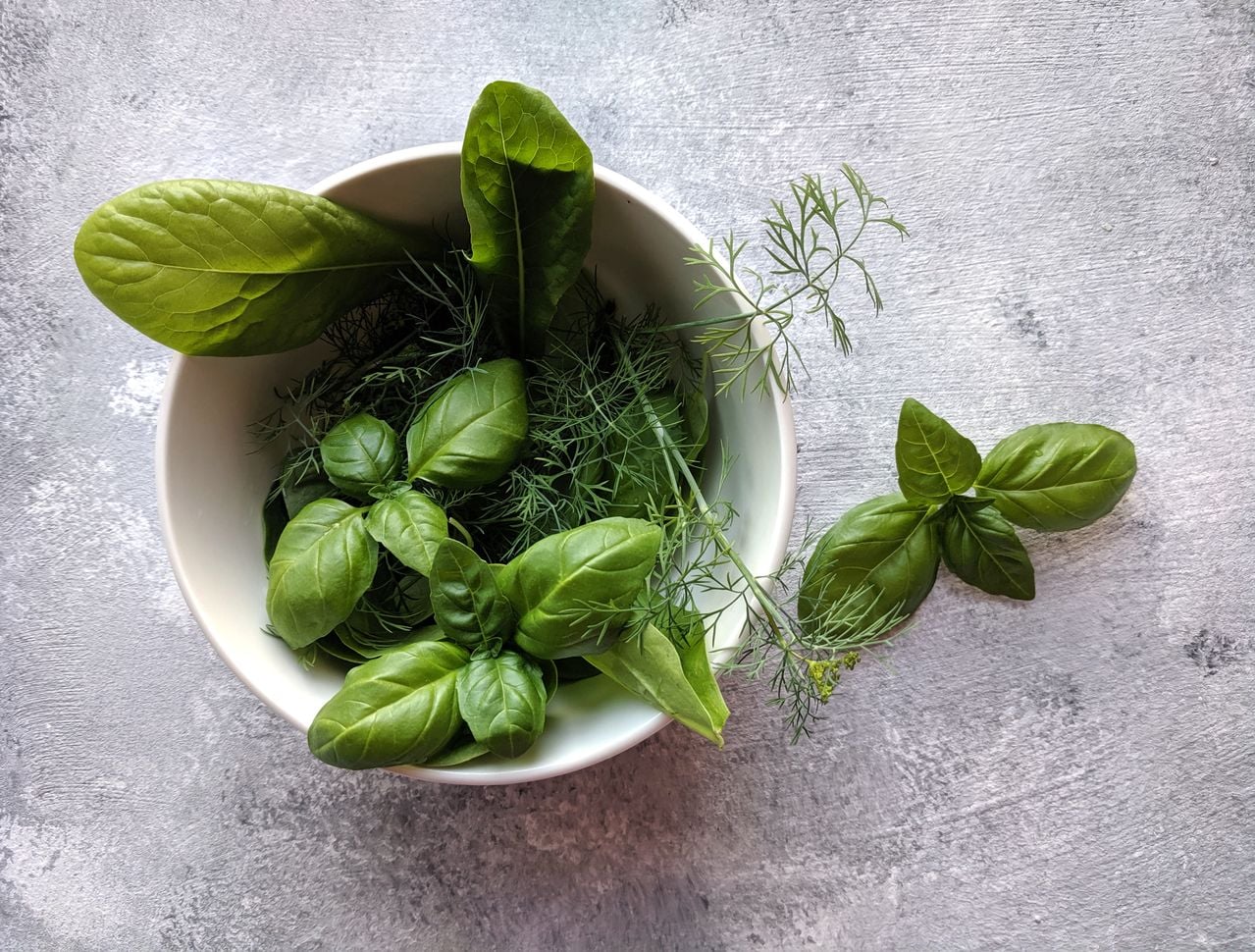
Delicate herbs are another smart use for the setting, especially if you bought a bunch for one recipe and have leftovers fading in the fridge. Low heat can dry parsley, thyme, oregano or mint so they last longer and are ready for soups, marinades and dressings. This works best when the leaves are dry to begin with and spread out so they are not clumped together. Once brittle, they can be crumbled and stored, giving you a practical way to save flavor that might otherwise be wasted.
Beef jerky
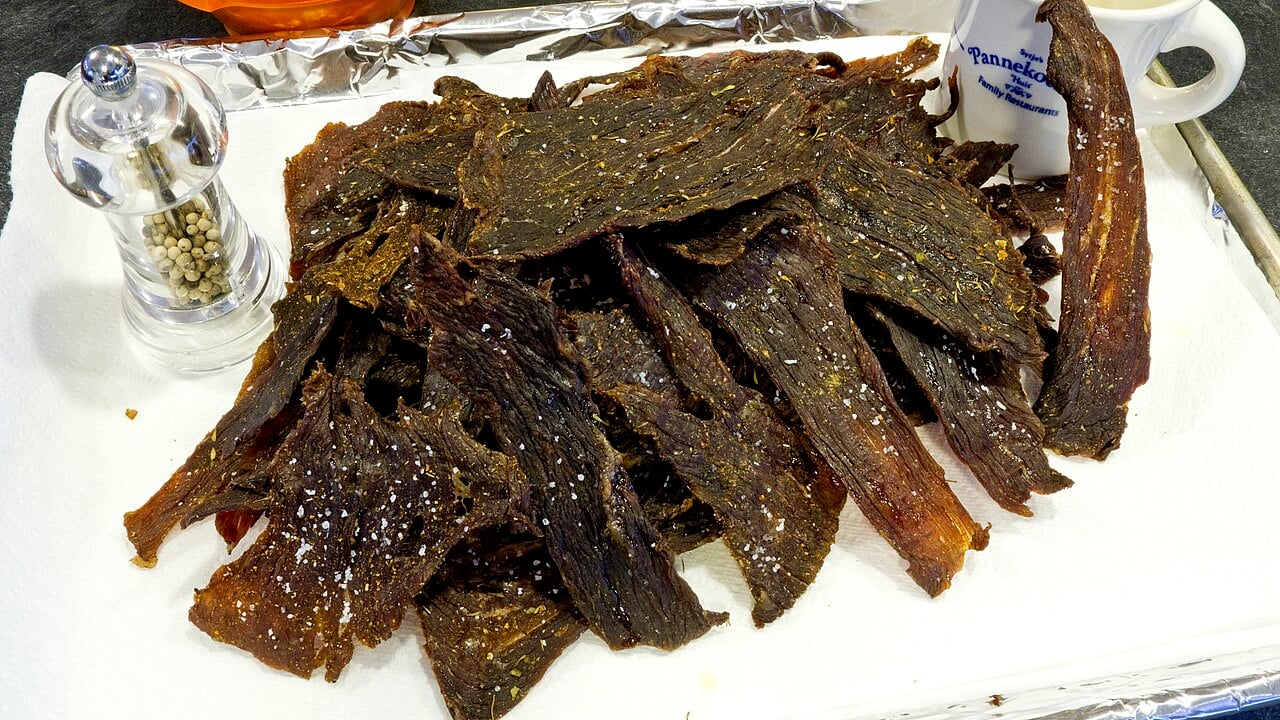
Jerky is where the dehydrate setting starts to feel less like a bonus and more like a serious kitchen tool. Thin strips of marinated beef can dry gradually until they become chewy, savory and shelf friendlier than fresh meat. Because meat safety depends on temperature, thickness and handling, this is also the project that rewards careful reading of your air fryer manual and your recipe instructions. Done properly, it turns an appliance known for convenience foods into one that can produce a classic preserved snack at home.
Citrus rounds
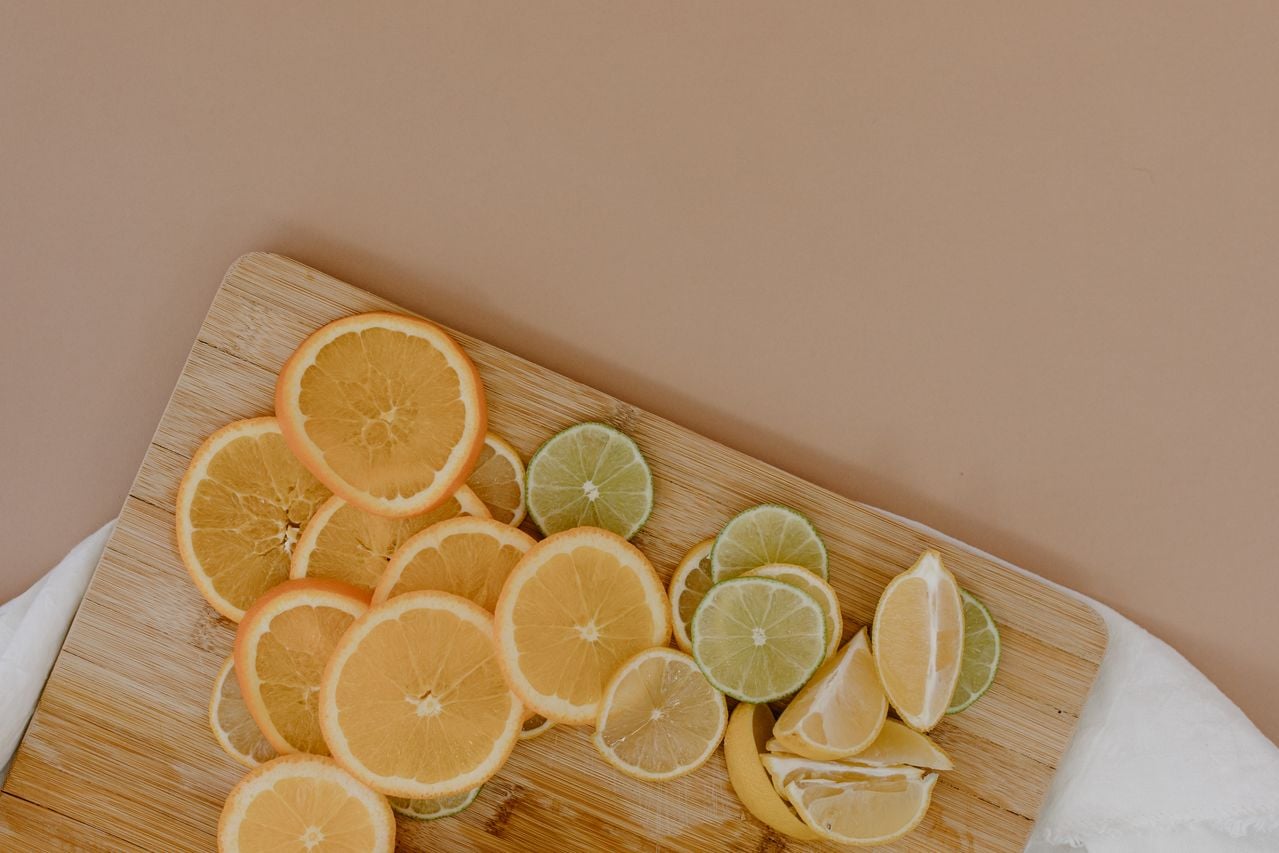
Orange, lemon and lime slices dry into translucent rounds that work as snacks, drink garnishes or edible decoration. They are a standout visual example of dehydration because the fruit keeps its shape while the moisture leaves, creating a jewel toned look that is easy to pair with a single striking image. Beyond appearance, drying citrus softens the sharp burst of fresh juice and leaves a more concentrated bittersweet flavor. It is one of the clearest reminders that this setting can be useful for presentation as much as preservation.



Leave a Reply