
A routine dinner question now carries unexpected social weight. Asking for separate checks has become a small but revealing flashpoint about money, manners, and modern dining.
What changed in a once-simple request

For decades, separate checks were treated as ordinary in many casual restaurants, especially for group lunches, coworker meals, and first dates. The request signaled practicality, not conflict. People ordered what they wanted and paid their own share.
That simplicity has eroded because dining out has changed. Restaurants now operate with thinner margins, leaner staffing, and faster table turnover expectations. A task that once felt minor can disrupt a tightly timed service flow.
Payment habits also shifted. Digital wallets, tap-to-pay cards, and peer-to-peer apps made consumers expect individualized payment everywhere. Diners increasingly assume restaurants should match the convenience they experience in retail, ride-sharing, and delivery apps.
At the same time, etiquette softened around money talk. Younger diners are often more direct about budgets and less willing to subsidize someone else's expensive cocktail, appetizer, or dessert. What sounds practical to one person can sound petty or cumbersome to another.
Why servers and restaurants often resist it
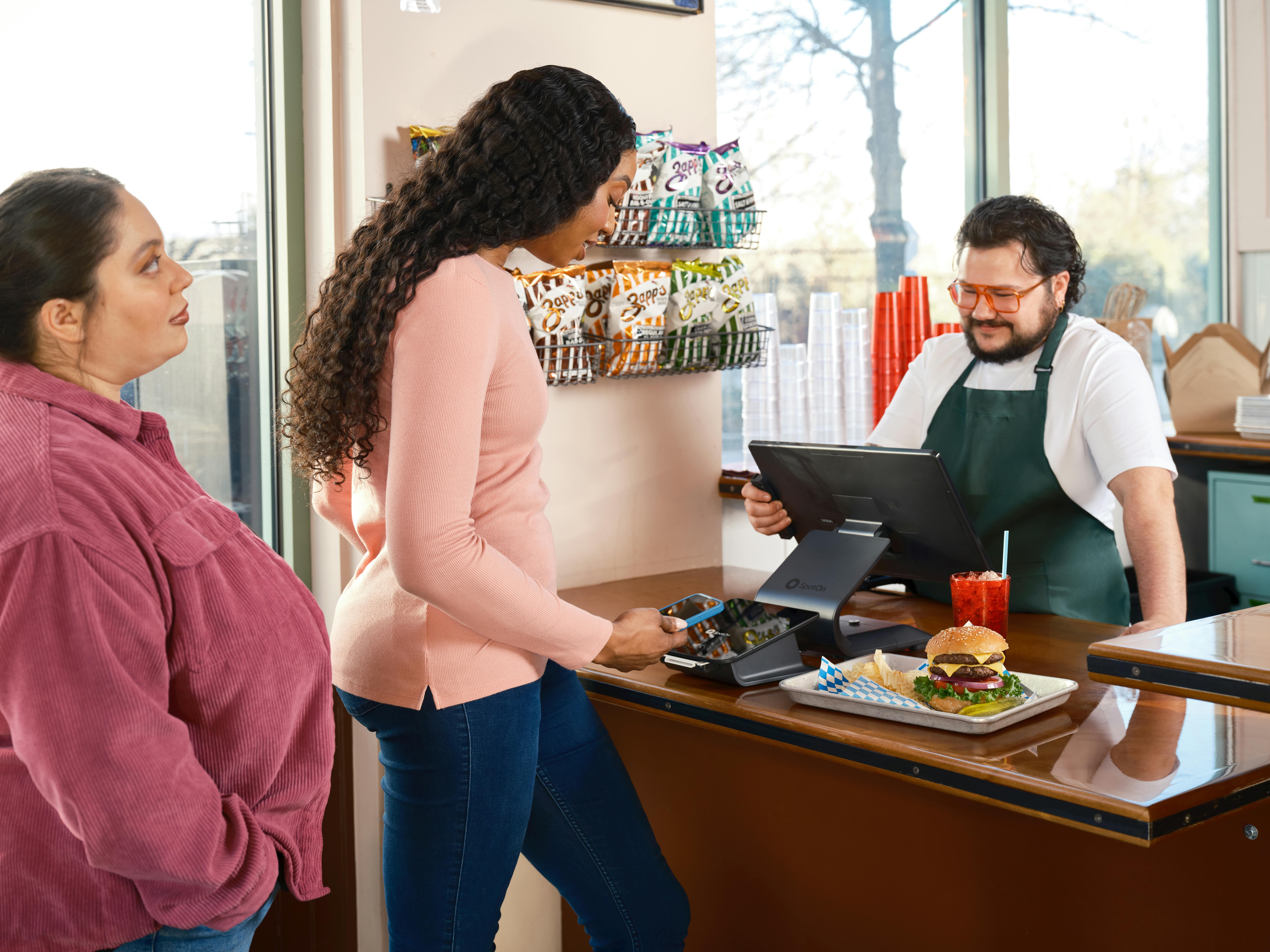
Behind the controversy is a basic operational reality. Splitting checks can take extra time, especially when a table has shared plates, multiple rounds of drinks, substitutions, and people moving seats or adding items informally.
Point-of-sale systems vary widely. Some modern systems divide items quickly, but others require manual reassignment, recalculating taxes, and re-running cards one by one. During a rush, that can slow service for several tables, not just one.
Labor economics matter too. The National Restaurant Association has repeatedly noted staffing strain across the industry in recent years. When one server manages many tables, even a few extra minutes per party can affect tips, pacing, and kitchen coordination.
Some owners also worry about disputes. Once a bill is split, guests may challenge who ordered what, whether shared items were allocated fairly, or how gratuity should be divided. What begins as a convenience can become an awkward negotiation at the table and at the terminal.
Why diners see separate checks as a fairness issue
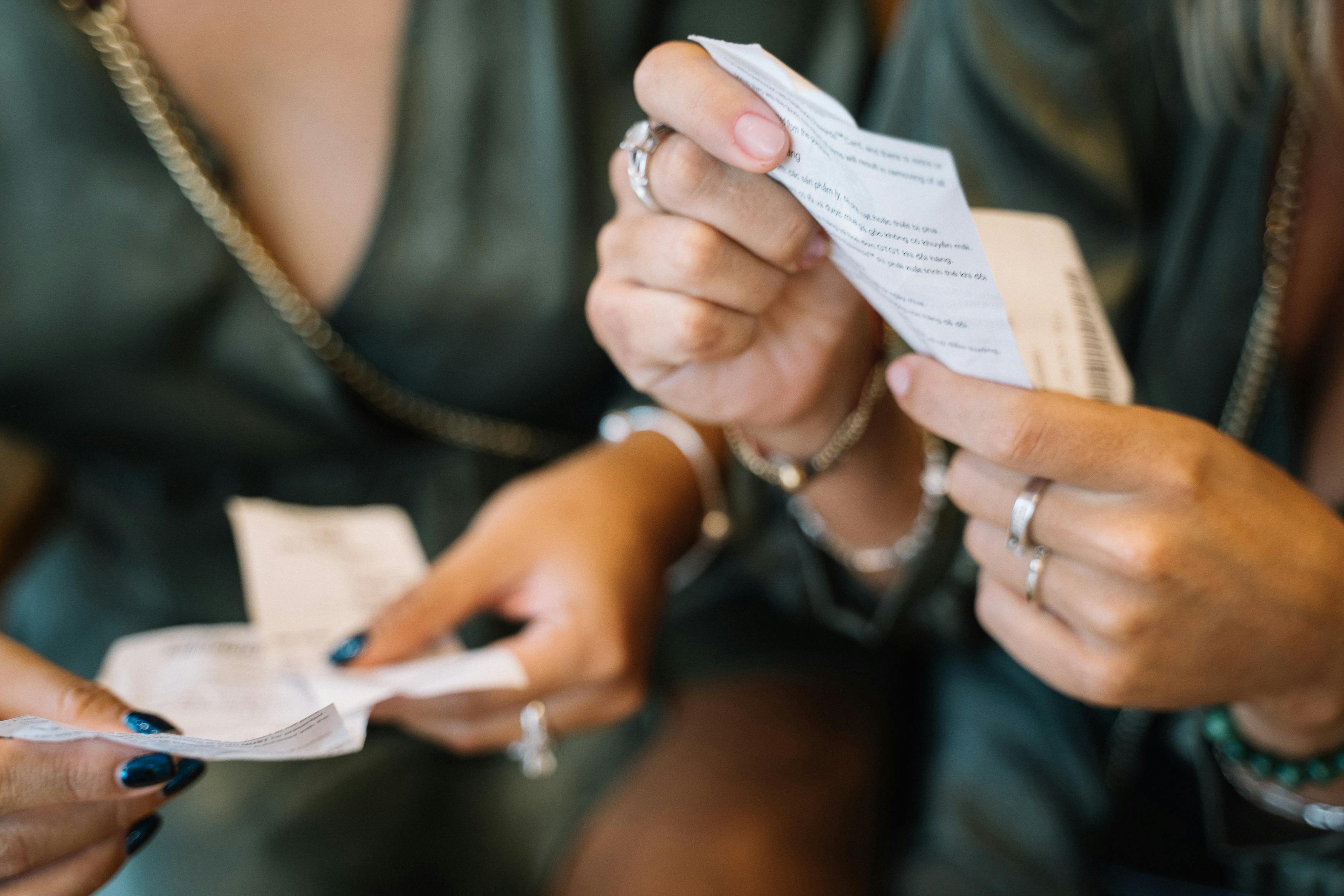
For many guests, separate checks are not about stinginess. They are about precision, especially when restaurant prices have risen sharply and one extra entrée, cocktail, or dessert can meaningfully change what someone owes.
This is particularly true for younger adults managing rent, student loans, childcare costs, or uneven incomes within a friend group. A diner who ordered a salad and water may reasonably resist splitting evenly with someone who ordered steak and several drinks.
Social norms have changed around dating as well. Many people now prefer financial clarity early on. Separate checks can reduce assumptions, avoid performative generosity, and sidestep debates over gender roles that once shaped expectations around who should pay.
Group dining creates even more friction. Birthdays, office meals, and reunion dinners often involve shared starters and uneven consumption. In those moments, asking everyone to divide the total evenly may feel simpler, but not always fair, especially to the lightest spender.
The etiquette problem hiding underneath the math
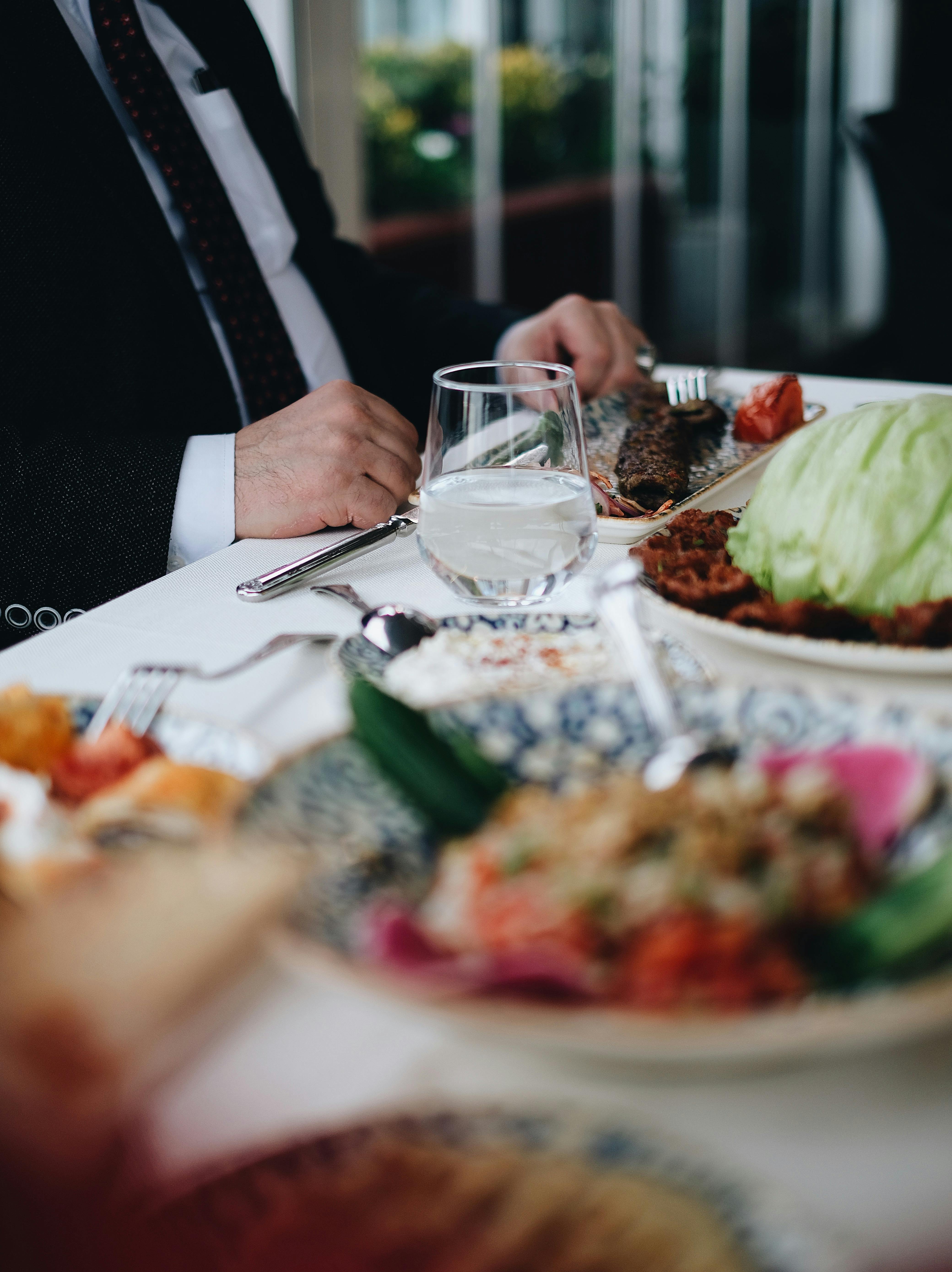
The deepest tension is not arithmetic but meaning. Separate checks can be interpreted in opposite ways: as respectful transparency or as a sign that the meal lacks warmth, trust, or communal spirit.
Context changes everything. At a business lunch, separate checks may look inefficient or unusual if one host clearly invited the others. At a casual brunch among friends, the same request may seem entirely normal and even expected.
Timing matters too. Many etiquette experts say the least awkward moment is before ordering, not when the server drops the bill. Early notice helps the restaurant plan and prevents the request from sounding reactive or resentful.
Tone is equally important. A calm, matter-of-fact request usually lands better than a dramatic one. The controversy often comes less from the act itself than from the way it exposes anxieties about status, generosity, and whether everyone at the table shares the same assumptions.
How technology solved part of the problem, not all of it
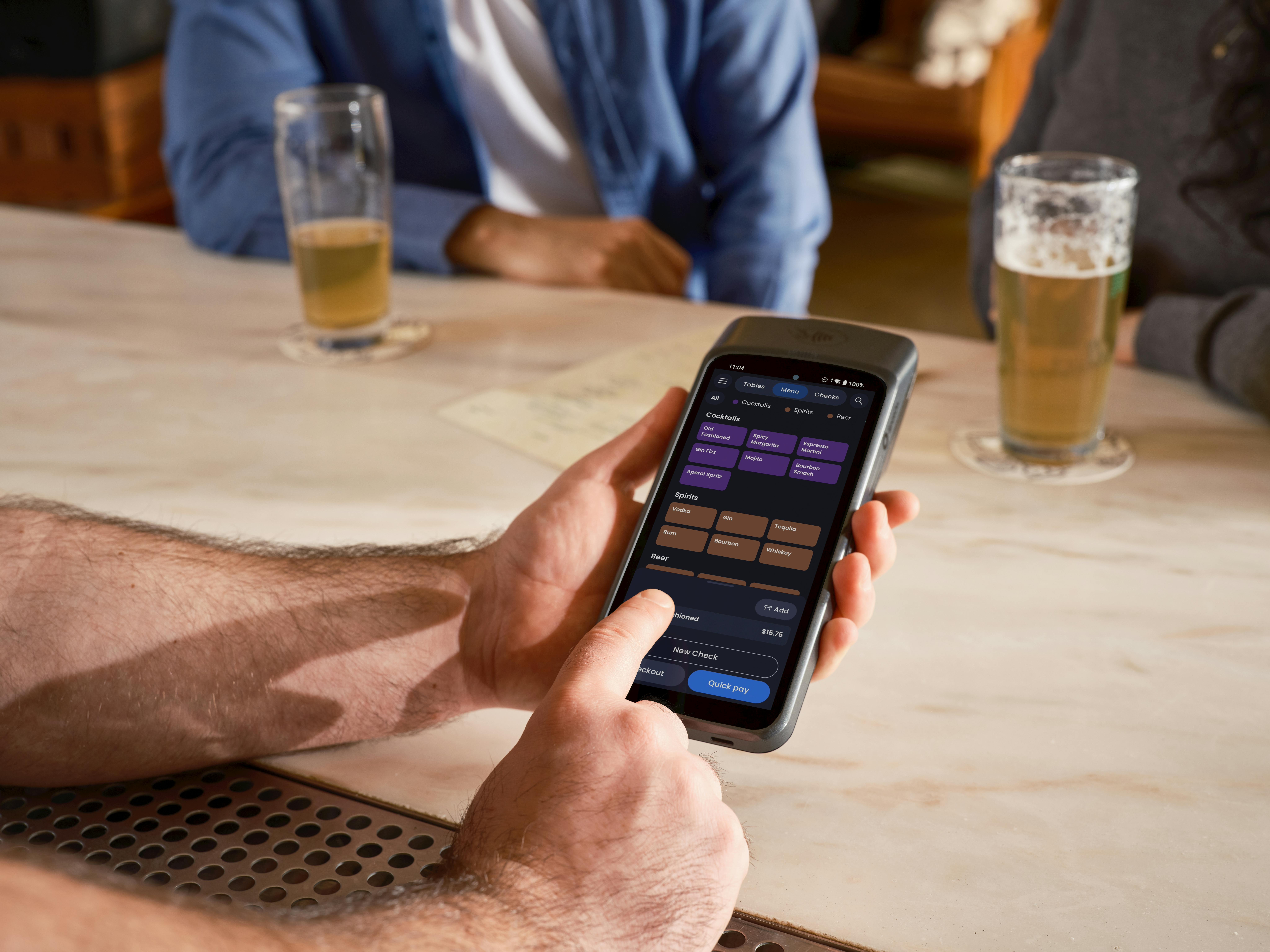
Restaurant technology has improved the mechanics of splitting bills. Many handheld payment devices and modern POS platforms let servers assign items by seat, divide shared dishes, and process multiple cards faster than older systems allowed.
Some chains and quick-service brands have gone further by letting guests order and pay individually through kiosks or table QR systems. In those settings, separate payment is built into the experience rather than treated as an exception.
Yet technology does not erase the human part. Shared bottles of wine, family-style plates, and last-minute order changes still require judgment calls. So do tips, since some diners calculate gratuity on their own subtotal while others misread the tax-inclusive amount.
Apps like Venmo, Cash App, and Zelle changed behavior too. Many groups now accept one person paying the restaurant while others reimburse instantly. That often reduces strain on staff, but it introduces trust issues when payments lag or someone quietly underpays.
Where the debate is heading next

The controversy will likely persist because both sides have legitimate points. Diners want fairness and flexibility, while restaurants want efficiency and fewer service bottlenecks during already difficult operating conditions.
A practical middle ground is emerging. More restaurants now state their policy clearly on menus or reservation pages, while more diners ask politely in advance, especially for larger groups. Clarity removes the surprise that usually causes friction.
Experts in hospitality generally agree on one principle: transparency beats assumption. If guests know the rules and servers know the plan early, separate checks become less of a moral issue and more of a manageable transaction.
In that sense, the debate is larger than the bill. It reflects a culture trying to balance convenience, fairness, labor realities, and changing social norms, all in the few slightly tense minutes before everyone reaches for a card.



Leave a Reply