
Restaurants on both sides of the border are trying to win the same diner, but they are doing it in very different ways. In Canada, distinctiveness is becoming the product, while in the United States, scale and visibility still drive the fight.
Canada is selling identity, not just a meal
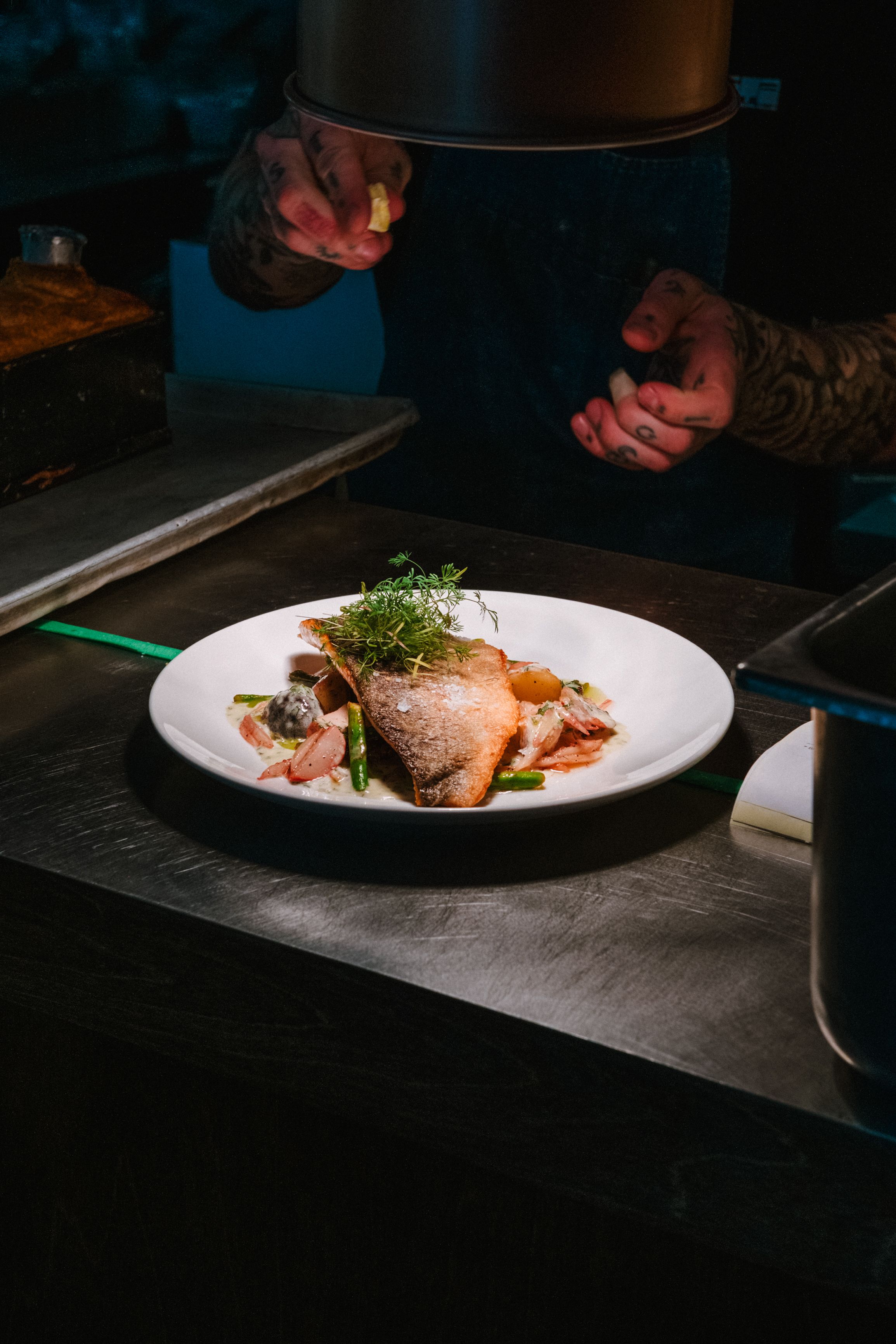
What stands out first in Canada is how often restaurants market a story before they market a discount. Diners are being invited into chef-driven tasting menus, regional ingredients, and spaces designed to feel personal rather than standardized. In cities like Toronto, Montreal, and Vancouver, the pitch is often that you cannot get this exact experience anywhere else.
That strategy reflects market reality. Canada has fewer mega-chains dominating every corner, and independent operators play a larger role in urban food culture. According to industry reporting from Restaurants Canada, operators have faced intense cost pressure, so many cannot win a price war. Instead, they try to justify higher spending with originality.
It also fits how many Canadians dine out. Meals are often framed as occasional treats rather than routine convenience purchases. That encourages restaurants to build moments worth remembering, whether through hyper-local menus, open kitchens, or seasonal collaborations with farms, bakeries, and beverage makers.
American chains are fighting an attention economy
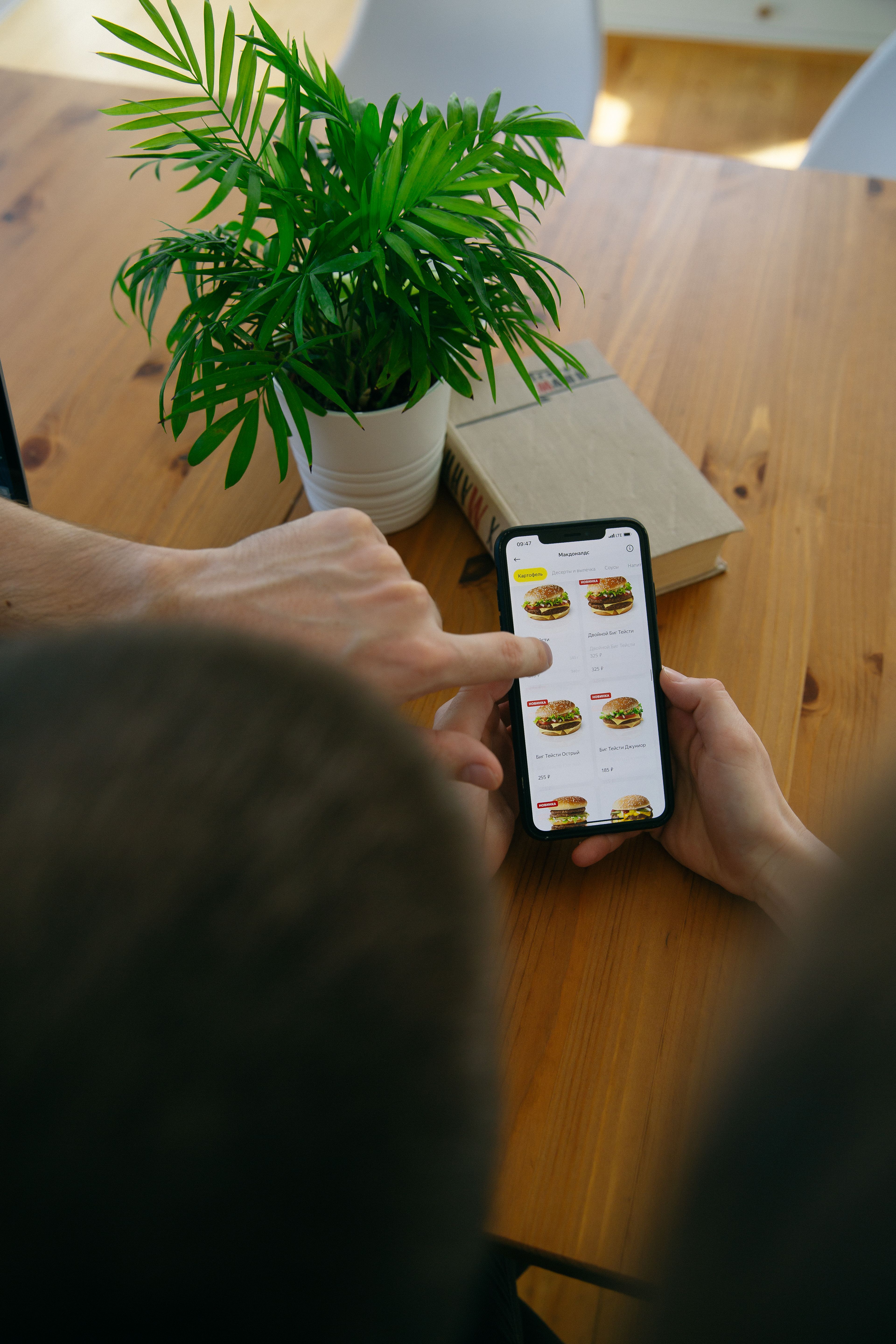
In the United States, the battle often starts long before anyone gets hungry. Big chains compete on apps, loyalty points, celebrity meals, limited-time offers, and constant digital advertising. The goal is not simply to be liked. It is to stay impossible to ignore.
That approach makes sense in a market packed with national brands that have huge media budgets and dense store networks. McDonald's, Taco Bell, Starbucks, Chipotle, and others are not only competing with independent restaurants. They are competing with each other for frequency, habit, and screen space on a customer's phone.
Inflation sharpened this strategy. As American consumers became more price sensitive, chains responded with bundles, meal deals, and promotional messaging built around value. Reuters and major earnings calls have repeatedly shown the same pattern: when traffic softens, chains spend harder on offers and marketing to protect visits.
Geography and scale push the two markets apart

A big reason for the divergence is simple: the two countries are built differently. The United States has a much larger population, more metropolitan density, and a deeper history of coast-to-coast chain expansion. That scale rewards systems, replication, and operational uniformity.
Canada is more concentrated, with a smaller population spread across vast distances and a shorter warm season for many local food categories. That makes national rollouts harder and often more expensive. A restaurant in Calgary or Halifax may gain more by becoming locally iconic than by trying to behave like a mass-market template.
Real estate also matters. In many Canadian neighborhoods, especially in core urban districts, smaller footprints and mixed-use streets support intimate concepts. In much of suburban America, drive-thrus, roadside visibility, and high-volume formats remain central to restaurant economics.
Canadian diners increasingly pay for experience
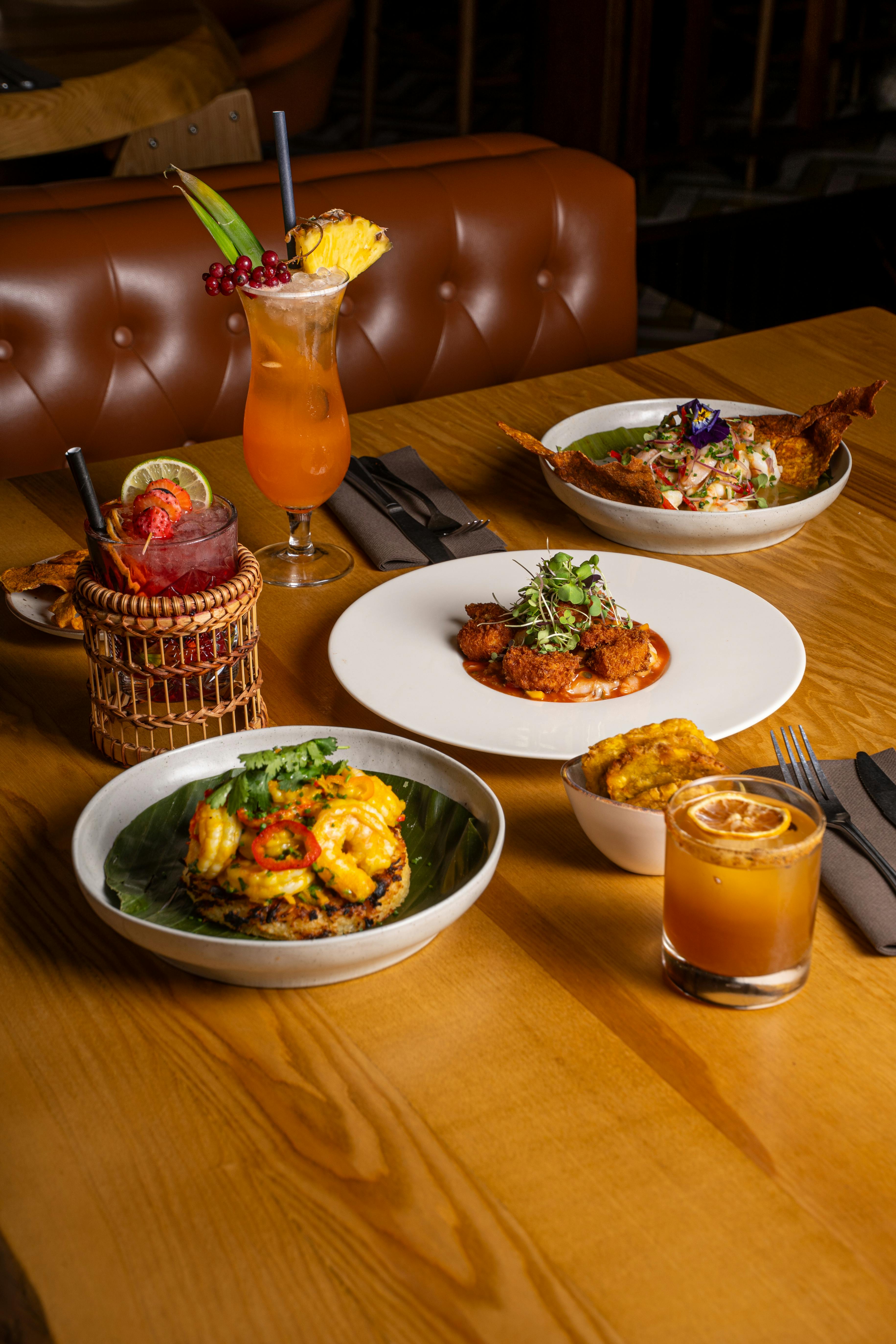
One of the clearest shifts in Canada is that restaurants are packaging atmosphere as carefully as food. Design, soundtrack, service style, and chef presence are part of the value proposition. The dining room itself is becoming a form of entertainment.
This is partly a response to rising menu prices. If consumers are paying more because of rent, labor, and food costs, they want more than calories. Operators answer by offering tableside elements, curated beverage programs, rotating menus, and interiors that feel worthy of social sharing without looking manufactured.
You can see this especially in neighborhoods where competition is dense. A pasta dish or wine list alone is rarely enough. What wins is a place that feels specific to its block, city, or cultural community, something a diner can describe to friends without sounding like they visited a generic concept.
U.S. chains are built to convert convenience into loyalty

American chains, by contrast, are exceptionally good at turning routine into repeat business. They use data from apps and rewards programs to study ordering patterns, push timed offers, and simplify reordering. This creates a feedback loop where convenience becomes preference.
That machine works because many U.S. consumers use restaurants as infrastructure for daily life. Breakfast in the car, lunch between meetings, and dinner on the way home all favor brands that are fast, familiar, and available almost everywhere. Chains are designed precisely for that kind of demand.
Their innovation also looks different. Instead of reinventing the room, they reinvent friction. Better drive-thru times, more accurate digital orders, subscription-style perks, and menu engineering can lift traffic faster than a dramatic culinary overhaul. For large brands, small efficiency gains across thousands of stores are enormously valuable.
The future may be a blend of both models

The divide is real, but it is not permanent. Canadian operators are increasingly adopting loyalty tools, better online ordering, and sharper branding. At the same time, American chains are experimenting with more localized menus, elevated interiors, and limited concepts that feel less standardized.
The most successful restaurants in either country will likely borrow from both playbooks. Diners want value, but they also want meaning. They want convenience on a Tuesday and something memorable on a Saturday, sometimes from the very same brand.
That is why this contrast matters. Canada is showing that scarcity, personality, and place still command attention. The United States is proving that scale, data, and visibility remain powerful. The next winners will be the businesses that understand attention is earned differently depending on whether the customer wants a fast solution or a story worth leaving home for.



Leave a Reply