
Canada's dining rooms look busy again. The finances behind many of them look far worse than the crowd suggests.
The headline number is alarming for a reason
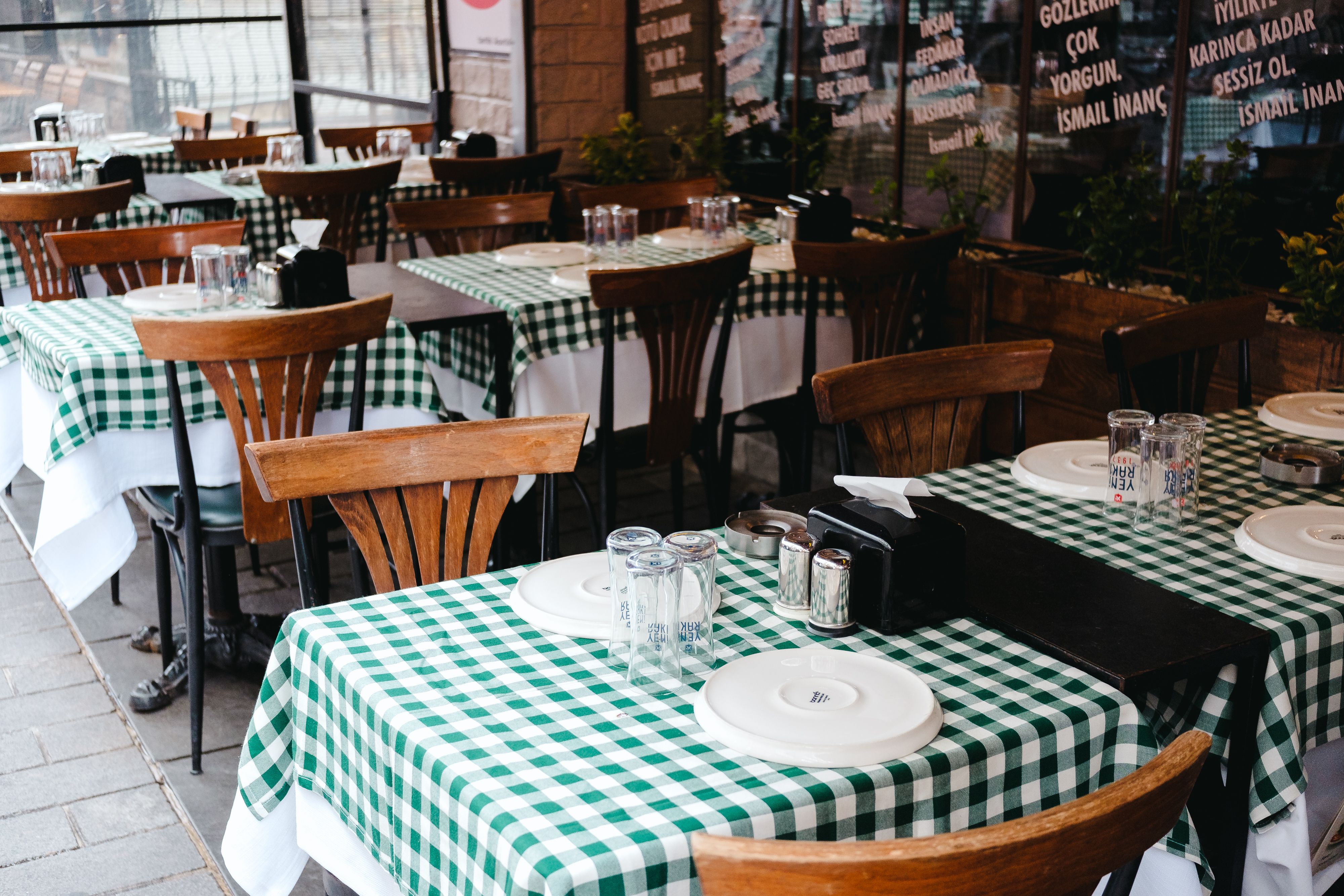
A new industry forecast cited by CTV News says roughly 4,000 Canadian restaurants could shut down in 2026. That estimate lands after a long post-pandemic recovery period that was supposed to stabilize the sector. Instead, many operators have found that sales can return without profits returning.
Restaurants Canada has also warned that about 4 in 10 operators are either losing money or only breaking even. That matters because restaurants typically run on thin margins even in healthy years. When a business with narrow margins absorbs repeated cost shocks, survival can become a month-to-month calculation.
The result is a strange split-screen economy. Dining rooms may be active on weekends, and patios may still fill up, but owners are looking at payroll, rent, and food invoices that keep rising faster than menu prices can reasonably follow.
Consumers are still eating out, just far more carefully

The problem is not that Canadians stopped spending entirely. It is that many households are trading down, ordering less, skipping appetizers and drinks, and visiting less often. Those small choices hit restaurant economics harder than diners realize because beverages and add-ons often carry the best margins.
Inflation fatigue has changed the psychology of eating out. A family that once visited a casual sit-down restaurant twice a month may now choose takeout once, or swap a full-service meal for a quick-service option. That shift reduces the average check while leaving many fixed costs untouched.
According to broad retail and consumer trends seen across Canada, people are prioritizing value, predictability, and convenience. Restaurants that built their model around higher average tickets are especially vulnerable when guests become deliberate, price-sensitive, and less willing to splurge.
The cost squeeze is coming from every direction
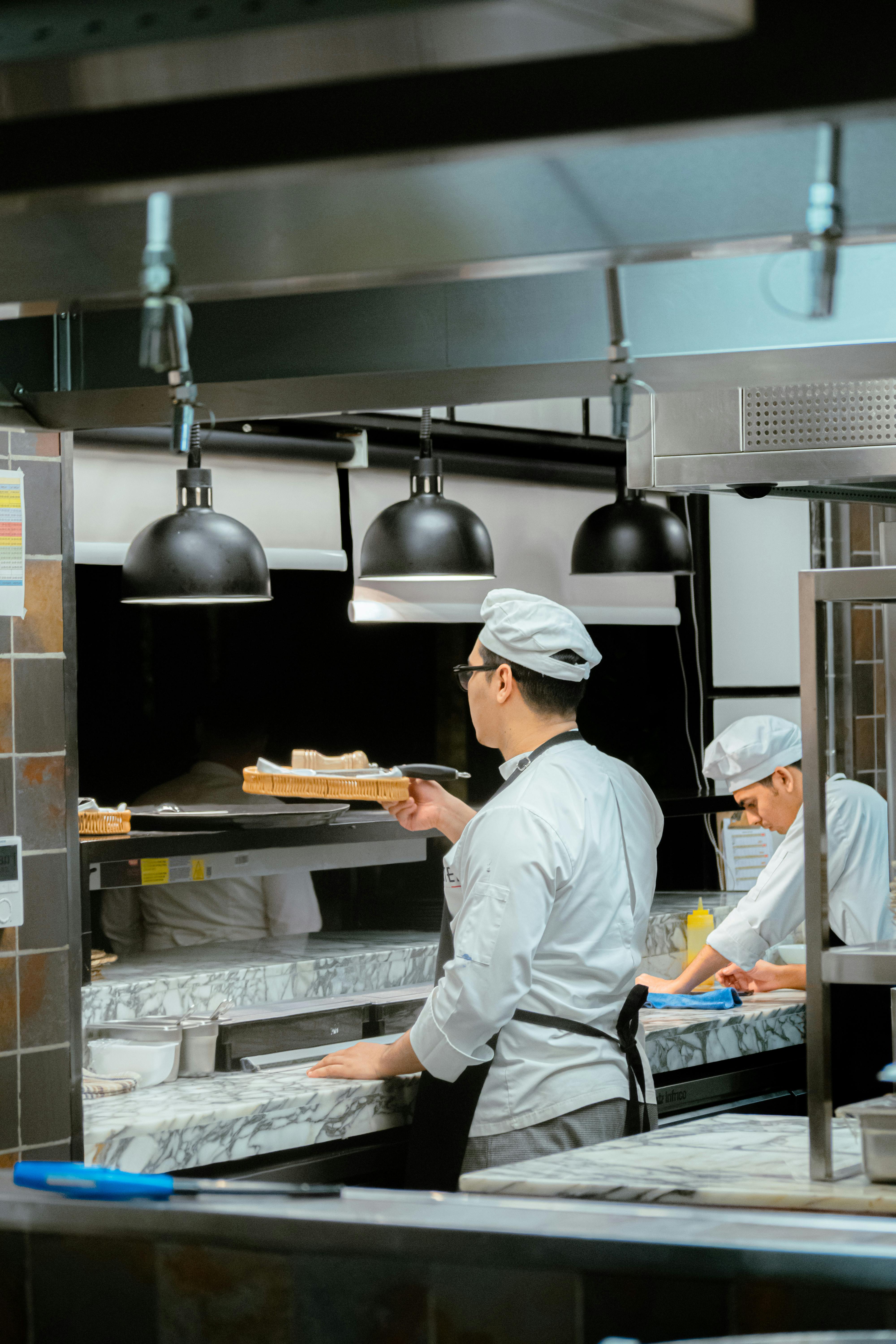
Food costs remain volatile, especially for proteins, cooking oils, imported ingredients, and fresh produce affected by weather and transport costs. Even when inflation cools on paper, operators still face elevated baseline pricing compared with a few years ago. Many are paying more for almost every item that reaches the kitchen.
Labour is another pressure point. Wages have risen, and rightly so, but restaurants must absorb those increases while also managing staffing shortages, training costs, and scheduling inefficiencies. A business can be fully booked on Friday night and still lose money if labour and prep costs are poorly aligned.
Then there is rent, utilities, insurance, debt servicing, and payment processing fees. Interest rates have made refinancing and carrying older pandemic-era debt more expensive. For many operators, profitability is being squeezed not by one dramatic problem but by six persistent ones at once.
The closures are not always happening where people assume
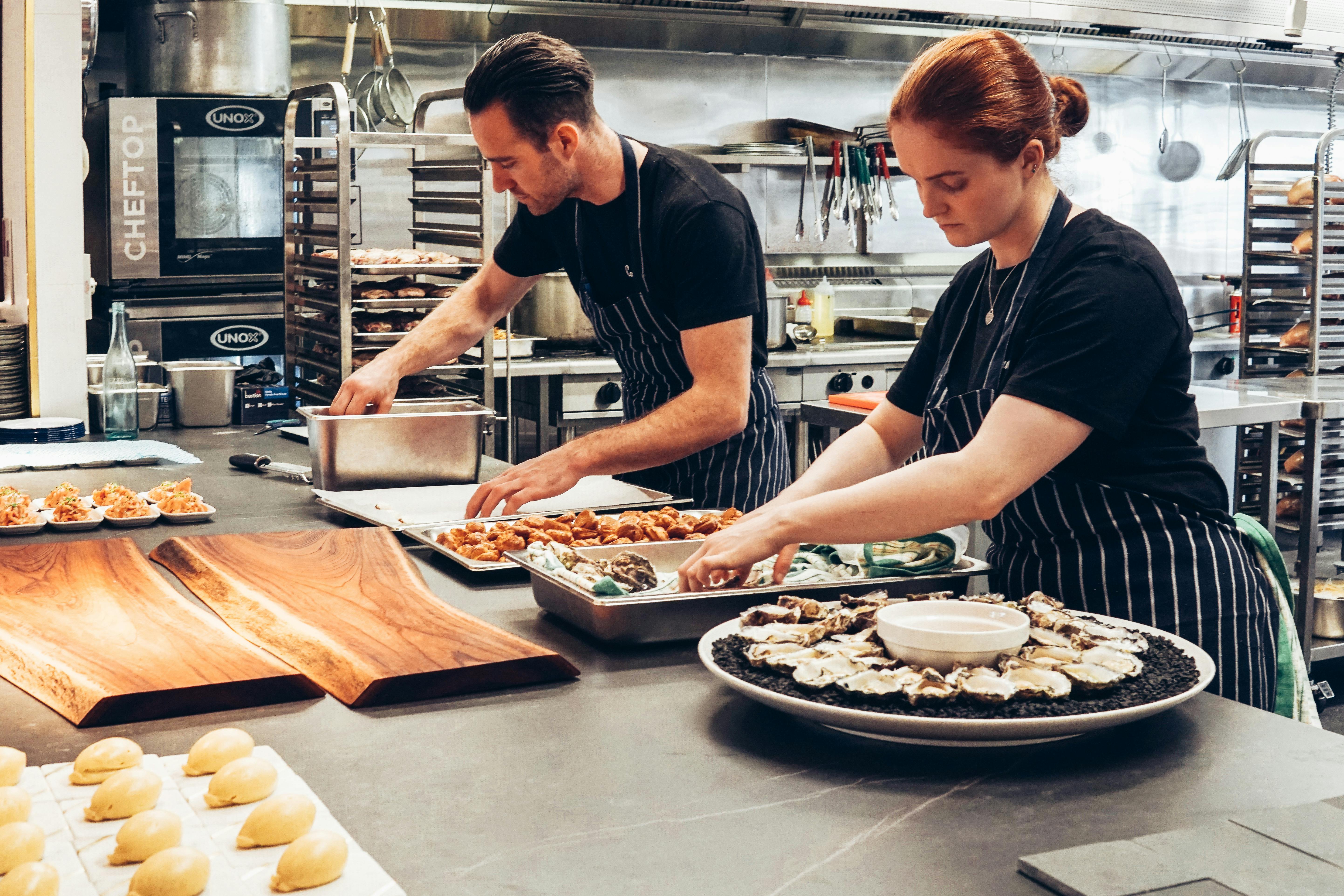
Many people expect weak, obscure, or poorly reviewed restaurants to disappear first. In reality, some of the most exposed businesses are respectable independent full-service restaurants that sit in the middle of the market. They are not cheap enough to win on value and not exclusive enough to command premium pricing without resistance.
Chains with scale can often negotiate better supply contracts, spread marketing costs, and use data to optimize menus and staffing. Quick-service brands also benefit when consumers look for affordability and speed. That leaves neighborhood bistros, family restaurants, and mid-priced dining rooms stuck in a difficult middle.
Even visually busy locations can be at risk. A restaurant may fill seats but still struggle if table turns are slow, alcohol sales are soft, or discounting has become necessary to keep traffic steady. Revenue alone is no longer a reliable sign of financial health.
Geography and business model now matter more than ever

Urban cores have their own challenges, including high rents, parking issues, and office traffic that has not fully normalized in some markets. Suburban locations may benefit from convenience, but they also depend heavily on budget-conscious families. Tourist-heavy areas can thrive seasonally yet remain fragile during slower months.
Delivery has helped some operators reach more customers, but it is not a universal solution. Third-party apps can widen exposure while also taking meaningful commissions that erode already thin margins. For a restaurant with modest average tickets, delivery volume can create activity without creating much profit.
Business model discipline is separating survivors from casualties. Operators with tight menus, efficient kitchens, strong lunch or takeout mix, and careful pricing architecture are in a better position. Those carrying oversized spaces, bloated menus, or outdated cost assumptions are finding the environment unforgiving.
What survival looks like in 2026

The restaurants most likely to endure are not always the most famous. They are often the ones that understand their numbers deeply, adjust menus quickly, engineer portions carefully, and protect margins without alienating guests. In this climate, operational precision matters as much as culinary appeal.
Some are reducing hours, simplifying offerings, renegotiating leases, or leaning harder into catering and direct pickup. Others are redesigning menus around ingredients that travel across multiple dishes, which reduces waste and purchasing risk. These are not glamorous fixes, but they can restore breathing room.
For diners, the coming closures may feel surprising because many affected restaurants still appear popular. But popularity is no guarantee of profitability anymore. In Canada's current restaurant economy, the real dividing line is not who can attract customers, but who can still make money serving them.




Leave a Reply