
Canadians have not fallen out of love with restaurants. They have fallen out of love with what restaurants now cost.
That distinction matters, because it explains why so many dining rooms feel emptier even as people still crave convenience, community, and a good meal they did not have to cook themselves.
Sticker shock has changed the meaning of a simple meal out

The biggest reason Canadians are staying home is straightforward: restaurant prices have risen faster than many households can comfortably absorb. Food inflation has cooled from its peak, but menu inflation has remained stubborn, especially after years of higher ingredient, labour, rent, and financing costs. A dinner that once felt casual now often requires the kind of budget check people used to reserve for special occasions.
This is not just about fine dining. Fast food, coffee runs, family chains, and takeout have all become noticeably more expensive. A burger combo for one can now push past what a sit-down lunch used to cost. For families, the math becomes even harsher. Two adults and two children can easily spend enough on one modest outing to cover several home-cooked dinners.
Surveys in Canada have repeatedly shown that about 3 out of 4 consumers are cutting back on restaurant visits, and the reason cited most often is affordability. Industry groups and major bank consumer spending snapshots have pointed to softer discretionary spending across foodservice. When household budgets tighten, restaurants are one of the first categories people trim, because eating at home is the clearest substitute.
The problem for operators is that customers are comparing every bill against the grocery store. Even if groceries are expensive too, many Canadians still feel they can stretch ingredients further at home. When restaurant pricing crosses the line from indulgent to unreasonable, people do not merely visit less often. They begin to question the whole value proposition.
A trust gap is opening between diners and the bills they receive

Price alone does not explain the retreat. Many Canadians say they would still eat out more often if the experience felt worth it. Instead, they increasingly report a mismatch between what they pay and what they get. Smaller portions, lower service levels, added fees, and uneven food quality have created a sense that restaurants are asking customers to absorb too much while giving back too little.
This trust gap shows up in simple moments. A customer orders a familiar dish and notices less protein, fewer sides, or cheaper ingredients. Another sees a mandatory service charge, a digital tip prompt starting unusually high, or a takeout fee that was not common a few years ago. None of these changes alone destroys goodwill, but together they make diners feel managed rather than welcomed.
Labour shortages have also affected the guest experience. Restaurants across Canada have struggled to recruit and retain staff, particularly in kitchens and front-of-house roles. That can mean slower service, less menu consistency, and more mistakes during busy periods. Consumers may understand the pressure in theory, but they still judge the meal in front of them.
Once trust slips, promotions lose power. A discount can bring someone back one time, but it cannot erase the feeling that the regular price is inflated or the experience is inconsistent. The industry's challenge is no longer just traffic. It is credibility, and credibility is much harder to rebuild than a lunch rush.
Canadians are making hard trade-offs in an anxious economy

Pulling back on restaurant spending is part of a broader recalculation taking place across Canadian households. Interest rates may have started to ease, but many consumers are still carrying the weight of expensive mortgages, high rents, elevated grocery bills, insurance increases, and general cost-of-living fatigue. Even households with stable incomes are acting more cautiously because their margin for error has narrowed.
This mood matters because dining out is deeply tied to confidence. People spend more freely in restaurants when they feel secure about work, debt, and future expenses. When confidence falls, they become selective. They pack lunches, brew coffee at home, skip delivery fees, and save restaurant visits for birthdays, business meetings, or social obligations rather than spontaneous enjoyment.
Younger adults are under particular pressure. Many are dealing with high housing costs, student debt, and less predictable employment conditions. At the same time, they are often the customers restaurants count on for casual dining, late-night food, and app-based delivery. When that group reduces frequency, the impact is felt quickly across urban food districts and chain locations alike.
Older consumers are not immune either. Retirees and near-retirees may be less debt-burdened, but they are often sensitive to inflation because they live on fixed or semi-fixed incomes. That means the restaurant industry is being squeezed from both ends: younger diners cannot justify the spend, and older diners increasingly choose restraint over routine.
Convenience once protected restaurants, but home now competes better
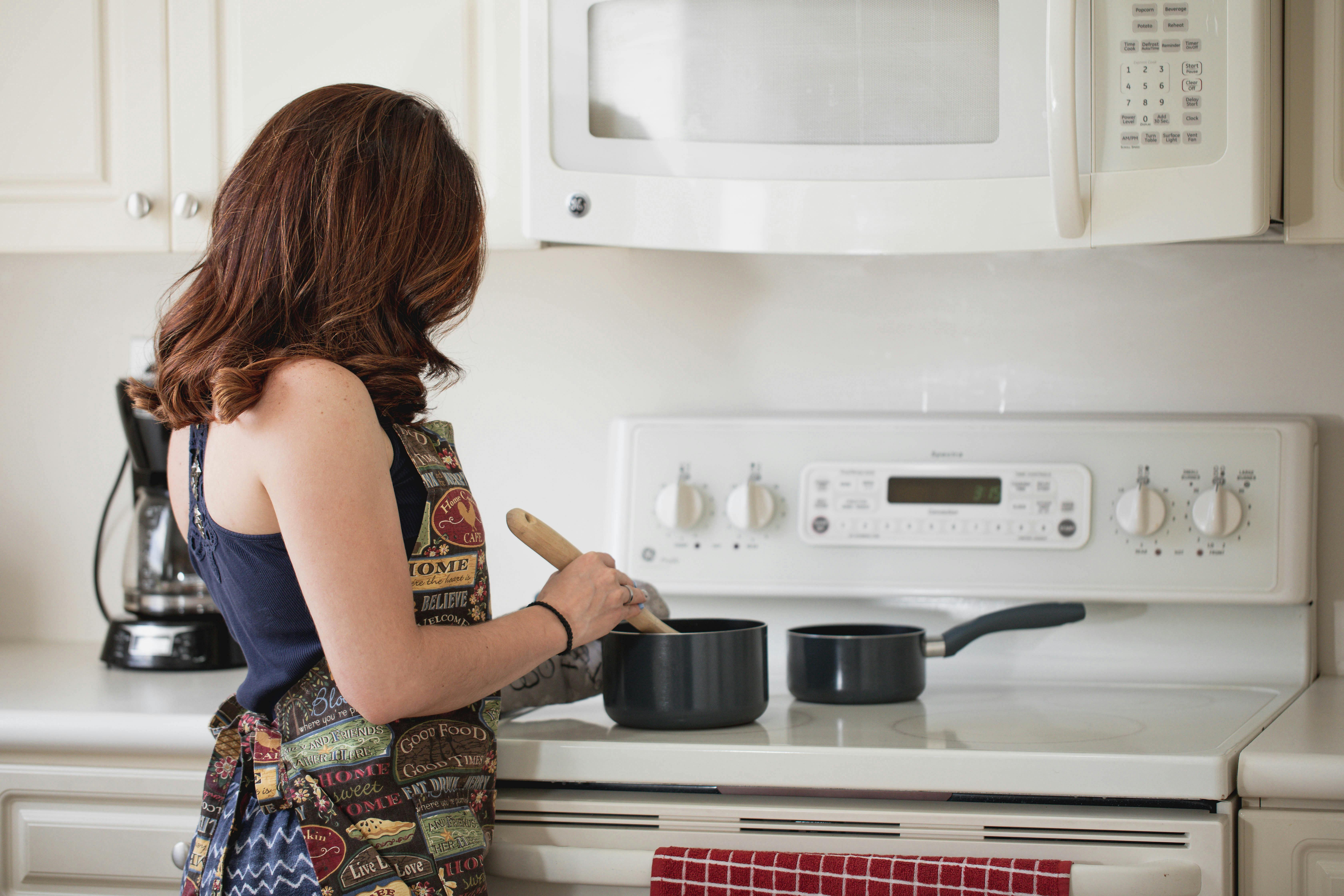
For years, restaurants benefited from a powerful edge: convenience. Busy households relied on takeout, delivery, and quick-service meals to save time. That advantage has weakened. Meal kits, air fryers, warehouse-store prepared foods, and improved grocery ready-meals have made eating at home easier, faster, and more satisfying than it used to be.
The delivery boom also changed expectations in ways that hurt restaurants. Customers got used to app-based ordering, but they also became more aware of just how expensive delivery can be once service fees, markups, and tips are added. Many now see delivery as the least economical way to eat. What was once a frictionless luxury has become a visibly costly habit.
Social media has reinforced the shift toward home preparation. Canadians can find simple restaurant-style recipes, budget meal plans, and cooking tutorials in seconds. Dishes that once felt difficult to replicate now seem manageable. That does not mean everyone wants to cook every day, but it lowers the barrier to replacing a restaurant order with something homemade or semi-prepared.
Restaurants are also competing with upgraded in-home experiences. People entertain friends with grocery charcuterie boards, premium frozen appetizers, or backyard pizza ovens. A night in no longer feels like a compromise. In many cases, it feels smarter, calmer, and far cheaper than paying restaurant prices for an experience that may not reliably exceed what home now offers.
The usual win-back tactics are losing their punch
Restaurants are not standing still. They have tried value menus, prix fixe specials, loyalty points, app discounts, smaller footprints, ghost kitchens, and limited-time offers. Some of these moves can support traffic in the short term, but many are running into a hard limit: consumers are not simply bargain hunting. They are reassessing whether dining out belongs in their weekly routine at all.
Discounting carries risks. If a restaurant cuts too deeply, margins suffer in a business already known for thin profits. If it offers deals too often, customers learn to wait for promotions and avoid paying full price. Chains can sometimes absorb this better than independents, but even large operators face pressure when discounting trains consumers to see regular menus as overpriced.
Loyalty programs have become nearly universal, which means they no longer feel special. Points and freebies can encourage repeat visits, yet they rarely solve the deeper complaint that the base experience is too expensive or inconsistent. Consumers appreciate rewards, but they do not want a gamified system just to make a chicken bowl feel reasonably priced.
Even innovation has limits. New menu items and trendy formats can generate curiosity, but novelty fades fast in a weak economy. The industry is discovering that there is no app feature or marketing trick capable of overcoming a broad consumer belief that restaurant spending is one of the easiest places to cut back.
The path back runs through value, honesty, and a better experience
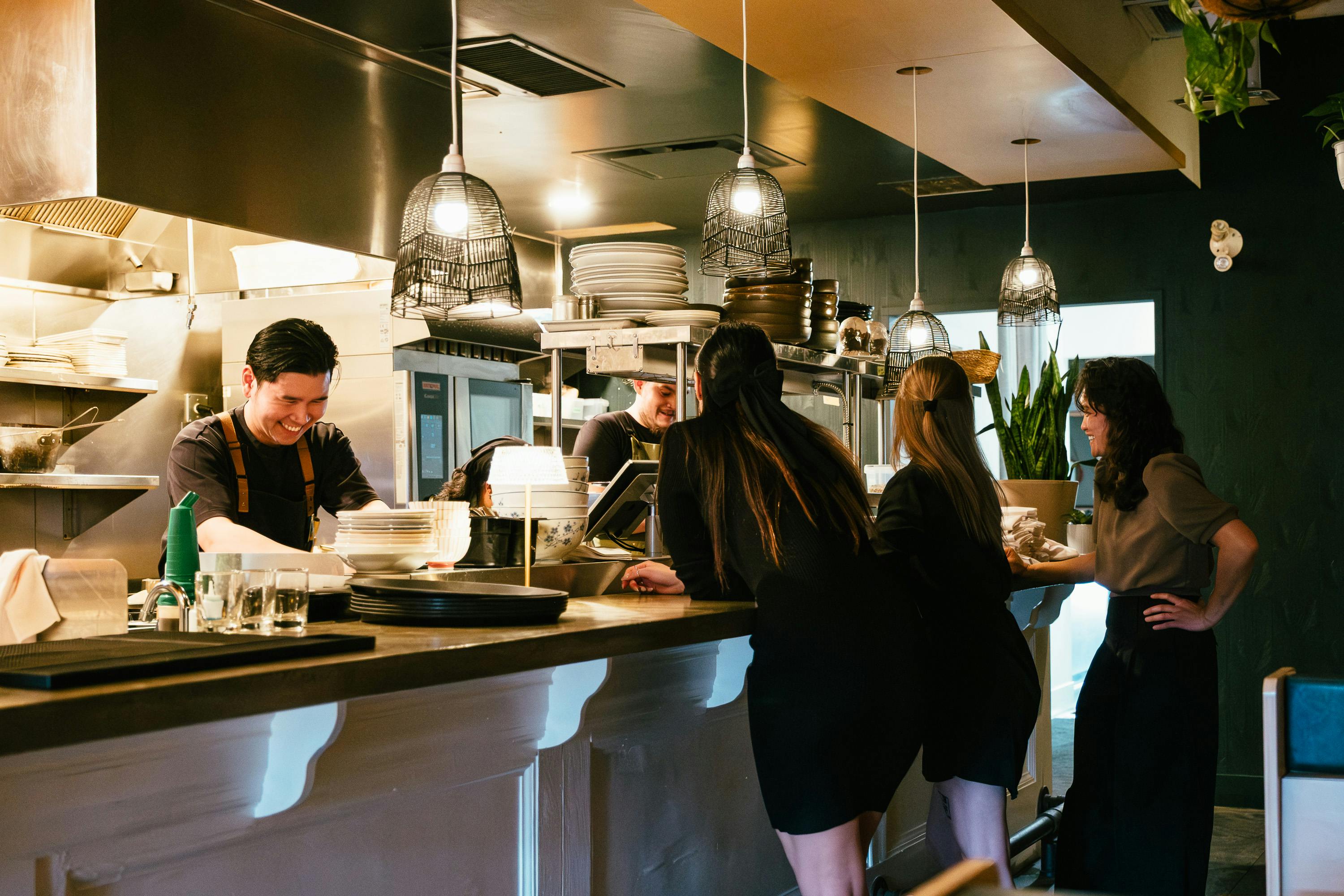
If restaurants want to win Canadians back, they will need to do more than advertise deals. The strongest opportunity is to rebuild perceived value in plain, visible ways. That means clearer pricing, fewer surprise charges, better portion integrity, and menus designed around what customers actually feel comfortable spending rather than what operators wish they could charge.
Some businesses are already adjusting intelligently. They are trimming oversized menus to improve consistency, emphasizing comfort foods people recognize, and creating genuinely affordable bundles for families and lunch customers. Others are leaning into hospitality, knowing that a warm, smooth experience can still justify a premium if the meal feels dependable and the pricing feels fair.
Independent restaurants may have an advantage here if they use it well. They can tell a sharper story about local sourcing, neighborhood identity, and chef involvement. But the message has to be matched by execution. Consumers are willing to support businesses they believe in, yet that goodwill disappears quickly when the bill feels inflated or the basics are neglected.
The restaurant industry in Canada is not out of options, but it is running out of easy ones. Diners have become more disciplined, more skeptical, and more selective. They will come back, but only when eating out once again feels like a pleasure that earns its price rather than a routine expense that demands too much in return.




Leave a Reply