
Food history is rarely tidy. Recipes travel with merchants, migrants and empires, then become so beloved that more than one country claims them as its own.
Hummus
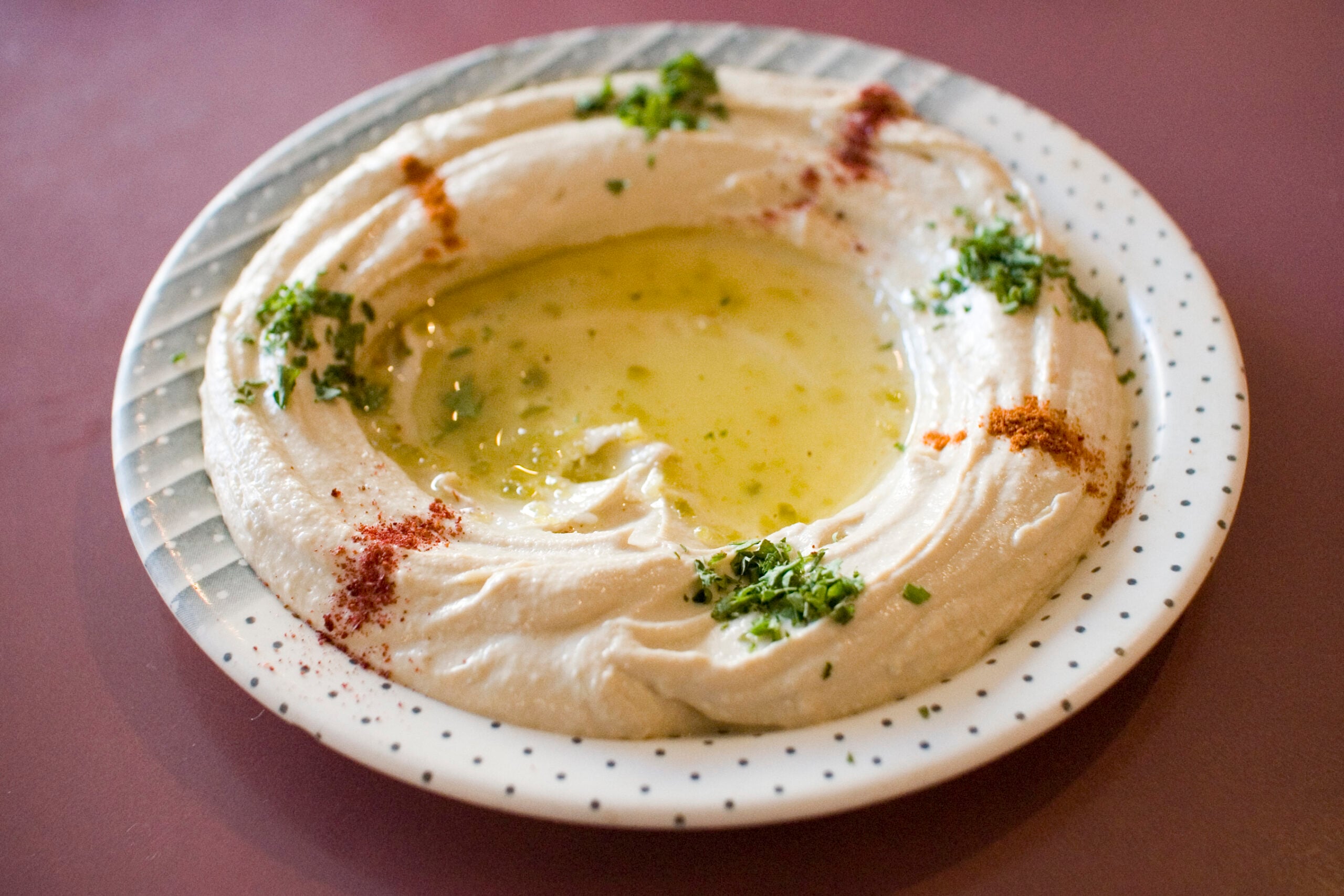
Few food arguments get as heated as hummus. Lebanon, Israel and other countries across the Levant all treat the chickpea and tahini dip as part of their culinary identity, which helps explain why the question of origin carries so much emotion.
A 13th century cookbook from Cairo includes recipes for mashed chickpeas seasoned with vinegar, preserved lemons, herbs and spices, according to food historian Charles Perry. That matters because it places a hummus-like dish in medieval Egypt, not in one clear modern nation-state.
At the same time, the version many people recognize today, chickpeas blended with tahini, lemon and garlic, belongs to a broader eastern Mediterranean tradition. The strongest factual takeaway is that hummus predates modern borders, making any single-country claim hard to prove.
Croissant

The croissant is widely associated with France, but one of its most repeated origin stories points to Austria. In that version, the crescent-shaped kipferl existed in Vienna before French bakers transformed it into the laminated, buttery pastry now known around the world.
Food scholars often note that the croissant as we know it appears in France much later, in the 19th century, after Viennese baking traditions had already spread. The key distinction is between a crescent roll and a true croissant made with layered dough and butter.
So who invented it depends on what counts. If the question is about the shape, Austria has a strong case through the kipferl. If the question is about the modern pastry sold in French bakeries, France makes the better claim.
Baklava
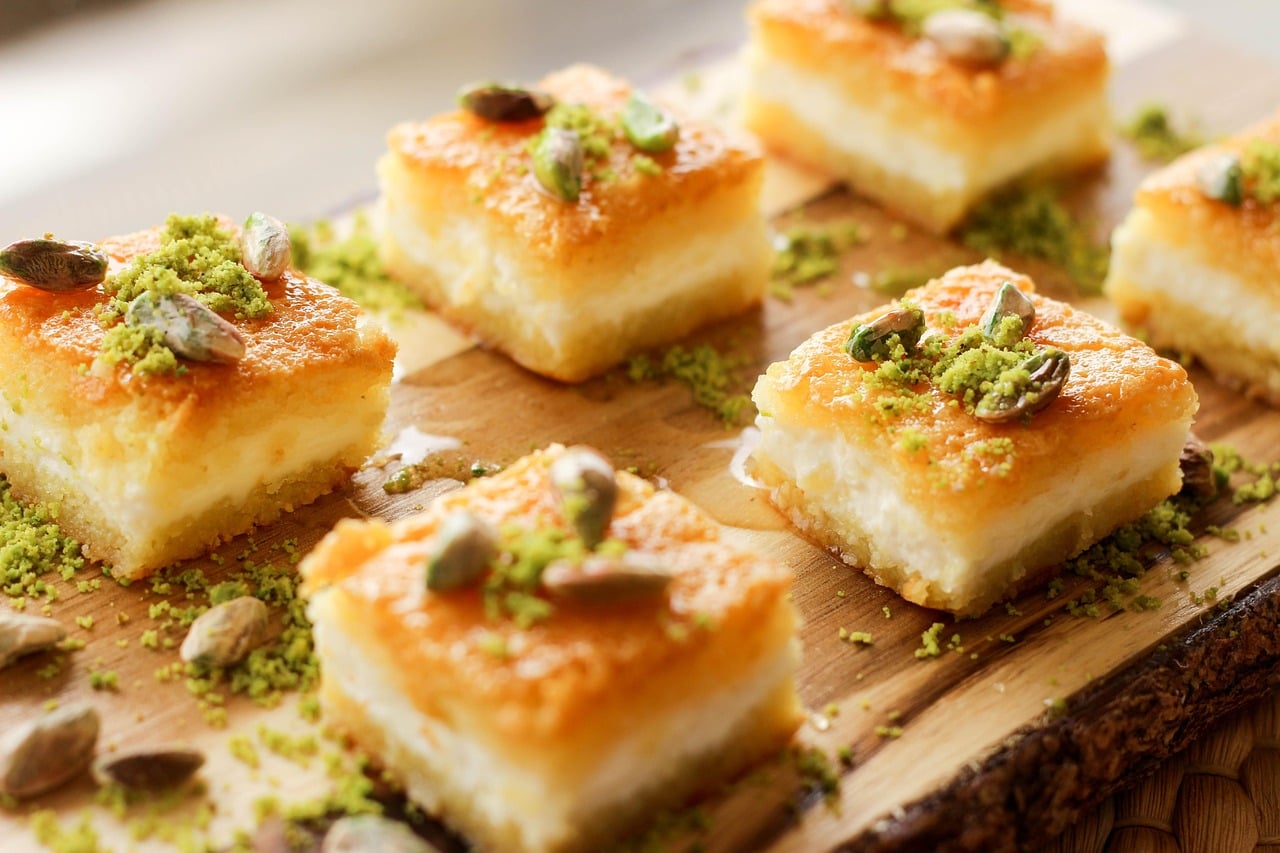
Baklava is a dessert with serious diplomatic baggage. Turkey, Greece and several countries once governed by the Ottoman Empire all claim it, and each side points to deep local traditions of layering pastry, nuts and syrup.
The historical record strongly connects baklava to Ottoman palace kitchens. UNESCO recognized the "traditional ceremonial keşkek tradition" for Turkey in one case, but more relevant here, the European Union granted protected status to Gaziantep baklavası, linking one famous style specifically to Turkey.
That does not settle the larger cultural argument. Greek, Arab, Armenian and Balkan communities have long made their own versions, often with different nuts, syrups and cutting styles. The safest conclusion is that baklava was refined in the Ottoman world, then adopted and adapted across many modern countries.
Feta
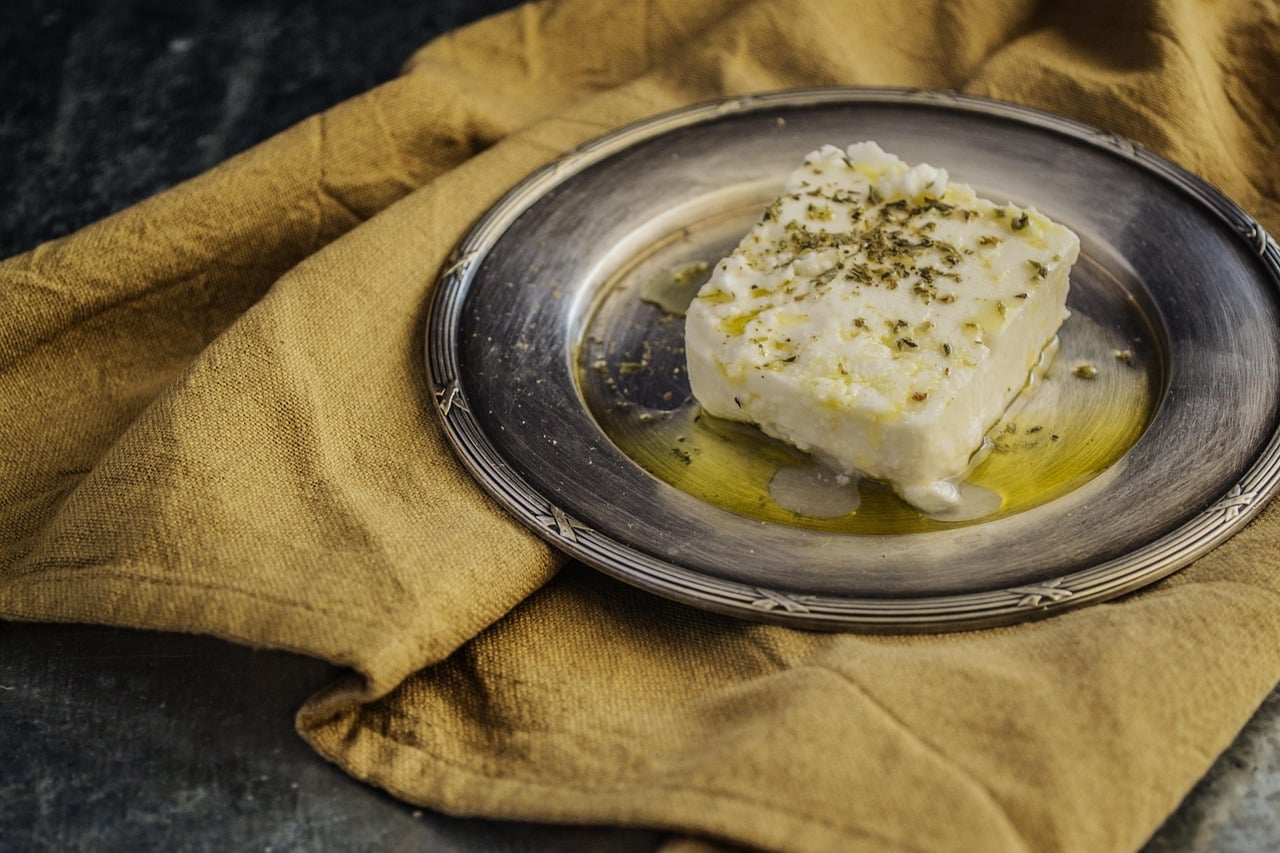
Feta feels unmistakably Greek to many shoppers, and in legal terms Greece has the strongest modern claim. In 2002, the European Court of Justice upheld feta as a protected designation of origin in the European Union, meaning only certain cheese made in Greece can be sold there as feta.
That ruling followed a long dispute with producers in countries including Denmark, Germany and France, where white brined cheeses had also been marketed under the same name. The court's decision leaned on production method, geography and the cheese's long association with Greece.
Historically, brined white cheeses are much older and broader than any one country. Variants have been made across the Balkans and eastern Mediterranean for centuries. But if the question is who "owns" feta today in the marketplace, Greece has by far the clearest answer.
Falafel
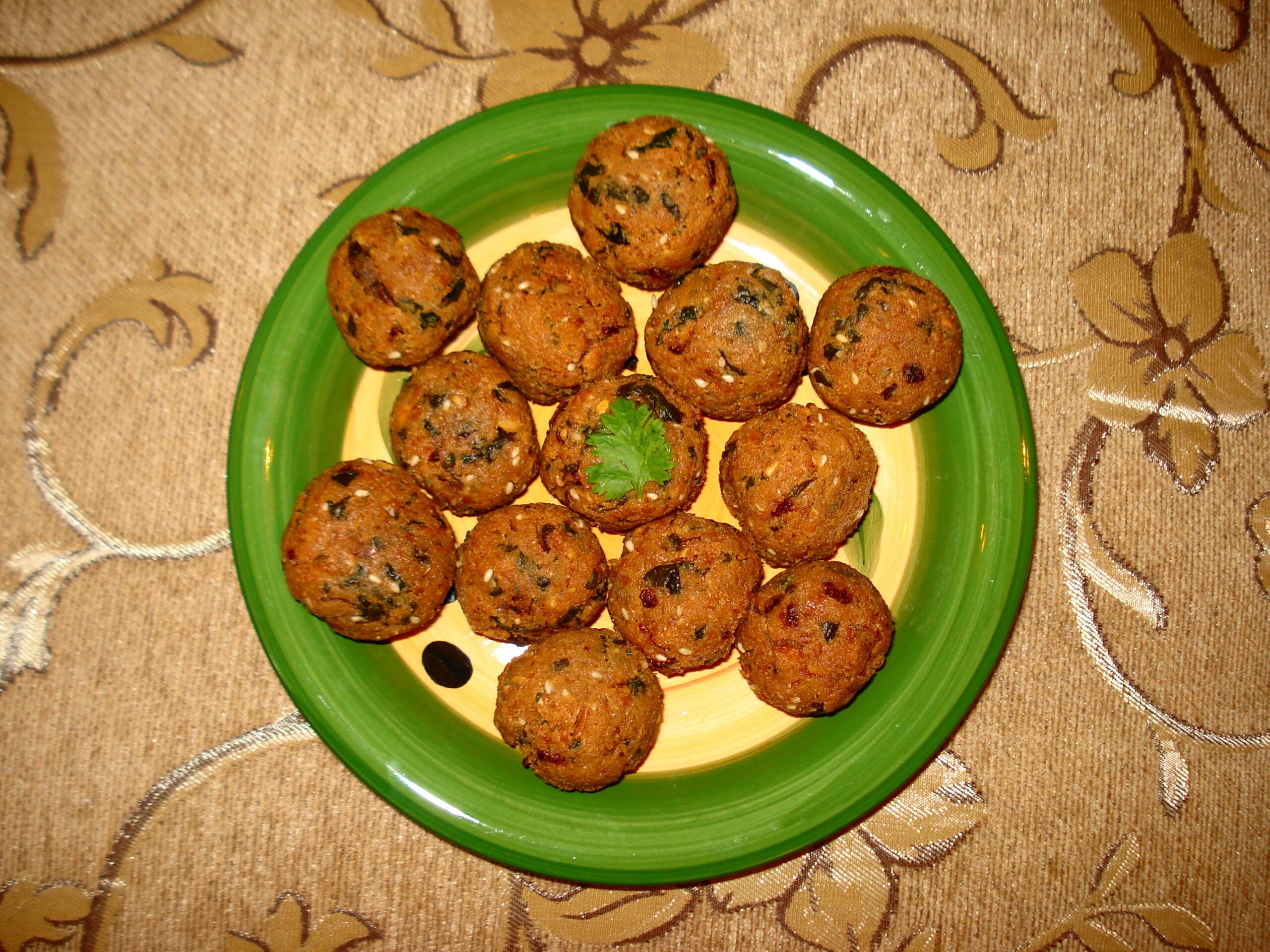
Falafel is another dish whose modern fame outruns any single origin story. Egypt is often credited because ta'amiya, made there with fava beans rather than chickpeas, is considered by many historians to be the earliest close relative.
One popular theory holds that Coptic Christians in Egypt ate falafel-like fritters during meatless periods, though historians caution that the exact documentary trail is thin. What is clearer is that the dish spread widely through the Middle East and changed as it moved.
In the Levant, chickpea falafel became especially common, and today it is central to street food traditions in places including Israel, Lebanon, Syria and فلسطين's culinary heritage. That broad adoption is exactly why the argument persists. There is evidence for Egyptian roots, but not for a simple, exclusive ownership claim.
Pavlova

Pavlova is a dessert dispute with a very specific cast of characters: Australia, New Zealand and the Russian ballerina Anna Pavlova, whose tours inspired the meringue-based treat. Both Australia and New Zealand have long claimed to be the first to name and serve it.
For years, historians traded recipes and dates to settle the issue. A major study by researchers including Helen Leach and Andrew Paul Wood traced early printed recipes and found that a New Zealand recipe using the name "pavlova" appeared in 1929, earlier than the most-cited Australian examples.
Even so, the story is not perfectly neat. Similar meringue desserts existed before then, and naming can matter as much as composition. Still, if the argument is about the earliest documented pavlova by name, New Zealand holds the strongest evidence.
Döner kebab
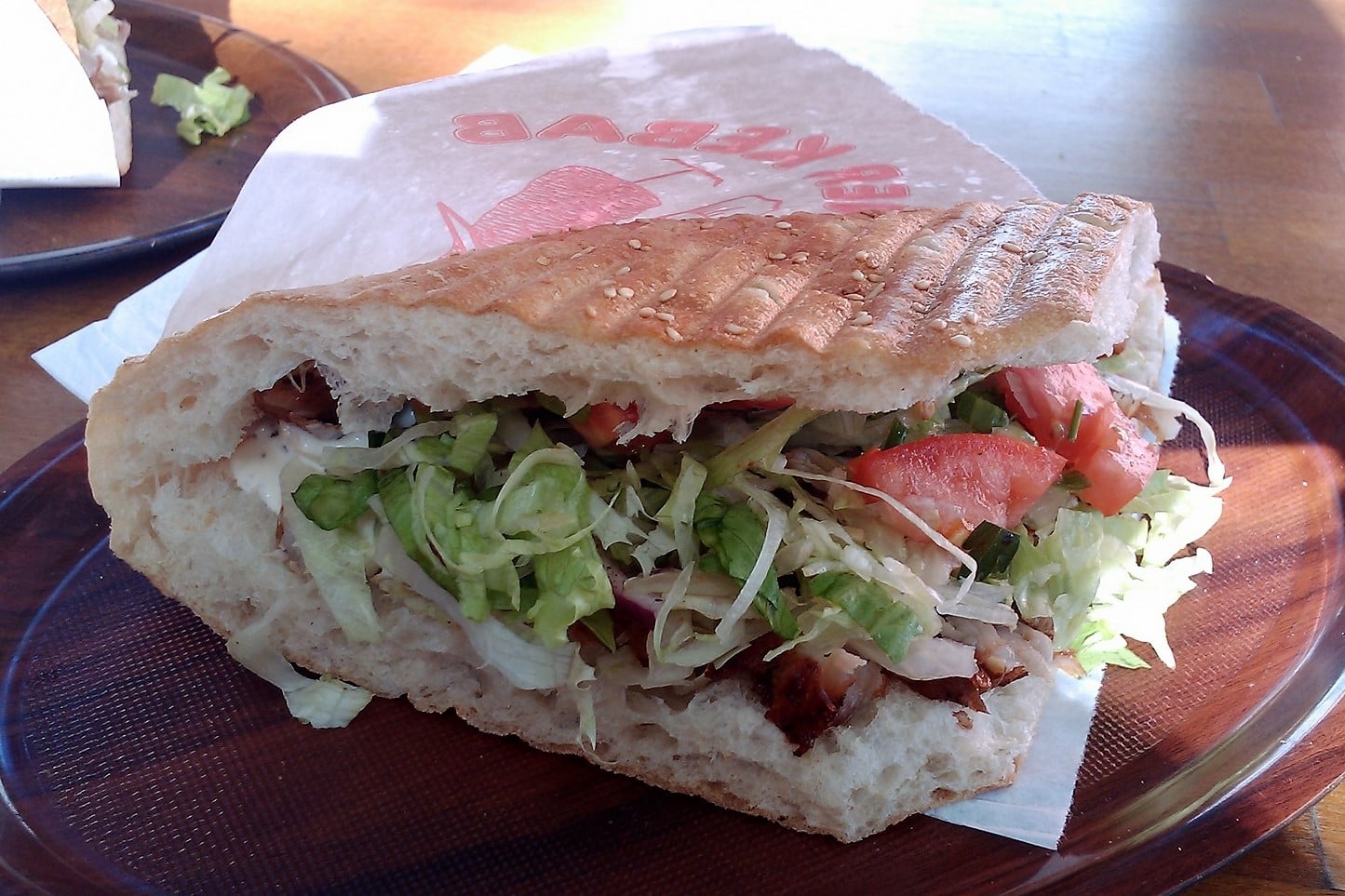
Döner kebab begins with the Ottoman and Turkish tradition of meat roasted on a vertical spit. But the modern sandwich version at the center of today's argument often points in another direction: Germany, where Turkish immigrants helped turn it into a grab-and-go urban staple.
Kadir Nurman is often credited in Germany with popularizing the döner sandwich in Berlin in the early 1970s, and his name was promoted by the Association of Turkish Doner Manufacturers in Europe. Yet historians and rival vendors have disputed the idea that one person alone invented it.
That split actually makes the history more interesting. Turkey has the strongest claim to the underlying dish, while Germany has a powerful case for the street-food format now familiar across Europe. In other words, the meat may be Ottoman, but the sandwich is also part of immigrant Berlin's story.



Leave a Reply