
Canada's food debate usually starts with a single dish, then quickly turns into a bigger argument about seafood, farmland, immigration and local pride. These six provinces show why there is no easy winner, only very strong cases built on ingredients people care about deeply.
British Columbia's salmon and spot prawns
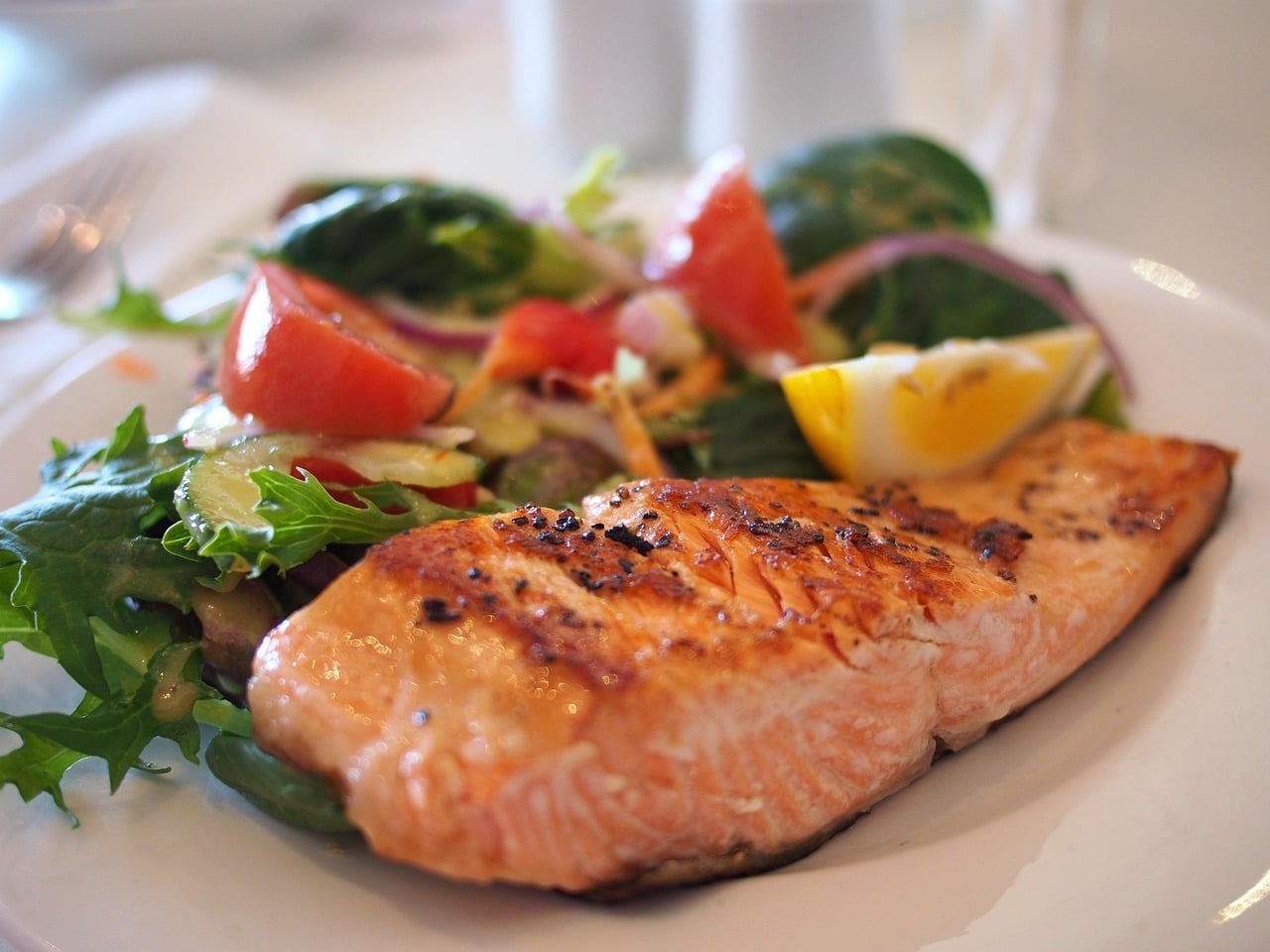
On the Pacific coast, British Columbia makes its strongest food argument with seafood that is tied to season and place. Wild salmon has long been central to Indigenous foodways in the region, and it still shapes restaurant menus, fish counters and home cooking across the province.
Another favorite is the spot prawn, the largest prawn species caught in Canadian waters. According to Fisheries and Oceans Canada, the commercial spot prawn fishery on the Pacific coast is managed with a short season, and that limited window helps turn the catch into a yearly event in Vancouver and beyond.
The province's case gets even stronger when seafood meets agriculture. The Okanagan Valley is known for orchards, vineyards and produce, giving cooks access to cherries, peaches, apples and wine from within the same province. That combination of coast and interior is hard for any rival to match in one meal.
Alberta's beef country claim
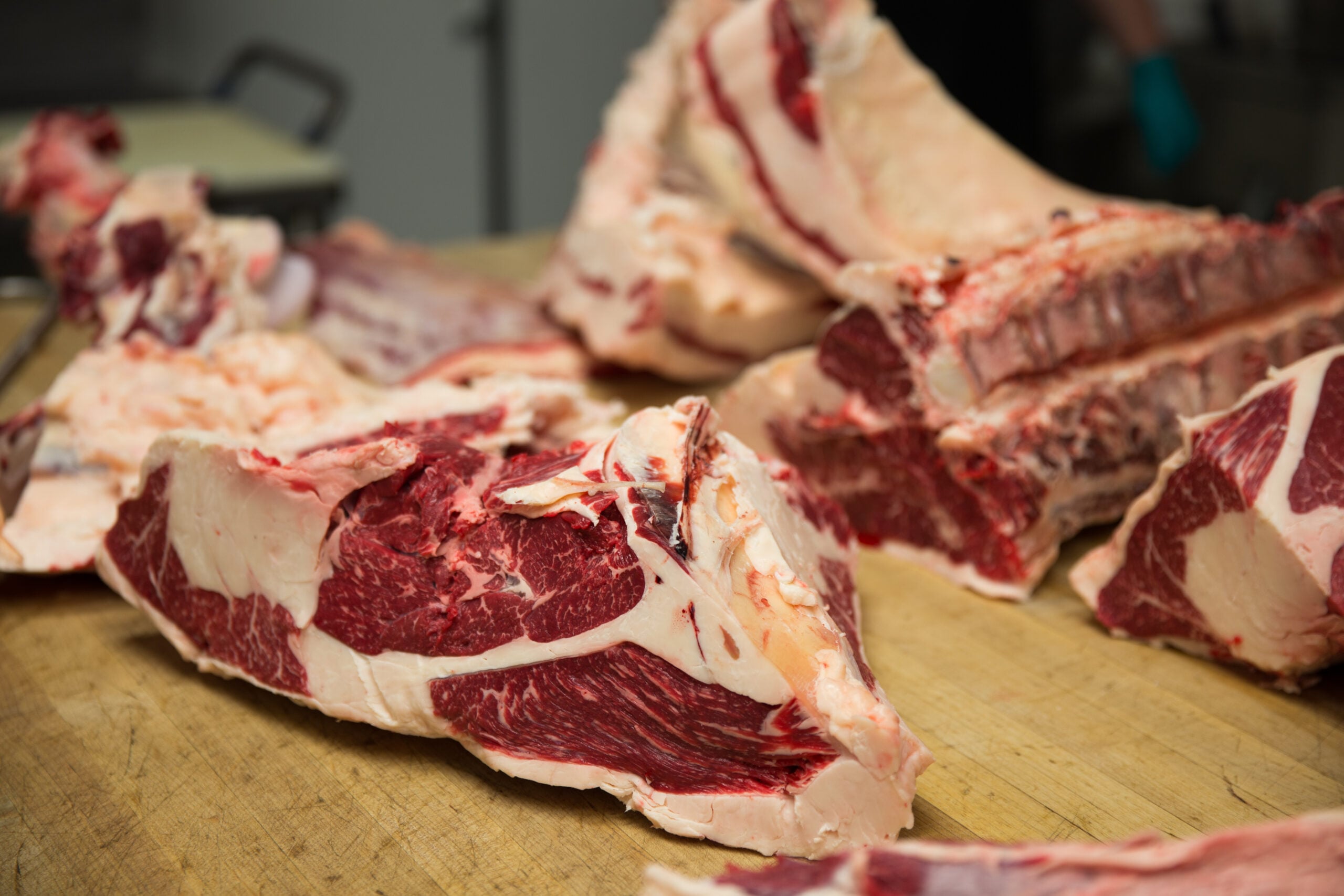
Alberta's food reputation is built on beef, and that reputation has real scale behind it. According to the Government of Alberta, the province has the largest fed cattle industry in Canada, which helps explain why steak is not just a restaurant staple but part of its public image.
The appeal is not only quantity. Alberta beef became a recognizable brand because ranching, feedlots and meat processing all developed as major parts of the provincial economy. For many diners, that creates a direct connection between landscape and plate, especially in Calgary and ranching communities farther south.
Still, Alberta is not only about steak houses. Grain production, bison, craft distilling and a growing restaurant scene have broadened the story. Even so, if Canadians are arguing over which province has the most instantly recognizable signature food, Alberta enters the conversation fast, and usually with a very large rib-eye.
Manitoba's surprising comfort foods
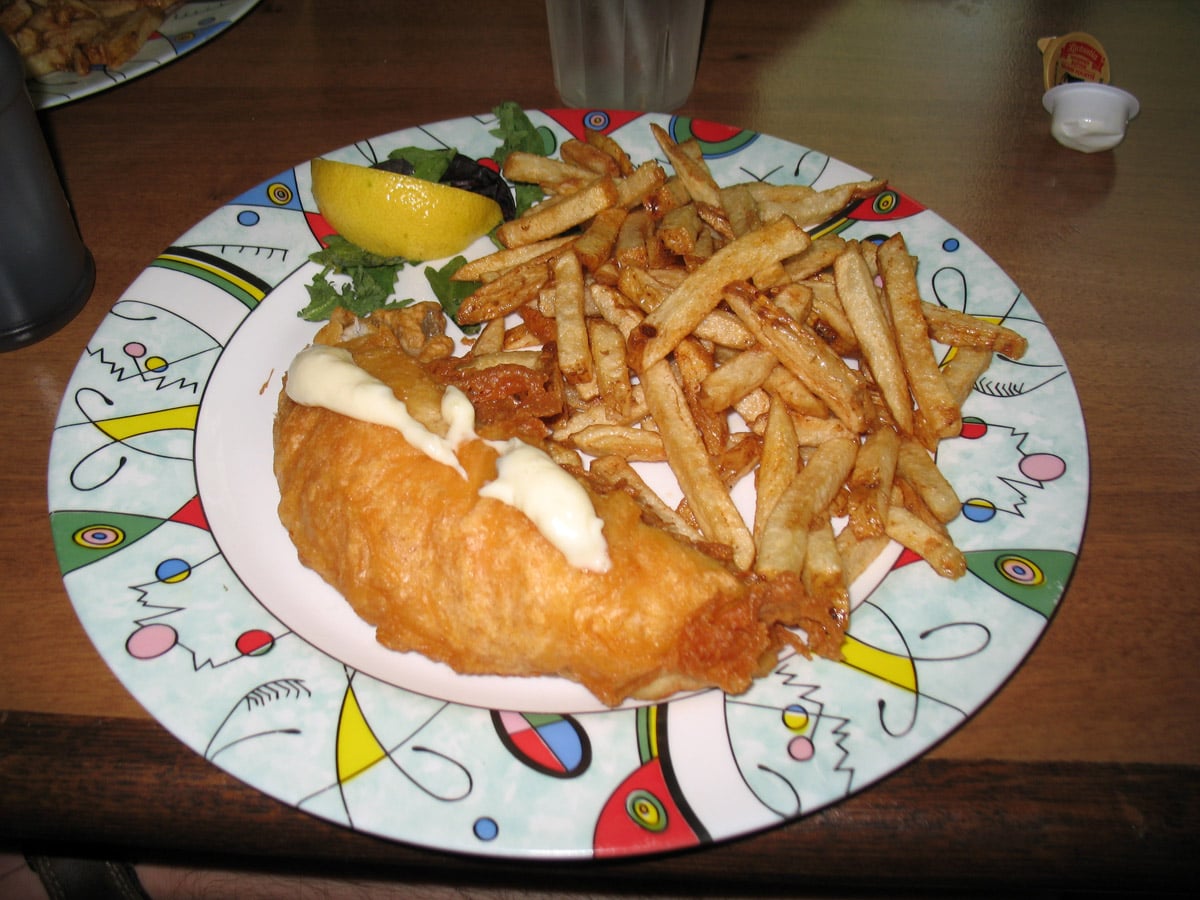
Manitoba often enters this debate more quietly, but its food culture has unusual depth. One standout is pickerel, also known as walleye, a freshwater fish that appears on menus across the province. Manitoba's many lakes help keep that connection between local waters and local cooking very visible.
Then there is honey dill sauce, a Winnipeg original that locals treat with serious loyalty. Food historians and local reporting have traced its rise to Mitzi's Chicken Finger Restaurant in Winnipeg in the 1970s, where the sweet, creamy dip became inseparable from chicken fingers in the city.
The province also reflects generations of Ukrainian, Filipino, Mennonite and Indigenous influence. That means a food conversation here can move from perogies to bannock to modern prairie cooking without feeling forced. Manitoba's case is less about one famous export and more about how many traditions live side by side.
Ontario's global table
Ontario makes its claim through range. It is Canada's most populous province, and its food scene reflects that scale with regional agriculture, large immigrant communities and major restaurant cities. If one province can offer many versions of Canadian eating at once, Ontario is the obvious candidate.
In the south, Niagara and surrounding farmland supply tender fruit, wine and vegetables. Toronto adds another layer, with neighborhoods known for Chinese, Caribbean, Italian, South Asian and Middle Eastern food, among many others. The point is not novelty alone. It is the everyday quality and availability of those cuisines.
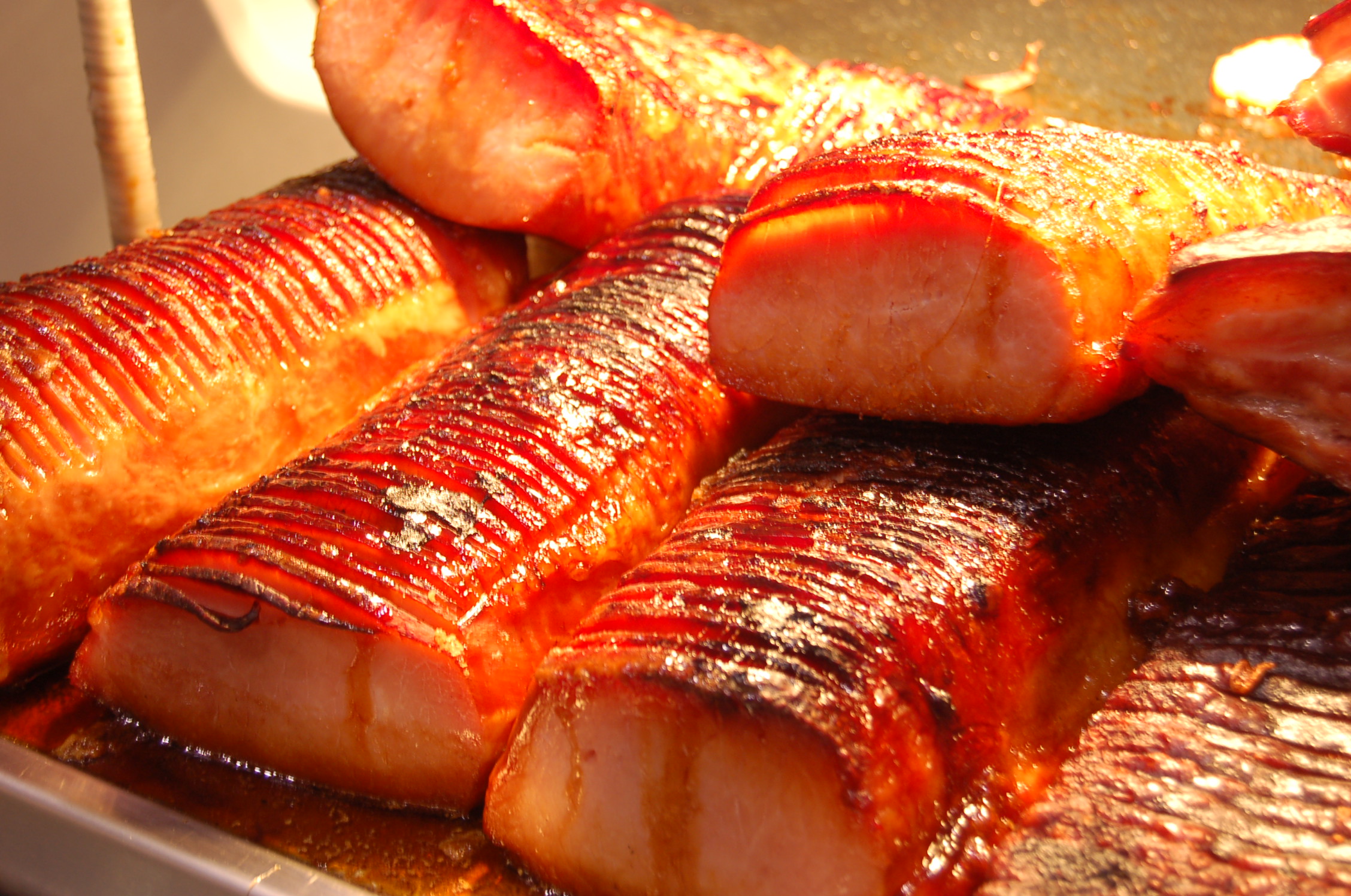
Peameal bacon also gives Ontario a signature with deep roots. Often linked to Toronto's St. Lawrence Market, it is made from wet-cured pork loin rolled in cornmeal today, though pea meal was used historically. Ontario's strength is that it can serve a classic local sandwich and a world tour on the same block.
Quebec's rich, stubborn classics

Quebec enters any best food argument with dishes that are instantly recognizable across the country. Poutine is the obvious example: fries, cheese curds and gravy. While versions now appear almost everywhere, the dish is widely traced to rural Quebec in the 1950s.
The province's case goes far beyond that one plate. Tourtière, sugar shack meals and smoked meat all show how Quebec developed a strong culinary identity that remained distinct and highly local. Maple products matter here too. Quebec produces the vast majority of the world's maple syrup, according to Quebec Maple Syrup Producers.
That scale gives everyday foods, from breakfast pancakes to spring desserts, a direct tie to the province. Quebec's strongest advantage may be confidence. Its dishes are not trying to represent everyone. They are specific, rooted and familiar enough that people across Canada recognize them immediately.
Nova Scotia's seafood finale
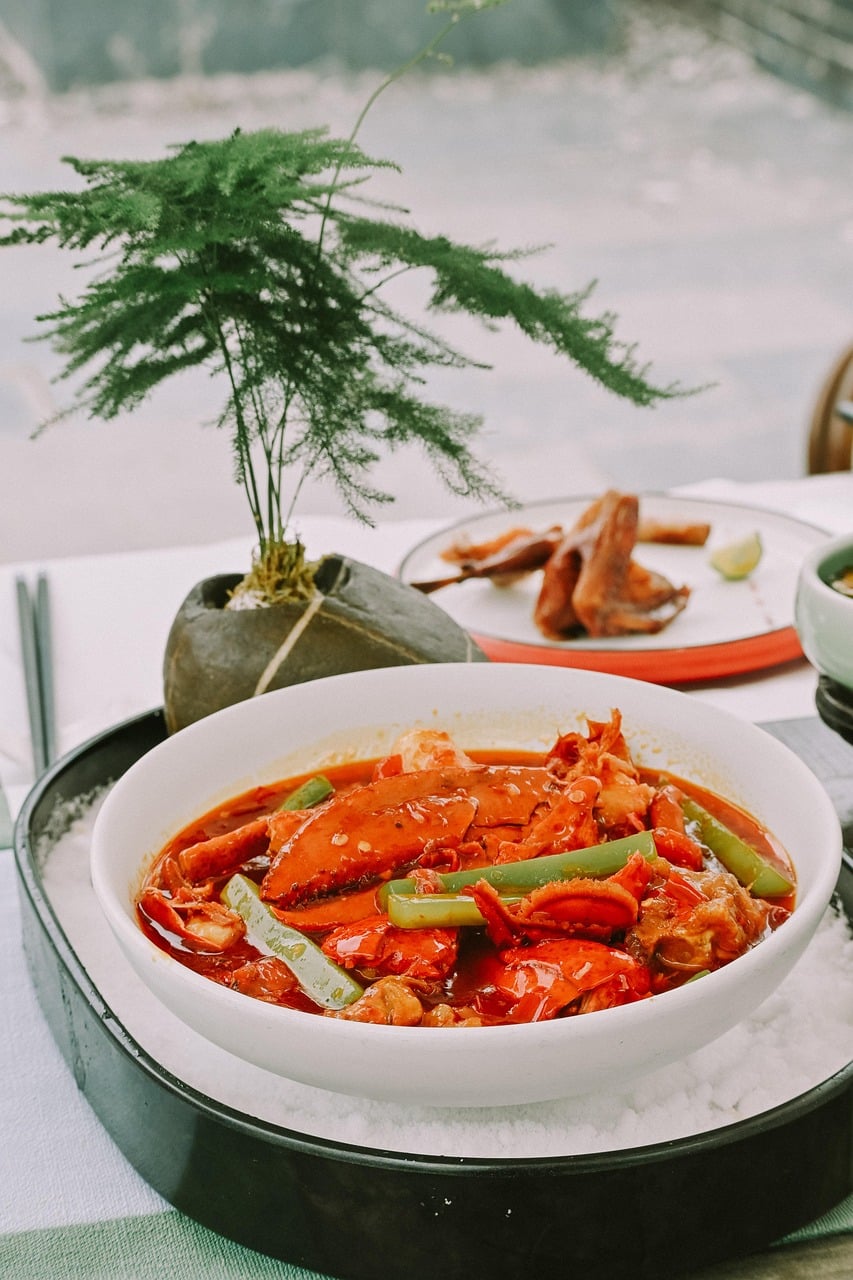
Nova Scotia closes this debate with a simple argument: few provinces are so closely associated with food from the water. Lobster leads the case. According to the Government of Nova Scotia, the province is one of the world's largest exporters of live lobster, turning a local catch into an international calling card.
Scallops, oysters and haddock add depth to that reputation. So do traditions such as fish cakes, chowder and the donair, which became Halifax's official food in 2015. That last detail matters because it shows Nova Scotia is not defined only by old seafood staples, but also by a beloved late-night city classic.
The province's food identity also carries the influence of Mi'kmaq, Acadian, African Nova Scotian and immigrant communities. In other words, Nova Scotia is strongest when it is viewed as more than a postcard plate. It is a province where the ocean shapes the menu, but people shape the meaning.




Leave a Reply