
Canadians disagree about a lot of grocery stores, but one chain routinely draws the same criticism. This store still has loyal fans, yet its higher prices and polished brand image make it an easy answer when shoppers talk about value that does not quite match the hype.
The reputation starts with the price tag
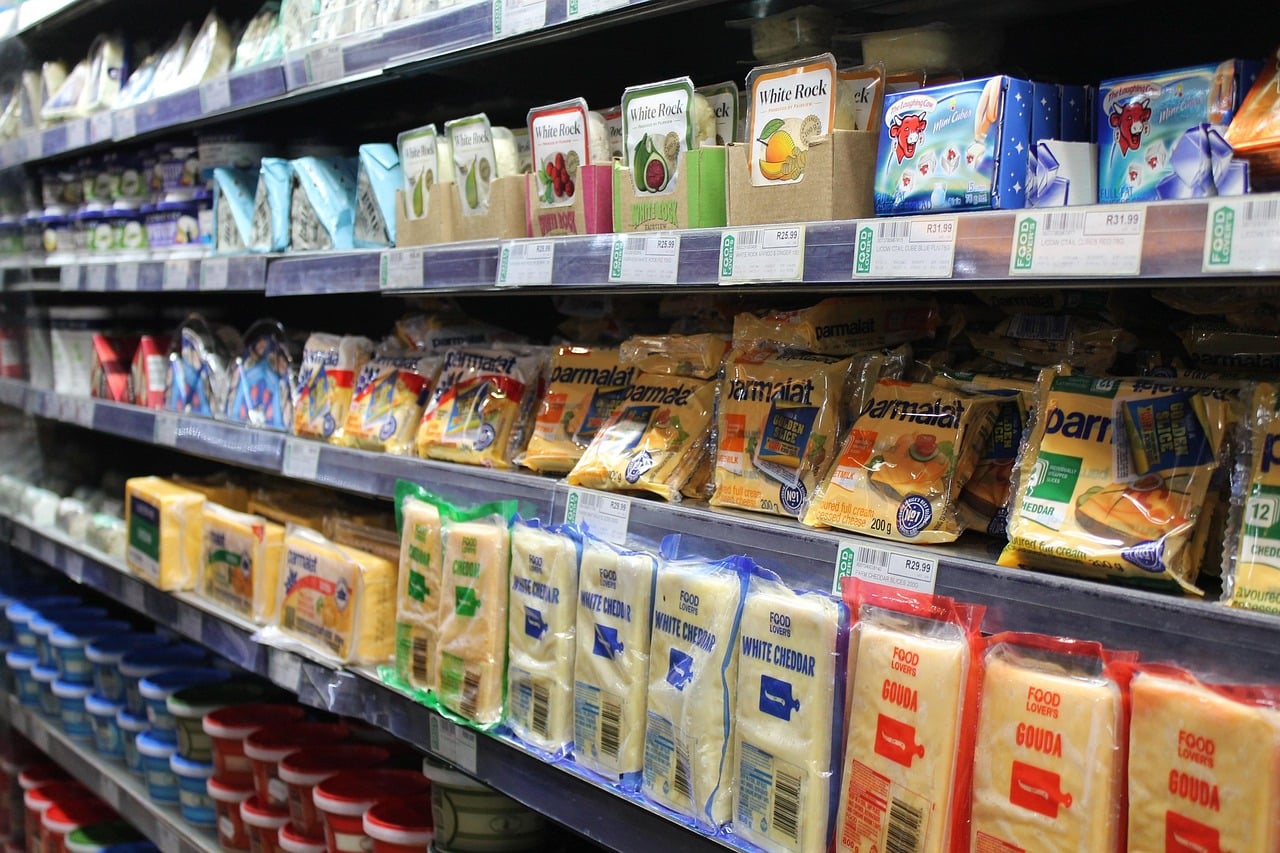
The fastest reason people call Whole Foods overrated is simple: cost. Consumer reporting in Canada has repeatedly shown that food prices are a top household concern, and shoppers often compare stores item by item now instead of staying loyal to one banner.
Whole Foods has long carried a premium reputation because it specializes in organic products, specialty imports and prepared foods. That positioning can appeal to shoppers who want a certain standard, but it also means many basics look expensive beside the same staples at No Frills, Walmart or Costco.
Even people who like the store tend to describe it as a place for selective purchases, not a full weekly run. That gap between the brand's upscale promise and the reality of strained grocery budgets is a big reason the chain gets tagged as overrated.
Amazon ownership changed the expectations
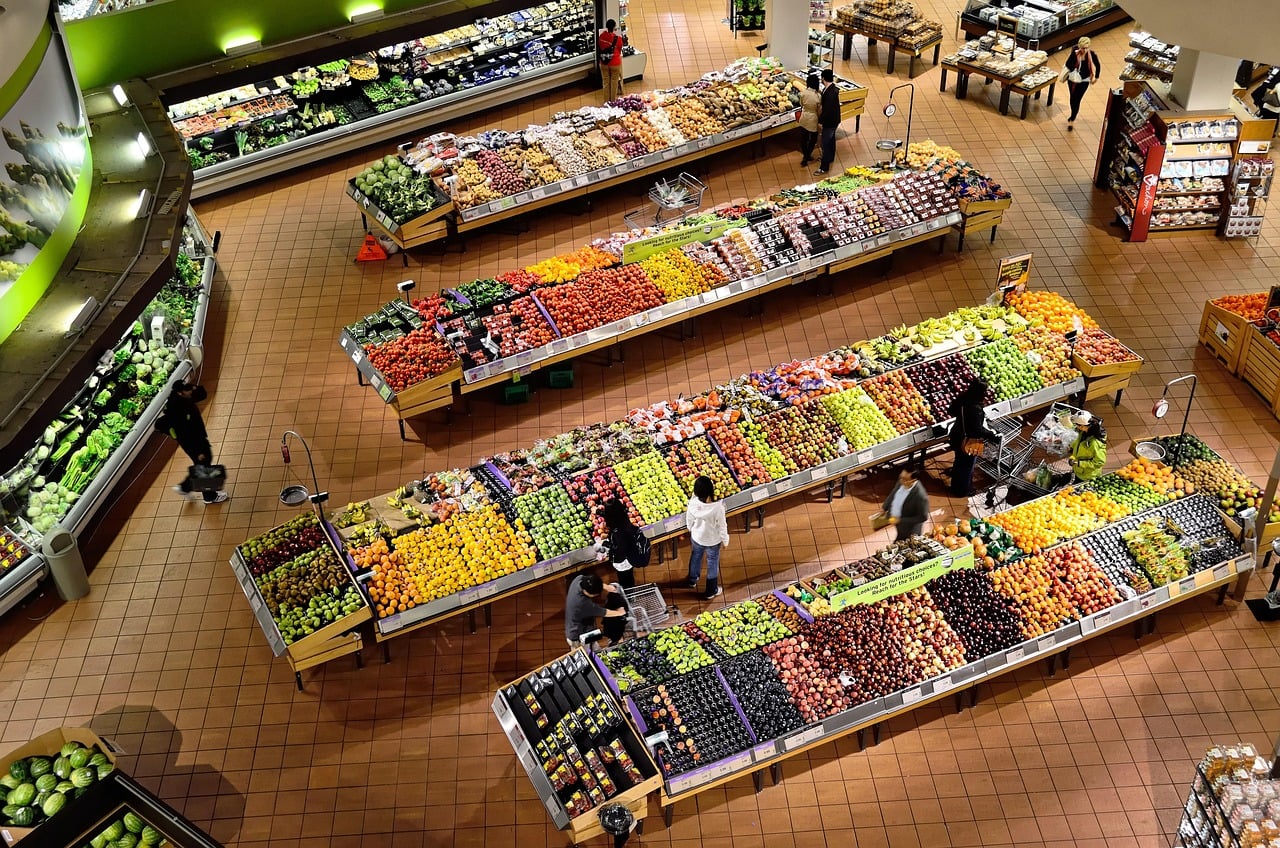
Whole Foods became part of Amazon in 2017, and that changed how people viewed it. A premium grocery chain owned by one of the world's largest retailers naturally created expectations that prices might become more competitive or that value would become easier to see.
Some shoppers did notice promotions and Prime-linked perks in certain markets, but the broader reputation did not disappear. The chain still reads as aspirational, and for many Canadians that image clashes with a period when grocery inflation has made ordinary shopping feel more strategic.
There is also a trust issue built into the criticism. When a giant company owns a store known for pricey products, people often become less willing to treat those prices as the cost of doing business and more likely to view them as branding.
The stores feel polished, but not always practical
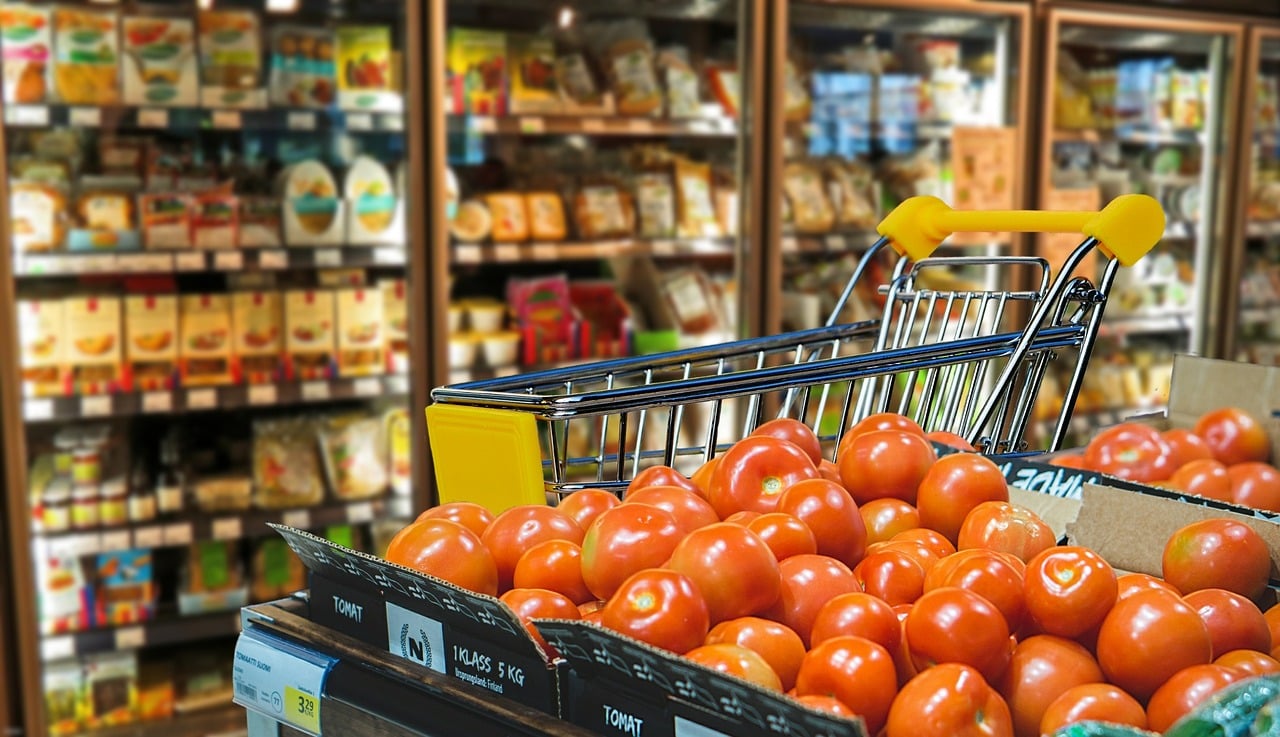
Part of Whole Foods' appeal is visual. The produce displays are orderly, the bakery looks abundant, and the prepared food counters can make a routine shop feel more like a meal stop than an errand.
That atmosphere matters, but it can also feed the overrated label. Shoppers who just want pantry basics, milk and affordable produce may see the design, signage and specialty assortment as a polished layer that does not actually help them spend less or shop faster.
In that sense, the criticism is not only about price. It is about usefulness. A store can be pleasant and still feel less practical than chains that focus more directly on bulk packs, private label deals and aggressive weekly specials.
Specialty products keep the store relevant
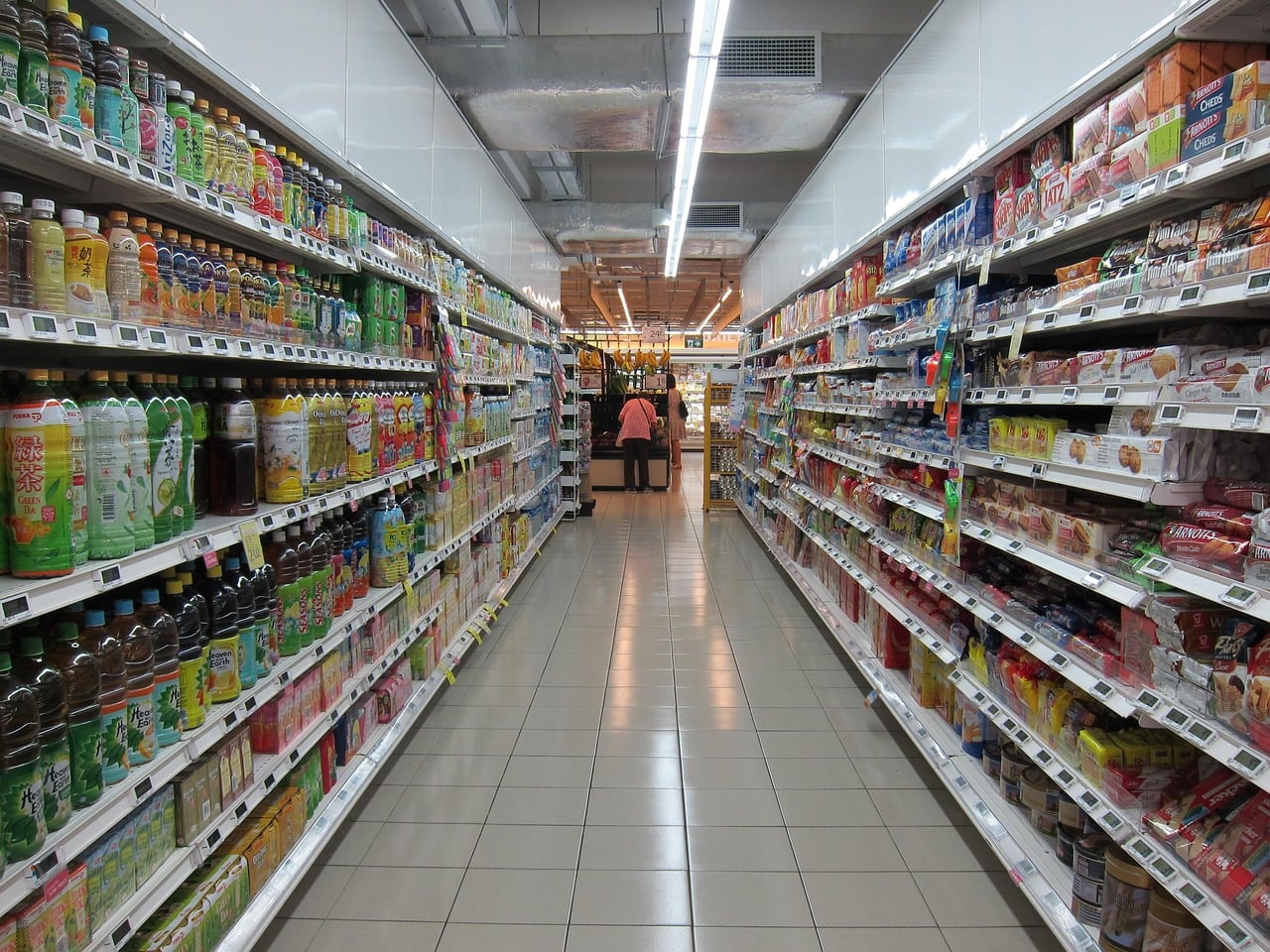
Calling Whole Foods overrated is not the same as saying it has no strengths. Many shoppers still rely on it for harder-to-find ingredients, dietary specific items and prepared foods that can be better than what is offered at conventional supermarkets.
That matters in larger Canadian cities, where shoppers may want organic produce, natural beauty products, vegan desserts or specific imported pantry items in one stop. Whole Foods has built real credibility in those categories, and that is why critics often admit they still walk in for a few select things.
This is what makes the chain such an easy debate topic. It is not useless. It is simply that many Canadians see it as excellent for niche purchases and weak as a value-driven primary grocery store.
The nickname still hangs over the brand

Whole Foods has spent years trying to modernize its image, but the old nickname "Whole Paycheck" still shapes public opinion. That phrase stuck because it captured, in a memorable way, the feeling that a routine basket could turn expensive very quickly.
Nicknames like that matter because they simplify a complicated shopping experience into one emotional takeaway. Even if some products are competitively priced on a given day, the broader impression can remain fixed for years.
For Canadian shoppers, that impression lands especially hard during periods of high food costs. A store with any aura of luxury has to work much harder to prove it is worth the premium, and Whole Foods often loses that argument in casual conversation.
Overrated does not mean irrelevant

The strongest conclusion is also the fairest one: Whole Foods is not universally disliked, it is just easy to criticize. In a country where shoppers are watching every grocery dollar, a chain associated with premium prices will naturally attract more scrutiny than discount banners.
That does not erase the things Whole Foods does well. It still offers strong merchandising, a distinct product mix and a shopping environment some people genuinely enjoy. But when Canadians talk about the most overrated grocery store, they are usually judging value first, and that is where Whole Foods remains the common answer.


Leave a Reply